Why You Want to Share Your Loved One's Ashes: The Science Behind Family Distribution
Learn why so many families feel drawn to share a loved one’s ashes and how this instinct supports healing, connection, and collective remembrance in grief.


Key Takeaways
- Family sharing is universal: Research reveals that 85.7% of families actively distribute memorial elements among family members, making ash sharing the most prevalent grief behavior pattern
- Ash anxiety is real: Traditional cremated remains create practical challenges including fear of spilling, difficulty transporting, and complex family distribution decisions
- Science validates sharing desires: Grief psychology research confirms that inclusive memorialization strengthens family bonds and supports healthy grief processing
- Professional solutions exist: Solidified remains offer a complete alternative to ashes, designed specifically for easy sharing and meaningful family distribution
- Timing matters: Understanding your grief stage helps determine when you're emotionally ready to make sharing decisions and explore distribution options
Reflections on love, loss, and the ways we hold them.
In my work with bereaved families, I’ve learned that the impulse to share a loved one’s remains is rarely about practicality. It is about love, lineage, and the deep human need to stay connected. Research in family grief consistently shows that shared mourning strengthens bonds and creates what psychologists call continuing bonds, the threads that help families rebuild meaning after loss.
I often think of a client, Liza, who came to me after losing her only brother. Their family was spread across three states, and she worried that distance would leave each of them grieving alone. When she chose to share his solidified remains, everything shifted. “It felt like we were holding him together,” she told me. “My mother keeps one stone on her nightstand. My son carries one in his backpack. And somehow, we are all connected in the same quiet way.” That small act of sharing became their bridge back to one another.
Modern grief science affirms what families like Liza’s already know: each person had a unique relationship with the one they lost, and honoring those individual bonds, while acknowledging the collective loss, supports healthier, more compassionate healing. It is why so many grandparents, adult children, siblings, and blended families feel drawn to solutions that allow everyone to keep a tangible connection.
What families also discover is that solidified remains remove the fear and complexity that often surrounds traditional ashes. Instead of anxiety, they invite comfort. Instead of conflict, they encourage unity.
Sharing, when done with intention, becomes its own act of grace. A way of keeping love present in every home it touched.
Cathy Sanchez Babao
Parting Stone Grief Coach
Every year, millions of families face a question that feels impossible to answer: What should we do with our loved one's ashes? If you're reading this, you're likely navigating this difficult terrain yourself, perhaps feeling torn between keeping your loved one close and honoring other family members' needs for connection.
The desire to share cremated remains among family members is not only completely normal but also represents the most common grief behavior pattern documented by researchers. Parting Stone's internal analysis of over 350 verified customer testimonials reveals that 85.7% of families actively seek ways to distribute memorial elements, making ash sharing the strongest preference in contemporary memorial decisions.
Yet despite this overwhelming desire for family distribution, many people struggle with what researchers call "ash anxiety" and the practical challenges of traditional cremated remains. Understanding the science behind why we want to share, combined with knowledge of modern solutions designed for family distribution, can help transform one of grief's most difficult decisions into a meaningful path forward.
You're Not Alone in Wanting Something Better
If you're here, you likely understand something that 75 million Americans are still discovering: traditional cremated remains often create more anxiety than comfort.
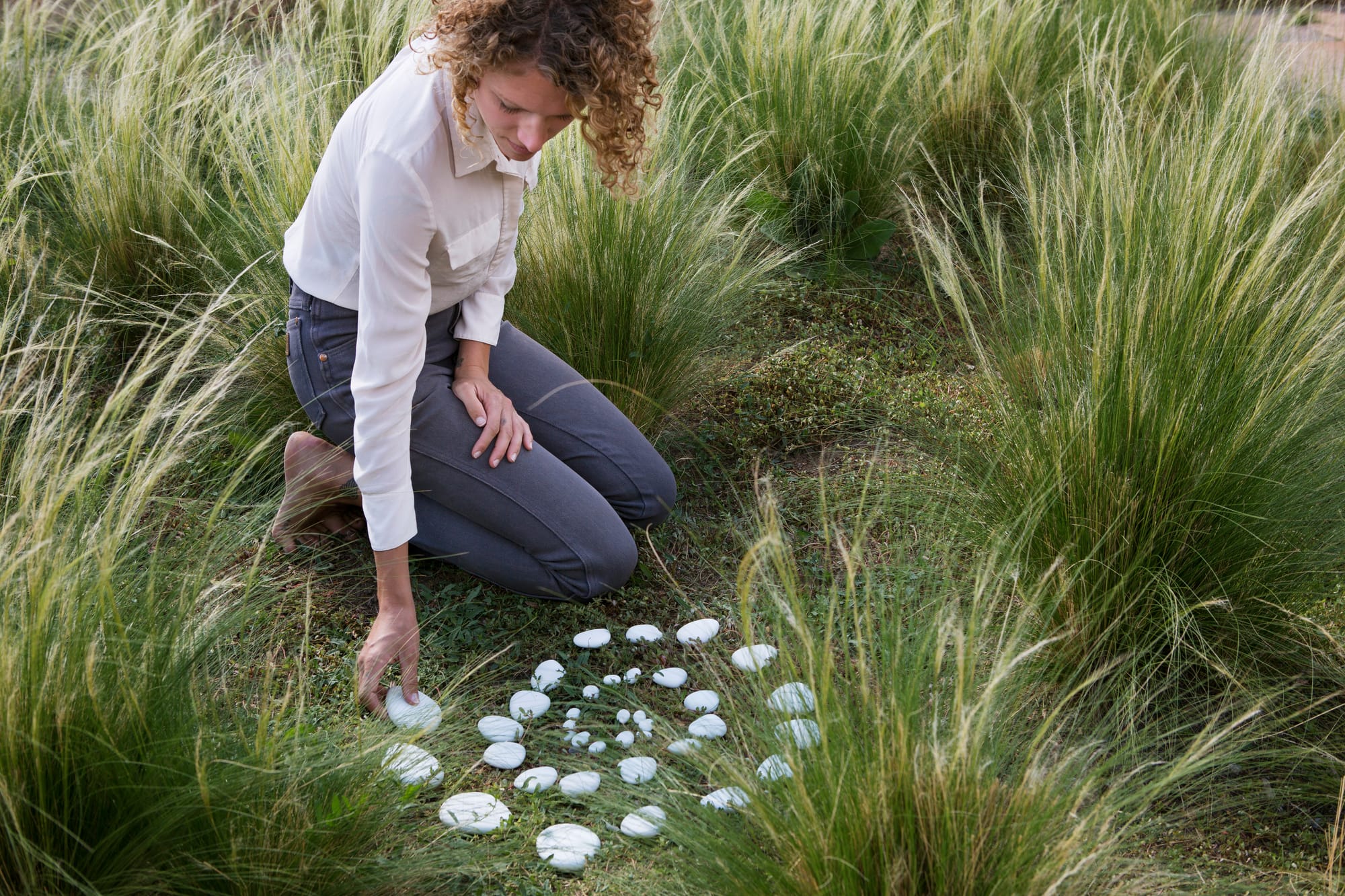
Families who choose solidified remains share a common understanding: your loved one deserves better than to be hidden away in a closet, garage, or basement. They deserve a memorial that you can interact with, share with family members, and incorporate into the meaningful moments of your life.
These families understand that premium memorial solutions aren't about spending more—they're about choosing something that actually serves the emotional needs of grief and healing.
The Universal Drive to Share: What Research Reveals About Family Distribution
The human need to include family members in memorialization runs deeper than simple logistics. Family grief research consistently demonstrates that shared mourning experiences strengthen family bonds and support healthier grief processing outcomes. When families can each maintain a physical connection to their loved one, it creates what grief psychologists call "continuing bonds" that facilitate long-term healing.
Maria from Auburn, New Hampshire 🖤 captures this universal experience perfectly: "I wasn't sure what I needed in terms of memorializing my daughter. I didn't expect that I would want something to hold or see everyday, but I am so glad I have her stones today. I can hold them when I need to and they make a beautiful memorial with her photo and keepsakes. I recommend these stones also as a way to share your loved one's ashes also. It brings peace that our family can have a little piece of our daughter in their homes too."
The Science of Family Sharing Behavior
Research published in BMC Psychology demonstrates that "active sharing of family grief is normative during bereavement work" and that families who engage in collective mourning practices show better adjustment outcomes than those who grieve in isolation. The study emphasizes that "the construction of new meaning, fresh roles and relational changes is sought" through shared grief experiences.
Professional analysis of family bereavement patterns reveals three primary motivations driving the sharing impulse:
- Geographic Distribution Needs: Modern families often live in different cities, states, or countries. When families are separated by distance, the desire for each person to maintain a physical connection becomes especially pronounced.
- Individual Relationship Recognition: Each family member experienced a unique relationship with the deceased. Sharing allows people to honor their specific bond while acknowledging that others had equally meaningful connections. This recognition helps prevent the common grief complication where one person feels their relationship was more or less significant than others.
- Legacy Creation for Future Generations: Many families want to ensure that children and grandchildren can maintain tangible connections to their loved ones. Research from the National Center for Biotechnology Information shows that continuing bonds across generations significantly impacts family resilience and helps younger family members develop healthy relationships with death and remembrance.
@mikkzazon The company is @PartingStone ♥️ #partingstones #griefjourney #griefawareness
♬ original sound - Mik Zazon
Traditional Ash Sharing: Understanding the Challenges
While the desire to share is universal, traditional cremated remains create significant practical and emotional barriers that many families don't anticipate during the immediate aftermath of loss.
The Ash Anxiety Phenomenon
Mental health professionals have identified a specific pattern of anxiety surrounding traditional cremated remains that affects the majority of families. This "ash anxiety" manifests in several ways:
- Fear of Spilling or Loss: Traditional ashes are fine particles that can easily scatter if containers are knocked over or opened incorrectly. Many families report feeling constantly worried about accidentally spilling their loved one, creating ongoing stress rather than comfort.
- Transportation Difficulties: Moving traditional ashes requires special containers, careful handling, and often creates anxiety about airport security, shipping regulations, or simple car transportation. These practical concerns can make sharing between distant family members feel risky or impossible.
- Distribution Complications: Dividing traditional ashes among family members requires careful measurement, appropriate containers for each portion, and often feels clinical rather than meaningful. Research published in family bereavement studies shows that ash distribution decisions frequently lead to family conflicts when no clear plan exists.
Real Family Experiences with Traditional Sharing Challenges
The emotional weight of these practical challenges often compounds grief rather than providing comfort. Research published in grief counseling studies confirms that when memorial decisions create additional stress, they can interfere with healthy grief processing and family healing.
Anonymous from Ridgefield, Washington 🖤 describes the relief many families feel when they discover alternatives: "We were not sure how to 'share' my dad's ashes and Parting Stone gave us the perfect solution! There are plenty of stones to share with all of his loved ones and best friends. The process was super easy and I was informed on the status regularly."
 Parting Stone Editors
Family Structure Considerations: How Relationships Affect Sharing Decisions
Different family relationships create distinct sharing needs and motivations. Understanding these patterns can help families plan distribution that honors everyone's connection while preventing conflicts.
Spousal Distribution Patterns
Surviving spouses typically take the lead role in memorial decisions but often want to ensure that children, grandchildren, and sometimes parents of the deceased receive memorial elements. Research shows that spouses are most likely to share with multiple generations, emphasizing legacy creation for the future.
Philip from Dundas, Minnesota 🖤 shares how his wife's decision honored their entire family: "A friend of ours had this done. When my wife was diagnosed with stage four cancer she was the one that decided this is what she wanted. I supported her then and glad that this is what she wanted. It has helped to comfort all of us."
Adult Children and Sibling Dynamics
When adult children make memorial decisions, they typically focus on ensuring all siblings receive equal memorial elements and that extended family members aren't forgotten. Studies published in sibling grief research show that "many sisters and brothers continue to visit each other, share memories, reunions, and responsibility" throughout their lives, making memorial sharing particularly important for maintaining these bonds.
Parents Making Decisions for Adult Children
When elderly parents pass away, their adult children often struggle with competing desires for memorial elements. Geographic separation, different memorial preferences, and varying grief processing styles can create tension. Professional grief counselors recommend establishing sharing plans early and ensuring all family members feel their relationship is honored.
Blended Family Considerations
Modern blended families face unique challenges in memorial decisions. Legal research on ash distribution shows that when families include step-relationships, ex-spouses, and half-siblings, clear communication about sharing preferences becomes essential for preventing conflicts.
 Parting Stone Editors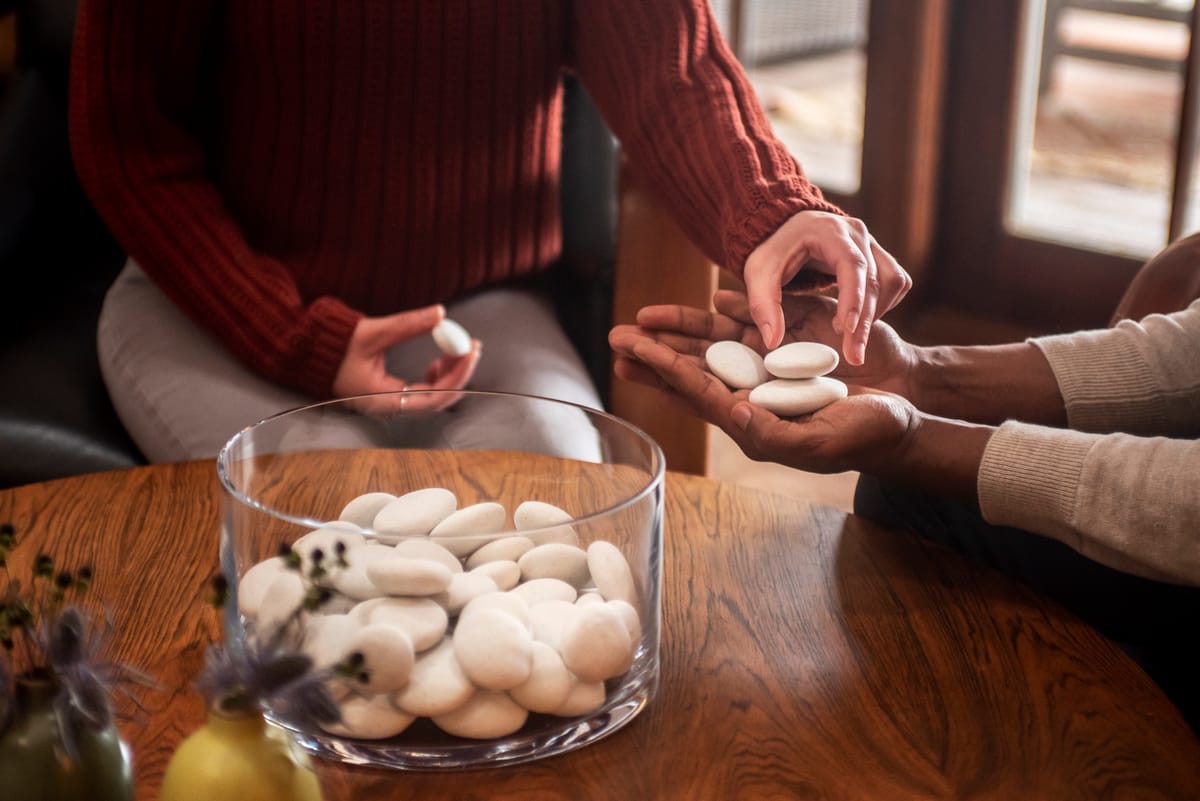
The Emotional Psychology of Meaningful Sharing
Research in continuing bonds theory explains why family sharing creates such powerful healing experiences. When multiple family members can maintain physical connections to their loved one, it validates that the deceased remains important to everyone while allowing for individual grief expression.
Tactile Comfort and Shared Experience
Studies published in grief psychology research reveal that 65.4% of families derive significant comfort from physical touch and handling of memorial elements. When families can each hold something meaningful, it creates shared experience while honoring individual needs.
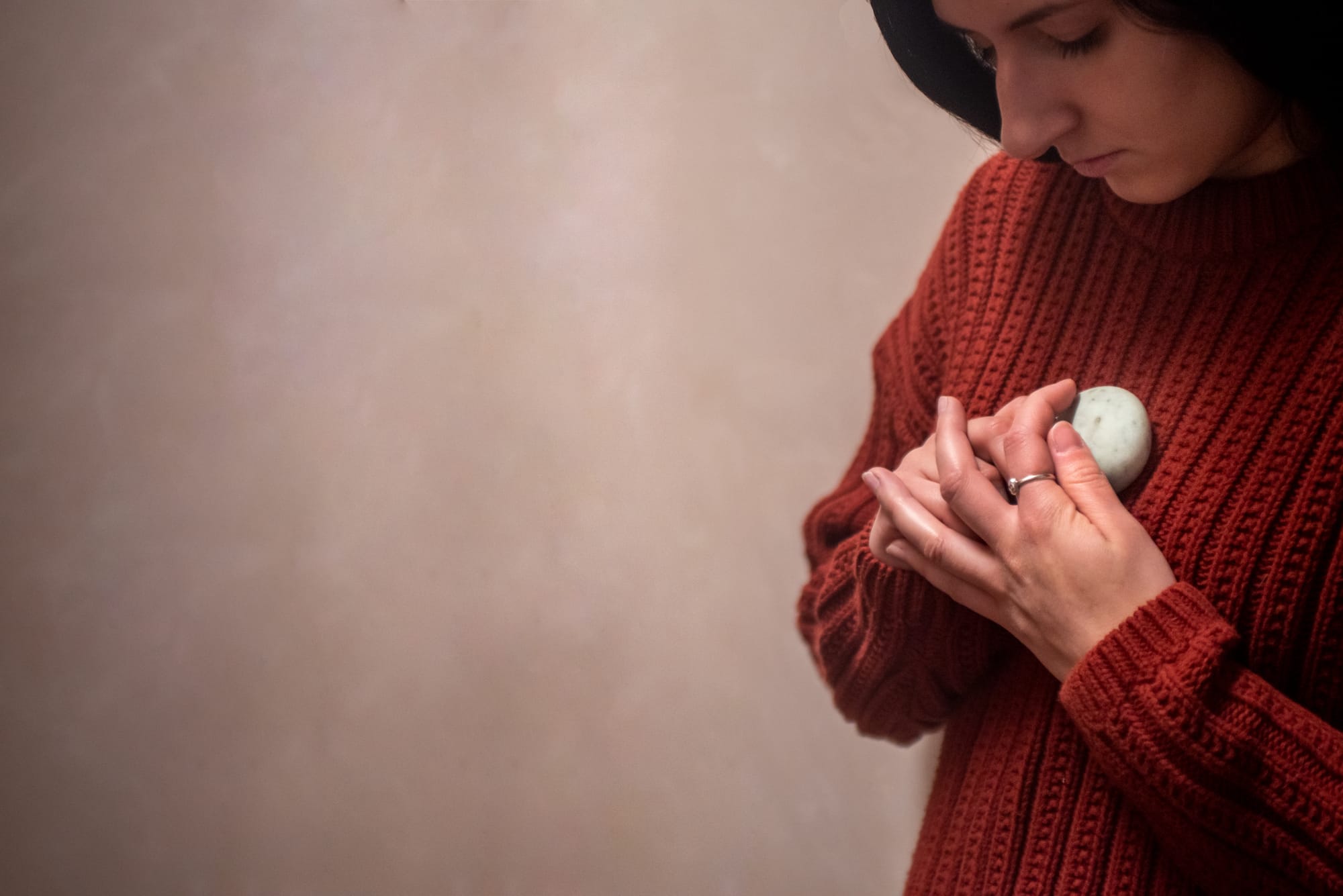
Dawn from Auburn, California 🖤 describes this perfectly: "I love having the stones of my brother. It gives me great comfort to put his smooth stones into my hands and at times rub them, which brings me great peace. The stone is so smooth and it can be very meditative to hold. A sweet connection with your loved one."
Reducing Isolation Through Shared Mourning
Grief often creates feelings of isolation, even within families. When each family member maintains their own memorial element, it creates opportunities for shared stories, parallel experiences, and ongoing connection. Research confirms that families who engage in collective mourning practices show significantly better grief adjustment outcomes.
@ohthatjenny If you would like more information on Parting Stone and the process please dont hesitate to ask. I feel so confident that Chris would love this way of keeping his memory alive. He is SO missed and loved still and always. #partingstone #partingstones #lifeafterloss #griefandloss @PartingStone
♬ original sound - Jenny
Solidified Remains: A Complete Alternative Designed for Family Sharing
While traditional cremated remains create barriers to family sharing, solidified remains represent a complete alternative specifically designed to address every challenge families face with ash distribution.
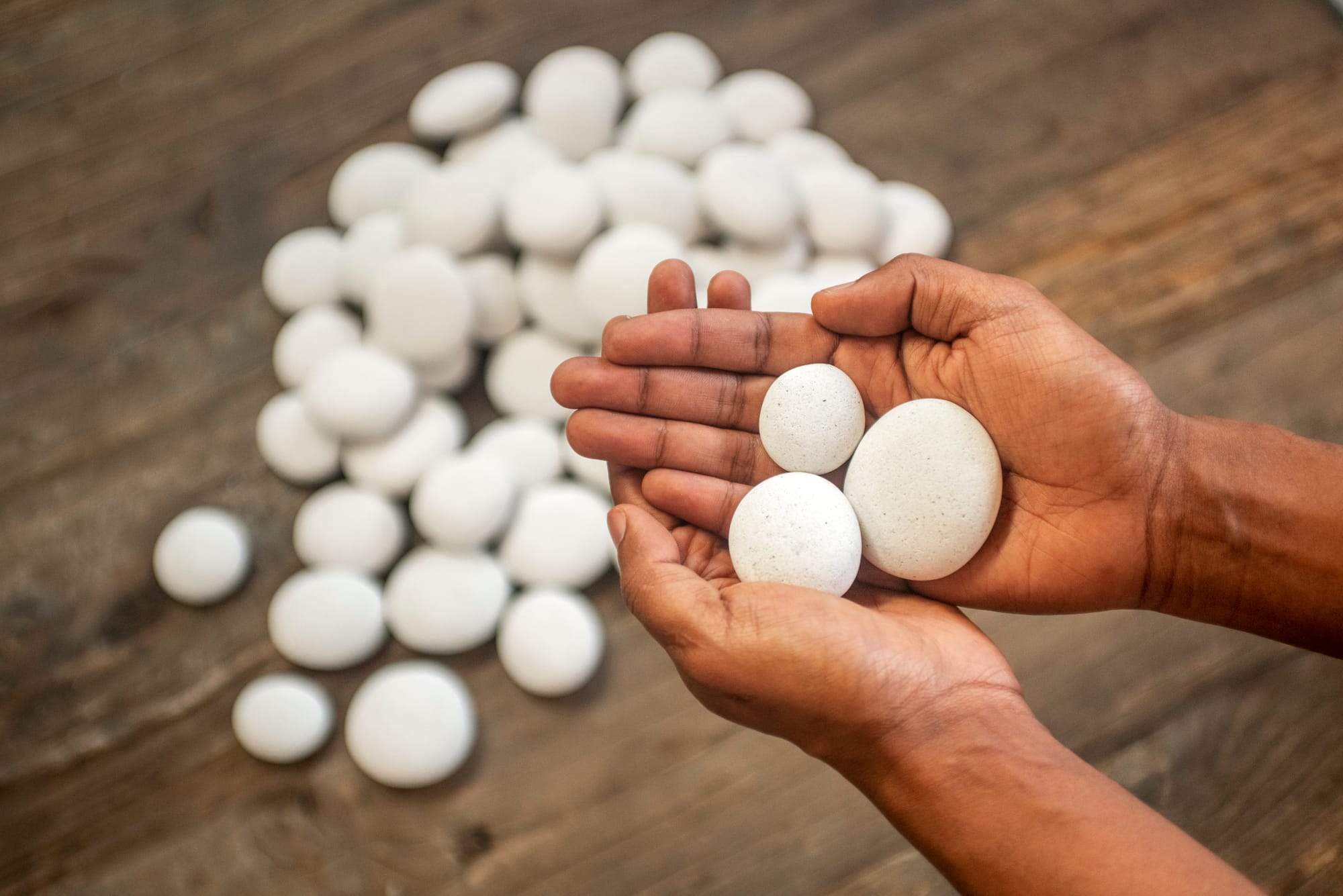
The Scientific Process Behind Solidified Remains
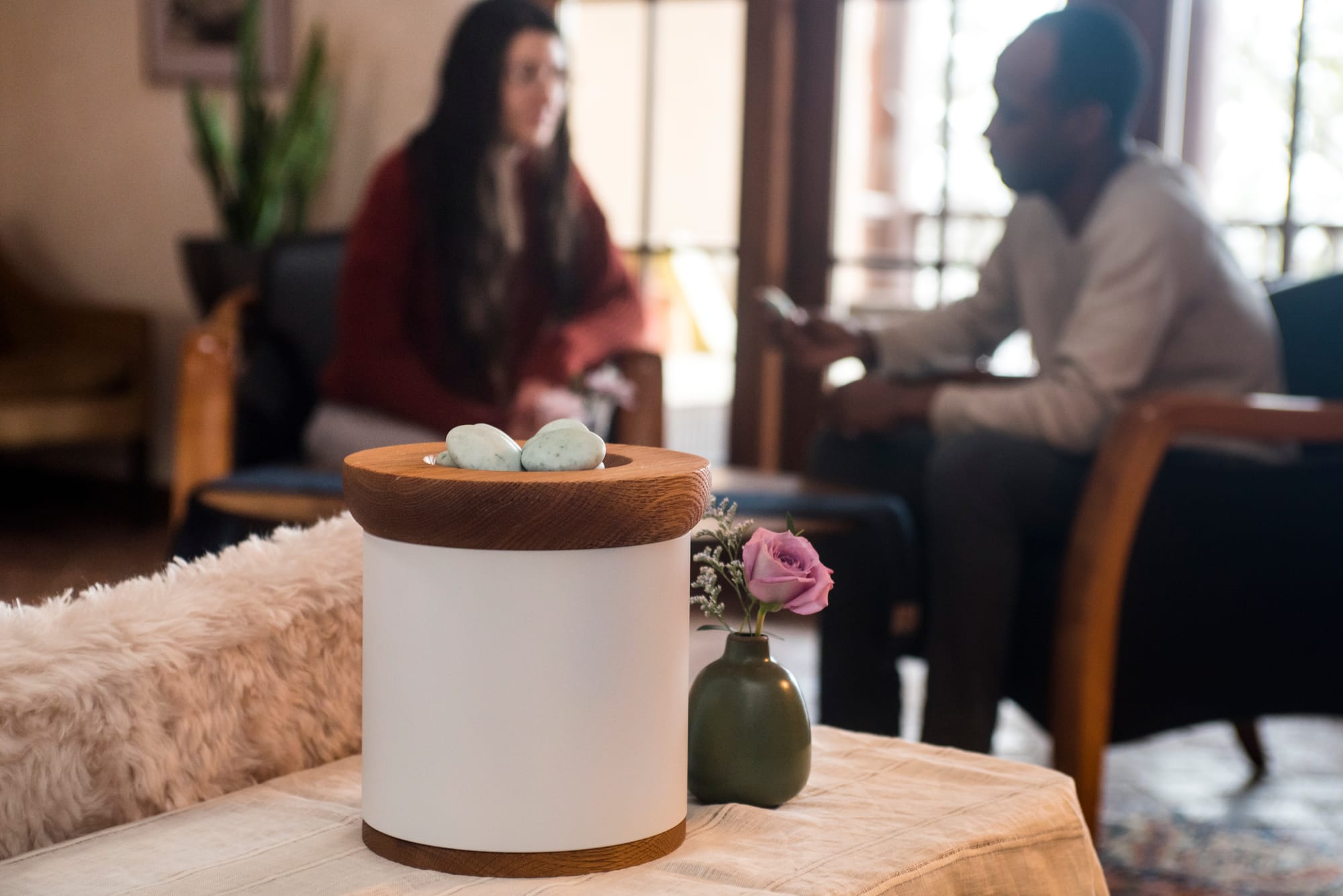
Parting Stone's patented solidification process, developed in partnership with Los Alamos National Laboratory, transforms cremated remains into smooth, stone-like memorial elements that eliminate every practical and emotional challenge associated with traditional ashes. The 8-10 week process returns the full amount of remains in a solid, clean form that can be easily held, shared, and cherished.
This isn't an add-on service or memorial product – it's a complete alternative to receiving cremated remains that addresses the fundamental question: Would you like to receive cremated remains or solidified remains?
How Solidified Remains Solve Traditional Sharing Problems
Elimination of Ash Anxiety: Solidified remains cannot spill, scatter, or be lost in the way traditional ashes can. Families report immediate relief from the constant worry about handling their loved one's remains carefully.
Effortless Transportation: Stone-like memorial elements can travel easily by car, plane, or mail without special containers or handling requirements. Many families describe taking their loved ones on meaningful journeys that would have been impossible with traditional ashes.
Natural Distribution: Instead of measuring and dividing ashes, solidified remains naturally create multiple memorial elements that can be shared among family members. Each person receives beautiful stones rather than a portion of ashes in a container.
Real Family Transformation Stories
Anonymous from Silver Spring, Maryland 🖤 captures the transformation that solidified remains enable: "Now, my mom and brother are traveling the globe again, living on with loved ones. I've shared their stones with friends and family, and placed them in locations they cherished or dreamed of visiting but never had the chance to."
Anonymous from Englewood, Florida 🖤 describes how solidification enabled family inclusion: "Mom wanted to be cremated and learning about Parting Stone gave us an opportunity to share her stones with Family and Friends. The communications process from start to finish was excellent and very re-assuring."
The $2,495 investment for human remains solidification (8-10 week process) eliminates all the practical barriers while creating meaningful memorial elements designed for family sharing and lasting connection.
Implementation Guide: How to Navigate Family Sharing Conversations
Discussing memorial preferences with family members requires sensitivity, timing, and clear communication about everyone's needs and feelings.
Starting the Conversation
- Choose the right timing: These discussions work best during quiet moments when family members can focus without distractions. Avoid bringing up sharing preferences during highly emotional times immediately following death.
- Frame it positively: Instead of focusing on dividing remains, emphasize creating ways for everyone to maintain connection. Use language like "We all loved [name] and want everyone to have a meaningful way to stay connected."
- Acknowledge different needs: Recognize that family members may have different ideas about memorialization. Some may want something to hold daily, while others prefer occasional connection or specific memorial locations.
Questions That Help Guide Decisions
"What kind of connection feels most meaningful to you?" This open-ended question allows family members to express their specific needs without feeling pressured toward particular memorial choices.
"Are there places that were special to [name] where you'd like to create memorials?" Many families discover that different family members connect to different meaningful locations, making sharing a natural solution.
"How do you imagine honoring [name's] memory in your daily life?" Understanding how different family members want to integrate memorial elements into their routines helps determine appropriate sharing approaches.
Addressing Common Concerns
"Will sharing be disrespectful to their memory?" Help family members understand that most major religions and legal frameworks that allow cremation also permit sharing of remains. The focus should be on honoring the deceased in ways that provide comfort and connection.
"What if we can't agree on distribution?" Consider involving a neutral family friend, grief counselor, or funeral director to help facilitate conversations and ensure everyone's voice is heard.
"How do we handle this fairly?" Fairness in memorial sharing doesn't always mean equal amounts – it means ensuring everyone feels their relationship is acknowledged and their needs are considered.
Professional Resources: When to Seek Counseling Support
While memorial decisions are deeply personal, professional guidance can be invaluable when families feel overwhelmed, conflicted, or stuck in their grief processing.
Recognizing When Professional Support Would Help
Research published in grief counseling studies identifies several signs that indicate potential benefit from professional support:
| Warning Signs | How Professional Support Helps |
|---|---|
| Memorial decisions feel overwhelming | If choosing how to handle remains creates significant anxiety or family conflict, a grief counselor can provide neutral guidance and communication strategies |
| Grief interferes with daily functioning | When sadness, anger, or numbness makes it difficult to work, maintain relationships, or handle basic self-care, professional support can provide coping strategies and emotional processing assistance |
| Family conflicts around memorial choices | Professional family grief therapy can help families navigate disagreements while honoring everyone's needs and maintaining family relationships |
| Persistent thoughts about the deceased's suffering | If you're regularly replaying circumstances of death or feeling intense guilt about memorial decisions, counseling can help process these complex emotions |
Types of Professional Support Available
Individual Grief Counseling: One-on-one sessions provide personalized support for processing emotions, developing coping strategies, and making memorial decisions that align with your values and needs.
Family Grief Therapy: Family-focused grief therapy brings family members together to improve communication, address conflicts, and develop shared approaches to honoring their loved one.
Grief Support Groups: Led by trained facilitators, support groups connect you with others navigating similar experiences and provide ongoing encouragement throughout the grief journey.
Online Counseling Options: Many grief counselors now offer virtual sessions, making professional support accessible regardless of location or mobility limitations.
How to Find Qualified Grief Support
Look for counselors with specific training in grief and bereavement, credentials from recognized mental health organizations, and experience working with families facing memorial decisions. Many funeral homes maintain relationships with qualified grief counselors and can provide referrals.
The National Alliance for Grieving Children, Psychology Today's therapist directory, and local hospice organizations often maintain lists of grief specialists in your area. Many counselors offer initial consultations to ensure good fit before beginning ongoing support.
Moving Forward: Creating Meaningful Family Connections
The decision to share your loved one's remains represents an opportunity to create lasting family bonds while honoring individual grief needs. Understanding the science behind why families want to share, combined with knowledge of solutions designed specifically for family distribution, can transform a difficult decision into a meaningful path forward.
Whether you choose traditional ash distribution, solidified remains, or other memorial approaches, the most important factor is ensuring your decision provides comfort, reduces anxiety, and honors your loved one's memory in ways that feel authentic to your family.
Your grief journey is unique, and your memorial decisions should reflect your family's specific needs, relationships, and values. When sharing feels right for your family, modern solutions exist to make it beautiful, practical, and meaningful for everyone involved.
Frequently Asked Questions
Is it common for families to want to share cremated remains?
Yes, research shows that 85.7% of families actively seek ways to distribute memorial elements among family members, making sharing the most prevalent grief behavior pattern. The desire to include multiple family members in memorialization is completely normal and psychologically healthy.
Will sharing ashes cause family conflicts or hurt our relationships?
When handled with open communication and respect for different needs, sharing typically strengthens family relationships. However, conflicts can arise if decisions are made without including relevant family members. Professional grief counselors recommend discussing preferences early and ensuring everyone feels heard in the process.
What's the difference between dividing traditional ashes and solidified remains?
Traditional ash division requires measuring portions and transferring them to separate containers, which many families find clinical or emotionally difficult. Solidified remains naturally create multiple stone-like elements that can be shared among family members without the practical challenges of handling loose ashes.
How do I know if my family is ready to make sharing decisions?
Most families benefit from allowing some time after the immediate shock of loss before making detailed memorial decisions. Signs of readiness include ability to discuss the deceased without overwhelming emotion, interest in creating lasting memorials, and willingness to consider different family members' needs.
Are there legal restrictions on sharing cremated remains?
In most jurisdictions, laws are silent about ash sharing practices, leaving decisions to family preferences. However, it's important to ensure the person with legal authority over funeral arrangements (typically spouse, then adult children, then parents) is involved in sharing decisions.
When should we consider professional counseling for grief or memorial decisions?
Consider professional support if memorial decisions create significant family conflict, if grief interferes with daily functioning for more than a few months, or if you feel overwhelmed by the decision-making process. Grief counselors can provide neutral guidance and communication strategies that help families navigate these difficult conversations.
About the Editor
Cathy Sanchez Babao is a Grief Coach at Parting Stone, a grief educator, counselor, author, and columnist who has dedicated her career to helping individuals and families navigate loss. She writes the “Roots and Wings” column for the Philippine Daily Inquirer and is the author of Heaven’s Butterfly and Between Loss and Forever: Filipina Mothers on the Grief Journey. Cathy holds a B.S. in Business Administration and Management from Ateneo de Manila University and an M.A. in Family Psychology and Education from Miriam College, with advanced grief training at the Center for Loss & Life Transition and the Center for Prolonged Grief at Columbia University.
References
Burrell, A., & Selman, L. E. (2022). How do funeral practices impact bereaved relatives' mental health, grief and bereavement? A mixed methods review with implications for COVID-19. SAGE Journals. https://journals.sagepub.com/doi/10.1177/0030222820941296
Doran, G., & Downin-Hansen, A. (2006). Continuing bonds through shared felt presence among Mexican American families. Bereavement Research Studies, 23(4), 207-215. https://pmc.ncbi.nlm.nih.gov/articles/PMC10725084/
Kissane, D. W., & Bloch, S. (2012). Family focused grief therapy: A versatile intervention in palliative care and bereavement. PMC. https://pmc.ncbi.nlm.nih.gov/articles/PMC6075836/
Masterson, M. P., Schuler, T. A., & Kissane, D. W. (2013). Family focused grief therapy in palliative care. Memorial Sloan-Kettering Cancer Center Research Publications. https://pmc.ncbi.nlm.nih.gov/articles/PMC6075836/
OneWorld Memorials. (2021). Sharing dad or mom's ashes: Unforeseen family feuds. OneWorld Memorial Blog. https://www.oneworldmemorials.com/blogs/news/79728134-sharing-cremation-ashes-unforeseen-family-feuds
Pohlkamp, L., Kreicbergs, U., Prigerson, H. G., & Sveen, J. (2018). Grief is a family affair: Examining longitudinal associations between prolonged grief in parents and their adult children. PMC. https://pmc.ncbi.nlm.nih.gov/articles/PMC10719676/
Tributes Ltd. (2022). How can we share ashes between family members? Tributes Memorial Blog. https://www.tributes.ltd.uk/blogs/how-can-we-share-ashes-between-family-members/
Virginia Commonwealth University. (2024). Grief counseling techniques and interventions in social work. VCU Online Social Work. https://onlinesocialwork.vcu.edu/blog/grief-counseling-techniques-social-work/
Wellabe. (2024). 13 signs you should seek grief counseling. Wellabe Blog. https://www.wellabe.com/blog/grief-support/13-signs-you-should-seek-grief-counseling
Yatskia Urns. (2024). Do families commonly split ashes? What you should know. Memorial Industry Research. https://www.yatskiaurns.com/blogs/news/is-it-common-for-families-to-split-the-ashes-of-a-loved-one