
Grief
Setting Boundaries in Grief: Protecting Your Energy While Healing
Not all support is helpful. Learn to recognize unhelpful support, set protective boundaries, and prioritize your healing needs during grief.
Grief
Not all support is helpful. Learn to recognize unhelpful support, set protective boundaries, and prioritize your healing needs during grief.
Grief
Normal self-care advice doesn't work in grief. Learn gentle, realistic ways to care for yourself when everything feels overwhelming.
Grief
Simple tasks feel impossible when you're grieving. Gentle guidance for managing daily life when grief makes everything overwhelming.
Grief
Learn why so many families feel drawn to share a loved one’s ashes and how this instinct supports healing, connection, and collective remembrance in grief.
Research
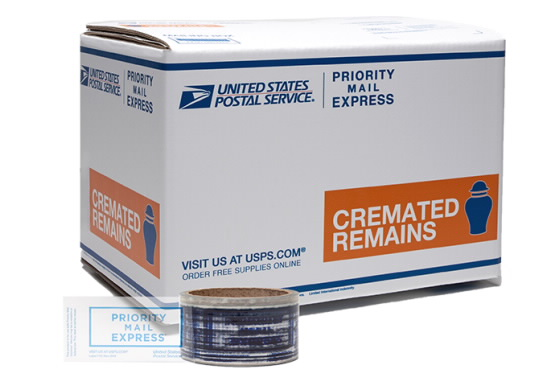
Shipping cremated remains requires USPS Priority Mail Express with special labeling, sealed packaging, and required documentation, though some families choose solidified remains for simpler logistics without postal restrictions. Understanding these federal requirements ensures your loved one's remains arrive safely and legally at their destination. The U.S. cremation
Research
Cremation jewelry offers a deeply personal way to carry the memory of your loved one with you every day. These special pieces hold a small amount of cremated remains, allowing you to maintain a physical connection while honoring their memory in a beautiful, wearable form. When someone you love dies,
Research
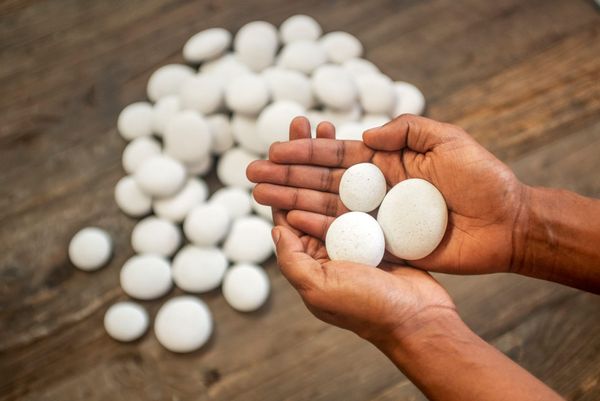
Cremation stones are solidified remains created through a scientific process that transforms cremated ashes into smooth, touchable stone-like objects. The U.S. cremation rate reached 61.9% in 2024 (NFDA), creating demand for innovative memorial solutions beyond traditional urns. Parting Stone's proprietary solidification process, validated by Los Alamos
Grief
Are grief support groups right for you? Learn about different types of grief groups and how to find one that feels safe and helpful.
Family members grieve differently, which can cause conflict. Learn to navigate family grief dynamics and support each other through loss.
Research
Yes, cremated ashes are completely safe to touch and pose no health risks to living people. Cremated remains are sterile, non-toxic, and composed primarily of calcium phosphates and mineral salts that present no danger when handled directly. The cremation process, which operates at temperatures between 1,400-1,800°F, eliminates
Research
Yes, anger is completely normal and common during grief. The loss of someone significant creates overwhelming helplessness, disrupts daily routines, and challenges our fundamental sense of control, naturally triggering anger as a psychological defense mechanism. Feeling angry when someone dies doesn't mean you're grieving wrong—it
Discover how to build a grief support system that truly helps. Learn how to identify your inner circle, find compassionate companions, and create a network that supports healing on your terms.