
Can Grief Cause Physical Pain?
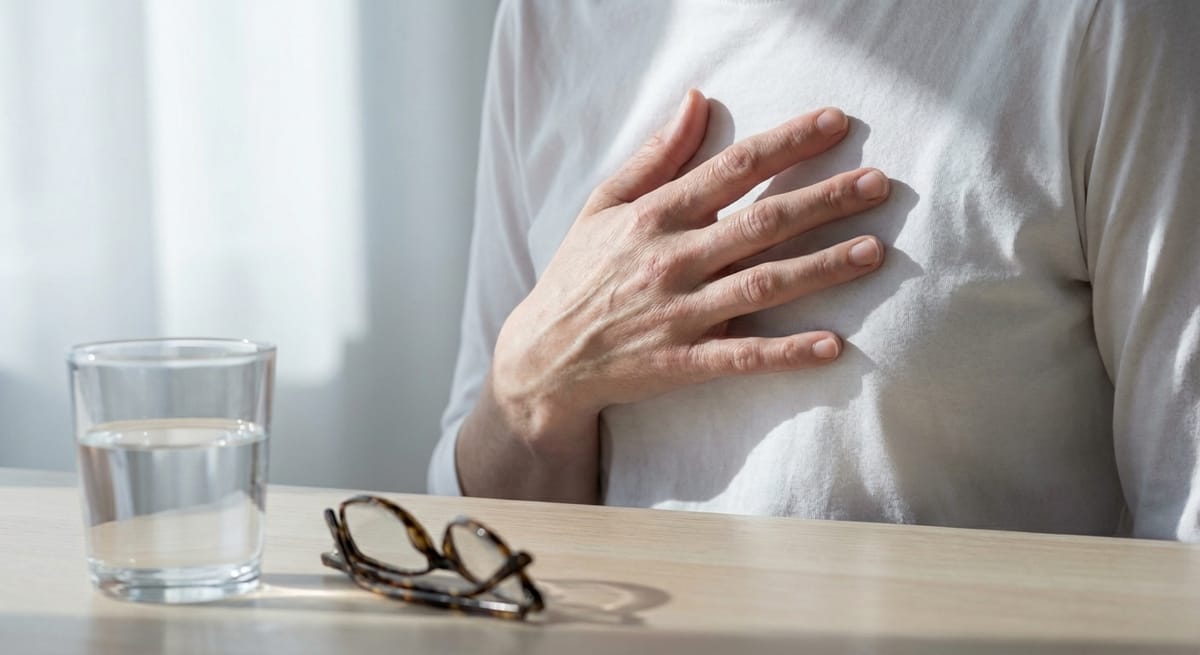
Yes, grief can cause significant physical pain. The physiological response to loss triggers genuine bodily symptoms including chest tightness, muscle aches, headaches, and digestive issues through stress hormone release and nervous system activation. According to research published in Psychosomatic Medicine analyzing bereaved spouses, individuals experiencing high grief symptoms demonstrated a 45% increase in interleukin-6 (IL-6), a key inflammatory marker, following stress exposure compared to those with lower grief symptoms (Grief Symptoms Promote Inflammation During Acute Stress, 2022). The connection between emotional and physical pain stems from shared neural pathways in the brain's anterior cingulate cortex, which processes both types of suffering through overlapping circuits. When you're ready, Parting Stone's solidification process transforms cremated remains into smooth, touchable memorial stones that families find comforting during the embodied experience of grief.

A New Way to Hold Close What Matters Most
We transform cremated remains into beautiful, touchable stones that bring comfort when you need it. Something you can hold, share, and keep close.
Understanding the Mind-Body Connection in Grief
Grief activates the same brain regions responsible for processing physical pain. When someone experiences significant loss, the anterior cingulate cortex (ACC) and insula respond in ways that closely mirror their response to physical injury or illness. Research published in neuroimaging studies confirms that these brain regions are activated together during grief, social rejection, and physical pain experiences (Gundel et al., 2003; O'Connor et al., 2008). This neurological overlap explains why phrases like "heartbreak" and "gut-wrenching" accurately describe grief's physical dimension rather than serving as mere metaphors.
The autonomic nervous system responds to loss by flooding the body with stress hormones including cortisol, adrenaline, and norepinephrine. These chemicals prepare the body for threat response, causing muscle tension, elevated heart rate, and shallow breathing patterns. When grief persists beyond immediate acute phases, chronic hormone elevation creates sustained physical discomfort that manifests differently across individuals. A systematic review examining 41 years of bereavement research found that bereaved individuals consistently demonstrate higher levels of systemic inflammation, altered immune cell gene expression, and reduced antibody responses compared to non-bereaved controls (Knowles et al., 2019).
Cardiovascular symptoms represent the most frequently reported physical manifestations of grief. A landmark study published in Circulation: Journal of the American Heart Association examining nearly 2,000 heart attack survivors found that the risk of heart attack was 21 times higher in the first 24 hours after losing a loved one compared to baseline (Mostofsky et al., 2012). This elevated risk remained approximately six times higher during the first week following loss. The phenomenon known as "broken heart syndrome" (takotsubo cardiomyopathy) demonstrates how intense emotional pain can literally affect heart function through temporary weakening of cardiac muscle tissue.
For families navigating loss, Parting Stone's memorial stones provide a tangible way to maintain connection during periods of intense physical and emotional distress. Many families report that holding their loved one's stones brings a sense of calm during moments when grief manifests most intensely in their bodies. Learn more about the physical side of grief and why your body hurts when your heart does.
 Parting Stone Editors
Common Physical Symptoms Experienced During Grief
Musculoskeletal pain affects the majority of grieving individuals. Tension headaches, neck stiffness, shoulder pain, and lower back discomfort stem from prolonged muscle contraction triggered by stress response activation. The body maintains a defensive posture unconsciously, leading to chronic tightness that persists even during rest periods. Research documents that grief experiences commonly consist of bodily discomfort such as chest pain, nausea, headaches, fatigue, and sleep disruption (Furnes & Dysvik, 2010).
Gastrointestinal disruption manifests through nausea, loss of appetite, diarrhea, constipation, and stomach pain. The gut-brain axis directly connects emotional processing centers with digestive function through the vagus nerve. When grief activates stress responses, digestion slows or accelerates unpredictably, creating discomfort that compounds emotional distress. The relationship between grief and the gut microbiome continues to be studied, with evidence suggesting that chronic stress can induce changes that affect overall digestive health (UCLA Health, 2024).
Sleep disturbances create additional physical burden. Difficulty falling asleep, frequent waking, early morning awakening, and non-restorative sleep patterns prevent the body from completing essential repair processes. Without adequate rest, pain sensitivity increases, immune function declines, and existing physical symptoms intensify. The relationship between poor sleep and heightened pain perception creates a reinforcing cycle that prolongs physical grief symptoms. For more on this topic, read about when grief steals your sleep.
Profound fatigue extends beyond normal tiredness, manifesting as exhaustion that persists despite rest. Grieving individuals describe feeling physically heavy, moving through thickened air, or experiencing limbs that don't respond normally. This fatigue stems from the enormous energy expenditure required for emotional processing combined with disrupted sleep and stress hormone effects. Many grieving individuals also experience grief brain fog and cognitive difficulties alongside physical exhaustion. For instance, one widow experiencing persistent exhaustion found comfort in holding her husband's solidified remains, stating that the tangible connection required no energy yet provided meaningful support during her most depleted moments.
@chloebluffcakes Thank you @partingstone 🤍 youve given me an unimaginable gift. One day I will share these with my little sister and carry her wherever we go in life together. #grief #partingstone #loss
♬ Repeat Until Death - Novo Amor
Why Physical Pain Accompanies Emotional Loss
The neurochemical explanation centers on neurotransmitter disruption. Grief depletes serotonin, dopamine, and endorphins, the same chemicals that regulate pain perception and mood. Lower levels of these neurotransmitters increase pain sensitivity while simultaneously reducing the body's natural pain management capacity. This dual effect explains why minor physical discomforts feel magnified during grief periods. The brain's reward system, particularly the nucleus accumbens, continues to "search" for the person who is gone, creating intense yearning that manifests both emotionally and physically (Lindner Center of HOPE, 2025).
Immune system suppression occurs through prolonged cortisol elevation. While short-term stress responses enhance immune readiness, chronic activation suppresses immune cell production and function. Research examining bereaved individuals found that the effectiveness of certain white blood cells, which fight off infection, was measurably reduced (UCLA Health, 2021). A study published in Open Heart found that the risk of atrial fibrillation (irregular heartbeat) was 41% higher among people grieving the death of a partner, with effects greatest 8-14 days after death and only easing completely after a year.
Inflammation increases throughout the body during grief. Pro-inflammatory cytokines rise in response to psychological stress, contributing to widespread pain, joint stiffness, and general malaise. Research published in Psychoneuroendocrinology found that people experiencing intense grief showed significantly higher levels of inflammation compared to those with lower grief severity (HealthyWomen, 2025). This inflammatory response contributes to the increased rates of chronic obstructive pulmonary disorder, stroke, pneumonia, sepsis, and flu observed in bereaved populations.
The concept of "somatic memory" describes how the body stores trauma and loss experiences. Physical sensations associated with the loss moment become encoded in muscle tissue, nervous system patterns, and bodily reactions. These somatic memories trigger physical pain when activated by grief reminders, creating episodes of bodily discomfort that seem disconnected from immediate circumstances but directly relate to loss processing. Parting Stone's solidified remains offer families a healthy way to engage with these somatic experiences, providing touchable connection that supports physical and emotional processing at their own pace.
@ohthatjenny If you would like more information on Parting Stone and the process please dont hesitate to ask. I feel so confident that Chris would love this way of keeping his memory alive. He is SO missed and loved still and always. #partingstone #partingstones #lifeafterloss #griefandloss @PartingStone
♬ original sound - Jenny
The Timeline of Physical Grief Symptoms
Acute phase symptoms emerge immediately following loss notification and persist for approximately 6-12 weeks. During this period, physical manifestations often feel most intense and unpredictable. Chest pain, nausea, dizziness, and profound fatigue characterize this initial response as the body grapples with shock and disbelief. Many individuals describe this phase as feeling physically sick, with symptoms resembling flu or other systemic illness. Research indicates that more than half of recently widowed persons reported physical symptoms such as sleep disturbances, fatigue, concentration problems, and loss of appetite during this period (Richardson et al., 2012). Learn more about what to expect in early grief during the first six months after loss.
Intermediate phase symptoms extend from 3-18 months post-loss, characterized by fluctuating physical discomfort that intensifies around grief triggers. Anniversaries, holidays, and unexpected reminders can precipitate acute symptom return even when baseline function has improved. The body remains hyper-vigilant during this phase, maintaining elevated stress responses that create ongoing physical vulnerability. However, symptoms such as rapid heartbeat and chest pain typically exhibit marked declines over time compared to acute phase presentation. For guidance on navigating difficult days, see our grief survival guide.
Long-term integration typically begins 18+ months following loss, though timelines vary dramatically across individuals and loss circumstances. Physical symptoms generally decrease in frequency and intensity as the nervous system gradually recalibrates. However, approximately 10-15% of bereaved individuals develop prolonged grief disorder with persistent physical manifestations that continue indefinitely, particularly when grief remains complicated or unprocessed. For these individuals, specialized intervention addressing both physical symptoms and underlying grief processing becomes essential. A systematic review of PGD research found that 72% of studies established a significantly strong or moderate association between prolonged grief and physical or somatic illness.
 Parting Stone Editors
Medical Conditions That Can Develop From Prolonged Grief
Cardiovascular disease risk increases substantially during bereavement periods. The research published in Circulation demonstrated that widows and widowers face significantly higher risks of cardiovascular events during the first months following spouse death (Mostofsky et al., 2012). This risk elevation stems from acute stress hormone surges combined with grief-related behaviors including poor nutrition, medication non-compliance, and reduced physical activity. Psychological stress increases heart rate, blood pressure, and blood clotting, all factors that elevate cardiac risk.
Prolonged grief disorder (PGD), affecting approximately 10-15% of bereaved individuals, manifests with persistent physical symptoms alongside intense emotional suffering. This condition, formally recognized in the ICD-11 in 2018, involves sustained physical pain that doesn't resolve through normal grief progression. PGD impacts caregiver health, somatic distress, insomnia, and comorbid chronic diseases. The findings align with PTSD research, showing clinically relevant psychological and medical effects.
Broken heart syndrome (takotsubo cardiomyopathy) represents a stress-related heart condition where part of the heart temporarily enlarges and doesn't pump well. First described in Japan in 1990, this condition is typically triggered by severe emotional or physical stress, including the death of a loved one. According to the American Heart Association, in 85% of cases, takotsubo is triggered by an emotionally or physically stressful event. The condition produces the same sudden heart symptoms as a heart attack even when coronary arteries are clear. About 90% of takotsubo patients are women, with mean age around 68 years (Harvard Health, 2023).
Frequently Asked Questions
Is chest pain from grief dangerous?
Chest pain from grief typically reflects stress-induced muscle tension and anxiety responses rather than cardiac damage. The sensation stems from intercostal muscle tightness, rapid breathing patterns, and heightened awareness of normal heart activity. Most grief-related chest pain feels tight or heavy rather than sharp or crushing, doesn't radiate to arms or jaw, and improves with rest or relaxation techniques. However, bereaved individuals face elevated cardiac risk during acute grief phases. The Circulation study showed heart attack risk is 21 times higher in the first 24 hours after loss. Professional evaluation is appropriate when chest pain feels severe, progressively worsens, or accompanies other concerning symptoms including shortness of breath, nausea, or cold sweats.
Can grief make existing chronic pain worse?
Grief consistently exacerbates pre-existing chronic pain conditions through multiple physiological mechanisms. Stress hormone elevation increases inflammation throughout the body, intensifying pain signals from already sensitive areas. Sleep disruption during grief prevents the restorative processes that normally modulate chronic pain, leading to heightened pain perception. Depression and anxiety accompanying grief alter neurotransmitter balance in ways that reduce natural pain regulation capacity. Research examining the relationship between bereavement and inflammation found that cytokines are involved in increasing the body's sensitivity to pain during grief periods (UCLA Health, 2024). Managing grief's impact on chronic pain requires integrated approaches addressing both emotional processing and pain management strategies.
How long does physical pain from grief typically last?
Physical grief pain duration varies dramatically based on multiple factors including loss circumstances, individual physiology, support availability, and prior trauma history. Acute physical symptoms typically peak during the first 6-12 weeks following loss, gradually decreasing over subsequent months as the nervous system recalibrates. Most individuals experience substantial reduction in physical symptoms by 6-12 months post-loss, though fluctuations around anniversaries and grief triggers remain common. Research on bereavement found that symptoms such as rapid heartbeat and chest pain exhibited marked declines over the first year and a half (Richardson et al., 2012). However, those with prolonged grief disorder may experience persistent physical manifestations extending well beyond typical timelines, requiring specialized support. For more information, read about anniversary grief and why sadness returns.
Does crying help reduce physical grief pain?
Crying provides genuine physiological benefits that can alleviate some physical grief symptoms. Emotional tears contain stress hormones including cortisol, physically removing these chemicals from the body through tear production. The act of crying activates parasympathetic nervous system responses that counteract stress-induced muscle tension and elevated heart rate. Deep breathing associated with sobbing increases oxygen intake and promotes relaxation of tight muscles. Many individuals report feeling physically lighter or less tense following crying episodes. However, crying alone doesn't eliminate grief's physical manifestations, and some people experience headaches or fatigue following intense crying sessions. The relief crying provides represents one component of healthy grief processing.
What is the difference between grief pain and depression pain?
Grief pain and depression pain overlap substantially but show distinguishing features. Grief-related physical symptoms typically fluctuate with grief triggers, intensifying around anniversaries, locations, or reminders while decreasing during neutral periods. Depression pain tends toward more constant, pervasive quality without clear triggering patterns. Grief maintains connection to the specific loss with pain serving as continuing bond expression, while depression pain often feels meaningless or disconnected from identifiable causes. Grief generally preserves capacity for positive emotions during respite periods, whereas depression creates more global emotional numbing. However, grief and depression frequently coexist, with major depressive disorder developing in approximately 15-20% of bereaved individuals.
When should I seek professional help for grief-related physical pain?
Professional consultation is warranted when physical symptoms persist beyond 3-4 months without improvement, or earlier when symptoms significantly impair work, relationships, or self-care capacity. Mental health professionals specializing in grief and loss provide essential support for complicated grief presentations. Signs requiring professional support include persistent depression or anxiety that interferes with daily life, inability to return to work after a reasonable adjustment period, complete isolation from friends and family, substance use as a coping mechanism, or physical symptoms that don't have medical explanations after evaluation. Integrated care teams offer optimal support by addressing both physical symptoms and underlying grief processing needs.
Can physical pain from grief be prevented?
Complete prevention remains unrealistic given grief's neurobiological inevitability. The body will respond to significant loss with stress responses that generate physical symptoms. However, proactive strategies can minimize symptom severity and duration. Early grief support including counseling, support groups, or grief education programs correlates with reduced physical symptom burden. Maintaining basic self-care during acute grief phases, including adequate nutrition, forced rest periods, and minimal physical movement, prevents additional physical burden accumulation. Social connection provides buffering effects against grief's most severe physical manifestations, as the presence of empathic witnesses who validate both emotional and physical grief experiences reduces nervous system threat responses.
How do I manage physical pain from grief?
Gentle movement practices support pain management without requiring intense exercise commitment. Walking for 15-20 minutes daily helps regulate stress hormones, improves sleep quality, and reduces muscle tension. Body-based therapies including massage, acupuncture, and physical therapy directly address grief's physical manifestations. Mindfulness and somatic experiencing approaches help individuals recognize and respond to physical grief symptoms. Pain management should incorporate both conventional and complementary approaches, including over-the-counter pain relievers for acute symptoms, heat or cold therapy for localized relief, and sleep hygiene practices. Many families find that having something tangible to hold during difficult moments provides comfort without requiring significant energy expenditure. For comprehensive guidance, see our article on how to cope with grief in the first months of loss.
What physical symptoms indicate I need emergency care?
Emergency evaluation becomes necessary when physical symptoms suggest potentially life-threatening conditions. Chest pain that feels crushing, radiates to arms, jaw, or back, or accompanies shortness of breath, nausea, or sweating requires immediate cardiac assessment. Severe headache with sudden onset, especially with vision changes, confusion, weakness, or difficulty speaking, warrants stroke evaluation. Severe abdominal pain, particularly with fever, persistent vomiting, or bloody stools, needs urgent medical attention. Difficulty breathing that doesn't improve with rest, sustained rapid heart rate exceeding 120 beats per minute at rest, or chest pain preventing normal activities all justify emergency department visits. While grief produces genuine physical discomfort, it shouldn't prevent breathing or create severe unrelenting pain.
What Families Say About Finding Comfort
"When his stones arrived I felt a calm throughout my body that I haven't felt since I lost him. Knowing I can have him with me puts me at peace whenever I leave the house." — Catherine 🖤
"When I feel overwhelmed with emotions, I reach for a stone and know that I have the heart of my loved one to keep me strong. When you have emotions, reach for the stone and hold it to your heart. You will feel that push to get you through the hard times." — Linda V., Albuquerque, New Mexico 🖤
"I fall asleep holding one of the stones each night. Each day I carry one in my pocket. It makes the grieving process a soothing one. Parting Stone has made my grieving process a gentle loving experience." — Parting Stone Customer, San Jose, California 🖤
"I have multiple sclerosis and I am blind. When I picked up the stones and felt it today, I sobbed and held the stone tight. It felt so beautiful and reminded me, that although my brother had his addictions, he was my angel." — Parting Stone Customer 🖤
"A PEACEFUL FEELING WARMED MY HEART as I looked at and felt the beautifully polished stones. Thank you for taking such good care of my dearly departed wife. I will carry her in my pocket wherever I go." — Terry 🖤
"The loss of my husband has been devastating. Being able to have this stone with me at all times has made me feel like he is with me. I find myself touching it throughout the day." — Debbie K., Illinois 🖤
"Picking up and rubbing the stone has a soothing effect and gives me the ability to take a deep breath and release some of the everyday stress. Having the ability to actually touch her is amazing to me." — Sharon R., Richmond, Virginia 🖤

Finding Support During Physical Grief
Physical pain during grief represents a normal, biological response to loss. Understanding that your body is processing an enormous stressor can help normalize the experience without dismissing the genuine discomfort you feel. The research consistently demonstrates that grief affects multiple body systems, from cardiovascular function to immune response to inflammatory markers. Recognizing grief as a brain-based process helps reduce stigma, validates the lived experience of mourners, and opens the door to holistic treatment approaches.
When you're ready, many families find that having something tangible to hold during moments of physical distress provides unexpected comfort. Parting Stone's solidified remains transform cremated ashes into 40-80+ smooth, touchable memorial stones that families can hold, carry, share, and display. At $2,495 for human remains and $1,195 for pet remains, this service provides an alternative to traditional urns that many families find more comforting during the embodied experience of grief. Learn more about what solidified remains are and how the process works.
There is no timeline for healing, and whatever brings you comfort during this difficult time deserves space in your grieving process.
References
Buckley, T., Sunari, D., Marshall, A., Bartrop, R., McKinley, S., & Tofler, G. (2012). Physiological correlates of bereavement and the impact of bereavement interventions. Dialogues in Clinical Neuroscience, 14(2), 129-139. https://pmc.ncbi.nlm.nih.gov/articles/PMC3384441/
Furnes, B., & Dysvik, E. (2010). Dealing with grief related to loss by death and chronic pain: An integrated theoretical framework. Part 1. Patient Preference and Adherence, 4, 135-140. https://pmc.ncbi.nlm.nih.gov/articles/PMC2898114/
Gundel, H., O'Connor, M. F., Littrell, L., Fort, C., & Lane, R. D. (2003). Functional neuroanatomy of grief: An fMRI study. American Journal of Psychiatry, 160(11), 1946-1953.
Knowles, L. M., Ruiz, J. M., & O'Connor, M. F. (2019). A systematic review of the association between bereavement and biomarkers of immune function. Psychosomatic Medicine, 81(5), 415-433. https://pubmed.ncbi.nlm.nih.gov/30950921/
Lindner Center of HOPE. (2025, October 6). The biology of grief: How the brain responds to loss and what it means for mental health treatment. https://lindnercenterofhope.org/blog/the-biology-of-grief-how-the-brain-responds-to-loss-and-what-it-means-for-mental-health-treatment/
Mostofsky, E., Maclure, M., Sherwood, J. B., Tofler, G. H., Muller, J. E., & Mittleman, M. A. (2012). Risk of acute myocardial infarction after the death of a significant person in one's life: The Determinants of Myocardial Infarction Onset Study. Circulation, 125(3), 491-496. https://www.ahajournals.org/doi/10.1161/CIRCULATIONAHA.111.061770
O'Connor, M. F. (2019). Grief: A brief history of research on how body, mind, and brain adapt. Psychosomatic Medicine, 81(8), 731-738. https://www.ncbi.nlm.nih.gov/pmc/articles/PMC6844541/
O'Connor, M. F., & Seeley, S. H. (2022). Grief, complicated grief, and the DSM: A critical review. Annual Review of Clinical Psychology, 18, 339-362.
Richardson, V. E., Bennett, K. M., Carr, D., Lund, D., & Moorman, S. M. (2012). Grief, depressive symptoms, and physical health among recently bereaved spouses. Gerontologist, 52(4), 460-471. https://pmc.ncbi.nlm.nih.gov/articles/PMC3391379/
Templin, C., et al. (2015). Clinical features and outcomes of takotsubo (stress) cardiomyopathy. New England Journal of Medicine, 373(10), 929-938.
UCLA Health. (2021, February 1). Grief can cause not just psychological pain. https://www.uclahealth.org/news/article/grief-can-cause-not-just-psychological-pain
UCLA Health. (2024, February 21). How does grief affect your body? https://www.uclahealth.org/news/article/how-does-grief-affect-your-body