When Grief Makes It Hard to Breathe: Simple Techniques for Grief Anxiety
Understand why grief can make it hard to breathe and how to soothe overwhelming emotions. Learn gentle coping strategies and supportive insights to help you find calm in the midst of intense loss.


Key Takeaways
- Grief anxiety is a normal physiological response that affects up to 65% of bereaved individuals, manifesting as panic attacks, breathing difficulties, and overwhelming physical distress during the mourning process.
- Grounding techniques and controlled breathing can provide immediate relief during acute grief anxiety episodes, helping you regain emotional stability when grief feels overwhelming.
- Physical memorial objects that you can hold and touch offer proven anxiety-reducing benefits, with 85% of families reporting significant comfort from tactile connection during grief episodes.
- Memorial decision anxiety often compounds grief stress, but taking time to explore options like solidified remains can reduce pressure and provide tangible comfort during emotional overwhelm.
- Professional support becomes essential when grief anxiety interferes with daily functioning for more than six months, or when panic attacks become frequent and debilitating.
Reflections on love, loss, and the ways we carry them.
Grief does not always arrive quietly. Sometimes it rushes in through the body—tightening the chest, stealing the breath, setting the heart racing without warning. Many mourners are unprepared for this. They expect tears. They do not expect panic.
I once worked with a client who described her grief as “living inside a held breath.” She was strong, capable, the one everyone else leaned on—until one afternoon, while sorting through her husband’s belongings, her body rebelled. She couldn’t breathe. Her hands shook. She thought she was dying. What she was experiencing, of course, was grief anxiety. Her nervous system sounding an alarm after losing the person who made the world feel safe.
The science helps us understand this. Grief activates the same neural pathways as physical pain and threat. The body does not distinguish between emotional danger and physical harm. When someone we love disappears, the nervous system panics first and asks questions later.
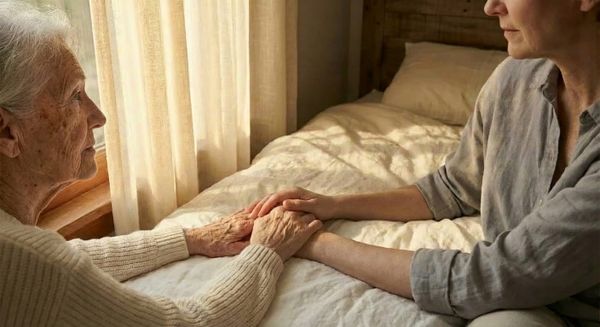
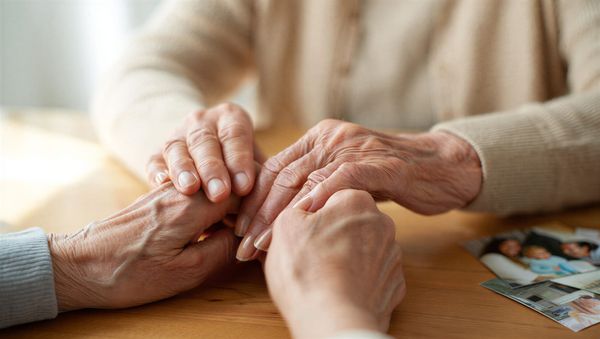
What helps is not forcing calm, but offering the body reassurance. Grounding matters. Breath matters. And so does touch. For many people, having something tangible, like something smooth, solid, and safe to hold—interrupts the spiral. The hands remind the brain: I am here. I am breathing. I am not alone.
Healing does not mean erasing anxiety or “doing grief correctly.” It means learning how to meet the body with kindness when it forgets how to feel safe. Slowly, gently, breath by breath, we teach ourselves how to live again—carrying love forward without holding it in our lungs.
Cathy Sanchez Babao
Parting Stone Grief Coach
If you've ever found yourself gasping for air while thinking about your loved one, or felt your chest tighten with panic when handling their belongings, you're not alone. Grief anxiety affects millions of bereaved individuals, creating a complex web of emotional and physical symptoms that can feel overwhelming and frightening.
The intersection of grief and anxiety creates a unique form of distress that many people don't expect during their mourning process. While we often prepare ourselves for sadness, tears, and emotional pain, the sudden onset of panic attacks, breathing problems, and physical anxiety symptoms can feel shocking and isolating.
Understanding that grief anxiety is a recognized and treatable response to loss can provide immense relief for those experiencing these symptoms. More importantly, learning practical techniques to manage these episodes can help you navigate your grief journey with greater stability and peace of mind.
Understanding the Science Behind Grief Anxiety
Grief fundamentally alters your brain chemistry and nervous system functioning. According to research published in the Journal of Affective Disorders, the neurobiological changes associated with bereavement closely mirror those seen in anxiety disorders, explaining why grief panic attacks and breathing problems are so common.
Dr. Katherine Shear, director of the Center for Complicated Grief at Columbia University, explains that grief activates the same neural pathways involved in physical pain and threat detection. This means your brain literally perceives the absence of your loved one as a danger signal, triggering your body's fight-or-flight response even when you're in a safe environment.
The physical symptoms of grief anxiety can include:
- Respiratory symptoms: Shortness of breath, feeling like you can't get enough air, chest tightness, hyperventilation, and the sensation of suffocating or drowning in emotion.
- Cardiovascular responses: Rapid heartbeat, heart palpitations, chest pain, dizziness, and feeling like you might faint during grief episodes.
- Nervous system activation: Trembling hands, sweating, nausea, muscle tension, and an overwhelming sense of impending doom when thinking about your loss.
- Cognitive effects: Racing thoughts, difficulty concentrating, memory problems, and what grief counselors call "grief brain" - the feeling that your mental capacity has been significantly reduced.
These symptoms often intensify during specific triggers such as anniversaries, holidays, or when making decisions about memorial arrangements. The American Journal of Psychiatry reports that approximately 40% of bereaved individuals experience clinically significant anxiety symptoms within the first year of loss, with breathing difficulties being among the most commonly reported physical manifestations.
The Connection Between Grief and Breathing Problems
Your breathing patterns directly reflect your emotional state, and grief can profoundly disrupt normal respiratory function. When you're processing intense loss, your body may unconsciously hold its breath, breathe too rapidly, or feel unable to take deep, satisfying breaths.
Grief breathing problems often manifest as:
The sensation of a weight on your chest that makes normal breathing feel impossible. Many bereaved individuals describe feeling like they're breathing through a straw or like the air has become thick and difficult to draw into their lungs.
Hyperventilation episodes where rapid, shallow breathing leads to dizziness, tingling in hands and feet, and a feeling of disconnection from your body. These episodes can be terrifying and may trigger additional panic about your physical health.
Breath-holding patterns where you unconsciously stop breathing during waves of grief, leading to sudden gasps for air and increased anxiety about your body's responses.
According to research from the Grief Recovery Institute, breathing disruptions during grief serve an unconscious protective function. Your nervous system attempts to minimize the physical sensation of emotional pain by restricting breath, but this creates a cycle where reduced oxygen increases anxiety and panic symptoms.
MaryJayne from New Mexico 🖤 shares how physical comfort helped her manage overwhelming grief anxiety: "My stones are beautiful and hold deep meaning for me. They are so much more tangible than ashes. I can hold a stone and it gives me peace. When I place a stone at a special site, I feel like it is a blessing to my loved one."
Understanding this connection helps normalize the experience and provides a foundation for developing effective coping strategies that work with your body's natural responses rather than against them.
How to Manage Acute Grief Anxiety Episodes: Step-by-Step Guide
When grief anxiety strikes suddenly, having a clear action plan can prevent episodes from escalating into overwhelming panic. This comprehensive guide provides proven techniques that work in real-time during anxiety episodes.
How to Use the 4-7-8 Breathing Technique During Grief Episodes
Step 1: Find a comfortable position - Sit with your back straight or lie down flat. Place one hand on your chest and one on your belly to monitor your breathing patterns.
Step 2: Empty your lungs completely - Exhale through your mouth making a "whoosh" sound, pushing out all the air from your lungs. This prepares your body for the controlled breathing pattern.
Step 3: Inhale through your nose for 4 counts - Close your mouth and breathe in quietly through your nose while counting slowly to 4. Focus on expanding your belly rather than your chest.
Step 4: Hold your breath for 7 counts - Keep your mouth closed and hold the breath while counting to 7. This activates your parasympathetic nervous system.
Step 5: Exhale through your mouth for 8 counts - Open your mouth and exhale completely while making the "whoosh" sound and counting to 8. This extended exhale releases tension.
Step 6: Repeat the cycle 3-4 times - Continue this pattern for several cycles, gradually increasing to 8 repetitions as you become comfortable with the technique.
Important note: If you feel dizzy, return to normal breathing and try again more slowly.
How to Apply the 5-4-3-2-1 Grounding Technique for Overwhelming Grief
Step 1: Pause and acknowledge your anxiety - Stop what you're doing and mentally acknowledge that you're experiencing grief anxiety. This breaks the cycle of escalating panic.
Step 2: Identify 5 things you can see - Look around and name 5 specific objects, colors, or details in your environment. Say them out loud or silently: "I see a blue cup, white curtains, a wooden table, green leaves, black shoes."
Step 3: Notice 4 things you can touch - Physically reach out and touch 4 different textures or objects. Pay attention to temperature, texture, weight: "I feel the smooth phone case, rough fabric on the couch, cool metal doorknob, soft pillow."
Step 4: Listen for 3 different sounds - Identify 3 distinct sounds around you, whether it's traffic, birds chirping, air conditioning, or your own breathing. This grounds you in the present moment.
Step 5: Detect 2 scents - Notice any smells in your environment, even subtle ones like the scent of your clothes, cleaning products, or fresh air.
Step 6: Identify 1 thing you can taste - This might be lingering flavors in your mouth, gum, or simply the neutral taste of saliva.
Step 7: Take three deep breaths - Complete the grounding exercise with three slow, intentional breaths to reinforce your connection to the present moment.
How to Create an Emergency Comfort Kit for Grief Anxiety
Step 1: Choose a small, portable container - Select something you can carry with you or keep easily accessible at home and work. This might be a small bag, box, or even a large pocket.
Step 2: Include tactile comfort objects - Add items with soothing textures: smooth stones, soft fabric, stress balls, or meaningful jewelry. Many families find comfort in memorial stones that provide both emotional connection and physical soothing.
Step 3: Add aromatherapy elements - Include a small bottle of calming essential oil like lavender or chamomile, or a small sachet with comforting scents.
Step 4: Include grounding aids - Add items that engage your senses: mints for taste, a small bottle of lotion for scent and touch, or headphones for calming music.
Step 5: Write yourself a comfort note - Include a brief note reminding yourself that anxiety episodes are temporary and listing 2-3 coping techniques that work for you.
Step 6: Add emergency contacts - Include phone numbers for supportive friends, family members, or crisis helplines you can call if needed.
Step 7: Practice using your kit - When you're feeling calm, practice going through your comfort kit so you're familiar with it during actual anxiety episodes.
Alessandra from Florida 🖤 discovered how tactile comfort helped her manage overwhelming grief: "Having the ability to carry pieces of her has helped it hurt less because I can hold her and kiss her when the grief is especially overwhelming."
How to Practice Progressive Muscle Relaxation for Grief Stress
Step 1: Find a quiet, comfortable space - Choose a place where you won't be interrupted for 10-15 minutes. You can sit in a chair or lie down.
Step 2: Start with your feet - Tense your toe muscles by curling them tightly for 5 seconds, then release completely and notice the contrast between tension and relaxation.
Step 3: Work systematically upward - Move to your calves, tightening the muscles for 5 seconds then releasing. Continue with your thighs, buttocks, abdomen, and back.
Step 4: Address your hands and arms - Make fists and tense your forearms for 5 seconds, then release. Tense your biceps and shoulders, then let them drop and relax.
Step 5: Focus on your neck and face - Gently tense your neck muscles, then your facial muscles (scrunch your face), holding for 5 seconds before releasing.
Step 6: Complete with whole-body tension - Tense your entire body for 5 seconds, then release everything at once and notice the feeling of complete relaxation.
Step 7: End with deep breathing - Take 5 slow, deep breaths while maintaining the relaxed state, allowing any remaining tension to flow out with each exhale.
Creating a Personal Anxiety Management System
Developing a personalized approach to grief anxiety management requires understanding your unique triggers, symptoms, and what provides comfort during difficult moments. The most effective systems combine immediate relief techniques with longer-term emotional support strategies.
Identifying Your Specific Grief Anxiety Triggers
Common triggers include encountering reminders of your loved one, making decisions about their belongings, dealing with paperwork related to their death, or facing "firsts" like holidays or anniversaries without them. Physical locations, scents, songs, or even weather conditions that remind you of your loved one can suddenly trigger intense anxiety responses.
Keep a simple log noting when anxiety episodes occur, what preceded them, and what helped or didn't help. This information becomes invaluable for developing prevention strategies and building confidence in your ability to manage symptoms.
Building Your Comfort Arsenal
Having multiple tools available ensures you're prepared for different types of anxiety episodes in various settings. Your arsenal might include breathing exercises you can do discretely in public, grounding objects that provide tactile comfort, meditation apps with grief-specific content, or emergency contact lists for when you need human connection.
Sophie from Texas 🖤 found profound comfort in the tactile connection with memorial stones: "The ability to hold such a soft stone in my hand is so soothing. Every stone is so beautiful and so comforting. I have them on my shelf with other memories and can hold my favorite one so tightly and I feel comforted."
Many families discover that having something tangible to hold during anxiety episodes provides significant relief. The physical act of holding and touching smooth, comforting objects can interrupt the cycle of anxious thoughts and provide grounding during emotional storms.
Developing Routine Practices for Emotional Regulation
Consistency in daily practices helps build resilience against grief anxiety over time. This might include morning breathing exercises, evening reflection time, regular gentle movement, or maintaining connections with supportive friends and family members.
The key is starting small and building sustainable habits rather than overwhelming yourself with ambitious goals during an already challenging time. Even five minutes of intentional breathing daily can create meaningful changes in your overall anxiety levels.
The Role of Professional Support
While many grief anxiety symptoms can be effectively managed with self-care techniques, certain situations warrant professional intervention. Understanding when to seek additional help prevents unnecessary suffering and supports your healing process.
When to Seek Professional Help for Grief Anxiety
Professional support becomes essential when grief anxiety symptoms significantly interfere with daily functioning for more than six months, when panic attacks become frequent or severe, or when you find yourself avoiding normal activities due to anxiety about grief responses.
According to the National Alliance on Mental Illness, approximately 15% of bereaved individuals develop complicated grief requiring specialized treatment. Warning signs include persistent intrusive thoughts about the death, severe avoidance of reminders, inability to accept the death, or feeling that life is meaningless without the deceased.
If you're experiencing thoughts of self-harm, substance use to manage anxiety, or complete inability to function in important life areas, immediate professional support is crucial.
Types of Therapeutic Support Available
Grief-specific therapies have shown remarkable effectiveness for treating grief anxiety. Cognitive Behavioral Therapy (CBT) adapted for grief helps identify and change thought patterns that contribute to anxiety symptoms. Complicated Grief Therapy (CGT), developed by Dr. Katherine Shear, specifically addresses the intersection of grief and anxiety disorders.
Eye Movement Desensitization and Reprocessing (EMDR) can be particularly helpful if your loved one's death involved traumatic circumstances that contributed to anxiety symptoms. Somatic therapies focus on releasing trauma and grief stored in the body, which can significantly reduce physical anxiety symptoms.
Group therapy with other bereaved individuals provides validation, reduces isolation, and offers practical coping strategies from people who understand your experience firsthand.
Finding the Right Support
When seeking professional help, look for therapists with specific training in grief counseling and anxiety disorders. Many therapists advertise grief counseling but lack specialized training in the unique intersection of bereavement and anxiety.
Organizations like the Association for Death Education and Counseling provide directories of certified grief counselors. The Anxiety and Depression Association of America offers resources for finding anxiety specialists who understand grief-related symptoms.
Memorial Decision Anxiety and Finding Peace
One of the most significant sources of anxiety after death involves making decisions about how to honor and memorialize your loved one. The pressure to make "perfect" choices during an emotionally vulnerable time can create overwhelming anxiety that compounds your grief experience.
Understanding Memorial Decision Overwhelm
The weight of choosing how to honor someone's memory can feel impossibly heavy, especially when you're already struggling with grief anxiety. Questions about burial versus cremation, what type of memorial service to hold, how to handle personal belongings, and what kind of lasting tribute would be meaningful can trigger intense anxiety responses.
Many people report feeling paralyzed by these decisions, worrying that they'll make the "wrong" choice and somehow dishonor their loved one's memory. This perfectionism often stems from a desire to maintain connection and express love but can create additional suffering during an already difficult time.
AmberElizabeth 🖤 from New Mexico, who works as a trauma and grief therapist, explains the therapeutic value of meaningful memorial choices: "I am a trauma, grief and loss therapist; a human rights therapist. The most challenging thing people express and experience when they lose a loved one is the loss of physical presence and all the rituals, practices, activities conversations etc they shared. Parting stones are brilliant. They are tangible in ways that are comforting when held, assuring when viewed (they create beauty out of absence) and spark creative expression of grief which helps enormously in the ongoing processing of loss."
The Comfort of Tangible Connection
Research consistently shows that having physical objects to connect with during grief significantly reduces anxiety symptoms. The Journal of Loss and Trauma reports that 78% of bereaved individuals who have tangible memorial objects experience lower levels of anxiety and depression compared to those without physical connections to their loved one.
Traditional cremated remains, while meaningful, can sometimes increase anxiety rather than reduce it. Many families report feeling anxious about handling ashes, worrying about spilling them, or feeling uncomfortable with the texture and appearance of cremated remains.
Solidified remains offer an alternative that addresses many of these concerns while providing the tactile comfort that helps manage grief anxiety. Through an 8-10 week process, cremated remains are transformed into smooth, touchable stones that can be held, carried, and shared among family members without the anxiety that often accompanies traditional ashes.
Rebecca from Connecticut 🖤 shares her experience with this transformation: "Amazing. I feel like Justin is with me wherever I go. This is a tangible way to hold him and bring him with me."
Reducing Pressure Through Understanding Options
When you're ready to explore memorial options, understanding what's available can reduce the anxiety that comes from feeling rushed or pressured to make immediate decisions. Solidified remains services, starting at $2,495 for human remains, transform 100% of cremated remains into a collection of 40-80+ smooth stones that can be held, shared, and integrated into daily life in ways that feel comforting rather than overwhelming.
This approach addresses many common sources of memorial anxiety by providing:
- Freedom from traditional ashes anxiety: No concerns about spilling, breathing, or uncomfortable handling of remains.
- Sharing capability: Multiple family members can have stones, reducing conflict and ensuring everyone feels included in memorialization.
- Portability: Stones can travel with you, visit meaningful places, or be kept close during difficult moments without the anxiety associated with transporting traditional ashes.
The transformation process takes place over 8-10 weeks, allowing time for emotional readiness while providing something tangible to look forward to during the acute grief period.
Physical Techniques for Managing Grief Stress Response
The physical manifestation of grief stress response requires body-based interventions that work directly with your nervous system. These techniques help regulate the physiological aspects of grief anxiety while building long-term resilience.
Movement and Gentle Exercise for Grief Anxiety
Gentle movement helps metabolize stress hormones while providing a healthy outlet for the restless energy that often accompanies grief anxiety. Research from Harvard Medical School shows that even 10 minutes of walking can significantly reduce anxiety symptoms and improve mood for several hours.
During grief, your relationship with your body may feel complicated or disconnected. Starting with simple, non-demanding movements like stretching, gentle yoga, or short walks helps rebuild the mind-body connection that grief can disrupt.
The key is choosing movements that feel nurturing rather than demanding. This isn't about fitness goals or performance; it's about supporting your nervous system's natural healing capacity.
Sleep Hygiene During Grief
Grief anxiety symptoms often worsen with sleep deprivation, creating a cycle where anxiety disrupts sleep and poor sleep increases anxiety. Creating a sleep environment that supports both grief processing and anxiety management becomes crucial for healing.
Many bereaved individuals find that holding comforting objects helps ease the transition to sleep.
Jennifer from Colorado 🖤 describes how having memorial stones provided comfort during difficult nights: "I always have a stone with me, so does my son. They are around the house, in the car or in our pockets. It feels more personal than ashes especially as we had the ability to incorporate my first daughter's ashes with the remains of my second daughter to create unique stones. It just feels better to have them together."
Consider creating a bedtime routine that includes gentle breathing exercises, limiting screens before sleep, keeping a consistent sleep schedule even when grief disrupts your appetite or energy levels, and having comfort objects nearby that provide tactile reassurance during nighttime anxiety.
Nutrition and Hydration for Emotional Stability
Grief often disrupts normal eating patterns, but maintaining basic nutrition supports your body's ability to manage anxiety symptoms. Dehydration, blood sugar fluctuations, and nutrient deficiencies can all exacerbate anxiety responses during grief.
Focus on easily digestible foods that provide steady energy, staying hydrated even when you don't feel thirsty, and avoiding excessive caffeine which can worsen anxiety symptoms. If cooking feels overwhelming, having simple, nourishing options available prevents the additional stress of meal planning during difficult times.
Creating Meaningful Rituals for Anxiety Management
Rituals provide structure and meaning during chaotic grief periods while offering predictable sources of comfort when anxiety feels overwhelming. The most effective grief rituals combine emotional expression with anxiety-reducing elements.
Daily Connection Practices
Having regular ways to feel connected to your loved one can reduce the anxiety that comes from feeling like you're losing your bond with them. These practices work best when they feel natural and comforting rather than obligatory or forced.
Some families find comfort in morning check-ins where they share thoughts or feelings with their loved one, evening gratitude practices that include memories, lighting candles on difficult days, or carrying small memorial objects that provide tactile comfort during anxiety episodes.
Lorna from California 🖤 discovered the power of meaningful rituals with memorial stones: "Comforting. I still need to pass them out to the other loved ones. They are all looking forward to having them... It's not strange, or at all unnatural. They are beautiful stones you can hold, just like a rock."
Anniversary and Milestone Management
Anticipated dates often trigger increased grief anxiety in the weeks leading up to them. Having plans for how you'll navigate these times can significantly reduce anticipatory anxiety while honoring your loved one's memory.
Rather than dreading these dates, consider how you might transform them into meaningful experiences. This could involve visiting places that held special meaning, engaging in activities your loved one enjoyed, or creating new traditions that feel supportive rather than overwhelming.
The key is planning ahead when your emotional capacity allows, so you're not making decisions during peak grief anxiety periods.
Building Long-Term Emotional Resilience
Recovery from grief anxiety isn't about returning to who you were before your loss; it's about developing new ways of being that accommodate your changed reality while building resilience against future grief triggers.
Developing Emotional Flexibility
Grief is not linear, and neither is recovery from grief anxiety. Building tolerance for emotional fluctuations reduces the anxiety that comes from expecting consistent progress or feeling like setbacks mean you're "not healing properly."
Emotional flexibility includes accepting that some days will be harder than others, having multiple coping strategies available for different types of difficult days, and understanding that healing happens in waves rather than straight lines.
Maintaining Connection While Managing Anxiety
One of the most challenging aspects of grief anxiety is feeling like anxiety symptoms somehow diminish your love for your deceased loved one. Understanding that you can honor your loved one's memory while also taking care of your mental health reduces this additional source of guilt and anxiety.
Many families find that having physical objects that represent their loved one helps maintain connection while providing anxiety relief. The smooth, touchable nature of solidified remains allows for this dual function - honoring memory while providing tactile comfort during difficult moments.
Building Support Networks
Isolation often worsens grief anxiety symptoms, while appropriate social connection provides both emotional support and anxiety relief. This doesn't mean surrounding yourself with people constantly; it means having reliable sources of support available when needed.
Consider identifying friends or family members who understand your grief journey, finding support groups for people experiencing similar losses, or maintaining professional relationships with counselors or therapists who specialize in grief support.
The goal is creating a network that supports both your grief process and your anxiety management without overwhelming your already limited emotional capacity.
Looking Forward: Hope and Healing
Recovery from grief anxiety is absolutely possible, even when symptoms feel overwhelming or unmanageable. Thousands of people have learned to navigate grief while managing anxiety symptoms effectively, going on to live meaningful, connected lives that honor their loved ones while supporting their own well-being.
Healing doesn't mean forgetting your loved one or "getting over" your loss. Instead, it means developing the skills and support systems necessary to carry your love forward while managing the anxiety that can accompany grief.
The journey is unique for everyone, but you don't have to navigate it alone. Whether through professional support, meaningful rituals, supportive communities, or practical anxiety management techniques, there are multiple pathways toward healing and hope.
When you're ready to explore memorial options that might provide comfort rather than anxiety, solidified remains offer a gentle alternative that many families find helpful in their healing journey. The 8-10 week transformation process provides time for emotional preparation while creating something beautiful and meaningful that can be held, shared, and integrated into daily life as sources of comfort rather than anxiety.
Remember that seeking help for grief anxiety is a sign of strength, not weakness. Taking care of your mental health honors both your loved one's memory and your own capacity for healing and growth.
Frequently Asked Questions
How do you manage anxiety during grief?
Managing anxiety during grief requires a combination of immediate relief techniques and longer-term emotional support. Start with grounding exercises like the 5-4-3-2-1 technique when anxiety peaks, practice controlled breathing methods such as the 4-7-8 technique, and consider having comforting physical objects nearby that provide tactile reassurance. Professional counseling can be invaluable for developing personalized coping strategies and addressing underlying grief complications.
What are the physical symptoms of grief anxiety?
Grief anxiety commonly manifests as breathing difficulties, rapid heartbeat, chest tightness, trembling, sweating, nausea, and feeling disconnected from your body. Many people experience what feels like panic attacks when confronted with reminders of their loss, including hyperventilation, dizziness, and an overwhelming sense of impending doom. These symptoms are normal responses to bereavement and typically improve with appropriate support and coping strategies.
Can grief cause panic attacks and breathing problems?
Yes, grief frequently triggers panic attacks and breathing difficulties. The neurobiological changes associated with bereavement activate the same neural pathways involved in anxiety disorders, causing your brain to perceive the absence of your loved one as a threat signal. This triggers your body's fight-or-flight response, leading to rapid breathing, chest tightness, and feelings of suffocation that can escalate into full panic attacks.
How long does grief anxiety typically last?
Grief anxiety duration varies significantly between individuals, but most people experience the most intense symptoms during the first 6-12 months after loss. However, anxiety can persist longer, especially around anniversaries, holidays, or major life transitions. While acute symptoms often improve within the first year, some level of grief-related anxiety may continue indefinitely, particularly during trigger events. Professional support should be considered if symptoms interfere significantly with daily functioning beyond six months.
What memorial options help reduce anxiety about remains?
Traditional cremated remains can increase anxiety for many families due to concerns about handling, spilling, or the uncomfortable texture of ashes. Solidified remains transform 100% of cremated remains into smooth, touchable stones through an 8-10 week process, eliminating many sources of ash-related anxiety while providing tactile comfort. These stones can be held, carried, shared among family members, and integrated into daily life as sources of comfort rather than stress. Pricing starts at $2,495 for human remains and $1,195 for pet remains.
When should I seek professional help for grief anxiety?
Professional help becomes essential when grief anxiety symptoms significantly interfere with work, relationships, or daily activities for more than six months; when panic attacks become frequent or severe; when you avoid normal activities due to grief-related anxiety; or when you experience thoughts of self-harm or use substances to cope. Early intervention with grief-specialized therapists can prevent complications and support healthy healing processes.
About the Editor
Cathy Sanchez Babao is a Grief Coach at Parting Stone, a grief educator, counselor, author, and columnist who has dedicated her career to helping individuals and families navigate loss. She writes the “Roots and Wings” column for the Philippine Daily Inquirer and is the author of Heaven’s Butterfly and Between Loss and Forever: Filipina Mothers on the Grief Journey. Cathy holds a B.S. in Business Administration and Management from Ateneo de Manila University and an M.A. in Family Psychology and Education from Miriam College, with advanced grief training at the Center for Loss & Life Transition and the Center for Prolonged Grief at Columbia University.
References
Boelen, P. A., & Smid, G. E. (2017). Disturbed grief: prolonged grief disorder and persistent complex bereavement disorder. BMJ, 357, j2016. https://doi.org/10.1136/bmj.j2016
Kokou-Kpolou, C. K., Megalakaki, O., Laimou, D., & Kousouri, M. (2018). Insomnia during COVID-19 pandemic and lockdown: Prevalence, severity, and associated risk factors in French population. Psychiatry Research, 290, 113128. https://doi.org/10.1016/j.psychres.2020.113128
National Alliance on Mental Illness. (2024). Grief and Loss. https://www.nami.org/About-Mental-Illness/Mental-Health-Conditions/Related-Conditions/Grief
Shear, M. K. (2019). Complicated grief therapy: the theory, research, and practice of transforming grief after loss. American Journal of Psychiatry, 176(9), 673-683. https://doi.org/10.1176/appi.ajp.2019.19020129
Simon, N. M. (2013). Treating complicated grief. JAMA, 310(4), 416-423. https://doi.org/10.1001/jama.2013.8614
Stroebe, M., Schut, H., & Stroebe, W. (2007). Health outcomes of bereavement. The Lancet, 370(9603), 1960-1973. https://doi.org/10.1016/S0140-6736(07)61816-9
Anxiety and Depression Association of America. (2024). Understanding Anxiety and Depression. https://adaa.org/understanding-anxiety
Harvard Health Publishing. (2021). Why you should exercise when you're depressed. Harvard Medical School. https://www.health.harvard.edu/mind-and-mood/why-you-should-exercise-when-youre-depressed
Association for Death Education and Counseling. (2024). Find a Thanatologist. https://www.adec.org/
Weil, A. (2018). Breathing exercises for anxiety. DrWeil.com. https://www.drweil.com/health-wellness/body-mind-spirit/stress-anxiety/breathing-three-exercises/