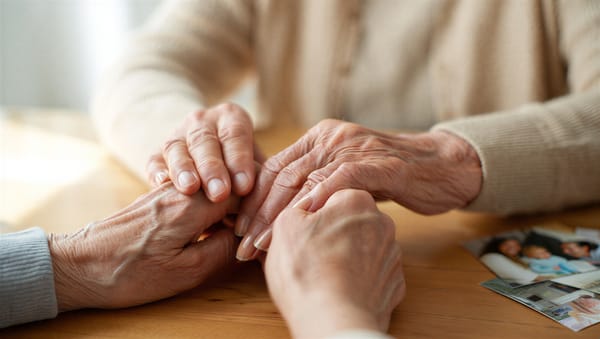
When Generations Collide: Navigating Memorial Preferences Across Ages
Different generations grieve and remember in unique ways. Learn how to bridge generational gaps in memorial preferences with understanding, empathy, and shared meaning.


Sarah held her phone at arm's length, trying to read the funeral home's email while her mother peered over her shoulder from the kitchen table. Her father had passed three weeks ago, and the family was still struggling to agree on memorial arrangements. Sarah's 72-year-old mother wanted a traditional service at their longtime church with burial in the family plot. Her younger sister insisted on a celebration of life at Dad's favorite hiking trail, with his ashes scattered at the summit. Meanwhile, Sarah found herself caught in the middle, wanting to honor both her mother's need for tradition and her sister's vision of something more personal. The tension in their family text thread had grown thicker each day, with unspoken resentments bubbling just beneath surface-level politeness.
If this scenario feels familiar, you're not alone. Memorial planning has become increasingly complex as multiple generations navigate vastly different values, expectations, and relationships with death itself. What your grandmother considers respectful may feel suffocating to your niece. What your son views as meaningful innovation might strike your mother as disrespectful. These aren't just differences in taste. They're fundamental divergences in how each generation processes grief, honors memory, and envisions legacy.
Key Takeaways
- Different generations approach memorialization with distinct values shaped by their formative experiences, from the Silent Generation's preference for traditional cemetery placement to Gen Z's surprising return to burial preferences.
- The most common sources of family friction involve disagreements between Baby Boomers who value traditional services and younger generations who prefer personalized celebrations of life.
- Successful memorial planning honors both innovation and tradition by finding solutions that address multiple generational perspectives without forcing one viewpoint to dominate.
- Solidified remains offer a unique bridge between generations, providing the permanence and tangibility older generations value while offering the flexibility and shareability younger generations prefer.
Reflections on love, loss, and the ways we carry them.
How we choose to memorialize loved ones often reveals much more than preference. It reflects the values and histories that shaped us. The NFDA’s 2024 study shows striking generational contrasts: Baby Boomers lean toward cremation, Gen X prefers flexibility, Millennials seek personalization, and Gen Z, surprisingly, returns to tradition. Beneath these numbers lies one truth: every choice is an attempt to keep love visible in a changing world.
In my practice, I’ve witnessed how these differences play out within families. A client, Marissa, a 62-year-old Baby Boomer, came to me torn between her late mother’s wish for a traditional burial and her adult children’s desire for a modern, eco-friendly alternative. “I didn’t want to disappoint either generation,” she said. The family eventually chose to have their mother’s ashes solidified through Parting Stone. The stones were shared among siblings and grandchildren. Some kept them in gardens, others in homes across continents. “It felt like Mom was everywhere,” Marissa told me. What began as tension became connection.
These evolving rituals remind us that memorialization isn’t about choosing old or new, but about finding harmony between permanence and possibility. Older generations seek continuity; younger ones crave authenticity. Both, in truth, want the same thing: to remember with meaning.// As professionals and as families, we are called to listen across generations. Instead of asking, Which is right? we might ask, What does love look like for each of us now?
Because in the end, whether in stone, earth, or memory, love doesn’t divide—it endures.
Cathy Sanchez Babao
Parting Stone Grief Coach
Understanding Generational Memorial Preferences
How do different generations prefer to memorialize loved ones? According to a 2024 survey conducted by the National Funeral Directors Association, Baby Boomers overwhelmingly prefer cremation (69%), based on research from Coldspring and Hanover Research. The NFDA's groundbreaking generational study revealed surprising diversity among younger cohorts: Millennials split between cremation (58%) and traditional burial (42%), while Gen Z has bucked decades of trends by preferring traditional burial (37%) over cremation as their top choice. These preferences reflect deeper generational values shaped by formative historical experiences, technological access, and evolving relationships with tradition itself.
The Silent Generation (Born 1928-1945): Tradition as Anchor
The Silent Generation came of age when death was visible and immediate. They witnessed World War II, experienced higher mortality rates, and grew up in tight-knit communities where funeral customs were deeply embedded in social fabric. For them, memorial traditions aren't arbitrary, they're sacred touchstones that connect the present to generations past.
This generation strongly prefers formal services in places of worship, traditional burial in family plots, and permanent cemetery placement. According to industry research, more than half of the Silent Generation chooses cemetery placement for cremated remains, significantly higher than any other cohort. They value the idea that future generations can visit a specific location, maintaining connection across time.
Their approach to death carries a certain stoicism. They're more likely to have pre-planned their funerals, prepared wills, and discussed their wishes openly. This isn't morbid, it's practical stewardship born from witnessing how quickly death can arrive and how devastating unpreparedness can be.
Baby Boomers (Born 1946-1964): The Individualization Begins
Baby Boomers were influenced by the cultural upheavals of the 1960s and 1970s, an era that questioned authority and tradition across every domain of life. This generation began the shift toward cremation and personalization, though many still retain strong connections to traditional elements.
Research shows that 69% of Baby Boomers prefer cremation, a dramatic departure from their parents' generation. Yet their preferences often blend innovation with tradition. They may want cremation, but they're also more likely than younger generations to prefer services in places of worship (66% of Boomers versus just 28% of Gen Z). They opened the door to celebrations of life while still maintaining some ceremonial formality.
This generation often finds themselves in a particularly challenging position during family memorial planning. They're simultaneously trying to honor their own parents' traditional expectations while respecting their children's more contemporary approaches. Many serve as reluctant mediators, caught between generational perspectives.
Generation X (Born 1965-1980): Pragmatic Flexibility
Generation X, often overlooked in generational discussions, brings a pragmatic middle ground to memorial preferences. Shaped by economic uncertainty, divorce rates, and the rise of dual-income households, Gen Xers tend to approach memorial planning with flexibility and efficiency.
Fifty percent of Gen X prefer cremation, with the remainder favoring burial, representing a nearly even split. They're comfortable with both traditional services and less formal celebrations. What matters most to this generation is authenticity and practicality, they want memorials that genuinely reflect the deceased without unnecessary expense or pretense.
Gen Xers often serve as effective bridges in multi-generational planning because they came of age learning to adapt and compromise. They understand their parents' values while connecting with their children's perspectives.
Millennials (Born 1981-1996): Experience Over Things
Millennials approach death and memorialization through the lens of experiences and personalization. They're significantly less religious than previous generations (only 35% identify as strongly religious compared to 50% of Baby Boomers), which fundamentally reshapes their memorial preferences.
This generation is more likely to want their remains at home (48%) or in natural settings (33%) rather than in cemeteries. They favor celebrations of life over traditional funeral services and prioritize personalization over formality. When surveyed, 24% of Millennials report having pre-planned their own funerals, surprisingly higher than the 9% of Baby Boomers who have done so.
Research published in the Journal of Technology in Behavioral Science reveals that Millennials are significantly more likely to use social media for mourning and memorialization, creating digital footprints that endure beyond death. This reflects their comfort with technology as a tool for maintaining continuing bonds with the deceased.
Critically, Millennials value transparency and authenticity. They research extensively before making decisions and want to understand exactly what they're paying for and why. This generation is driving demand for alternative options that feel more personal and less institutional.
Generation Z (Born 1997-2012): The Unexpected Traditionalists
In a surprising reversal, Gen Z shows renewed interest in traditional burial, with 37% preferring this option as their top choice. This represents the first generation in decades to buck the trend toward cremation. Why the shift?
Antonio Green, a fourth-generation funeral director and expert on generational issues in death care, points to several factors. He notes that the suicide rate among adolescents and young adults has increased more than 50% since 2010, meaning "this generation has actually had to attend more services for friends than any other generation ever has." Many of these were memorial services without viewings, leading Green to observe: "they're probably thinking, 'It would have been really nice to see my friend one last time.' They're preferring more traditional services and burial; they probably see the value early on of needing to have that [final farewell]."
Additionally, 68% of Gen Z strongly agree that it's important to commemorate life with a funeral or memorial service, compared to only 44% of Baby Boomers. Despite their reputation for disrupting traditions, Gen Z values ritual and ceremony, though they want these to be meaningful rather than perfunctory.
However, Gen Z remains less comfortable discussing death than older generations. While 77% of Baby Boomers are comfortable talking about death, only 63% of Gen Z report the same comfort level. This creates a unique dynamic: they value traditional memorialization but may struggle to articulate their preferences or engage in planning conversations.
 Parting Stone Editors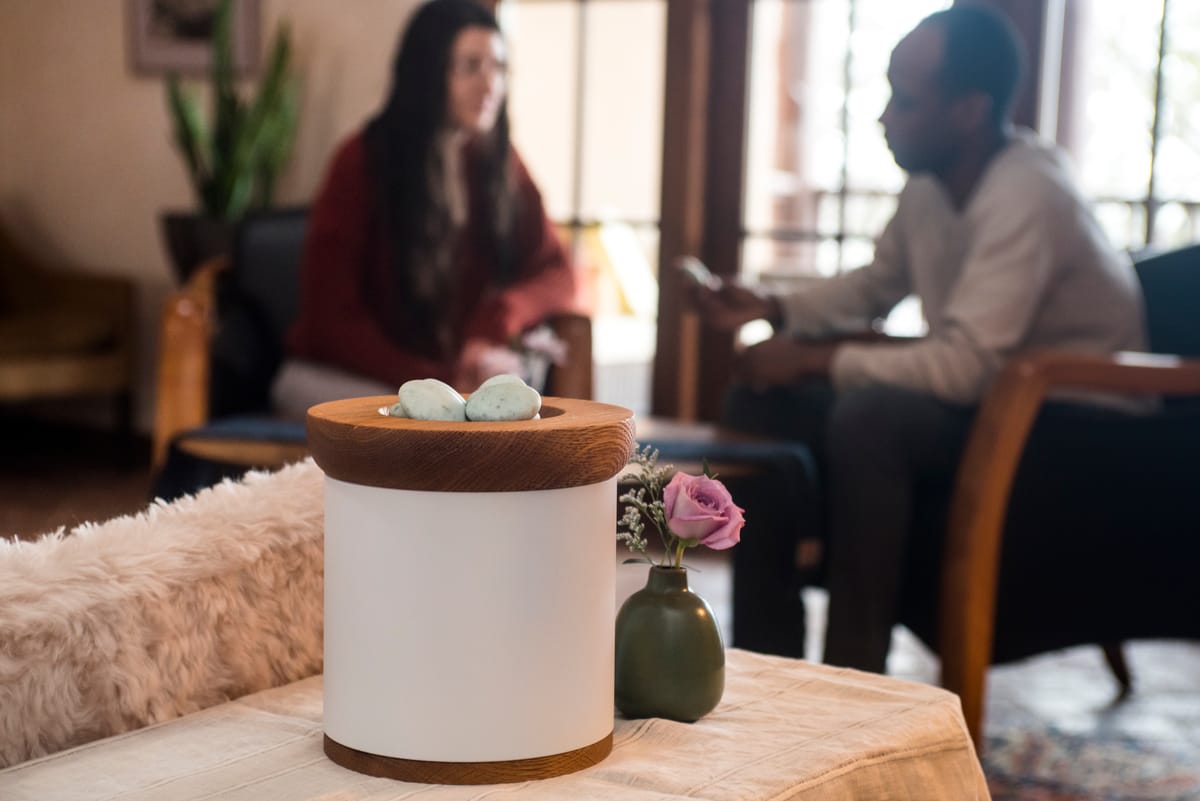
The Psychology Behind Generational Differences
These aren't merely preferences, they're reflections of fundamentally different worldviews shaped by formative experiences. Understanding the psychology behind generational differences helps families approach memorial planning with empathy rather than judgment.
Historical Context Shapes Perspectives
Families often pass down legacies of communication and coping styles across generations, according to research from Memorial Sloan-Kettering Cancer Center. The previous generation's patterns of communication impact how current family members share concerns and make decisions. Younger family members can exhibit intensified emotional responses because they've witnessed these coping styles throughout their lives.
Baby Boomers, shaped by post-war prosperity and then economic volatility, may see traditional memorial elements as markers of stability and respect. Millennials, shaped by the 2008 recession and student debt crisis, may view expensive traditional funerals as financially wasteful. Gen Z, shaped by climate anxiety and social justice movements, may prioritize environmental sustainability or align memorial choices with values around simplicity and authenticity.
Technology's Transformative Influence
Technology hasn't just changed how we communicate, it's fundamentally altered how we process grief and memory. Older generations may see physical memorials as the primary way to honor someone, while younger generations increasingly rely on digital memory-keeping through photos, videos, and social media tributes.
This doesn't mean younger generations care less about honoring loved ones. Research shows they care deeply. But they conceive of memory differently, as something more distributed and experiential rather than anchored to a single physical location.
Religious and Spiritual Shifts
The decline in institutional religious affiliation represents perhaps the most significant factor shaping generational memorial preferences. Research indicates that 75% of Baby Boomers identify as Christian, compared to 65% of Gen X, 65% of Millennials, and 59% of Gen Z. However, declining religiosity doesn't equal declining spirituality, many younger people maintain deep spiritual beliefs outside traditional religious frameworks.
This shift explains why younger generations prefer celebrations of life over formal religious services, yet still want meaningful ceremony and ritual. They're seeking spiritual significance through different pathways.
 Parting Stone Editors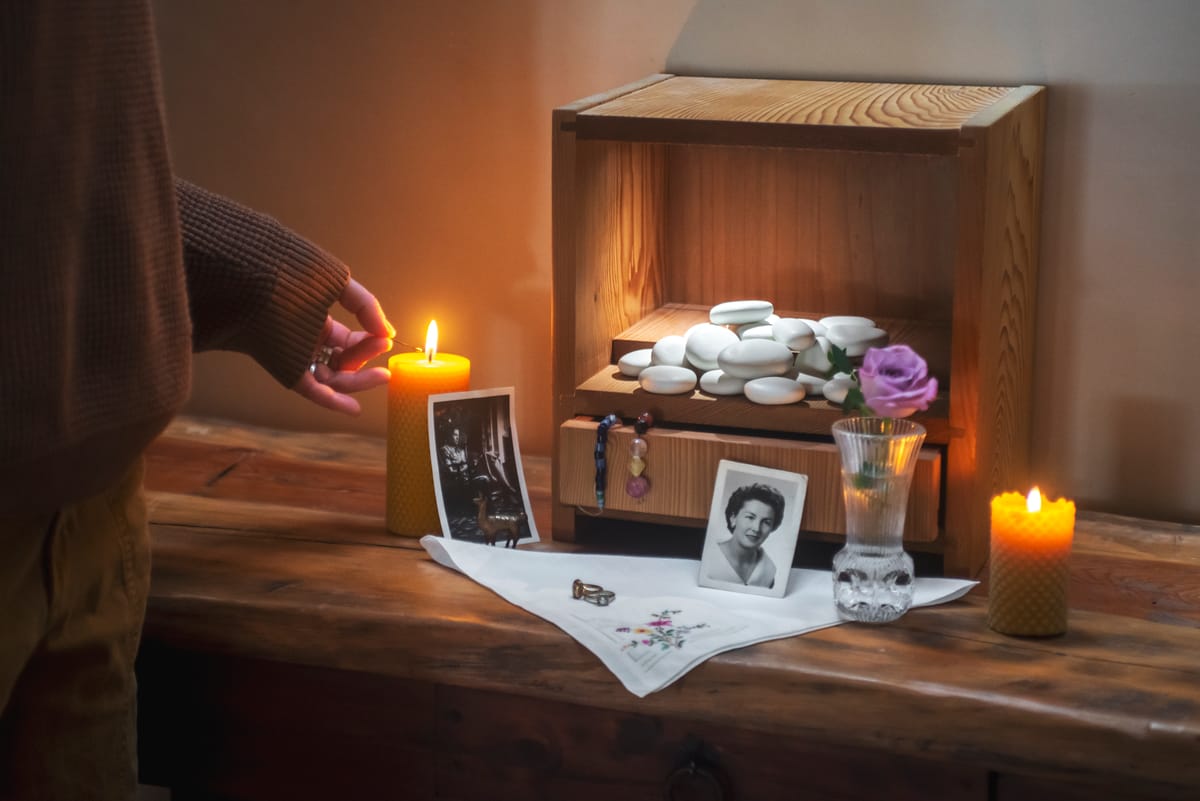
Common Generational Friction Points in Memorial Planning
Family conflict during funeral planning is remarkably common, fueled by grief, time pressure, and generational divides. Understanding typical flashpoints helps families anticipate and address tensions before they escalate.
The Format of the Service
Perhaps no issue generates more conflict than whether to hold a traditional funeral service or a celebration of life. Older family members may view informal celebrations as disrespectful or insufficient, feeling that proper respect requires certain ceremonial elements. Younger family members may find traditional services rigid and impersonal, wanting something that genuinely reflects how they experienced their loved one.
Tracy 🖤, who used solidified remains for both parents, described this tension: "When my mom passed suddenly, I don't know what I wanted, but it was NOT an urn full of ashes to sit neglected for years. When I found Parting Stone, I was able to have both my parents' remains solidified to something so flexible and so much more meaningful to our family." The flexibility allowed her family to honor different preferences without forcing unanimous agreement on a single approach.
Burial Versus Cremation
This decision often divides along generational lines, with older family members favoring burial and younger members preferring cremation. Religious beliefs frequently intensify this friction, particularly in Catholic and Orthodox families where cremation was historically discouraged.
The conflict isn't always about the disposition method itself, it's about what that choice represents. For older generations, burial may symbolize permanence, dignity, and connection to family history. For younger generations, cremation may represent flexibility, affordability, and freedom from maintenance burden.
The Placement Question
Even when families agree on cremation, disagreement often arises about what to do with the remains. Older generations typically prefer permanent cemetery placement, viewing this as ensuring the deceased has a specific resting place future generations can visit. Younger generations often prefer keeping remains at home or scattering them in meaningful locations.
Research shows that more than half of the Silent Generation prefers cemetery placement for cremated remains, while Millennials prefer home storage (48%) or natural placement (33%). These aren't small differences, they reflect fundamentally different conceptions of how memory works and what future generations will need.
Financial Considerations
Money adds enormous pressure to an already emotional situation. Traditional funerals can cost $7,000-$12,000 or more, while direct cremation costs a fraction of that amount. Older family members may view spending on traditional elements as demonstrating love and respect. Younger family members, often facing student loans and housing affordability challenges, may see expensive funerals as financially irresponsible.
These financial tensions can become particularly acute when adult children are expected to fund their parent's memorial. Different generations have vastly different financial realities, and memorial planning often forces these disparities into uncomfortable focus.
Personalization Versus Protocol
Younger generations want highly personalized memorials that reflect individual personality, favorite music, meaningful stories, and sometimes unconventional elements. Older generations may view certain personalization choices as inappropriate or insufficiently reverent.
Dawn 🖤 , who selected solidified remains, shared how this allowed for meaningful personalization across generations: "We were all able to have a piece of mom and dad/grandma and grandpa with us whenever we wanted. The stones were shared with all of the family. On wedding days, baptisms, special occasions, they were able to be with us in pockets." This solution let each family member memorialize in their own way without imposing one vision on everyone.
 Parting Stone Editors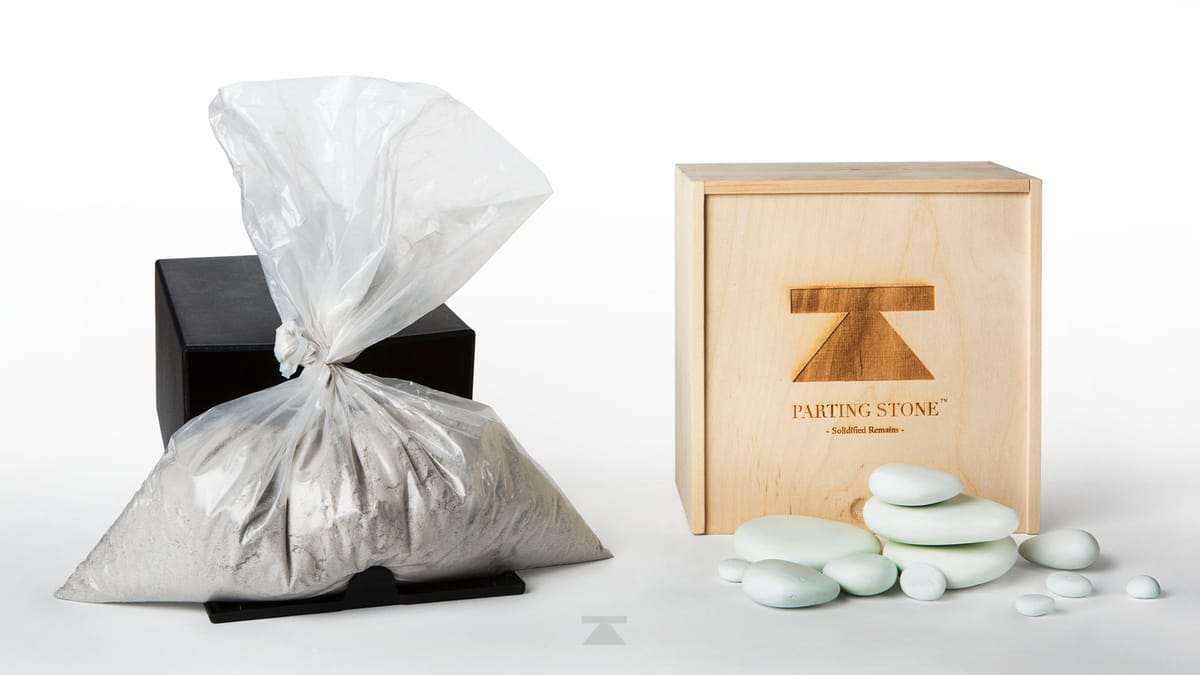
Bridge-Building Strategies for Multi-Generational Families
When family members hold conflicting memorial preferences, the goal isn't to determine who's right. The goal is to create space for multiple perspectives while ensuring the deceased is honored meaningfully. These strategies help families navigate difficult conversations with mutual respect.
Start With Listening, Not Lobbying
Create structured opportunities for each family member to express their preferences without interruption. Research on family conflict in palliative care settings emphasizes that active listening fosters mutual respect and understanding. Establish ground rules allowing each person uninterrupted time to share what matters most to them and why.
Pay attention to the emotional needs underlying stated preferences. When your mother insists on burial in the family plot, she may really be expressing fear that future generations will forget their roots. When your daughter advocates for scattering ashes, she may be seeking freedom from the burden of maintenance and obligation. Addressing these deeper needs often reveals compromise possibilities.
Identify Non-Negotiables Versus Preferences
Not every element carries equal weight. Help family members distinguish between absolute requirements and flexible preferences. Your father may feel strongly about a Catholic mass but remain flexible about burial versus cremation. Your sister may care deeply about environmental impact but remain open to various green options.
By identifying each person's core values, families can often find solutions that honor multiple priorities. Perhaps the service includes traditional religious elements important to older generations, while the disposition method and placement reflect younger generations' practical or environmental concerns.
Embrace "Both/And" Rather Than "Either/Or"
Memorial planning doesn't require choosing one generational preference over another. Modern memorial options increasingly allow for hybrid approaches that bridge traditional and contemporary values.
John 🖤 , who lost his wife, described how solidified remains allowed his internationally dispersed family to honor both traditional and modern preferences: "My son and his family live in Sweden, my daughter lives in Colorado, so having remains that could be shared among the family made so much sense. We placed one in the memorial garden at the Unitarian Universalist Fellowship where my wife was very active, and the rest are in a beautiful cut-glass bowl in the new house." The solution combined permanent placement (satisfying traditional values) with distributed remains and flexible memorialization (satisfying contemporary needs).
Appoint a Neutral Facilitator
When family discussions reach an impasse, consider bringing in a neutral third party. Funeral directors receive specialized training in navigating family dynamics during difficult decisions. A skilled funeral director can offer options the family may not have considered, reframe conflicts constructively, and help maintain focus on honoring the deceased rather than winning arguments.
Some families benefit from professional mediators or family therapists, particularly when memorial planning occurs against a backdrop of longstanding family conflict. Research on family conflict management emphasizes that neutral facilitators can help families find compromises and maintain productive dialogue.
Document Decisions and Agreements
Once the family reaches agreements, document these clearly. This prevents later disputes and ensures everyone understands what's been decided. If financial contributions are involved, record who's committed to what amounts. If different family members take responsibility for different aspects, clarify those assignments.
Documentation also honors compromise. When family members see their input reflected in the final plan, they feel heard even if not every preference was accommodated.
Honor the Deceased's Wishes When Known
The most effective way to minimize generational conflict is for individuals to document their own preferences while alive. Pre-planning removes ambiguity and gives families clear guidance when emotions run high. When the deceased left explicit instructions, these should anchor decision-making, reducing friction significantly.
 Parting Stone Editors
How Modern Solutions Can Honor Traditional Values
The memorial industry has evolved to offer options that bridge generational divides by honoring both innovation and tradition. Understanding how contemporary approaches can satisfy traditional values helps families find common ground.
The Case for Distributed Memorialization
One significant evolution in death care involves moving away from the assumption that remains must stay in one location. This shift initially concerned older generations who worried that distributed remains would lead to forgotten legacies. However, families increasingly find that distributed memorialization strengthens rather than weakens intergenerational connection.
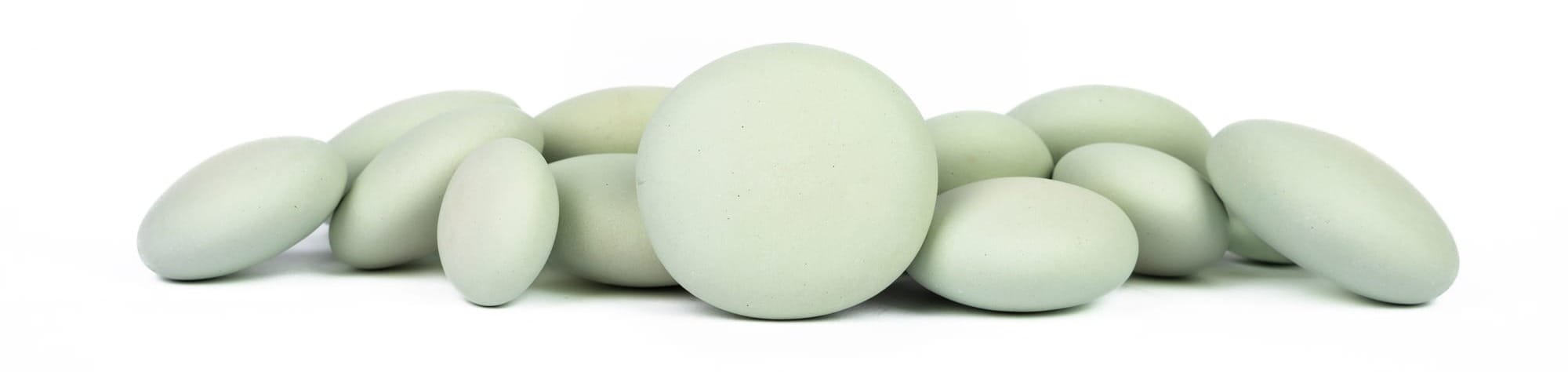
Solidified remains exemplify this bridge-building approach. The process provides permanence and tangibility that resonate with older generations' values while offering flexibility and shareability that younger generations seek. Unlike traditional ashes, which can feel amorphous and difficult to handle, solidified remains offer something concrete to hold, display, or place in meaningful locations.
Sarah 🖤 shares her experience, which illustrates this balance: "I was having difficulty deciding on an urn. Parting stones also made it easier to share my husband's remains with our large, close-knit family. He was an avid rock collector as well, so everything about this made sense and has given me peace." The solution worked across generations in her family because it honored both the desire for tangible memorialization and the practical need to share among many family members.
At $2,495 for human remains, this option costs less than many traditional burial packages while providing value that spans generational preferences. The 8-10 week processing timeline requires planning, making it ideal for families who take time to gather and make thoughtful decisions together.
 Parting Stone Editors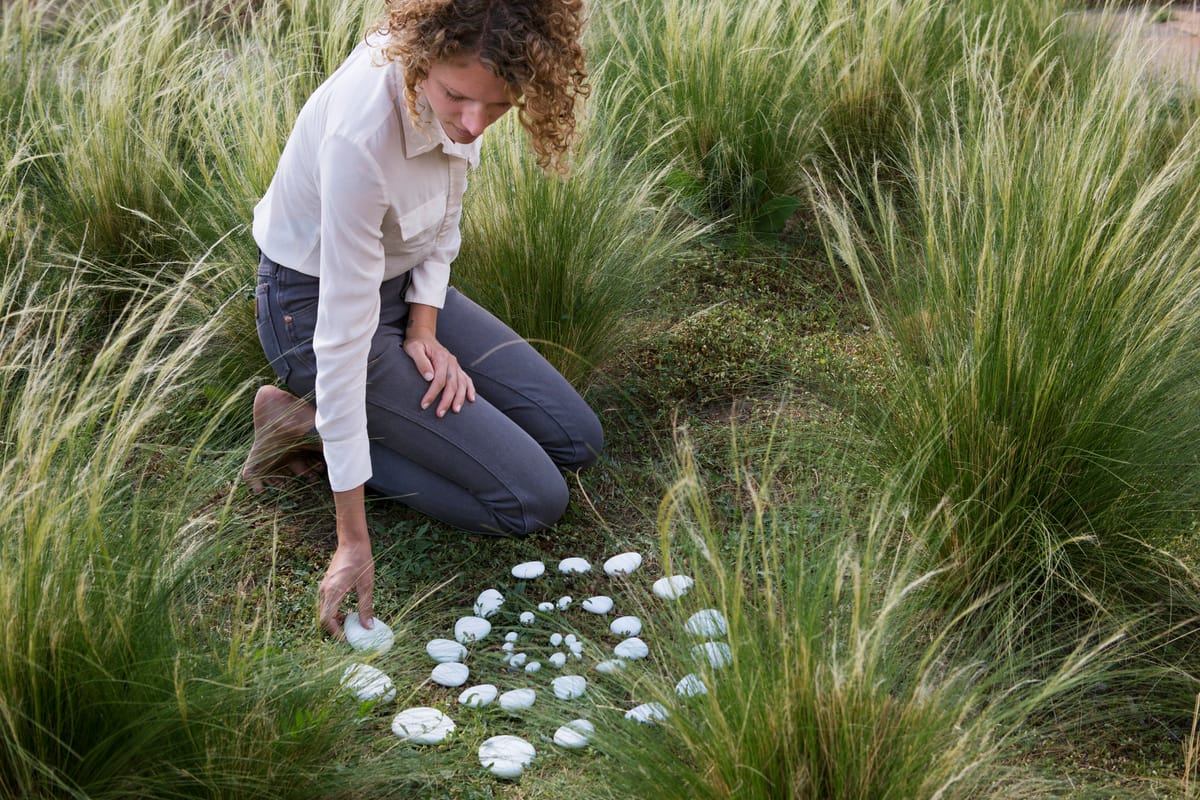
Maintaining Visiting Places for Future Generations
A common concern from older generations involves whether younger family members will maintain connection with their loved ones' memory. Traditional cemetery plots offer designated visiting places, ensuring future generations know where to pay respects. Distributed memorialization can honor this concern in creative ways.
Janis 🖤, who converted her mother's ashes to solidified remains, explained: "The stones are in shadow boxes, special drawers of memories, stored with photo albums, and in special piles in gardens, so much more versatile than one or two urns from a funeral home. After over a year of uncertainty, Parting Stone gave us an opportunity to have a joyful ceremony distributing stones to people who loved her." Each family member created their own visiting place, whether a shadow box, garden setting, or special drawer, providing designated memorial spaces across households.
This approach satisfies older generations' desire for permanent, visitable memorialization while adapting to younger generations' geographic mobility and preferences for home-based memory-keeping.
Balancing Environmental Concerns With Permanence
Environmental consciousness represents a key value for younger generations, with Gen Z particularly concerned about climate impact and sustainability. This sometimes creates tension with older generations who view certain eco-friendly options as insufficiently dignified or permanent.
Solidified remains address environmental concerns in several ways. The process uses significantly less energy than traditional cremation plus burial. The resulting remains are inert and suitable for placement in natural settings without environmental impact. Families can place stones in forests, gardens, or waterways without the concerns associated with ash scattering, which can affect delicate ecosystems.
This environmental benefit satisfies younger generations' values while providing the permanence and dignity older generations seek. The remains won't blow away, wash away, or disappear, they maintain their form indefinitely, just as traditional graves do.
Creating Opportunities for Ritual Across Generations
One surprising insight from generational research is that Gen Z values ritual and ceremony highly, they simply want these to feel meaningful rather than obligatory. This creates opportunity for families to design ceremonies that incorporate traditional elements important to older generations while personalizing aspects that resonate with younger family members.
Families using solidified remains often create distribution ceremonies where multiple generations gather to select stones and share memories. These ceremonies blend traditional memorial gathering elements with personalized ritual, satisfying diverse generational needs simultaneously.
Margaret 🖤 described how this facilitated important conversations: "Initially, one sibling wasn't sure he was comfortable with the idea of having something so permanent as a reminder, but this got him thinking about why, and what he wanted. We ended up having a great conversation about how he wants a green burial, and one of his adult children was there for the conversation. And now she knows what he wants. So the stones helped facilitate that conversation." The process opened dialogue across three generations, helping younger family members understand their elders' preferences while older family members learned about emerging options.
Moving Forward Together
Memorial planning in multi-generational families will always involve complexity. Different life experiences, values, and relationships with death ensure that perfect consensus remains rare. But consensus isn't actually the goal. The goal is honoring the deceased while strengthening family bonds rather than damaging them.
The most successful families approach generational differences with curiosity rather than judgment. Instead of viewing other generations' preferences as wrong or misguided, they seek to understand the values and experiences underlying those preferences. An older parent's insistence on traditional burial may reflect deep concerns about family continuity. A younger child's advocacy for celebration of life may reflect authentic desire to honor their loved one's personality rather than disrespect.
As families navigate these conversations, remember that the memorial industry has evolved significantly. The choice is no longer binary between traditional burial and simple cremation. Hybrid options increasingly allow families to honor multiple perspectives simultaneously, providing both the permanence older generations value and the flexibility younger generations seek.
The families who navigate these challenges most successfully are those who start planning conversations early, before grief and time pressure create additional stress. They document preferences, appoint decision-makers, and discuss values openly while everyone is living. They acknowledge that memorial preferences often reflect much deeper concerns about memory, legacy, and family continuity across time.
Ultimately, generational differences in memorial preferences aren't problems to be solved. They're opportunities for families to demonstrate that love, respect, and understanding can bridge even profound differences in perspective.
Frequently Asked Questions
What are the main differences between how Baby Boomers and Millennials prefer to memorialize loved ones?
Baby Boomers show strong preference for cremation (69%) while still valuing traditional service elements like religious ceremonies in places of worship. Millennials are more likely to prefer home storage of cremated remains (48%) or natural placement (33%) rather than cemetery placement. Millennials also prefer less formal celebrations of life over traditional funeral services and are significantly more likely to use social media for memorialization. The core difference lies in how each generation balances tradition with personalization.
Why does Gen Z prefer burial when older generations moved toward cremation?
Gen Z's preference for traditional burial represents a surprising reversal of decades of trends. Research suggests this generation has attended more peer memorial services than any previous generation due to rising youth suicide rates and tragic events. They report seeing value in traditional viewing and final farewells that provide tangible completion. Additionally, 68% of Gen Z strongly believe in commemorating life with meaningful services, higher than any other generation. Their return to burial doesn't reflect resistance to innovation but rather renewed appreciation for ritual and ceremony when it feels genuine.
How can families compromise when older members want traditional services and younger members want celebrations of life?
Successful compromises often involve hybrid approaches that incorporate elements satisfying both preferences. Families might hold a traditional service at a place of worship (honoring older generations) followed by a less formal gathering at a meaningful location (honoring younger generations). They can choose traditional elements like formal viewing while incorporating personalized aspects like favorite music, photo displays, or storytelling. The key is identifying each generation's core non-negotiables versus flexible preferences, then building a plan that addresses the most important values from each perspective.
What role does religion play in generational memorial differences?
Religious identification declines significantly across generations, with 75% of Baby Boomers identifying as Christian compared to 59% of Gen Z. This shift fundamentally shapes memorial preferences, as younger generations are less likely to prioritize traditional religious services or follow specific religious protocols around burial versus cremation. However, declining religiosity doesn't mean declining spirituality. Many younger people maintain spiritual beliefs and desire meaningful ceremony, they simply seek these outside traditional religious frameworks. This creates friction when older religious family members view certain choices as disrespectful to faith traditions.
Are distributed remains (sharing among family members) appropriate for traditional families?
Traditional families increasingly recognize that distributed memorialization can strengthen rather than weaken intergenerational connection. Unlike concerns that distributed remains lead to forgotten legacies, many families find that when multiple generations hold tangible memorial items, they create numerous "visiting places" rather than one. Solidified remains particularly suit this approach because they provide permanent, tangible objects that can be displayed, held, or placed in meaningful locations. Each family member creates their own memorial space, ensuring the deceased is remembered across households and geographic locations while honoring traditional values around permanence and respect.
How should families handle memorial planning when the deceased didn't leave instructions?
When the deceased didn't document preferences, families should appoint a clear decision-maker (typically the spouse or eldest adult child) to prevent deadlocked discussions. Hold structured family meetings where each person shares their priorities without interruption. Focus on what the deceased valued during life, their personality, beliefs, and lifestyle often suggest appropriate memorial approaches. Consider bringing in neutral facilitators like funeral directors trained in family dynamics. Most importantly, recognize that perfect consensus is rare and unnecessary. The goal is finding solutions that honor the deceased while maintaining family relationships.
About the Editor
Cathy Sanchez Babao is a Grief Coach at Parting Stone, a grief educator, counselor, author, and columnist who has dedicated her career to helping individuals and families navigate loss. She writes the “Roots and Wings” column for the Philippine Daily Inquirer and is the author of Heaven’s Butterfly and Between Loss and Forever: Filipina Mothers on the Grief Journey. Cathy holds a B.S. in Business Administration and Management from Ateneo de Manila University and an M.A. in Family Psychology and Education from Miriam College, with advanced grief training at the Center for Loss & Life Transition and the Center for Prolonged Grief at Columbia University.
References
Coldspring. (2023, June 28). Memorial trends among the generations. https://coldspringusa.com/memorial-trends-among-the-generations/
National Funeral Directors Association. (2024, July 9). Gen Z prefers burial over cremation, reversing decades of preferences trending toward cremation [Press release]. PR Newswire. https://www.prnewswire.com/news-releases/gen-z-prefers-burial-over-cremation-reversing-decades-of-preferences-trending-toward-cremation-302191411.html
Dimbleby, J., Gibson, K., & Fuzzard, D. (2022). Exploring young millennials' motivations for grieving death through social media. Journal of Technology in Behavioral Science, 7, 356-367. https://link.springer.com/article/10.1007/s41347-022-00275-1
Grieco Funeral Home & Crematory. (2025, January 5). Managing family dynamics during funeral planning. https://www.griecofunerals.com/managing-family-dynamics-during-funeral-planning
Horowitz, J. M. & Graf, N. (2019, January 17). Generation Z looks a lot like millennials on key social and political issues. Pew Research Center. https://www.pewresearch.org/social-trends/2019/01/17/generation-z-looks-a-lot-like-millennials-on-key-social-and-political-issues/
International College of Professional Celebrants. (n.d.). How different generations deal with death. https://www.internationalcollegeofprofessionalcelebrants.org/blog/how-different-generations-deal-with-death
Kissane, D. W., & Lichtenthal, W. G. (2008). Family focused grief therapy: A versatile intervention in palliative care and bereavement. In M. Stroebe, R. Hansson, H. Schut, & W. Stroebe (Eds.), Handbook of bereavement research and practice: Advances in theory and intervention (pp. 465-483). American Psychological Association. https://pmc.ncbi.nlm.nih.gov/articles/PMC6075836/
Lichtenthal, W. G., & Kissane, D. W. (2008). The management of family conflict in palliative care. Progress in Palliative Care, 16(1), 39-45. https://pmc.ncbi.nlm.nih.gov/articles/PMC3767457/
National Funeral Directors Association. (2024, July 9). Gen Z prefers burial over cremation, reversing decades of preferences trending toward cremation [Press release]. PR Newswire. https://www.prnewswire.com/news-releases/gen-z-prefers-burial-over-cremation-reversing-decades-of-preferences-trending-toward-cremation-302191411.html
Raftery, K. (2024, August 7). NFDA generational survey: Why does Gen Z prefer burial, and what does it mean for you? Connecting Directors. https://connectingdirectors.com/68795-nfda-survey-why-does-gen-z-prefer-burial
Swerdlow, J. S., Delong, M., Schaller, M., & Juth, V. (2024). Millennials versus Boomers: An asymmetric pattern of realistic and symbolic threats drives intergenerational tensions in the United States. Group Processes & Intergroup Relations, 27(7), 1583-1605. https://pmc.ncbi.nlm.nih.gov/articles/PMC11490062/
Treeternity. (2023, October 28). How millennials are changing the death care industry. https://treeternity.com/blog/2020/1/16/how-millennials-are-changing-the-death-care-industry