What to Wear to a Funeral?
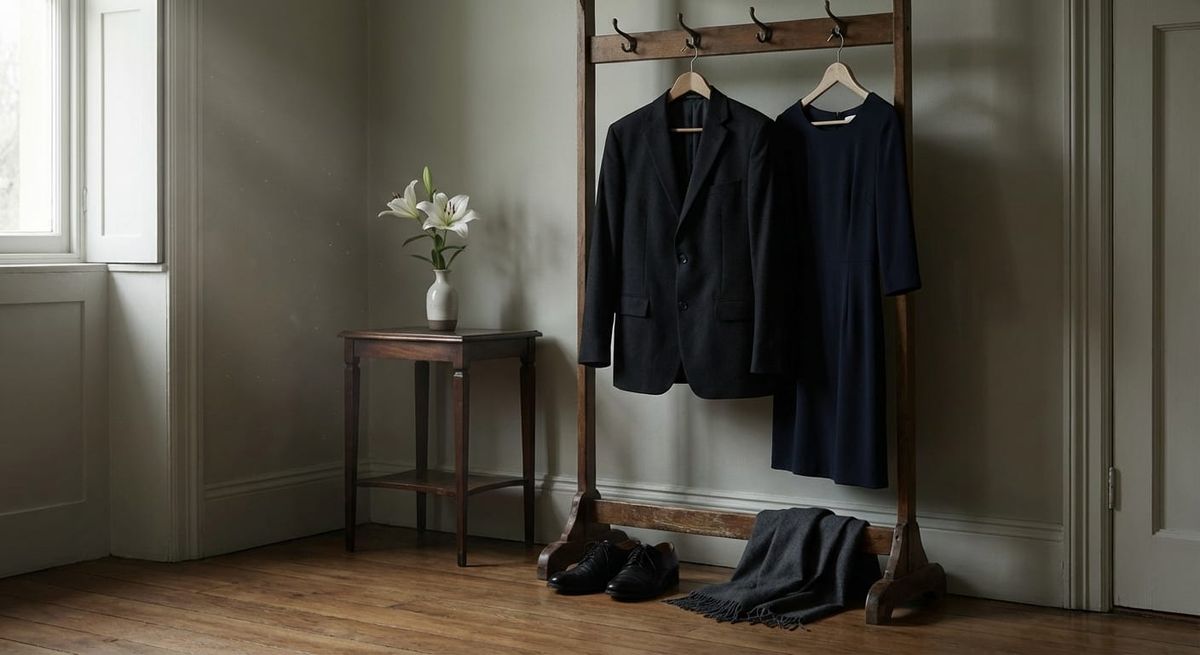
Choose respectful, conservative clothing in dark or muted colors that honors the deceased while allowing you to focus on supporting loved ones. We understand you may be reading this during an incredibly difficult time. Deciding what to wear can feel overwhelming when you're grieving, especially if this is your first funeral experience. Take a breath. Whatever you choose, the most important thing is that you feel comfortable honoring your loved one's memory. According to the 2015 Funeral and Memorial Information Council study involving 1,238 U.S. adults, 82 percent said memorial services were helpful in paying tribute to loved ones, with 72 percent believing services they attended were an important part of the healing process.
When families navigate loss, practical concerns often compound emotional stress. Parting Stone provides families with compassionate guidance through all aspects of memorial planning, including etiquette questions that arise during difficult times, ensuring no detail adds unnecessary burden during grief.
Understanding Funeral Attire Guidelines: Respect Through Simplicity
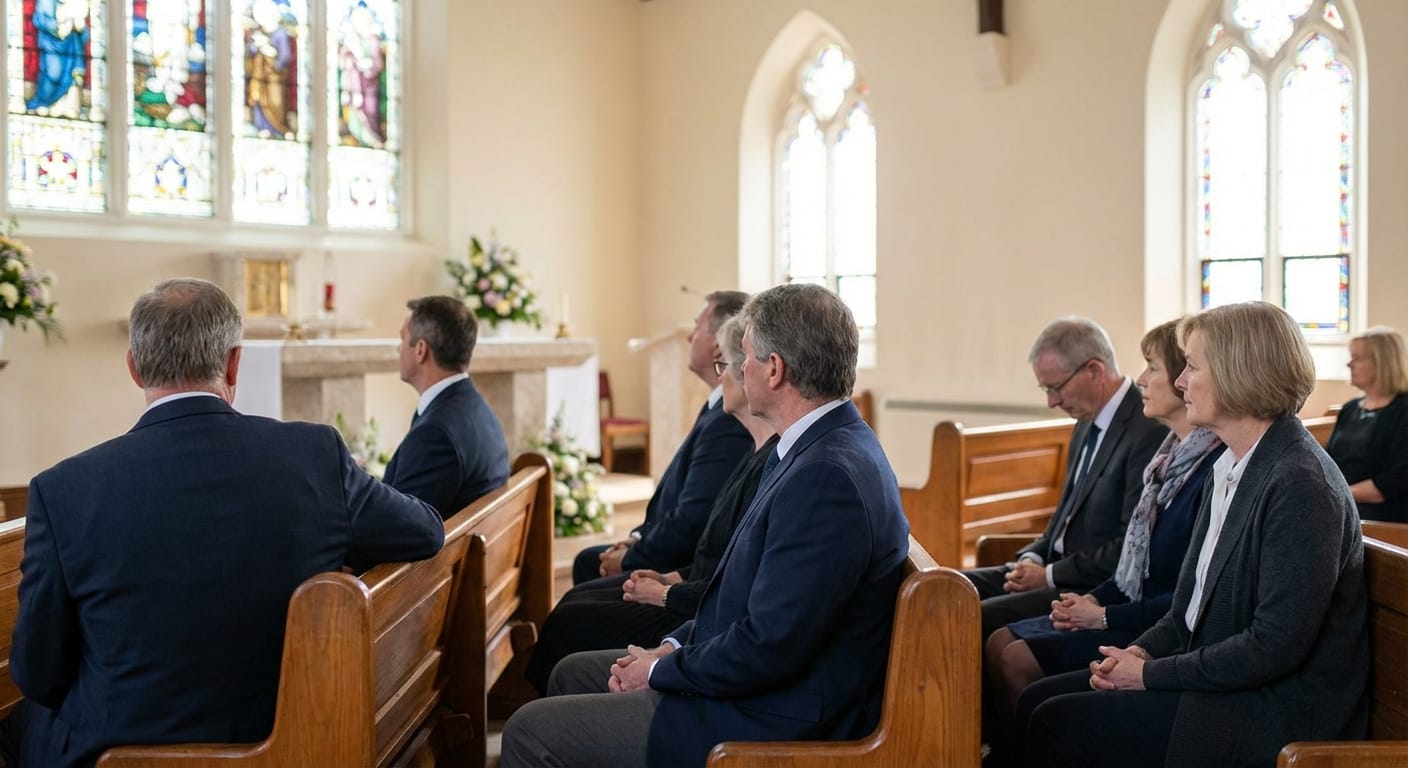
Funeral attire serves one primary purpose: demonstrating respect for the deceased and supporting those who are grieving. The goal focuses on honoring the person who died rather than drawing attention to yourself as an attendee. This principle guides every clothing choice, from color selection to accessory decisions.
Traditional funeral attire emphasizes conservative, modest clothing in darker color palettes. Dark colors historically symbolize mourning and respect across many cultures, creating visual unity among attendees while avoiding distraction from the memorial service itself. Conservative styling means avoiding revealing necklines, short hemlines, or tight-fitting garments that might draw unwanted attention during a solemn occasion.
For instance, a family gathering for a memorial service often includes attendees from different generations and backgrounds who need unified guidance. Using thoughtful attire planning, families can focus on emotional support rather than wardrobe concerns, much like how comprehensive memorial planning addresses all aspects of honoring someone's life in advance.
Funeral attire differs from other formal occasions because the focus remains entirely on the deceased and their family's needs. Unlike weddings or celebrations where personal expression through clothing is welcomed, funeral attire prioritizes community support and shared respect. This distinction helps explain why certain style choices that might be appropriate for other formal events may not suit memorial services.
Memorial service attendance often involves extended periods of standing, sitting, and potentially participating in religious or cultural ceremonies. Comfortable, well-fitting attire becomes essential for managing the physical demands of funeral attendance while maintaining appropriate appearance throughout the service duration.

You're Not Alone in Wanting Something Better
If you're here, you likely understand something that 75 million Americans are still discovering: traditional cremated remains often create more anxiety than comfort.
Families who choose solidified remains share a common understanding: your loved one deserves better than to be hidden away in a closet, garage, or basement. They deserve a memorial that you can interact with, share with family members, and incorporate into the meaningful moments of your life.
These families understand that premium memorial solutions aren't about spending more—they're about choosing something that actually serves the emotional needs of grief and healing.
Choosing Respectful Colors and Styles: Practical Guidelines for Difficult Days
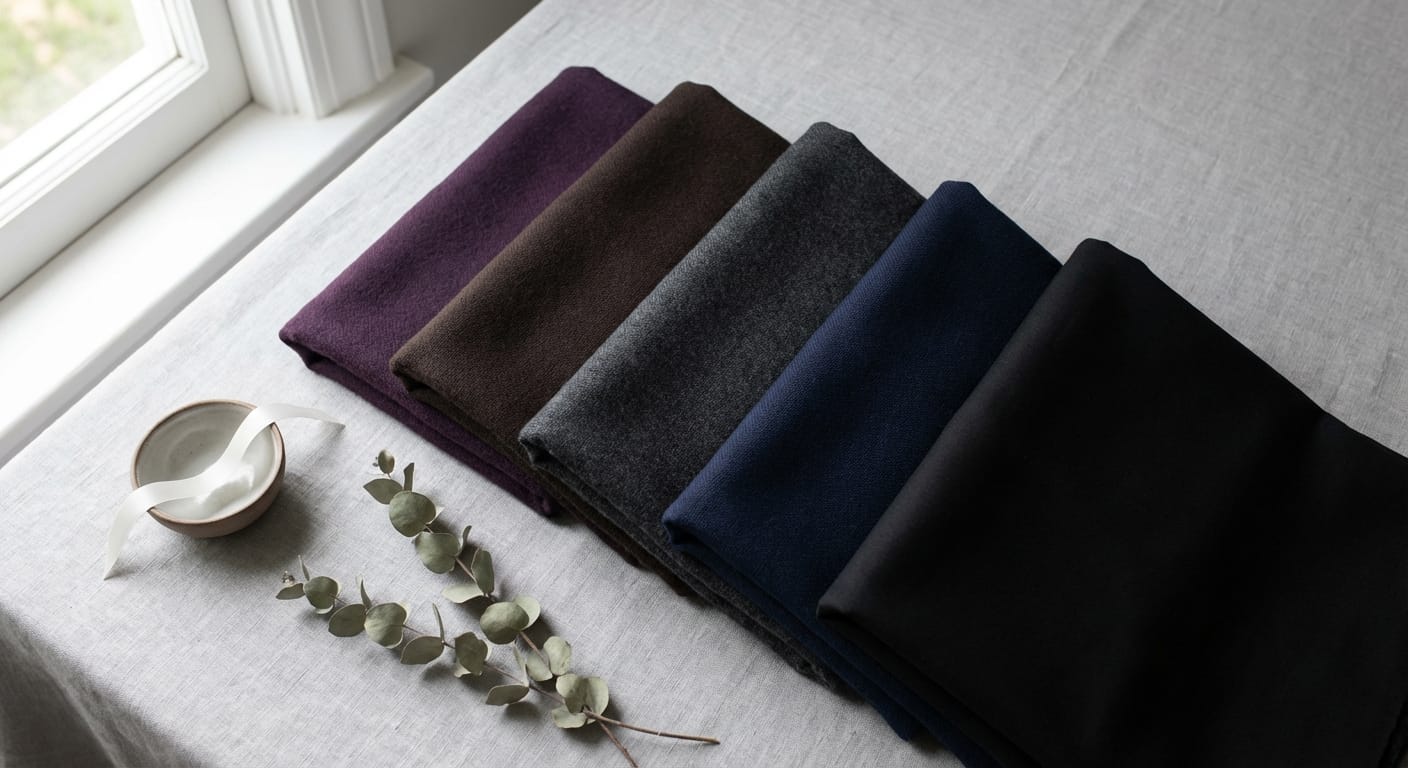
Black remains the most universally accepted funeral color across cultures and religious traditions. Black clothing provides a safe choice when you're unsure about family preferences or cultural expectations. However, funeral attire has evolved to include other respectful color options that maintain the solemn tone appropriate for memorial services.
Dark colors work well for funeral attendance: navy blue, charcoal gray, dark brown, and deep purple all convey respect while offering alternatives to black. These colors photograph appropriately for family photos that may be taken during memorial gatherings and coordinate well with other attendees' clothing choices.
Consider this scenario: a colleague's parent passes away unexpectedly, requiring you to attend a funeral on short notice. Parting Stone's memorial planning resources help families communicate preferences to attendees, including attire guidance, ensuring everyone feels prepared to offer appropriate support during difficult times.
Muted or subdued patterns can work for funeral attire when kept simple and understated. Small prints, subtle textures, or minimal patterns in dark colors may be appropriate depending on the service's formality level. Avoid bright patterns, large prints, or bold designs that might distract from the service's purpose.
Professional business attire often translates well to funeral settings. A dark business suit, conservative dress, or dress pants with a modest blouse typically meets funeral attire expectations while ensuring comfort throughout extended memorial services. This approach simplifies decision-making during emotionally challenging times.
Many families find comfort in having practical memorial guidance during difficult times, as even small decisions can feel overwhelming when processing grief.
Cultural and Religious Considerations: Honoring Diverse Traditions
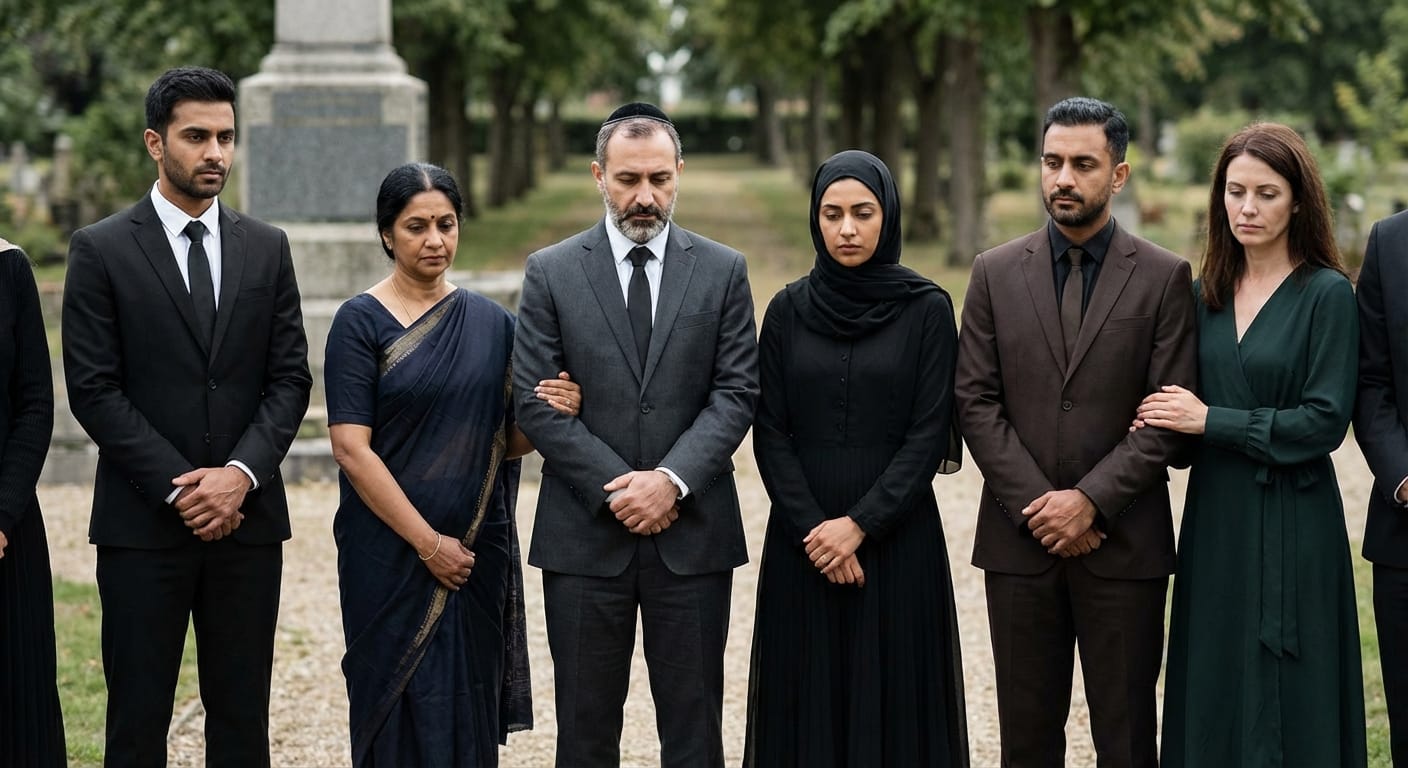
Different religious and cultural traditions maintain specific funeral attire expectations that may vary significantly from general guidelines. Understanding these variations helps ensure your clothing choices respect the deceased's background and family's cultural practices during memorial services.
Jewish funeral traditions often emphasize modest, conservative attire with specific guidelines about covering shoulders and knees. Men typically wear suits with ties, while women choose dresses or suits with sleeves extending past the elbow. Some Jewish funerals may request attendees avoid leather shoes or specific colors based on Orthodox traditions.
Catholic funeral masses generally follow conservative dress standards similar to Sunday church attendance. Attendees should plan to cover shoulders and avoid short skirts or revealing necklines. Dark colors remain preferred, though some Catholic communities accept other respectful colors depending on local customs and the family's preferences.
Islamic funeral prayers require modest clothing for all attendees, with specific guidelines about covering arms and legs completely. Women may need head coverings depending on the mosque's requirements and cultural background of the deceased's family. Men should wear long pants and shirts with sleeves covering the forearms.
When memorial planning involves multiple cultural traditions, families often benefit from professional guidance to navigate varying expectations. Parting Stone's comprehensive memorial planning approach respects diverse cultural needs while ensuring all attendees feel comfortable participating in meaningful tribute experiences.
Protestant funeral services typically maintain flexible attire guidelines focusing on modest, respectful appearance rather than specific dress codes. However, individual denominations may have particular traditions worth considering when selecting appropriate clothing for the memorial service.
Hindu and Buddhist funeral ceremonies may include specific color preferences or restrictions based on regional traditions and family customs. Some Hindu traditions prefer white or light colors for mourning, while Buddhist ceremonies may emphasize simple, unadorned clothing in earth tones or dark colors.
Practical Considerations for Difficult Days: Managing Details During Grief
Grief affects decision-making capacity, making simple choices like selecting appropriate attire feel overwhelming during already stressful times. Practical planning strategies can reduce this burden while ensuring you feel appropriately dressed for memorial services.
Essential Funeral Attire Checklist:
- Conservative, modest clothing in dark or muted colors
- Comfortable, quiet shoes suitable for standing and walking
- Appropriate undergarments for chosen outfit
- Light jacket or sweater for temperature variations
- Minimal, understated jewelry and accessories
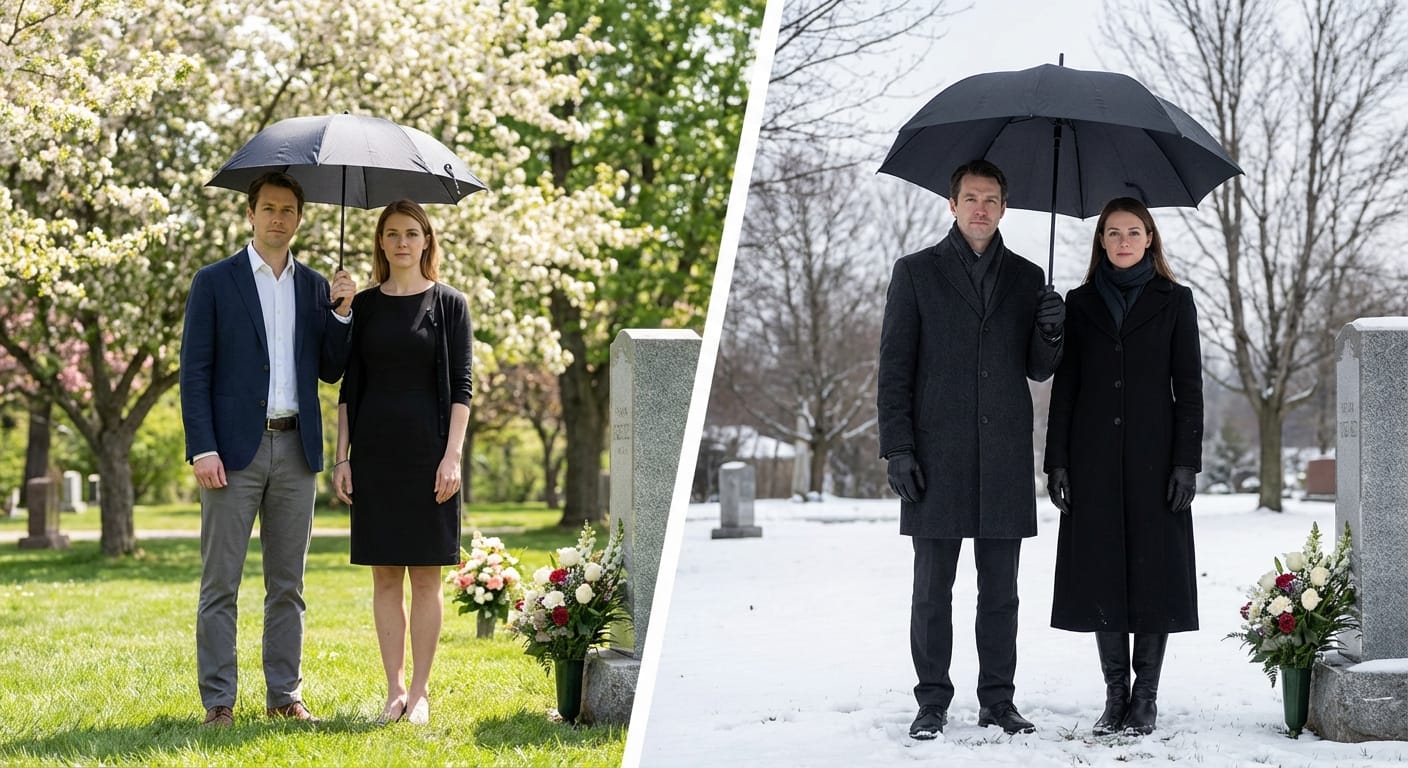
Weather considerations become important for funeral attendance, especially for graveside services or outdoor memorial gatherings. Layering options allow adjustment for temperature changes while maintaining appropriate appearance throughout the service. Consider bringing a dark-colored umbrella or coat that coordinates with your outfit.
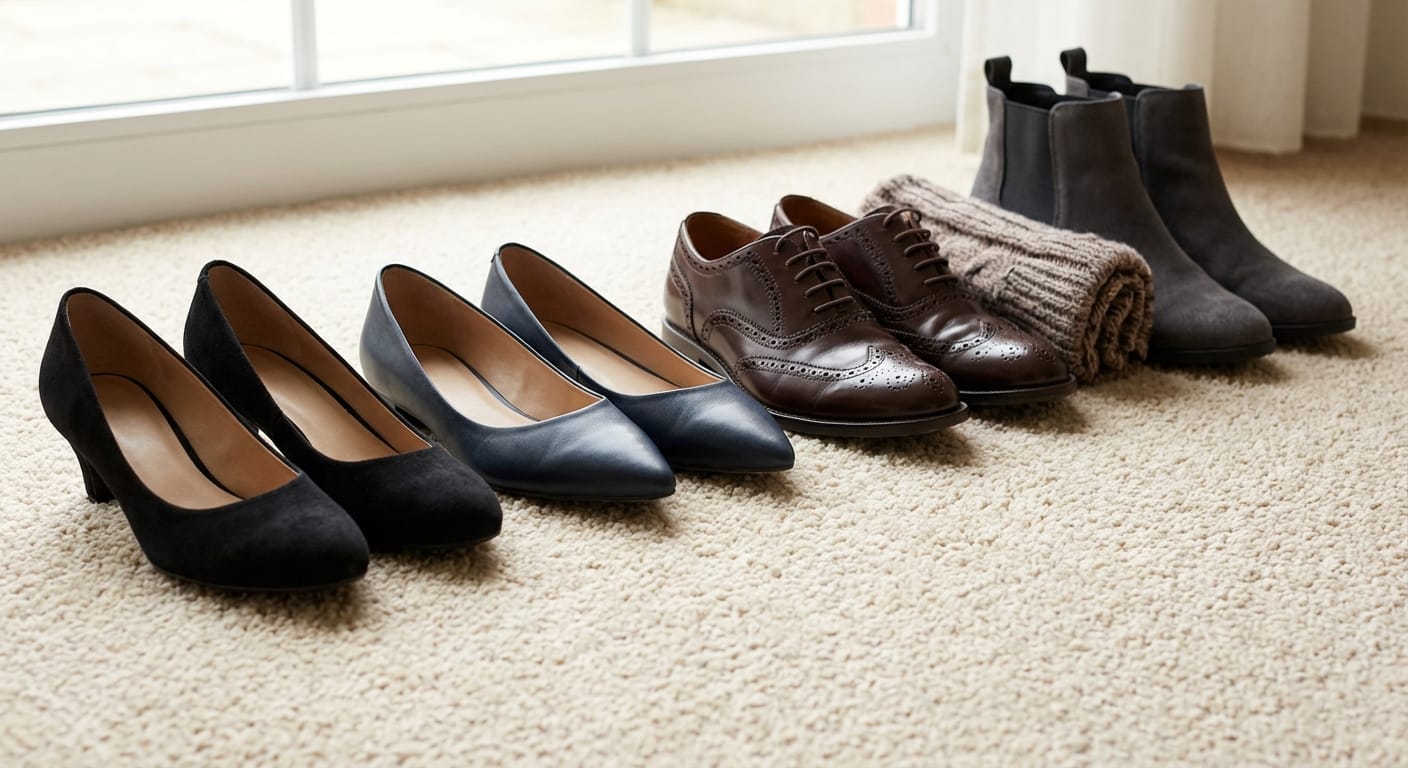
Comfortable footwear proves essential for funeral attendance, particularly when services include graveside ceremonies on uneven ground. Low-heeled shoes provide stability and comfort while maintaining appropriate formality. Avoid shoes that make noise when walking, as quiet movement shows respect during solemn moments.
Many grieving individuals struggle with concentration and energy during funeral attendance. Parting Stone's memorial planning services address these challenges by helping families coordinate all service details in advance, reducing stress for both immediate family members and attendees during emotionally difficult times.
Simplified Decision Framework for Funeral Attire:
- When uncertain, choose darker colors over lighter ones
- Select conservative styling over trendy or revealing options
- Prioritize comfort for extended service duration
- Consider cultural background of deceased and family
- Ask family members directly if you're unsure about expectations
Research examining funeral planning experiences found that 95% of families reported agreement about funeral arrangements, with 80% considering the planning process smooth for those involved, according to a longitudinal study published in the journal OMEGA examining funeral planning consensus among bereaved families.
What if I don't own appropriate funeral attire?
Many people don't keep formal black clothing readily available, and purchasing new attire during grief can feel overwhelming or financially challenging. Several practical solutions can help you dress appropriately without significant expense or stress.
Borrowing appropriate attire from family members or friends often provides the most immediate solution. Most people understand the challenges of finding suitable funeral clothing and willingly share appropriate pieces when asked. Focus on finding items that fit reasonably well rather than perfectly, as slight fitting issues matter less than respectful appearance.
Affordable retail options include discount department stores, thrift shops, or rental services that offer conservative dark clothing. Many communities maintain clothing banks specifically for people needing formal attire for important occasions, including memorial services. Contact local churches, community centers, or social services for these resources.
Can I wear colors other than black to a funeral?
Black remains the safest choice for funeral attire, but other dark colors are generally acceptable across most cultural and religious traditions. Navy blue, charcoal gray, dark brown, and deep purple all convey appropriate respect while offering alternatives when black isn't available.
Some families specifically request attendees wear particular colors that held special meaning for the deceased. Bright colors may be appropriate when families explicitly request celebration-of-life attire or when honoring someone who preferred colorful clothing. Always follow specific family guidance over general funeral attire conventions.
The service's formality level and cultural context influence color appropriateness. Rural or casual memorial services may accept broader color ranges, while formal church services typically maintain traditional expectations for darker color palettes.
What should children wear to a funeral?
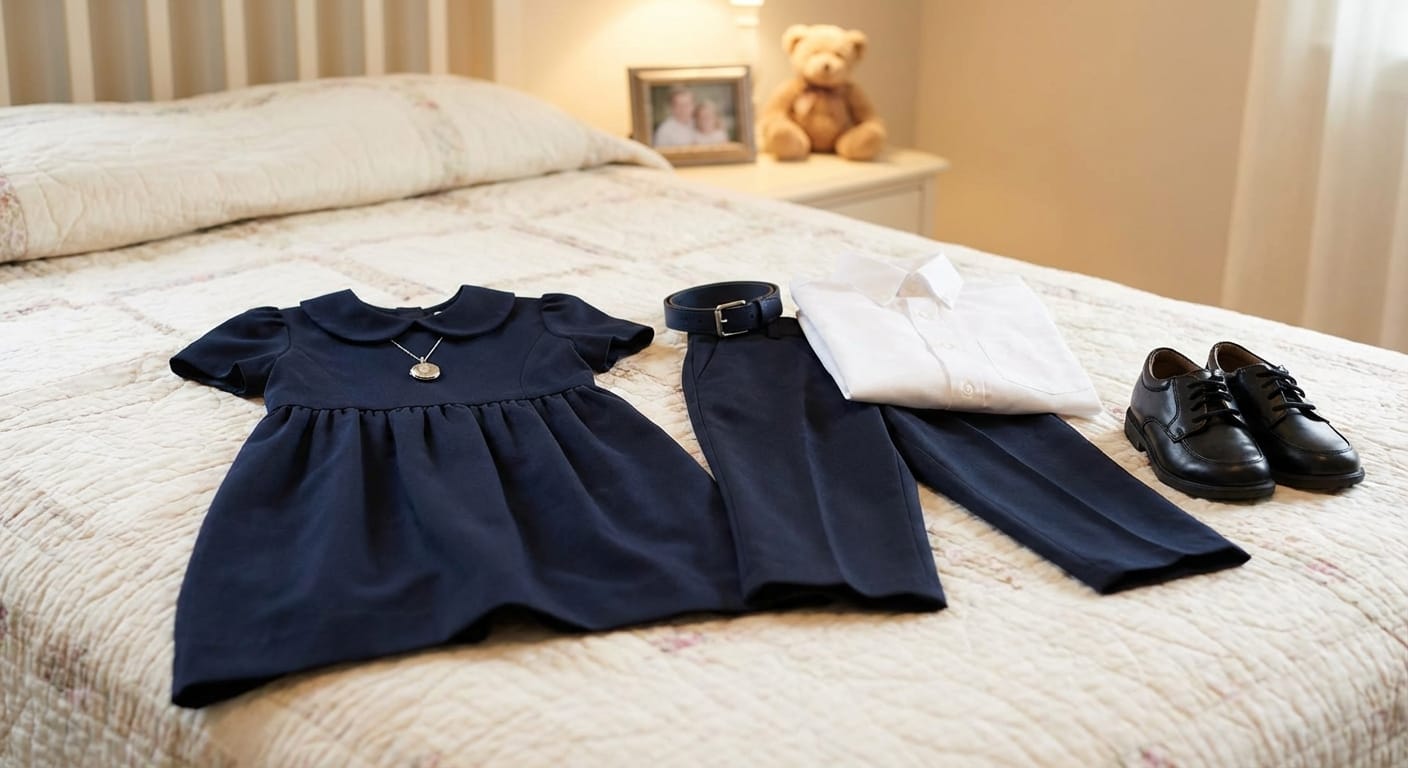
Children's funeral attire follows similar guidelines to adult clothing but with additional considerations for comfort and age-appropriateness. Conservative, modest clothing in dark or muted colors helps children blend respectfully with other attendees while ensuring they feel comfortable during potentially long services.
School-appropriate clothing often translates well to funeral settings for children. Dark dress pants or skirts paired with conservative shirts or blouses provide suitable options that most families already own. Avoid clothing with large logos, bright patterns, or cartoon characters that might seem inappropriate for solemn occasions.
Comfort becomes especially important for children attending funerals, as they may struggle with sitting quietly for extended periods. Choose clothing that allows normal movement without restriction and comfortable shoes suitable for various surfaces, particularly if graveside services are included.
When children face grief, additional support helps them navigate difficult emotions alongside practical concerns. Parting Stone provides families with resources for including children in memorial planning decisions when appropriate, ensuring young family members feel supported throughout the grieving process.
Is it appropriate to wear jewelry to a funeral?

Minimal, understated jewelry is generally appropriate for funeral attendance. Simple pieces that don't draw attention or make noise during the service respect the solemn nature of memorial gatherings while allowing personal expression through meaningful accessories.
Religious jewelry, wedding rings, and small earrings typically fit well within funeral attire guidelines. Avoid large, flashy, or noisy jewelry that might distract from the service or appear disrespectful to the deceased's memory. Choose pieces you can wear comfortably throughout the entire service duration.
Meaningful jewelry connected to the deceased may be especially appropriate for funeral attendance. Wearing a piece of jewelry that belonged to the person who died or that commemorates your relationship can provide comfort while honoring their memory appropriately.
What if the family requests specific attire?
Family requests for specific funeral attire should always take precedence over general guidelines. When families provide attire guidance, they're often honoring the deceased's preferences or cultural traditions important to their grieving process.
Celebration-of-life services may request bright colors or casual attire that reflects the deceased's personality or wishes. Military families might request specific colors to honor service traditions. Some families ask attendees to wear particular items, such as specific colored ribbons or accessories, that held meaning for the person who died.
Follow family guidance as closely as possible while maintaining modest, respectful appearance. When specific requests conflict with your comfort level or cultural background, communicate respectfully with family members to find appropriate alternatives that honor their wishes while meeting your needs.
How formal should my funeral attire be?
Funeral formality levels vary based on cultural background, religious traditions, location, and family preferences. When uncertain about appropriate formality, choose slightly more formal attire rather than risking under-dressing for the occasion.
Business professional attire provides appropriate formality for most funeral services. This level includes suits, conservative dresses, dress pants with modest blouses, and similar professional clothing that maintains respectful appearance without excessive formality.
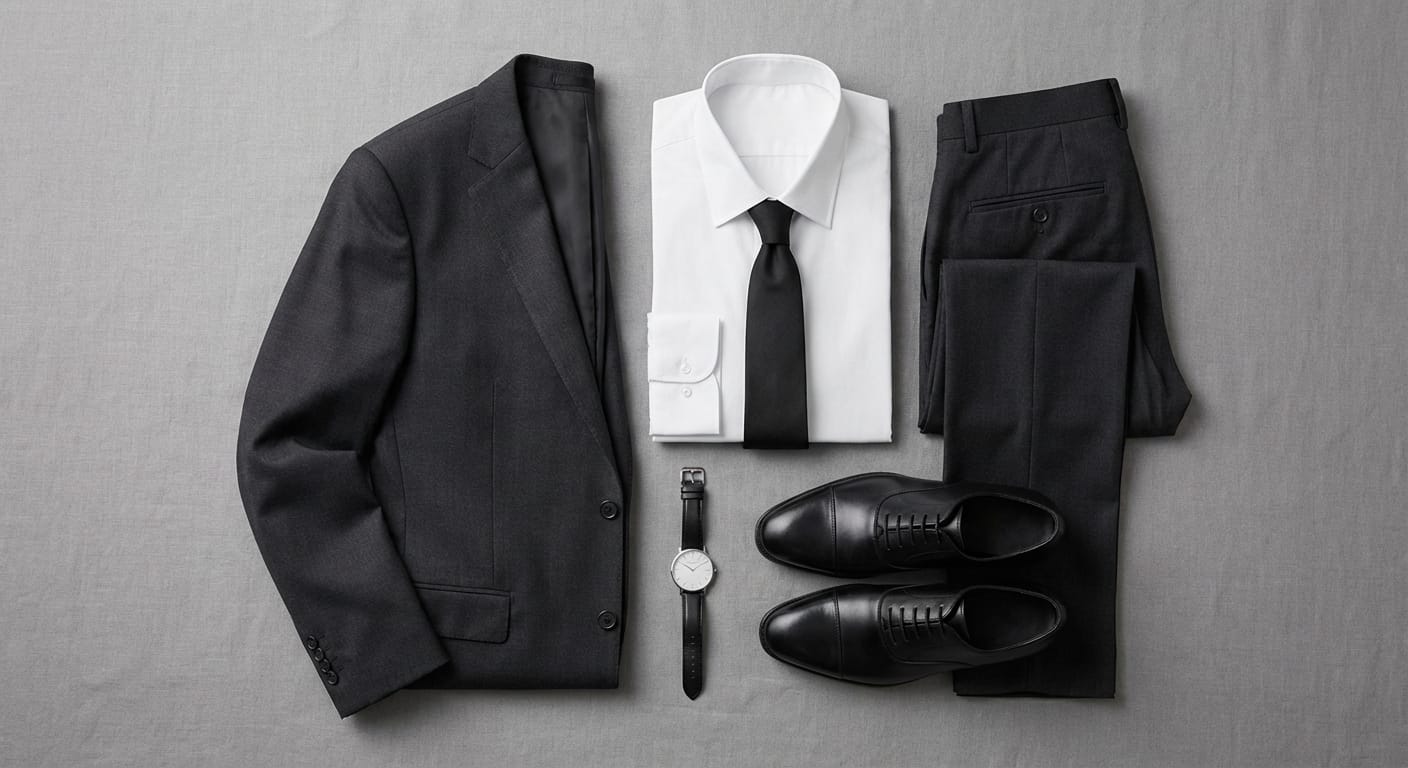
Rural or outdoor memorial services may welcome less formal attire, while urban church services typically expect business professional or formal clothing. Consider the service location, time of day, and cultural background when determining appropriate formality levels.
For families planning memorial services across different formality preferences, professional memorial planning assistance ensures all aspects align with family values. Parting Stone's memorial coordination services help families communicate expectations clearly to attendees while respecting diverse cultural approaches to honoring loved ones.
What should I avoid wearing to a funeral?
Several clothing choices are consistently inappropriate for funeral attendance and include revealing clothing, bright or flashy attire, casual wear, and items that might distract from the service's purpose. Understanding these guidelines helps ensure respectful appearance during memorial gatherings.
Avoid These Funeral Attire Choices:
- Short skirts, low necklines, or tight-fitting clothing
- Bright colors, bold patterns, or flashy accessories
- Athletic wear, jeans, sandals, or casual footwear
- Large jewelry, strong fragrances, or attention-seeking accessories
- Clothing with logos, slogans, or inappropriate graphics
Beach attire, party clothing, or overly casual items show disrespect for the occasion's solemnity. Even outdoor or informal memorial services maintain certain standards for appropriate dress that distinguish the gathering from purely social occasions.
Strong perfumes or fragrances can be problematic during funeral attendance, particularly in enclosed spaces where other attendees may have sensitivities or where fragrances might interfere with floral arrangements honoring the deceased.
Can I wear the same outfit to the viewing and funeral service?
Wearing the same appropriate outfit to both viewing and funeral service is completely acceptable and often practical for attendees managing multiple memorial events. Most people don't expect outfit changes between related memorial services, especially during emotionally challenging times.
Multiple memorial events within short timeframes can create additional stress for attendees already managing grief and practical arrangements. Choosing versatile, appropriate attire that works for both viewing and funeral simplifies planning while maintaining respectful appearance throughout all memorial gatherings.
Consider comfort factors when planning to wear the same outfit for extended memorial events. Choose clothing that remains comfortable for longer periods and maintains appropriate appearance even after several hours of wear during emotionally and physically demanding circumstances.

Memorial Service Planning Beyond Attire: Creating Meaningful Experiences
Funeral attendance represents just one aspect of honoring someone's life and supporting grieving families. Memorial service planning involves numerous decisions that benefit from thoughtful consideration and professional guidance during emotionally challenging times.
Memorial planning encompasses service logistics, tribute elements, reception arrangements, and long-term memorial decisions that extend far beyond immediate funeral concerns. Comprehensive planning ensures all aspects align with family values while reducing stress during acute grief periods.
Consider a family planning memorial services while managing their own grief and supporting other family members through loss. Parting Stone's memorial planning expertise provides comprehensive support for families navigating complex decisions about honoring loved ones, from immediate service needs to lasting memorial options that provide ongoing comfort.
Traditional cremation often leaves families uncertain about meaningful ways to honor their loved one's memory long-term. Parting Stone's solidification process transforms cremated remains into beautiful, touchable memorial stones, providing families with a meaningful alternative that allows ongoing connection while eliminating common concerns about storing traditional cremated remains.
Families frequently struggle with decisions about cremated remains, feeling uncertain about appropriate long-term memorial options. Parting Stone addresses these concerns through innovative solidification technology that creates 40-80 smooth memorial stones from cremated remains, enabling families to share, touch, and display their loved one's memory in ways traditional cremation doesn't allow.
Memorial decision-making often occurs during periods of intense grief when families may struggle with concentration and emotional capacity. Professional memorial services that anticipate family needs and provide comprehensive guidance help ensure important decisions align with family values while reducing stress during vulnerable times.
Grief can manifest in many ways, and some people experience emotional numbness rather than intense sadness. Understanding that there's no "right" way to grieve helps families make memorial decisions that truly honor their unique relationship with their loved one.
Parting Stone's memorial services focus on creating meaningful experiences that honor individual lives while supporting families through grief. This approach ensures memorial planning serves healing purposes rather than creating additional stress during difficult times.
The process of honoring someone's life extends far beyond funeral day activities. Long-term memorial options that provide ongoing comfort and connection often prove most meaningful for grieving families as they navigate life without their loved one's physical presence.
References
Birrell, A., & Sutherland, N. (2016). Cremation and grief: Are ways of commemorating the dead related to adjustment over time? OMEGA - Journal of Death and Dying, 83(2), 371-392. https://doi.org/10.1177/0030222819896887
Funeral and Memorial Information Council. (2015). FAMIC study of the public's attitudes towards ritualization and memorialization. Harris Poll. https://www.famic.org/famic-study/
Gamino, L. A., Easterling, L. W., Stirman, L. S., & Sewell, K. W. (2000). Grief adjustment as influenced by funeral participation and occurrence of adverse funeral events. OMEGA - Journal of Death and Dying, 41(2), 79-92. https://doi.org/10.2190/QJ6X-9XHX-5VXY-9X2Y
Morgan, F., Scott, H., Longo, M., Fackrell, B., Selman, L., & Harding, R. (2024). A rapid review of the evidence for online interventions for bereavement support. BMC Palliative Care, 23(1), 289. https://doi.org/10.1186/s12904-024-01545-7
U.S. Department of Health and Human Services, Office of the Assistant Secretary for Planning and Evaluation. (2023). An overview of bereavement and grief services in the United States. https://aspe.hhs.gov/sites/default/files/documents/1ed9790d93a64e9054e0b25b808f0eff/bereavement-grief-services-report-congress-2023.pdf
Van den Akker, L., Stroebe, M., Stroebe, W., Schut, H., Boelen, P. A., Lancee, J., & Kerstholt, M. (2019). Facilitating grief: An exploration of the function of funerals and rituals in relation to grief reactions. OMEGA - Journal of Death and Dying, 82(3), 381-400. https://doi.org/10.1080/07481187.2019.1686090