
Preparing for a Death Anniversary: A Guide to Navigating Difficult Dates with Intention
Prepare for difficult anniversary dates with coping strategies and support. Navigate grief resurgence with planning and self-compassion.


Key Takeaways
- Preparing for a death anniversary can reduce anticipatory anxiety and help you feel more in control as the date approaches
- Anniversary grief reactions are normal and can include emotional, physical, and behavioral changes weeks before the actual date
- Creating a flexible plan that honors both your loved one's memory and your own needs can provide comfort
- There's no single "right way" to observe an anniversary; what matters is finding approaches that feel meaningful to you
- Practical preparation strategies include identifying support systems, planning meaningful rituals, and allowing space for whatever emotions arise
- Physical memorial objects can provide tangible comfort during difficult anniversary times
Love, loss, and the ways we carry them.
As a grief educator, I’ve learned that the days surrounding a death anniversary carry their own emotional weather. Even when we think we’re not watching the calendar, our bodies often are. Memories surface in the nervous system long before the date arrives. Sleep becomes restless, moods shift, and a heaviness settles in the chest. This is the “anniversary effect,” a completely normal, well-documented response. Preparing for it isn’t about bracing for pain, it’s about meeting yourself with gentleness.
Intentional planning can help. When we create a loose framework for the weeks ahead, like identifying a support system, deciding how we want to spend the day, preparing soothing rituals, we reclaim a sense of agency. We remind ourselves: I can meet this moment with compassion. Grief psychologists have shown that proactive planning often softens distress and provides emotional steadiness during difficult dates.
I think of Liza, who lost her younger brother two years ago. “I didn’t even realize the anniversary was coming,” she told me. “I just felt… off.” When the date finally appeared on her phone calendar, the feelings made sense. That year, she chose to hold one of his solidified remains—a smooth, warm Parting Stone she kept by her bedside. “It grounded me,” she said. “It gave my grief a place to rest.” She later created a small ritual around it, lighting a candle and speaking to him softly, something she now does each year.
Preparation doesn’t erase ache, but it helps us move through it with intention. And perhaps that is the quiet gift of anniversary grief: a reminder that love endures, memory holds, and we can honor both with tenderness—one mindful choice at a time.
Cathy Sanchez Babao
Parting Stone Grief Coach
How Do You Prepare for Death Anniversary Grief?
Preparing for a death anniversary begins with acknowledging that the approaching date may bring intensified emotions, and that planning ahead can help you navigate this time with more intention and self-compassion. The weeks leading up to an anniversary often carry their own weight, as anticipatory anxiety builds alongside memories of the time leading to your loss.
Effective preparation involves creating a flexible framework that honors both your loved one and your own wellbeing. This might include identifying your support system, deciding how you want to spend the day, preparing for potential emotional responses, and giving yourself permission to change your plans if needed. Research from grief psychology shows that individuals who engage in proactive planning for anniversary dates often experience less distress and greater sense of agency during these difficult times (Worden, 2018).
The goal isn't to eliminate painful feelings or "get through" the day, but rather to approach it with awareness and self-compassion, recognizing that whatever you experience is valid.

A New Way to Hold Close What Matters Most
We transform cremated remains into beautiful, touchable stones that bring comfort when you need it. Something you can hold, share, and keep close.
Understanding Anniversary Grief Reactions
The Science Behind Anniversary Responses
Anniversary reactions, sometimes called "anniversary effects," are well-documented phenomena in grief psychology. Studies published in the Journal of Loss and Trauma indicate that these reactions can begin weeks before the actual anniversary date and may include heightened emotional sensitivity, sleep disruptions, changes in appetite, and increased yearning for the person who died (Rando, 1993).
Your body and mind may respond to temporal cues, even when you're not consciously tracking the calendar. Some people notice they feel "off" or more fragile during certain times of year, only to realize later that an anniversary was approaching. This isn't unusual. Your nervous system may hold memories that surface seasonally.
What Anniversary Grief Can Look Like
Anniversary grief preparation becomes easier when you understand what you might experience. For some, the anticipation feels harder than the day itself. Others find the actual anniversary brings unexpected intensity. Many people discover that their reactions evolve over the years, with some anniversaries feeling particularly difficult while others pass more gently.
Common experiences include:
- Intrusive memories of the time surrounding the death
- Physical sensations similar to those you experienced during the loss
- Heightened emotional reactivity to seemingly small triggers
- Desire to isolate or, conversely, strong need for connection
- Temporary return of acute grief feelings you thought had softened
"The body keeps score. Even when our minds aren't consciously tracking time, our nervous systems remember significant dates. Preparing for these moments isn't about controlling our grief but about holding ourselves with compassion when it arrives."
Dr. Joanne Cacciatore
Founder of the MISS Foundation
Creating Your Anniversary Preparation Plan
Starting Early: The Six-Week Window
Research from the Center for Complicated Grief at Columbia University suggests that beginning your death anniversary planning approximately six weeks in advance allows you to make decisions from a clearer emotional space, rather than in the midst of acute distress (Shear et al., 2014). This timeline isn't rigid, however. Some people prefer to plan months ahead, while others find a few weeks sufficient.
During this preparation phase, you might consider:
- How you want to spend the day itself
- Who you want to be with (or if you prefer solitude)
- Whether you'll work or take time off
- What rituals or activities might feel meaningful
- What might bring comfort if emotions become overwhelming
@ohthatjenny If you would like more information on Parting Stone and the process please dont hesitate to ask. I feel so confident that Chris would love this way of keeping his memory alive. He is SO missed and loved still and always. #partingstone #partingstones #lifeafterloss #griefandloss @PartingStone
♬ original sound - Jenny
Building Your Support Framework
Identifying your support system before the anniversary arrives can make difficult moments more manageable. This might include close friends or family members who understand your grief, a therapist or grief counselor, support group connections, or online communities where you feel safe sharing.
Consider having what grief educator David Kessler calls a "lifeline list" - specific people you can reach out to for different types of support. Perhaps one friend is excellent at simply sitting with you in silence, while another helps by engaging you in distracting activities. Knowing who to call and for what can reduce decision-making burden when you're in distress.
Sarah from Portland, Oregon 🖤 shares: "Having tangible items from my mom made the first anniversary less overwhelming. I could hold her solidified remains, feel their weight and smoothness, and it brought me comfort when words failed."
Meaningful Ways to Honor Memory
Designing Personal Rituals
Death anniversary coping strategies often center on creating rituals that feel personally significant rather than following prescribed traditions. Some people find comfort in visiting meaningful locations, while others prefer staying home with photographs and memories. What matters is finding approaches that resonate with your relationship and your current needs.
You might consider:
- Writing a letter to your loved one
- Preparing their favorite meal
- Visiting places that held special meaning
- Engaging in activities you enjoyed together
- Creating art or music as expression
- Planting something living in their memory
For those with solidified remains, the anniversary might be a time to incorporate these tangible memorial objects into rituals. Some families gather together, each person holding stones while sharing memories. Others find comfort in the portability of solidified remains, allowing them to bring their loved one to significant locations. The tactile quality provides a physical connection that can be grounding during emotionally intense moments.
The Power of Tangible Connection
Physical objects that maintain connection to your loved one can serve as anchors during anniversary times. Traditional cremated remains, while deeply meaningful, can be difficult to interact with physically. This is where alternative memorial options like solidified remains offer unique comfort.
Parting Stone's process transforms cremated remains into 40-80+ smooth, touchable stones that can be held, carried, and shared among family members. At $2,495 for human remains solidification, this service provides a complete alternative to traditional ashes, creating memorial objects you can interact with directly during difficult moments. Many people describe the stones as providing both symbolic and literal weight, a tangible reminder they can hold during anniversary observances.
Michael from Austin, Texas 🖤 notes: "On the second anniversary of my father's death, I held one of his stones during the entire memorial service. That physical connection helped me stay present instead of dissociating from the pain."
@chloebluffcakes Thank you @partingstone 🤍 youve given me an unimaginable gift. One day I will share these with my little sister and carry her wherever we go in life together. #grief #partingstone #loss
♬ Repeat Until Death - Novo Amor
Practical Preparation Strategies
Managing Expectations and Energy
One of the most helpful aspects of anniversary grief planning involves setting realistic expectations about what you can handle emotionally and practically. This isn't the time to plan elaborate events unless that genuinely feels right. Many people find that simplicity serves them better.
| Preparation Area | One Month Before | One Week Before | Day Before | Day Of |
|---|---|---|---|---|
| Emotional | Identify feelings about approaching date | Journal about concerns or hopes | Practice self-compassion exercises | Allow whatever emotions arise |
| Practical | Decide on time off work if needed | Confirm plans with support people | Prepare comfort items or activities | Keep schedule flexible |
| Physical | Assess self-care needs | Stock comfort foods/necessities | Get adequate rest | Honor body's needs |
| Social | Communicate boundaries to others | Remind close people of date | Confirm who will check in | Accept help offered |
Preparing Your Environment
Your physical environment can significantly impact how you experience difficult date preparation. Some people find comfort in creating a temporary memorial space at home, gathering photographs, meaningful objects, and perhaps flowers or candles. Others prefer to keep their environment mostly unchanged, finding stability in routine.
If you have solidified remains, you might choose to display them specially for the anniversary, creating a focal point for reflection and remembrance. The stones' natural aesthetic quality allows for various display options, from simple bowls to more elaborate arrangements, depending on what feels appropriate.
Communication Planning
Deciding what to communicate to others about the upcoming anniversary and what you need from them is an important part of preparation. Some people prefer privacy, while others find support in having their community acknowledge the date.
You might:
- Send a brief message to close people mentioning the approaching date
- Clearly state whether you want company or solitude
- Let colleagues know you may need flexibility
- Prepare a simple response for people who ask how you're doing
- Give yourself permission to change your mind about social plans
@mikkzazon The company is @PartingStone ♥️ #partingstones #griefjourney #griefawareness
♬ original sound - Mik Zazon
Navigating the Day Itself
Flexibility as a Core Strategy
Even the most thoughtful anniversary grief preparation can't predict exactly how you'll feel when the day arrives. Building flexibility into your plans allows you to respond to your actual needs rather than feeling bound by predetermined decisions.
Consider creating a "menu" of options rather than a fixed schedule. You might list several meaningful activities, comfort strategies, and support options, then choose among them based on how you're feeling. This approach reduces pressure while maintaining structure.
When Plans Change
It's entirely normal to have a plan for memorial date preparation and then find yourself wanting something completely different when the day comes. Perhaps you planned to visit the cemetery but wake up feeling unable to leave home. Or you intended to spend the day alone but find yourself craving connection. Whatever shifts occur are valid.
Jennifer from Seattle, Washington 🖤 reflects: "I had elaborate plans for my daughter's first death anniversary, but when the day came, I could barely get out of bed. My sister brought food, sat with me, and we just looked at photos together. It wasn't what I planned, but it was what I needed."
Supporting Yourself Through Difficult Moments
Grounding Techniques for Intense Emotions
When preparing for a death anniversary, it helps to have specific techniques ready for moments when grief feels overwhelming. Grounding exercises can help you stay present rather than becoming lost in panic or despair.
Physical grounding methods that many people find helpful include:
- Holding ice cubes or running cold water over your wrists
- Pressing your feet firmly into the floor and noticing the sensation
- Naming five things you can see, four you can hear, three you can touch
- Using textured objects to engage your sense of touch
- Engaging in rhythmic movement like walking or rocking
For those with solidified remains, the stones themselves can serve as grounding objects. Their smooth texture, cool temperature, and substantial weight provide sensory input that can help regulate your nervous system during distress. Many people describe holding the stones during difficult moments as providing both comfort and focus.
 Parting Stone Editors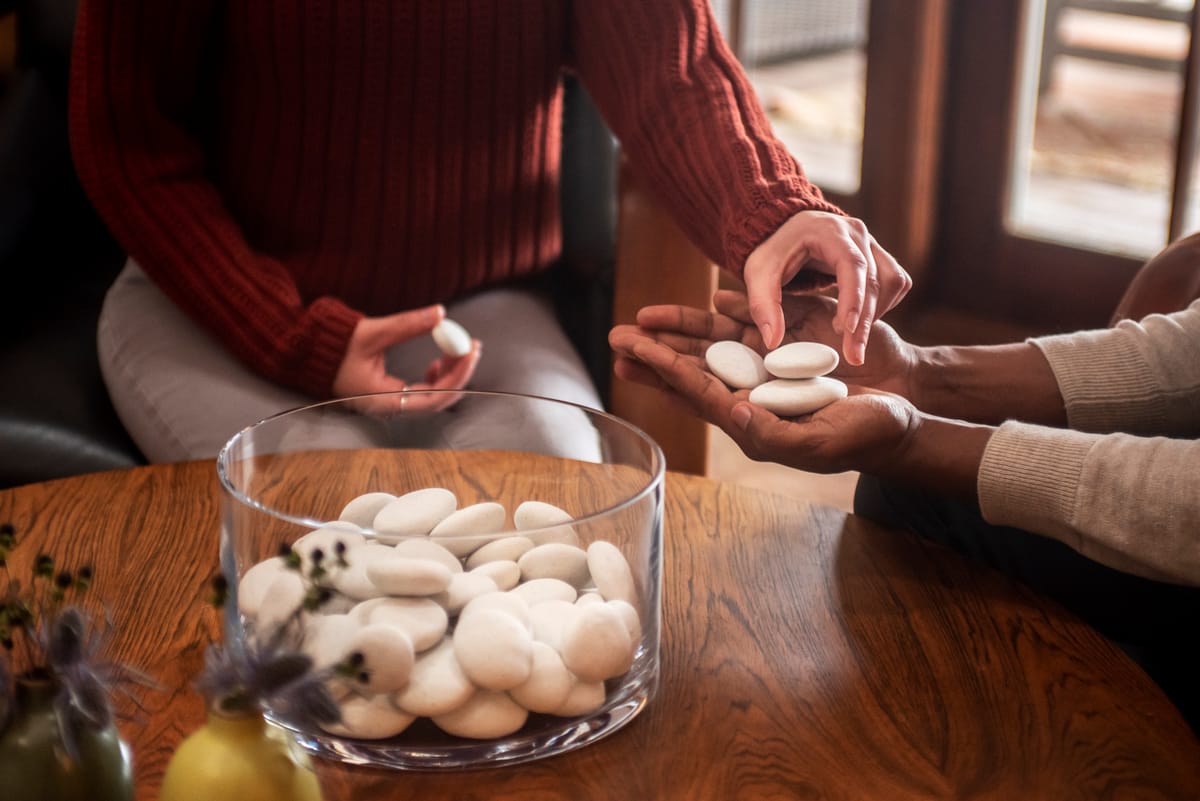
Allowing the Full Range of Experience
Part of effective death anniversary coping involves releasing expectations about what you "should" feel or how you "should" behave. Grief researcher J. William Worden emphasizes that there's no hierarchy of grief and no correct way to experience anniversary reactions (Worden, 2018). You might feel sad, angry, numb, grateful, peaceful, or experience rapid shifts between states.
Some moments might bring unexpected laughter as you remember joyful times. Others might involve intense pain. You might feel relief that another year has passed, or distress about time moving forward. All of these responses coexist naturally within grief.
"Preparing for anniversary grief isn't about controlling the experience but about creating conditions where you can meet whatever arises with compassion rather than judgment." - Dr. Alan Wolfelt, Center for Loss and Life Transition
After the Anniversary Passes
The Post-Anniversary Period
Anniversary grief preparation ideally includes consideration for the days and weeks following the anniversary date. Many people experience a "letdown" period after intensely difficult dates pass, particularly if they've been managing anticipatory anxiety for weeks.
You might feel emotionally exhausted, physically depleted, or experience a sense of emptiness now that the date you've been bracing for has passed. This is a normal part of the cycle. Continuing to practice self-compassion and maintaining connection with your support system remains important during this transition.
 Parting Stone Editors
Reflecting and Learning
After navigating an anniversary, some people find it helpful to reflect on what served them well and what they might want to change for future difficult dates. This isn't about judging your choices but rather gathering information about your needs and preferences.
You might consider:
- What aspects of your preparation helped most?
- What could you release or modify next time?
- Did your needs differ from what you anticipated?
- What surprised you about your experience?
- What do you want to remember for future anniversaries?
Trevor kept the cremated remains of his dad in his sock drawer. Learn how solidified remains helped bring meaning back to one of his most treasured possessions.
Long-Term Perspective on Anniversary Grief
How Anniversaries Evolve Over Time
Research from the Harvard Child Bereavement Study indicates that anniversary reactions typically shift over the years, often becoming less intense though never disappearing entirely (Worden & Silverman, 1996). What you need for preparing for death anniversary observances may change significantly as time passes.
Early anniversaries often carry more acute pain as you experience each "first" without your loved one. Later anniversaries might bring more reflection, gratitude for memories, or integration of the loss into your ongoing life story. Some years may feel unexpectedly difficult due to life circumstances, while others pass more gently.
Building a Personal Anniversary Practice
Over time, many people develop their own anniversary traditions that feel meaningful and sustainable. These practices might include annual rituals, ways of involving children or extended family, or creative expressions of memory and connection.
The key is allowing these practices to evolve naturally rather than feeling locked into specific approaches. What brings comfort one year might feel burdensome the next. Honoring your changing needs across time is part of honoring your ongoing relationship with grief and memory.
David from Denver, Colorado 🖤 shares: "Each year on my wife's anniversary, I take one of her stones to a place we loved together. The practice has become sacred to me, a way of bringing her along on the journey of my continuing life."
Finding Professional Support When Needed
While preparing for a death anniversary independently can be valuable, some situations call for professional grief support. If you're experiencing prolonged functional impairment, thoughts of self-harm, substance use concerns, or feel overwhelmed by the approaching date despite your preparation efforts, reaching out to a grief therapist or counselor can provide crucial support.
The Association for Death Education and Counseling and organizations like the Dougy Center maintain directories of certified grief professionals. Many therapists now offer telehealth options, increasing accessibility for those in areas with limited local resources.

Conclusion
Preparing for a death anniversary represents an act of self-compassion and respect for both your loss and your ongoing life. While no amount of planning can eliminate the pain that anniversary dates may bring, thoughtful preparation can help you navigate these difficult times with greater intention, awareness, and support.
Remember that your approach to anniversary grief planning can be as unique as your relationship with the person who died. What matters isn't following prescribed formulas but finding what brings you comfort, honors your loved one's memory, and respects your current needs. Whether you choose elaborate rituals or quiet reflection, active engagement or gentle rest, your path through anniversary grief is valid.
As you continue your grief journey, may you find ways to hold both the pain of absence and the gift of having loved deeply. The anniversary may mark a difficult date, but it also marks the continuation of your bond, now transformed but never truly broken.
Frequently Asked Questions
How far in advance should I start preparing for a death anniversary?
Starting your preparation approximately 4-6 weeks before the anniversary date often provides enough time to make thoughtful plans without extending anticipatory anxiety unnecessarily. However, this timeline is flexible and depends on your personal needs. Some people prefer beginning preparations several months in advance, particularly for first anniversaries, while others find that a week or two is sufficient. The goal is to give yourself enough time to consider your options and arrange support without spending excessive time in anticipatory distress. Trust your own sense of what feels right for your situation.
Is it normal to feel worse before the anniversary than on the actual day?
Yes, this experience is very common in anniversary grief preparation. Many people find that anticipatory anxiety in the weeks leading up to the anniversary feels more intense than the day itself. This happens because your mind may be running through various scenarios, worrying about how you'll cope, or remembering the time period surrounding your loss. Once the actual date arrives, you're no longer anticipating but experiencing, which can sometimes feel more manageable. The anxiety often decreases once you're actively navigating the day rather than imagining it. This pattern is well-documented in grief psychology research.
What if I don't want to do anything special for the anniversary?
Choosing not to mark the anniversary with specific rituals or activities is completely valid. There's no obligation to observe the date in any particular way. Some people find that treating it as an ordinary day feels most comfortable, while others need active engagement to process their emotions. Your approach might also change from year to year. What matters is honoring your own needs rather than meeting external expectations. If you prefer to let the day pass quietly without special acknowledgment, that's a legitimate choice in your grief journey.
How do I handle other people's expectations about how I should spend the anniversary?
Setting clear boundaries with others is an important part of death anniversary coping. You might communicate your plans (or preference for no specific plans) to close family and friends, explaining what kind of support would be helpful. It's okay to be direct: "I'm planning to spend the day quietly alone," or "I'd appreciate company but don't want to talk about the anniversary directly," or "I'm not doing anything special this year." Remember that others may have their own needs around the date, particularly if they also knew your loved one. Finding ways to respect both your needs and theirs might involve compromising on timing - perhaps gathering the week before or after rather than on the exact date.
Can anniversary grief get easier over time, or will every year be difficult?
Anniversary reactions typically evolve over time, often becoming less intense as years pass, though they rarely disappear entirely. Research indicates that while early anniversaries (particularly the first through fifth) tend to carry more acute pain, later anniversaries often shift toward reflective remembrance rather than overwhelming grief. However, this isn't a linear progression - some years may unexpectedly bring more difficulty due to life circumstances, milestone ages, or other factors. Many people find that their relationship with anniversary dates changes: what begins as dreaded, painful days can eventually become meaningful opportunities for intentional remembrance, though tinged with sadness. The intensity may soften, but the significance of the date often remains throughout your life.
About the Editor
Cathy Sanchez Babao is a Grief Coach at Parting Stone, a grief educator, counselor, author, and columnist who has dedicated her career to helping individuals and families navigate loss. She writes the “Roots and Wings” column for the Philippine Daily Inquirer and is the author of Heaven’s Butterfly and Between Loss and Forever: Filipina Mothers on the Grief Journey. Cathy holds a B.S. in Business Administration and Management from Ateneo de Manila University and an M.A. in Family Psychology and Education from Miriam College, with advanced grief training at the Center for Loss & Life Transition and the Center for Prolonged Grief at Columbia University.
References
Cacciatore, J., & Flint, M. (2012). ATTEND: Toward a mindfulness-based bereavement care model. Death Studies, 36(1), 61-82. https://www.tandfonline.com/doi/abs/10.1080/07481187.2011.591275
Kessler, D. (2019). Finding meaning: The sixth stage of grief. Scribner. https://grief.com
Rando, T. A. (1993). Treatment of complicated mourning. Research Press. https://www.researchpress.com
Shear, M. K., Wang, Y., Skritskaya, N., Duan, N., Mauro, C., & Ghesquiere, A. (2014). Treatment of complicated grief in elderly persons: A randomized clinical trial. JAMA Psychiatry, 71(11), 1287-1295. https://jamanetwork.com/journals/jamapsychiatry/fullarticle/1898591
The Dougy Center. (n.d.). Supporting grieving children and families. https://www.dougy.org
Wolfelt, A. D. (2016). Counseling skills for companioning the mourner: The fundamentals of effective grief counseling. Companion Press. https://www.centerforloss.com
Worden, J. W. (2018). Grief counseling and grief therapy: A handbook for the mental health practitioner (5th ed.). Springer Publishing Company. https://springerpub.com
Worden, J. W., & Silverman, P. R. (1996). Parental death and the adjustment of school-age children. Omega: Journal of Death and Dying, 33(2), 91-102. https://journals.sagepub.com/home/ome