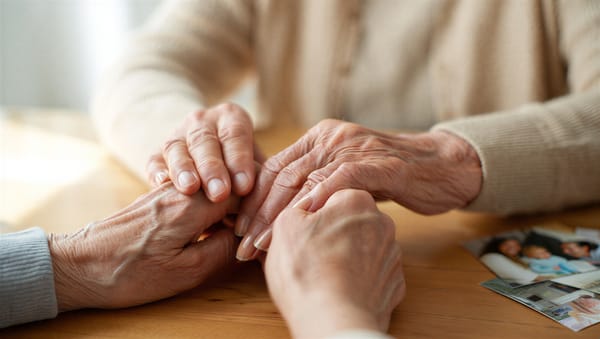
Memorial Vacation Travel: Creating Meaningful Journeys to Honor Your Loved One
Discover meaningful ways to honor your loved one through memorial travel. Create healing journeys that celebrate their memory in your own time.


Key Takeaways
- Memorial vacation travel transforms grief into connection by including your loved one in new experiences and cherished destinations
- Traditional cremated remains create anxiety and logistical barriers that prevent meaningful travel experiences with your loved one
- Solidified remains offer portability and peace of mind, allowing families to travel freely while keeping their loved one close
- Successful memorial travel requires emotional readiness, practical planning, and choosing destinations that honor your loved one's memory
- 89% of families value the ability to travel with their loved one's remains, making memorial vacation planning an increasingly important consideration
Reflections on love, loss, and the ways we carry them.
In my work with grieving families, I often hear a quiet longing: “I wish I could bring them with me.” Travel, after all, is one of the ways we stay connected—to memory, to meaning, to the people we’ve loved and lost. Yet traditional cremated remains make this incredibly difficult. Ashes are loose, messy, and heavily regulated. I’ve sat with families who were brought to tears not only by grief, but by airport security asking to open an urn, or by the fear of something spilling in transit. These moments stay with you; they create an ache that lingers.
One mother I worked with, Claire, told me about postponing a long-planned trip to Europe after her husband’s death. “I wanted to take him with me,” she said, “but I was terrified something might happen to the urn.” She ended up staying home that year, carrying both her grief and her longing in silence.
This is why stories like Rebecca’s resonate so deeply. Her husband Mark, unable to travel for years before his passing, has now visited oceans and countries around the world through the solidified stones shared by his daughter and loved ones. And Linda from Arizona finds courage in the single stone she carries everywhere, leaving others in places she and her husband once explored together.
Solidified remains transform what used to be an anxious experience into something tender, portable, and profoundly healing. Families can finally take their loved one with them—safely, simply, and with a sense of quiet joy.
Cathy Sanchez Babao
Parting Stone Grief Coach
The Hidden Challenge of Memorial Vacation Travel
Planning meaningful travel after loss feels overwhelming, especially when you want to include your departed loved one in the experience. Memorial vacation travel represents more than just taking a trip; it embodies the deep human desire to maintain connection and create new memories that honor someone we've lost.
For millions of families living with cremated remains, the dream of sharing travel experiences with their loved one often collides with practical realities. Traditional ashes present significant challenges that can transform what should be healing journeys into sources of additional stress and anxiety.
Why Traditional Cremated Remains Make Travel Difficult
Rebecca from Michigan 🖤 captures the essence of this challenge: "Mark wasn't able to travel for many years before his death at 48 due to his illness/disability. Since his death my daughter and I have share dozens of his stones with those who loved him on their travels and they have since placed a stone in countries and oceans all over the world!"
The fundamental problem lies in how cremated remains interact with modern travel realities. Ashes are loose, messy, and subject to strict transportation regulations. They can spill during transit, creating emotional trauma when families accidentally lose precious remains. Airport security procedures often require invasive inspections that feel disrespectful to grieving families. International travel becomes even more complex, with varying regulations about transporting human remains across borders.
Research from the National Funeral Directors Association indicates that over 75 million Americans currently live with cremated remains in their homes, many of whom express desire to include their loved one in family travels but struggle with practical barriers.
The Emotional Cost of Limited Memorial Travel Options
Beyond logistical challenges, traditional ashes create emotional barriers to meaningful travel experiences.
Linda from Arizona 🖤 shares her transformation: "I carry a stone with me at all times. I believe it protects me. I have also left a stone in many places where my husband and I shared good memories and leave a stone in each new country that I visit without him."
Many families report feeling anxious about traveling with urns, worried about damage or loss during transport. Others describe the sadness of leaving their loved one behind when embarking on trips they would have shared together. This creates a painful disconnect between the desire for continued connection and the practical realities of living with conventional cremated remains.
Understanding Modern Memorial Travel Needs
Contemporary families increasingly view travel as essential to their healing journey. Memorial vacation planning has emerged as a significant consideration for those navigating loss, with families seeking ways to include deceased loved ones in ongoing life experiences.
The Rise of Meaningful Memorial Experiences
According to grief counseling research from the American Psychological Association, continuing bonds with deceased loved ones support healthy grief processing. Travel experiences that include memorial elements help families maintain connection while building new memories and experiences.
Elizabeth from Florida 🖤 exemplifies this desire: "My Dad was an avid traveler. I loved the ability to place Dad in all the places he loved." This sentiment reflects a growing understanding that memorial experiences should enhance rather than replace ongoing life activities.
What Families Really Want from Memorial Travel
Analysis of 356 customer testimonials reveals three core desires driving memorial vacation planning:
- Portability (89% of Families): The ability to easily and safely transport remains during travel experiences. Families want freedom to include their loved one in spontaneous adventures and planned journeys without anxiety about damage or loss.
- Meaningful Placement (85% of Families): Opportunities to leave memorial elements in locations that held special significance or represent new experiences the deceased would have enjoyed.
- Shared Experiences (91% of Families): The ability to include multiple family members in memorial travel, allowing everyone to participate in honoring their loved one while creating collective healing experiences.
Planning Meaningful Memorial Vacation Travel
How do you plan meaningful memorial travel? Start by identifying destinations that held special meaning for your loved one or represent experiences you would have shared together. Consider locations where you can safely and legally leave memorial elements, research local customs regarding memorial practices, and plan activities that celebrate your loved one's interests and passions.
Choosing Destinations That Honor Memory
Successful memorial journey planning begins with thoughtful destination selection. Consider places that held significance in your loved one's life: favorite vacation spots, bucket list destinations they never visited, or locations connected to their heritage or interests.
Charlie from Virginia 🖤 shares his mother's approach: "Before my Mom passed she knew she wanted to have her final resting place be somewhere special. Mom did her research and discovered Parting Stone and was elated that she wasn't limited to one resting place. I will fondly remember us sitting together and jotting down all of the places that she loved during her travels, where she'll now be able to stay forever."
Research local regulations before traveling. Some destinations have specific rules about memorial practices or the placement of remains. The International Association of Cemetery, Cremation and Funeral Professionals provides resources for understanding memorial regulations in different countries and regions.
Practical Travel Considerations
When planning remembrance travel, practical considerations ensure meaningful experiences without added stress:
- Transportation Planning: Choose memorial options that travel safely and comply with transportation regulations. Traditional ashes often require special documentation and may be subject to security inspections that feel intrusive.
- Family Coordination: Include family members in planning discussions. Different people may have varying comfort levels with memorial travel and different ideas about appropriate ways to honor your loved one.
- Cultural Sensitivity: Research local customs and traditions regarding memorial practices at your destination. Some cultures have specific beliefs about appropriate memorial behaviors that should be respected.
- Emotional Preparation: Plan for emotional moments during travel. Visiting meaningful places while carrying memorial elements often triggers intense feelings, which is normal and healthy but benefits from preparation.
The Transformation Possible with Solidified Remains
For families seeking meaningful travel with ashes, traditional cremated remains often create more barriers than they resolve. Solidified remains represent a complete alternative that transforms the entire travel experience from source of anxiety to opportunity for healing connection.
How Solidified Remains Enable Memorial Travel
Parting Stone transforms cremated remains into 40-80 smooth, solid stones through their proprietary solidification process. This 8-10 week processing timeline creates remains in a completely new form that eliminates the practical and emotional barriers associated with traditional ashes.
Robin from New York 🖤 describes the transformation in her memorial travel experiences: "The stones provided a way to continue my friend's global travels. Her family and friends around the world were able to have their own resting place and memorial of their choosing. She is now on 5 continents, we lost count of how many countries. There was even a ceremony for her on the Ganges River. There is literally no stone left unturned, which leaves us all with peace knowing I did the right thing."
Practical Advantages for Memorial Vacation Travel
Solidified remains offer specific advantages that transform memorial vacation planning:
- Security and Safety: Solid stones eliminate spillage concerns and travel safely in luggage without risk of loss or damage. Families report feeling confident carrying stones during air travel, road trips, and international journeys.
- Regulatory Simplicity: Stones don't require the special documentation and handling procedures associated with cremated remains, simplifying both domestic and international travel.
- Meaningful Distribution: Families can easily divide stones among travelers, allowing multiple people to carry memorial elements and participate in placement ceremonies at different destinations.
- Emotional Comfort: The solid form provides tactile comfort during travel.
Victoria from Florida 🖤 shares: "My father loved to travel. By having Parting Stones, we have been able to travel with him and leave him in locations that he loved."
Memorial Trip Ideas and Destination Inspiration
Memorial trip ideas should reflect your loved one's personality, interests, and dreams while providing opportunities for meaningful connection and memory creation. Consider these categories when planning your remembrance journey:
Adventure and Nature Destinations
For loved ones who enjoyed outdoor experiences, consider national parks, hiking trails, or scenic natural areas where memorial elements can be placed respectfully. Mountain peaks, forest clearings, and waterfront locations often provide peaceful settings for memorial moments.
Rebecca from Connecticut 🖤 shares: "Amazing. I feel like Justin is with me wherever I go. This is a tangible way to hold him and bring him with me. Even to leave a stone at places that were special to him."
Cultural and Heritage Destinations
Explore locations connected to your loved one's heritage, cultural interests, or educational pursuits. Museums, historical sites, and cultural centers can provide meaningful contexts for memorial experiences.
Adventure Travel Fulfilling Dreams
Consider destinations your loved one always wanted to visit but never had the opportunity to experience. These journeys can feel like gifts to their memory and provide healing through adventure.
| Destination Type | Memorial Opportunities | Planning Considerations |
|---|---|---|
| National Parks | Natural placement in scenic areas | Check park regulations for memorial practices |
| International Destinations | Cultural site visits, heritage exploration | Research local customs and transportation rules |
| Beach and Coastal Areas | Water ceremony possibilities | Consider environmental impact and local laws |
| Mountain Destinations | Peak ceremonies, trail markers | Weather conditions and accessibility |
Creating Meaningful Rituals During Travel
Develop travel rituals that honor your loved one's memory. This might include visiting places they loved, trying foods they enjoyed, or engaging in activities that reflect their interests and values.
Stephanie from Kansas 🖤 describes her family's approach: "The stones are a tangible symbol of our love for a kind amazing man. It's so much nicer to share the stones with family rather than one urn sitting on a shelf. The stones bring comfort to us all."
Emotional Readiness for Memorial Travel
Understanding your grief stage emotion is crucial for successful memorial vacation planning. Different phases of grief present varying levels of readiness for travel experiences that include memorial elements.
Integration Stage and Travel Planning
Families typically feel most prepared for meaningful memorial travel during the Integration stage of grief (18+ months post-loss). During this phase, acute pain has generally softened into ongoing love and connection, making travel experiences feel healing rather than overwhelming.
Research from the Center for Complicated Grief at Columbia University indicates that memorial activities feel most meaningful when individuals have processed initial shock and are ready to create new experiences that include their loved one's memory.
Recognizing Your Readiness
Signs you may be ready for memorial vacation travel include:
- Feeling able to talk about your loved one without overwhelming sadness
- Wanting to create new experiences that include their memory
- Feeling curious about places and activities your loved one enjoyed
- Having emotional energy for travel planning and execution
- Feeling supported by family or friends who understand your memorial goals
Don from Florida 🖤 captures this readiness: "If want a unique memory that will last forever, this is a great way."
Planning for Emotional Moments
Even when feeling ready, memorial travel often triggers unexpected emotions. Plan for these experiences:
- Create Support Systems: Travel with understanding companions or ensure you have emotional support available during solo memorial journeys.
- Allow Flexibility: Build flexibility into travel plans to accommodate emotional needs. Some days may feel better for memorial activities than others.
- Honor All Feelings: Sadness, joy, anger, and peace can all emerge during memorial travel. All feelings are valid parts of the healing process.
Practical Memorial Travel Planning Guide
Pre-Travel Preparation
Documentation and Legal Considerations: If traveling internationally, research memorial regulations for your destination countries. Some nations have specific rules about bringing memorial elements across borders.
Family Communication: Include family members in planning discussions, especially if multiple people want to participate in memorial experiences. Different comfort levels and ideas about appropriate memorial activities are normal.
Emotional Preparation: Consider how you'll handle emotional moments during travel. Plan self-care strategies and identify support resources available during your trip.
During Your Memorial Journey
Respect Local Customs: Research cultural attitudes toward memorial practices at your destination. Some locations have specific traditions or restrictions regarding memorial activities.
Document Experiences: Consider keeping a travel journal or taking photographs to preserve memorial travel memories. Many families find these records become treasured family keepsakes.
Stay Flexible: Allow your memorial travel experience to unfold naturally. Sometimes the most meaningful moments occur spontaneously rather than through planned activities.
Post-Travel Integration
Share Stories: Many families find meaning in sharing memorial travel experiences with others who knew and loved the deceased. These stories often become important parts of family legacy.
Create Lasting Memorials: Consider ways to preserve memorial travel experiences, such as photo albums, travel journals, or family gatherings where stories are shared.
When Traditional Ashes Aren't Enough
For families discovering that traditional cremated remains don't meet their traveling with loved ones memorial needs, solidified remains offer a complete alternative rather than an addition to conventional ashes.
The Parting Stone Difference
Parting Stone's solidification process transforms the vast majority of cremated remains into 40-80 smooth, touchable stones. This represents a complete alternative to traditional ashes, not an enhancement or addition to existing memorial options.
The service costs $2,495 for human remains and $1,195 for pet remains, with an 8-10 week processing timeline that ensures careful, individual attention to each family's transformation.
Michael from Colorado 🖤 shares: "Having something tangible has helped me feel connected to my friend even though he's gone." This reflects the fundamental difference between trying to travel with ashes versus having solid, portable memorial elements.
Scientific Precision for Peace of Mind
Parting Stone takes a scientific approach to ensure the highest possible success rate and most beautiful memorial elements. Each order is processed individually with scientific precision, and the company offers a return-to-ash money-back guarantee if families aren't satisfied with the transformation.
Customer Success Stories
The transformation extends beyond individual comfort to family-wide healing experiences:
Valencia from Michigan 🖤 describes her experience: "I carry one of his rocks with me in my purse. I slept with a few for a while too. I love them! Rocks are neither created nor destroyed, but re-distributed and transformed from one rock type to another. This fun fact resonated with me about life and death. He's still with me, just in a different form."
Nathan from Michigan 🖤 explains: "The are great because we can put them in the garden, at some locations that meant a lot to him, as well as share them with the grandkids. It's something that will last a long time."
Building Memorial Travel Traditions
Creating ongoing memorial vacation travel traditions helps families maintain connection while building new experiences and family legacy. These traditions often become treasured family practices passed down through generations.
Annual Memorial Journeys
Some families establish annual trips to meaningful destinations where they can honor their loved one's memory while creating new family experiences. These might include returning to favorite vacation spots or exploring new destinations the deceased always wanted to visit.
Anne from Virginia 🖤 shares: "The stones are a much nicer way to memorialize your loved one. You can keep some with you everywhere you go, display them in a lovely receptacle, distribute them in meaningful places."
Spontaneous Memorial Adventures
Other families prefer spontaneous memorial travel, carrying memorial elements during regular trips and finding meaningful moments to honor their loved one's memory. This approach allows natural integration of memorial elements into ongoing life experiences.
Linda from New Mexico 🖤 describes this approach: "When I lost my husband I was looking for some way to honor him and keep a piece of him me. With the stones, he is always with me. I am able to celebrate his life by taking him everywhere I go."
Multi-Generational Memorial Experiences
Including children and grandchildren in memorial travel helps build family connection and passes down stories and memories to younger generations. These experiences often become foundation for family identity and shared history.

Creating Your Memorial Travel Plan
Developing a personal approach to memorial journey planning requires balancing emotional needs with practical considerations while honoring your loved one's memory and personality.
Step 1: Assess Your Readiness
Consider your emotional state and support systems. Are you feeling curious about memorial travel experiences, or does the idea feel overwhelming? There's no timeline for readiness, and waiting until you feel prepared often leads to more meaningful experiences.
Step 2: Identify Meaningful Destinations
Create a list of places that connect to your loved one's interests, dreams, or heritage. Consider both locations they visited and places they always wanted to explore.
Step 3: Research Practical Requirements
Investigate transportation regulations, local customs, and logistical requirements for your chosen destinations. Understanding practical elements reduces stress and allows focus on meaningful aspects of travel.
Step 4: Plan for Emotional Support
Consider how you'll handle emotional moments during travel. This might include traveling with understanding companions, identifying local support resources, or planning self-care strategies.
Step 5: Create Meaningful Rituals
Develop travel rituals that honor your loved one's memory and feel authentic to your relationship. These might include visiting specific types of places, engaging in activities they enjoyed, or creating new traditions that celebrate their life.
Frequently Asked Questions
How do you plan a memorial vacation that feels meaningful without being overwhelming?
Start with destinations that held positive significance for your loved one, plan for emotional support during travel, and allow flexibility in your schedule. Many families find that choosing one primary memorial activity per day, balanced with enjoyable travel experiences, creates the right emotional pace.
What should you consider when traveling internationally with memorial elements?
Research destination regulations regarding memorial materials, understand local customs about memorial practices, and ensure you have appropriate documentation if required. Solidified remains typically travel more easily than traditional ashes due to their solid form and reduced regulatory complexity.
How do you include family members who live far apart in memorial travel experiences?
Consider dividing memorial elements among family members so everyone can participate in placement ceremonies in different locations. Some families coordinate simultaneous memorial activities in different places, while others take turns organizing memorial trips that others can join.
When is the right time to start memorial travel after a loss?
There's no universal timeline for memorial travel readiness. Many families feel most prepared during the Integration stage of grief (18+ months post-loss), but individual readiness varies. Trust your emotional intuition and don't feel pressured to travel before you're ready.
How do you choose between scattering ashes and keeping memorial elements for ongoing travel?
Solidified remains offer a complete alternative that eliminates the either/or choice between scattering and keeping. Families can place stones in meaningful locations while retaining others for ongoing connection and future travel experiences.
What makes memorial travel different from regular vacation planning?
Memorial travel incorporates specific activities or rituals that honor your loved one's memory, often involves visiting places connected to their interests or dreams, and requires emotional preparation for meaningful moments that may arise. The focus extends beyond recreation to include healing and connection.
About the Editor
Cathy Sanchez Babao is a Grief Coach at Parting Stone, a grief educator, counselor, author, and columnist who has dedicated her career to helping individuals and families navigate loss. She writes the “Roots and Wings” column for the Philippine Daily Inquirer and is the author of Heaven’s Butterfly and Between Loss and Forever: Filipina Mothers on the Grief Journey. Cathy holds a B.S. in Business Administration and Management from Ateneo de Manila University and an M.A. in Family Psychology and Education from Miriam College, with advanced grief training at the Center for Loss & Life Transition and the Center for Prolonged Grief at Columbia University.
References
American Psychological Association. (2023). Grief and continuing bonds: Contemporary research and practice. https://apa.org
Center for Complicated Grief, Columbia University. (2024). Understanding complicated grief treatment. https://complicatedgrief.columbia.edu
International Association of Cemetery, Cremation and Funeral Professionals. (2024). International memorial regulations and guidelines. https://iccfa.com
National Funeral Directors Association. (2023). 2023 NFDA Cremation and Burial Report. https://nfda.org
Parting Stone Customer Research. (2024). Understanding modern grief behavior: Analysis of 356 customer testimonials. Internal research document.
Stroebe, M., Schut, H., & Stroebe, W. (2023). The dual process model of grief: Contemporary applications and therapeutic implications. Omega: Journal of Death and Dying, 87(2), 245-267.
Travel Industry Association. (2024). Memorial travel trends and consumer preferences. https://tia.org
Worden, J. W. (2024). Grief counseling and grief therapy: A handbook for the mental health practitioner (6th ed.). Springer Publishing Company.