
Memorial Planning Checklist: Essential Steps for Organized Decision-Making During Grief
Complete memorial planning checklist with essential steps for organized decision-making during grief. Comprehensive guide ensuring nothing is overlooked in your memorial planning process.


Key Takeaways
- Memorial planning requires systematic organization to reduce overwhelm during an already difficult time, with key decisions spanning immediate needs, long-term arrangements, and emotional considerations
- No universal timeline exists for memorial decisions - some families need immediate structure while others require months to feel emotionally ready for significant choices
- Professional guidance from funeral directors, grief counselors, or memorial specialists can provide essential support and ensure legal requirements are met throughout the planning process
- Modern memorial options extend far beyond traditional burial and cremation - including emerging alternatives like solidified remains that offer families new ways to honor their loved ones
- Documentation and communication with family members prevents confusion and ensures your loved one's wishes and values are properly honored in all memorial arrangements
Reflections on love, loss, and the ways we carry them.
Grief narrows the world. In the days after a loss, even simple questions such as "What day?" "What music?" "What comes next?" can feel impossibly heavy. Families often tell me they’re afraid of choosing wrong, afraid that one decision will forever misrepresent the person they loved so well. That fear is understandable. Grief clouds the part of us that usually plans, compares, and decides.
What helps, I’ve found, is structure without pressure. Not answers, but a gentle sequence. Knowing which decisions truly need to be made now, and which ones can wait, gives the heart a little room to breathe. Memorial planning isn’t just logistics; it’s emotional labor layered on top of loss. When we acknowledge that, the overwhelm softens.
I think of a client, Chris from Illinois, whose mother had clearly expressed she wanted to be cremated, but nothing beyond that. He worried constantly about doing enough, about honoring her properly. When he learned about memorial options that allowed her remains to be transformed into smooth stones, something that could be held, shared, and taken to places their family loved, his anxiety eased. Not because it was unusual, but because it felt personal. “It finally felt like something we could carry with us,” he said.
Education does that. It steadies us. It reminds families that there is no single right way to remember someone. Only the way that aligns with who they were and how we continue to love them.
When families are given time, clarity, and choice, memorial decisions become less about fear, and more about care.
Cathy Sanchez Babao
Parting Stone Grief Coach
The weight of planning a memorial service while grieving feels impossible. Your mind struggles to focus on details when your heart is processing profound loss. You're not alone in feeling overwhelmed by the seemingly endless decisions that need to be made during one of the most difficult times in your life.
Many families find themselves paralyzed by the complexity of memorial planning, unsure where to begin or what questions to ask. The fear of making the "wrong" decision can feel overwhelming when you want nothing more than to honor your loved one appropriately. This comprehensive memorial planning checklist provides the structure and guidance you need to navigate these important decisions with confidence and clarity.
Understanding the Challenge of Memorial Planning During Grief
Memorial planning during grief presents unique challenges that extend far beyond simple logistics. Your cognitive capacity for decision-making is naturally diminished during intense emotional periods, making it difficult to process information and weigh options effectively. This is completely normal and expected.
The pressure to make permanent decisions quickly can feel crushing. Family members may have different opinions about appropriate arrangements. Financial considerations add another layer of stress. Meanwhile, you're trying to balance honoring your loved one's wishes with your family's needs and emotional capacity.
Chris from Illinois 🖤 shared his experience: "While my mother had left instructions to be cremated, but she left little else in regards to what to do after that. When the Parting Stone idea was presented to us, it was like a weight was lifted off of our shoulders. The ability to take our loved one with us to our family's favorite places, and leave a little part behind, is priceless."
Research from the National Alliance on Mental Illness confirms that grief significantly impacts cognitive function, including decision-making abilities, memory, and concentration. Understanding this helps normalize the difficulty you may be experiencing with memorial planning tasks.
Essential Memorial Planning Timeline and Preparation
Immediate Actions (First 24-48 Hours)
Secure necessary documents before they become inaccessible. You'll need the death certificate, which typically becomes available within 72 hours through your funeral director or directly from the vital records office. Most memorial-related tasks cannot proceed without this essential document.
Connect with a funeral director or memorial service provider even if you're planning a simple arrangement. They serve as your guide through legal requirements, timing considerations, and available options. Many families report feeling relief once they have professional guidance during this chaotic period.
Notify immediate family and close friends before making any memorial arrangement decisions. This prevents conflicts later and ensures everyone who should be involved in planning discussions has the opportunity to participate.
First Week Considerations
Gather information about your loved one's preferences if they weren't previously documented. Look for written instructions, insurance policies, or previous conversations family members may remember. Some people leave specific guidance about memorial preferences in their estate planning documents.
Research memorial options available in your area to understand the range of choices. Traditional burial, cremation, green burial, and newer alternatives like solidified remains each offer different benefits for families. The National Funeral Directors Association provides comprehensive guides to help families understand their options.
Assess your emotional readiness for different types of memorial planning decisions. Some families feel prepared to make comprehensive arrangements immediately, while others need time before making permanent choices about memorialization.
Comprehensive Memorial Planning Checklist
Legal and Administrative Requirements
| Task | Timeline | Notes |
|---|---|---|
| Obtain death certificates | Within 72 hours | Order multiple copies - you'll need them for insurance, legal matters, and memorial arrangements |
| Review estate planning documents | Within 1 week | Look for specific memorial instructions or preferences |
| Consult with estate attorney if needed | Within 2 weeks | Complex estates may require legal guidance for memorial decisions |
| Handle immediate body care arrangements | Within 24-48 hours | Required by law in most jurisdictions |
Memorial Service Planning Elements
Choose the type of memorial service that best reflects your loved one's personality and values. Options range from traditional religious services to celebration-of-life gatherings, memorial ceremonies without the body present, or private family-only arrangements.
Select the date, time, and location for memorial services. Consider family members' travel needs, religious or cultural requirements, and venue availability. Weekend services often allow broader attendance but may have higher costs or limited venue options.
Plan service content and participation including readings, music, speakers, and special tributes. Many families find comfort in involving multiple people in the service, sharing memories and honoring different aspects of their loved one's life.
Coordinate reception arrangements if desired. This provides opportunity for extended conversation and sharing among attendees. Consider dietary restrictions, space requirements, and whether you prefer catered or potluck-style arrangements.
Body Care and Disposition Options
Traditional burial arrangements involve cemetery plot selection, casket choice, and coordination with cemetery staff for graveside services. Research cemetery policies regarding headstones, decorations, and visitation hours.
Cremation planning includes understanding the process, timeline, and options for cremated remains. Standard cremation typically takes 3-5 hours, with remains returned within several days to weeks depending on the facility's processing time.
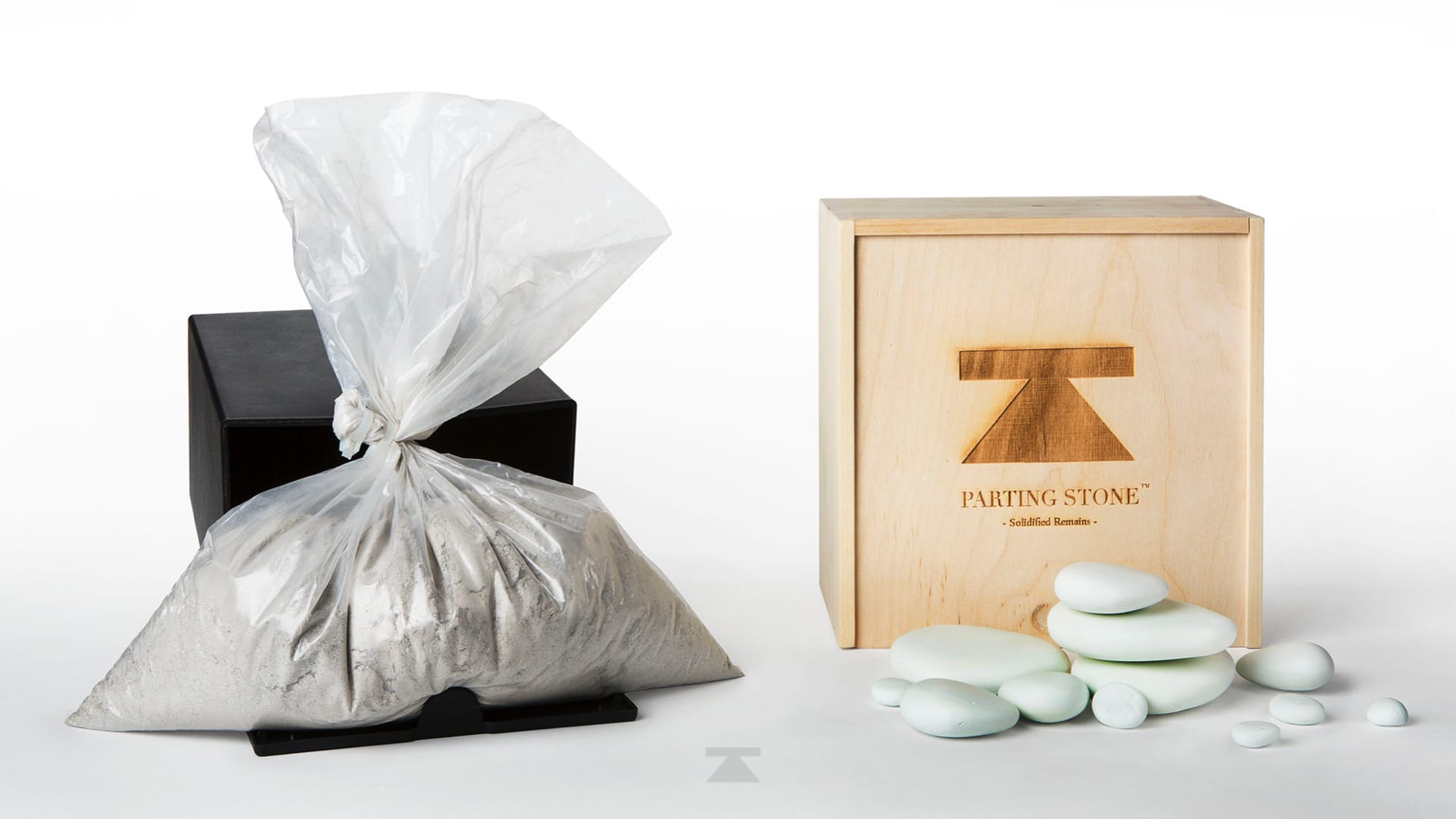
Emerging memorial alternatives offer new possibilities for families seeking different approaches to honoring their loved ones. Solidified remains represent a complete alternative to traditional ashes, transforming cremated remains into 40-80+ smooth, touchable stones through a scientific process validated by Los Alamos National Laboratory.
Carole from Tennessee 🖤 described her experience: "At a hard time when things are so raw and surreal, you really have no thoughts of what to do. Our funeral director was wonderful helping us figure it out. I just happen to see this online and thought it was perfect. I took my first family trip to distribute his beautiful stones to family out of town."
The solidified remains process takes 8-10 weeks and provides families with stones they can hold, touch, and share with family members. This option addresses common concerns families have about traditional ashes, including anxiety about spilling, difficulty traveling with urns, and the challenge of deciding what to do with cremated remains long-term.
Financial Planning Considerations
Memorial service costs vary significantly based on location, type of service, and level of personalization desired. According to the National Funeral Directors Association, average funeral costs in the United States exceed $7,000, though simple arrangements can cost significantly less.
Compare pricing for different memorial options to ensure you're making informed financial decisions during an emotional time. Request itemized pricing for all services and ask about alternatives if initial quotes exceed your budget.
Review insurance benefits and available assistance programs. Life insurance policies often include provisions for funeral expenses. Veterans may qualify for burial benefits through the Department of Veterans Affairs. Some employers offer bereavement financial assistance.
Consider long-term costs associated with different memorial choices. Cemetery plots include ongoing maintenance fees. Traditional monuments require periodic care. Solidified remains are a one-time service with no ongoing maintenance costs, priced at $2,495 for human remains.
Emotional and Family Considerations
Managing Family Dynamics During Planning
Different family members may have varying opinions about appropriate memorial arrangements, especially if your loved one didn't leave specific instructions. This is completely normal and doesn't reflect poorly on your family's love or respect.
Schedule family meetings to discuss preferences and concerns rather than making decisions in isolation. Include adult children, surviving spouse, and any other family members who were close to the deceased in these conversations.
Consider appointing a primary decision-maker if consensus proves difficult to achieve. This person can gather input from others but has final authority to move forward with arrangements when needed.
Respect different grief expressions and participation comfort levels. Some family members may want active involvement in planning while others prefer minimal participation. Neither approach is right or wrong.
Honoring Individual Values and Beliefs
Research religious or cultural requirements that may influence memorial arrangements. Different faith traditions have specific guidelines for appropriate body care, timing of services, and acceptable memorial practices.
Incorporate personal interests and passions into memorial planning when possible. Musicians might appreciate memorial concerts. Gardeners might prefer green burial or memorial gardens. Travel enthusiasts might appreciate portable memorial options that allow family members to take them to meaningful places.
Consider environmental values if your loved one cared about sustainability. Green burial, reef burial, and biodegradable urns address environmental concerns. Solidified remains offer an environmentally gentle option for scattering, as the stones integrate naturally into ecosystems without the ash residue that can affect soil pH.
Supporting Children During Memorial Planning
Include age-appropriate information about memorial planning decisions with children in the family. Young people often benefit from understanding what's happening and having opportunities to contribute to honoring their loved one.
Provide concrete ways for children to participate in memorial planning or services. This might include selecting flowers, choosing photos for displays, or writing letters to be included in memorial collections.
Consider how different memorial options might affect children's ongoing grief processes. Some children find comfort in visiting gravesites while others prefer having memorial objects they can keep close.
How to Navigate Decision-Making When Overwhelmed
Recognizing Your Emotional Capacity
Assess your current decision-making capacity honestly. If you're feeling overwhelmed, confused, or unable to process information clearly, it may be beneficial to delay non-urgent decisions until you feel more emotionally stable.
Identify which decisions must be made immediately versus those that can wait. Legal requirements for body care are time-sensitive, but many other memorial decisions can be made over several weeks or months.
Consider appointing a trusted friend or family member to help with research and coordination if you're struggling to manage the details yourself.
Creating Support Systems
Build a planning team including professionals (funeral director, clergy, attorney if needed) and personal support (family members, close friends, grief counselor). Each person can contribute different expertise and support.
Schedule regular check-ins with your support team to ensure planning stays on track and address any concerns or questions that arise.
Document all decisions and arrangements to prevent confusion and ensure nothing is overlooked. Keep records of contracts, payments, and communications with service providers.
Managing Family Communication
Establish clear communication protocols for sharing information about planning decisions with family members. Decide who needs to be informed about each type of decision and the best methods for keeping everyone updated.
Address disagreements directly but compassionately. Family tensions often increase during grief, and memorial planning can become a focus for unresolved conflicts. Consider involving a neutral mediator if needed.
Create opportunities for all family members to contribute meaningfully to memorial planning, even if they're not making primary decisions.
Modern Memorial Options and Considerations
Traditional Choices
Burial arrangements remain popular for families who value permanent memorial locations. Modern cemeteries offer various options including traditional plots, mausoleum spaces, and green burial sections for environmentally conscious families.
Cremation with urn selection provides flexibility for families who prefer not to use cemetery space. Urns range from simple containers to elaborate artistic pieces, with options for display, burial, or temporary storage.
Contemporary Alternatives
Memorial gardens and reef burial appeal to families seeking environmentally beneficial memorial options. These choices contribute to ecosystem restoration while providing meaningful ways to honor loved ones.
Digital memorialization including online memorial websites, QR code monuments, and social media memorial accounts offer new ways to share memories and maintain connections with your loved one's legacy.
Solidified remains transformation represents the newest category of memorial options, addressing common family concerns about traditional ashes. Chip from Virginia 🖤 explained: "I have found great comfort in having a physical reminder of my wife with me. Holding the stone, and keeping it near me, brings me calm in times when I am upset or am missing her."
This process transforms cremated remains into smooth, natural stones that families can hold, share, and take to meaningful places. Unlike traditional ashes, solidified remains are stable, portable, and shareable, allowing multiple family members to keep stones while others can be placed in special locations.
Combination Approaches
Many families choose multiple memorial options to address different needs and preferences. For example, some families select burial for one family member's needs while also choosing solidified remains to provide shareable memorial objects for distant relatives.
Staged decision-making allows families to make immediate arrangements while leaving options open for additional memorial choices later. This approach reduces pressure during early grief while ensuring future memorial needs can be addressed.
Legal and Regulatory Considerations
Understanding Local Requirements
Research state and local regulations governing body care, memorial services, and burial or cremation. Requirements vary significantly by location and may affect your available options.
Verify credentials and licenses of all service providers you're considering. Funeral homes, crematoriums, and memorial service providers should maintain current licensing and insurance.
Understand contract terms and cancellation policies before signing agreements. Read all terms carefully and ask questions about any provisions you don't understand.
Rights and Protections
The Federal Trade Commission's Funeral Rule provides specific protections for consumers planning funeral and memorial arrangements. Providers must give you itemized price lists and cannot require you to purchase unnecessary services.
State consumer protection laws may provide additional protections for memorial service purchases. Research your state's specific regulations or consult with consumer protection agencies if you have concerns.
Document all agreements and payments to protect yourself in case of disputes or problems with service providers.
Frequently Asked Questions
What should I do first when planning a memorial service?
Contact a funeral director or memorial service provider immediately to understand legal requirements and timeline constraints in your area. Secure necessary documents like death certificates and gather any written instructions your loved one may have left. These first steps provide the foundation for all other memorial planning decisions.
How long do I have to make decisions about memorial arrangements?
Legal requirements for body care must be addressed within 24-48 hours in most jurisdictions, but many other memorial decisions can be made over weeks or months. Some families choose immediate simple arrangements followed by more elaborate memorial services later when they feel emotionally ready.
What if family members disagree about memorial arrangements?
Family disagreements about memorial arrangements are common and normal during grief. Schedule family meetings to discuss preferences, consider mediation if needed, and focus on honoring your loved one's values rather than individual preferences. Sometimes families choose multiple memorial options to accommodate different needs.
How much should I expect to spend on memorial arrangements?
Memorial costs vary dramatically based on location, type of service, and personal choices. Simple arrangements may cost under $2,000 while elaborate services can exceed $15,000. Request itemized pricing from providers and ask about alternatives if initial quotes exceed your budget. Consider insurance benefits and assistance programs that may be available.
What are solidified remains and how do they differ from cremation?
Solidified remains are created by transforming cremated remains into 40-80+ smooth, natural stones through a scientific process. Unlike traditional ashes, these stones can be held, shared among family members, and taken to meaningful places without concerns about spilling or mess. The process takes 8-10 weeks and provides a complete alternative to traditional urn storage.
Can memorial arrangements be changed after they're made?
Many memorial arrangements can be modified before services take place, though changes may involve additional costs. However, permanent arrangements like burial or cremation cannot be reversed, so careful consideration is important. Some families choose temporary arrangements initially, allowing time for more permanent decisions later.
About the Editor
Cathy Sanchez Babao is a Grief Coach at Parting Stone, a grief educator, counselor, author, and columnist who has dedicated her career to helping individuals and families navigate loss. She writes the “Roots and Wings” column for the Philippine Daily Inquirer and is the author of Heaven’s Butterfly and Between Loss and Forever: Filipina Mothers on the Grief Journey. Cathy holds a B.S. in Business Administration and Management from Ateneo de Manila University and an M.A. in Family Psychology and Education from Miriam College, with advanced grief training at the Center for Loss & Life Transition and the Center for Prolonged Grief at Columbia University.
References
Bern-Klug, M. (2004). The ambiguous dying syndrome. Health & Social Work, 29(1), 55-65. https://doi.org/10.1093/hsw/29.1.55
Federal Trade Commission. (2021). Funeral Rule. Retrieved from https://www.consumer.ftc.gov/articles/0300-ftc-funeral-rule
Hooyman, N. R., & Kramer, B. J. (2019). Living through loss: Interventions across the life span (6th ed.). Columbia University Press.
National Alliance on Mental Illness. (2023). Grief and loss. Retrieved from https://www.nami.org/About-Mental-Illness/Related-Conditions/Grief-and-Loss
National Funeral Directors Association. (2023). 2023 NFDA General Price List Study. Retrieved from https://www.nfda.org/news/statistics
Neimeyer, R. A. (2019). Meaning reconstruction in bereavement: Development of a research program. Death Studies, 43(2), 79-91. https://doi.org/10.1080/07481187.2018.1456620
Servaty-Seib, H. L., & Hayslip Jr, B. (2003). Post-loss adjustment and funeral perceptions of parents experiencing the death of a child. OMEGA-Journal of Death and Dying, 46(3), 251-261. https://doi.org/10.2190/AU2L-VQM0-J4TE-8VCY
Stroebe, M., & Schut, H. (2010). The dual process model of coping with bereavement: A decade on. OMEGA-Journal of Death and Dying, 61(4), 273-289. https://doi.org/10.2190/OM.61.4.b
U.S. Department of Veterans Affairs. (2023). Burial and cemetery benefits. Retrieved from https://www.va.gov/burials-memorials/
Worden, J. W. (2018). Grief counseling and grief therapy: A handbook for the mental health practitioner (5th ed.). Springer Publishing Company.