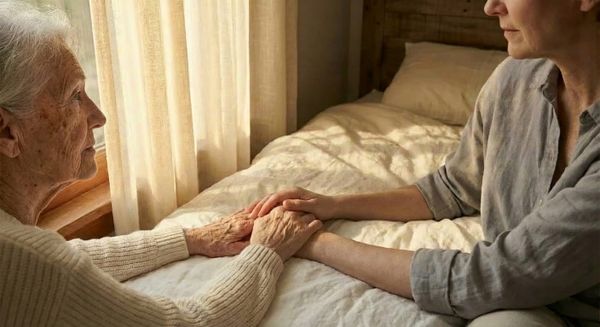
Memorial Decision Support Groups: Finding Community and Guidance During Your Memorial Journey
Find memorial decision support groups and resources for guidance. Connect with others making similar choices and access expert memorial decision support through community and professional networks.


Key Takeaways
- Memorial decision support groups provide essential emotional guidance and practical wisdom from others who understand the weight of choosing how to honor a loved one
- Professional grief counselors and funeral directors can connect you with both formal support groups and informal community networks that specialize in memorial decision-making
- Online and in-person communities offer different benefits, with online groups providing 24/7 access and in-person groups offering deeper interpersonal connection
- Structured decision frameworks from support groups help families move through choices without overwhelming pressure or unrealistic timelines
- Family-inclusive approaches ensure that all stakeholders feel heard and supported throughout the memorial decision process
Reflections on love, loss and the ways we hold them.
When someone dies, the grief is loud, but the decisions are quiet and lonely. I often meet clients months, even years, after a loss, carrying not just ashes in a box, but the heavy feeling of I don’t know what to do next. Memorial decisions have a way of isolating us, because they feel too sacred to crowdsource and too permanent to rush.
One client, a widowed mother of three, shared how she kept postponing the decision. The remains sat in a closet, not from neglect, but from fear of “getting it wrong.” It wasn’t until she joined a small grief support circle, one focused not on fixing grief but accompanying it, that she found language for what she needed: something tangible, shareable, and gentle. Eventually, she chose to transform the remains into smooth stones she could give her children. “For the first time,” she told me, “I felt like I wasn’t deciding alone.”
This is what memorial decision support offers: permission to slow down, to listen inward, and to hear others say, you’re not strange for feeling this way. We are not meant to carry love, or loss—by ourselves. Sometimes clarity doesn’t come from more options, but from shared understanding. And in that quiet companionship, the right choice often finds us.
Cathy Sanchez Babao
Parting Stone Grief Coach
The weight of choosing how to memorialize someone you love can feel unbearable when you're carrying it alone. The cremated remains sitting in your home represent not just your loved one, but also a decision that feels impossibly significant. You're not meant to navigate these choices in isolation, and memorial decision support groups exist specifically to provide the understanding, guidance, and community you need during this challenging time.
The isolation that comes with memorial decision-making affects millions of families each year. Unlike other major life decisions where you can seek advice from friends and family, memorial choices often leave you feeling like you're walking through unmarked territory. Traditional support systems may not understand the specific anxieties and concerns that come with deciding how to honor someone's memory in a lasting, meaningful way.
Understanding the Unique Challenge of Memorial Decision-Making
The Emotional Weight of 'Getting It Right'
Memorial decisions carry an emotional intensity unlike almost any other choice you'll face in life. Unlike purchasing a car or choosing a vacation destination, memorial choices feel permanent and irreversible. The fear of making the 'wrong' decision can paralyze families for months or even years, leaving cremated remains stored indefinitely while anxiety builds.
Kelly from New Jersey 🖤 shares her experience with this decision weight: "The solidified remains or stones provide an alternative to the traditional ashes in an urn. Holding these stones is more tangible, creating feelings of comfort and connection to your loved one. My mother's stones are beautiful and a representation of who she was in my life. She was my 'rock' and it was the right choice for our family."
Research from the National Alliance on Mental Illness indicates that complicated decision-making during grief is one of the most common challenges bereaved individuals face, with memorial choices ranking among the most anxiety-producing decisions in the first two years of loss.
The Information Overload Problem
Modern memorial options create both opportunity and overwhelm. Families today face choices their grandparents never had to consider: traditional burial, cremation with urns, scattering, memorial jewelry, burial diamonds, alkaline hydrolysis, and solidified remains, among others. Each option comes with its own emotional implications, practical considerations, and long-term consequences.
The abundance of choice, while beneficial in many ways, can create what psychologists call "decision paralysis"—the inability to choose when presented with too many options. Research from Columbia University demonstrates that having extensive choices often decreases satisfaction and increases anxiety, particularly during emotionally vulnerable periods.
The Time Pressure Paradox
Memorial decisions exist within a unique time paradox. On one hand, there's no external deadline—cremated remains can be stored indefinitely. On the other hand, the psychological pressure to "do something" can feel overwhelming, especially when well-meaning family members ask repeatedly about your plans.
This paradox often leaves families feeling guilty for taking time to decide, yet anxious about rushing into a choice they might regret. Memorial decision support groups understand this paradox and create space for families to explore options without artificial pressure or judgment about timeline.
Types of Memorial Decision Support Groups
Professional Grief Counseling Groups
Licensed grief counselors often facilitate specialized groups focused specifically on memorial decision-making. These groups combine emotional support with practical guidance, helping participants process both the grief and the decision anxiety simultaneously.
Professional groups typically offer:
- Structured decision-making frameworks
- Education about available memorial options
- Emotional processing of decision anxiety
- Referrals to vetted memorial service providers
- Individual counseling support alongside group work
The National Association of Social Workers provides directories of grief counselors who specialize in complicated grief and decision-making support.
Funeral Home Memorial Consultation Services
Many funeral homes now offer ongoing memorial support groups beyond their immediate services. These groups recognize that memorial decisions often come months or years after initial funeral arrangements, particularly for families who chose cremation.
Funeral directors bring valuable expertise to these groups, including knowledge of local memorial options, practical logistics, and experience with family dynamics around memorial choices. However, families should ensure that any funeral home group maintains focus on family needs rather than promoting specific services.
Online Memorial Communities
Digital communities provide accessible support for families who may not have local in-person options. Online memorial decision support groups offer several unique advantages:
- 24/7 accessibility for those struggling with decision anxiety at any hour
- Geographic diversity, connecting you with families from different regions with varied experience
- Anonymity options for those who prefer to share concerns without personal identification
- Written records of conversations and resources that can be referenced later
Popular online platforms include What's Your Grief community forums and GriefShare online groups, though families should specifically seek groups focused on memorial decision-making rather than general grief support.
Peer-Led Family Support Networks
Some of the most valuable support comes from families who have navigated similar decisions. Peer-led memorial support groups often form organically around shared experiences or can be found through hospice organizations, religious institutions, or community centers.
Maria from North Carolina 🖤 discovered this type of community support: "We have 3 siblings who live across the United States in various states. Solidified remains enables us each to have memorial for momma without having to travel to a distant state to do so. The communication throughout and the quality of the stones has secured our decision as we've received the stones and will be dispersing some to each child and grandchild."
Finding the Right Memorial Decision Support Group
Assessing Your Specific Needs
Before seeking support groups, consider what type of guidance would be most helpful for your situation. Different families need different types of support based on their grief stage, decision-making style, family dynamics, and specific concerns.
Consider these questions:
- Do you need emotional support for decision anxiety, practical information about options, or both?
- Would you prefer professional facilitation or peer-led discussion?
- Is geographic proximity important, or would online support meet your needs?
- Do you have specific cultural, religious, or financial considerations that require specialized understanding?
Evaluating Group Quality and Fit
High-quality memorial decision support groups share certain characteristics that distinguish them from less helpful alternatives:
Professional Standards: Groups led by licensed counselors should maintain clear boundaries, confidentiality, and ethical guidelines. Peer-led groups should have structure and ground rules that create psychological safety for all participants.
Balanced Perspective: Quality groups provide information about multiple memorial options without promoting specific vendors or services. Be cautious of groups that seem to push particular solutions rather than supporting informed family decision-making.
Emotional Intelligence: Effective groups acknowledge the complexity of grief and memorial decisions without rushing participants toward premature choices. Look for groups that use permission-giving language like "when you're ready" rather than directive statements about what you "should" do.
Questions to Ask Potential Groups
When considering a memorial decision support group, these questions help evaluate whether it's the right fit:
- What is the facilitator's background and training in grief counseling or memorial services?
- How does the group balance emotional support with practical information?
- What memorial options does the group discuss, and is the information comprehensive and unbiased?
- How long do participants typically stay involved, and is there flexibility in attendance?
- Are there additional resources or referrals available beyond group meetings?
Professional Memorial Decision Support Resources
Certified Grief Counselors
The Association for Death Education and Counseling maintains certification standards for thanatology counselors who specialize in death-related issues, including memorial decision-making. Certified grief counselors bring specialized training in navigating complicated decisions during bereavement.
When working with a grief counselor for memorial decisions, expect discussions about:
- Processing decision anxiety and fears about making the "wrong" choice
- Exploring what mattered most to your loved one and how that influences memorial options
- Family dynamics and how to include multiple stakeholders in decision-making
- Timeline considerations and how to manage pressure from others while honoring your own readiness
Hospice Bereavement Programs
Hospice organizations typically offer extensive bereavement support that continues long after their medical services end. Many hospice programs include memorial decision counseling as part of their comprehensive grief support.
The National Hospice and Palliative Care Organization provides resources for finding hospice bereavement programs in your area, even if your loved one didn't use hospice services.
Religious and Spiritual Guidance
Faith communities often provide memorial decision support that honors both emotional needs and spiritual beliefs. Religious leaders can offer perspective on how different memorial choices align with your faith tradition while supporting family decision-making processes.
When seeking religious guidance for memorial decisions, consider:
- Does your faith tradition have specific guidelines about memorial practices?
- How can memorial choices reflect and honor your loved one's spiritual beliefs?
- Are there community members who have navigated similar decisions within your faith context?
Creating Your Memorial Decision Support Network
Building a Comprehensive Support System
Effective memorial decision support often comes from multiple sources rather than relying on a single group or individual. Consider assembling a support network that includes:
Emotional Support: Grief counselors, support group members, or trusted friends who can provide comfort during difficult decision moments
Practical Information: Funeral directors, memorial service providers, or families who have experience with various memorial options
Objective Perspective: Individuals who can help you think through decisions logically without being emotionally invested in the outcome
Advocacy: People who understand your values and can support your choices, especially when other family members have different preferences
Communicating Your Needs Clearly
When working with any form of memorial decision support, clear communication about your needs improves the quality of guidance you receive. Consider sharing:
- Where you are in your grief journey and decision-making process
- What specific aspects of memorial choices create the most anxiety or uncertainty
- Any family dynamics or external pressures that complicate your decisions
- Cultural, religious, or personal values that should influence memorial choices
- Timeline considerations and any external factors affecting your decision schedule
Managing Conflicting Advice
Multiple support sources sometimes provide conflicting guidance, which can increase rather than decrease decision anxiety. When facing contradictory advice:
Evaluate the source's expertise and perspective. Grief counselors offer different insights than memorial service providers, and both perspectives have value for different aspects of your decision.
Consider your family's unique circumstances. Generic advice may not apply to your specific situation, values, or constraints.
Trust your own emotional responses. If certain options consistently create anxiety or excitement, honor those emotional indicators as part of your decision-making process.
The Role of Family Dynamics in Memorial Decision Support
Navigating Multiple Stakeholders
Memorial decisions often involve multiple family members with different relationships to the deceased, varied grief timelines, and distinct perspectives on appropriate memorialization. Memorial decision support groups help families navigate these complex dynamics without allowing disagreements to compromise the memorial process.
Holly from Colorado 🖤 experienced this family complexity: "It has helped to have my mom's remains close, and I have left parting stones in some of her favorite places. We wanted to be cremated and learning about Parting Stone gave us an opportunity to share her stones with family and friends. The communications process from start to finish was excellent and very re-assuring."
Including Children and Adolescents
Memorial decisions impact family members of all ages, yet children and teenagers often feel excluded from decision-making processes. Quality memorial decision support addresses how to include younger family members appropriately:
- Age-appropriate explanations of memorial options and their significance
- Opportunities for input that match developmental capabilities
- Preparation for memorial ceremonies or distribution processes
- Ongoing support as children mature and their understanding of death evolves
Managing Geographic Distance
Modern families often live across multiple states or countries, complicating memorial decisions that traditionally assumed local family participation. Support groups help families develop strategies for inclusive decision-making despite geographic barriers:
- Video conferencing for family discussions about memorial options
- Clear communication protocols that keep distant family members informed and involved
- Memorial options that accommodate sharing across geographic distances
- Coordination strategies for memorial ceremonies that include remote participants
Understanding Memorial Options Within Support Context
Beyond Traditional Choices
Memorial decision support groups expose families to options they might not discover independently. While traditional choices like urns and burial plots remain popular, many families find comfort in learning about innovative alternatives that better match their values and circumstances.
Solidified remains, for example, represent a complete alternative to cremated ashes that many families discover through support groups rather than funeral home consultations. Through Parting Stone's solidification process, cremated remains are transformed into 40-80+ smooth stones through a scientific process developed with Los Alamos National Laboratory.
Kenneth from Arkansas 🖤 discovered this option through community connections: "Parting Stones are a special and unique way to honor and cherish someone you have lost. Contrary to typical ashes retained in a container or 'lost' forever when cast 'to the winds', the Parting Stones give me a lasting genuine part of my wife that I can proudly display and gain comfort if carried."
The solidification process requires 8-10 weeks and costs $2,495 for human remains or $1,195 for pet remains, representing a permanent alternative that allows families to share, touch, and place memorial elements in meaningful locations.
Evaluating Options Through Support Lens
Memorial decision support groups provide frameworks for evaluating options that go beyond surface-level features to consider long-term emotional and practical implications:
Permanence vs. Flexibility: Some memorial choices, like scattering ashes, cannot be undone, while others, like solidified remains or memorial jewelry, can be moved or redistributed as family needs change.
Individual vs. Communal: Consider whether memorial choices serve primarily one person (typically the spouse or primary decision-maker) or can include multiple family members and friends in meaningful ways.
Active vs. Passive: Some memorial options require ongoing maintenance or visits, while others integrate into daily life and provide comfort without additional effort.
Cultural Alignment: Support groups help families evaluate how different memorial choices align with cultural traditions, religious beliefs, and personal values.
Practical Steps for Engaging Memorial Decision Support
Preparing for Your First Support Group Meeting
Approaching memorial decision support groups with clear intentions improves the value you receive from the experience. Consider these preparation steps:
Document your current thoughts and concerns about memorial options. Writing down your fears, preferences, and questions helps you communicate clearly with the group and track your evolving perspectives.
Gather relevant information about your loved one's expressed preferences, family financial considerations, and any logistical constraints that affect your decisions.
Consider your emotional readiness for group discussion. If you're in early acute grief, you might benefit more from individual counseling before participating in group decision-making discussions.
Maximizing Support Group Value
Active participation in memorial decision support groups yields better outcomes than passive attendance:
Share honestly about your concerns and confusion. Other group members can only provide relevant support if they understand your specific challenges.
Ask questions about others' experiences with different memorial options. Learning from families who have implemented various choices provides practical insights beyond theoretical knowledge.
Request specific resources when group discussions identify gaps in your knowledge or decision-making framework.
Follow up on referrals and suggestions provided by group members or facilitators. The most valuable support often comes from connections made through group participation.
Continuing Support After Initial Decisions
Memorial decision support doesn't end when you make your initial choice. Many families benefit from ongoing community connection as they implement their decisions and navigate the long-term implications of their memorial choices:
- Ceremony planning support for memorial services or dedication rituals
- Family communication assistance as decisions are implemented and shared with extended family
- Anniversary support for managing grief during significant dates and milestones
- Ongoing modification guidance if family circumstances change and memorial arrangements need adjustment
How to Find Memorial Decision Support Groups
Local Resources
Start your search with organizations already serving grieving families in your community:
- Contact local hospice organizations, even if you didn't use their services. Most hospice programs offer community bereavement support that includes memorial decision counseling.
- Reach out to funeral homes in your area. Many funeral directors can recommend support groups or connect you with families who have navigated similar decisions.
- Check with your healthcare providers. Primary care physicians, therapists, and hospital social workers often maintain referral lists for grief support resources.
- Explore religious institutions, even if you're not actively religious. Many churches, synagogues, mosques, and other faith communities offer grief support that welcomes people regardless of membership status.
Online and Remote Options
Digital memorial decision support provides access regardless of geographic location or physical mobility:
- Search Psychology Today's group therapy directory using keywords like "grief," "bereavement," and "memorial" to find professional groups offering virtual sessions.
- Explore GriefShare groups that focus specifically on practical aspects of grief, including memorial decision-making.
- Join What's Your Grief online communities where families share experiences with different memorial options and decision-making processes.
- Consider BetterHelp or Talkspace platforms that offer grief counseling with therapists experienced in memorial decision support.
Specialized Professional Services
Some professionals specialize specifically in memorial decision counseling:
- Certified Thanatologists through the Association for Death Education and Counseling (ADEC) have specialized training in death-related counseling, including memorial decision support.
- Grief counselors with memorial specialization can be found through the American Counseling Association directory with specific search filters for grief and bereavement.
- Family therapists with grief experience help families navigate memorial decisions when multiple stakeholders have different preferences or needs.
Success Stories: How Support Groups Transform Memorial Decision-Making
From Isolation to Community
Many families discover that memorial decision support groups provide not just practical guidance but lasting community connections. The shared experience of navigating difficult memorial choices creates bonds that often continue long after initial decisions are made.
Julie from Ohio 🖤 experienced this community transformation: "I have enjoyed giving family and friends a piece of my husband. They have really thought it was a wonderful gift. Plus I sleep with them every night. It gives me comfort. The response I got from people was what surprised me most about the experience."
From Anxiety to Confidence
Support groups help families move from decision paralysis to confident action by providing frameworks for evaluation and permission to trust their own judgment. Rather than searching for the "perfect" choice, families learn to identify options that align with their values and circumstances.
Paige from Ohio 🖤 describes this transformation: "When my Grandma left us, many of her loved ones didn't have the chance to say goodbye. The day our Parting Stones were delivered was the first day my family felt a sigh of relief. They were the most beautiful, tangible reminders of an incredible life we miss dearly."
From Conflict to Consensus
Family disagreements about memorial choices can strain relationships during an already difficult time. Memorial decision support groups provide tools for managing conflicting preferences and finding solutions that honor both the deceased and family harmony.
The key to managing family memorial disagreements often lies in understanding the underlying values and concerns driving different preferences rather than focusing on specific memorial options. Support groups help families explore these deeper motivations and find creative solutions that address multiple needs.
Long-term Benefits of Memorial Decision Support
Reduced Decision Regret
Research in decision psychology indicates that decisions made with appropriate support and information result in higher long-term satisfaction than choices made in isolation, even when the final options are identical. Memorial decision support groups provide the consultation and validation that reduce second-guessing and regret.
Enhanced Grief Processing
Memorial decisions that align with family values and receive community support contribute positively to healthy grief processing. When families feel confident about their memorial choices, they can focus emotional energy on grieving and healing rather than continuing to question their decisions.
Stronger Support Networks
Participating in memorial decision support often creates lasting connections with other families who understand the unique challenges of loss and memorialization. These relationships provide ongoing support that extends far beyond initial memorial decisions.
Informed Future Planning
Families who receive support for one memorial decision often apply the same frameworks to future planning for themselves or other family members. The decision-making skills and community connections developed through memorial support groups benefit families throughout their lives.
Frequently Asked Questions About Memorial Decision Support Groups
What should I expect in my first memorial decision support group meeting?
Most groups begin with introductions that focus on where you are in your decision-making process rather than detailed stories about your loss. Expect to discuss your current concerns, what options you're considering, and what questions you have rather than being asked to make immediate decisions. Quality groups provide information and emotional support without pressure to choose quickly.
How do I know if a memorial decision support group is right for my family?
A good fit typically involves feeling heard and supported rather than pressured or judged. You should leave meetings with either new information, emotional comfort, or both. If you feel overwhelmed by conflicting advice or pushed toward specific options, consider looking for different support that better matches your needs and decision-making style.
Can memorial decision support groups help with family disagreements?
Many groups have experience helping families navigate conflicting preferences about memorial choices. However, groups focused specifically on family dynamics or family therapy may be more helpful than general memorial support if disagreements are creating significant conflict or communication breakdown between family members.
How long do people typically participate in memorial decision support groups?
Participation varies widely based on individual needs and group structure. Some families attend just a few meetings to gather information and support, while others maintain longer connections for ongoing emotional support. Most groups allow flexible attendance without long-term commitments.
Are memorial decision support groups covered by insurance?
Professional grief counseling that includes memorial decision support may be covered by mental health insurance benefits, particularly if provided by licensed therapists or counselors. Peer-led or volunteer groups are typically free. Check with your insurance provider about grief counseling coverage and whether group therapy is included in your benefits.
What's the difference between general grief support and memorial decision support?
General grief support focuses on processing emotions and coping with loss, while memorial decision support specifically addresses the practical and emotional aspects of choosing how to memorialize someone. Many people benefit from both types of support, but memorial decision groups provide specialized guidance that general grief groups may not address.
About the Editor
Cathy Sanchez Babao is a Grief Coach at Parting Stone, a grief educator, counselor, author, and columnist who has dedicated her career to helping individuals and families navigate loss. She writes the “Roots and Wings” column for the Philippine Daily Inquirer and is the author of Heaven’s Butterfly and Between Loss and Forever: Filipina Mothers on the Grief Journey. Cathy holds a B.S. in Business Administration and Management from Ateneo de Manila University and an M.A. in Family Psychology and Education from Miriam College, with advanced grief training at the Center for Loss & Life Transition and the Center for Prolonged Grief at Columbia University.
References
Association for Death Education and Counseling. (2024). Certified thanatology counselor directory. https://www.adec.org/page/CertifiedThanCounselor
American Counseling Association. (2024). Find a counselor: Grief and bereavement specialists. https://www.counseling.org/
Iyengar, S., & Lepper, M. (2000). When choice is demotivating: Can one desire too much of a good thing? Journal of Personality and Social Psychology, 79(6), 995-1006. https://www.columbia.edu/~ss957/articles/Choice_is_Demotivating.pdf
National Alliance on Mental Illness. (2024). Grief and loss: Understanding complicated grief. https://nami.org/About-Mental-Illness/Mental-Health-Conditions/Related-Conditions/Grief
National Association of Social Workers. (2024). Practice guidelines for grief and loss counseling. https://www.socialworkers.org/Practice/Behavioral-Health/Grief-and-Loss
National Hospice and Palliative Care Organization. (2024). Hospice bereavement services: Community resources. https://www.nhpco.org/patients-and-caregivers/hospice-care/hospice-bereavement-services/
Psychology Today. (2024). Grief support groups directory. https://www.psychologytoday.com/us/groups
Shear, M. K. (2015). Complicated grief. New England Journal of Medicine, 372(2), 153-160. https://doi.org/10.1056/NEJMcp1315618
Stroebe, M., Schut, H., & Stroebe, W. (2007). Health outcomes of bereavement. The Lancet, 370(9603), 1960-1973. https://doi.org/10.1016/S0140-6736(07)61816-9
What's Your Grief. (2024). Online grief support communities. https://whatsyourgrief.com/grief-support-groups/
GriefShare. (2024). Find a grief support group. https://www.griefshare.org/findagroup
Worden, J. W. (2018). Grief counseling and grief therapy: A handbook for the mental health practitioner (5th ed.). Springer Publishing Company.