
Memorial Decision Regret: Preventing and Processing Difficult Choices During Grief
Prevent and process memorial decision regret with expert guidance. Navigate regret feelings and make peace with memorial choices made during grief.


Key Takeaways
- Memorial decision regret is common - up to 40% of bereaved families experience some level of regret about their memorial choices within the first two years of loss
- "Grief brain" significantly impacts decision-making - the neurological changes during acute grief can impair judgment, making quality decisions more challenging
- Prevention strategies work better than treatment - taking time to understand your values, seeking support, and avoiding rushed decisions can prevent most regret
- Self-compassion is essential - recognizing that you made the best decision possible with the information and emotional capacity available at the time
- Professional guidance helps - grief counselors and memorial specialists can provide objective support during this vulnerable decision-making period
Reflections on love, loss, and the ways we carry them.
Grief has a way of turning even simple decisions into monumental ones. The phone rings, and suddenly you’re asked to choose a memorial for someone you love, your mind foggy, your heart heavy. It’s natural to question yourself—“Did I choose correctly? Would they have wanted this?” Research reminds us that this isn’t failure; grief literally changes how our brains process information, making decision-making harder.
Take Wendy from Arkansas. After losing her father, she chose solidified remains. “I can’t tell you the peace it gives me to see the stones. To be able to hold them. I’ve taken one with me on job interviews or during difficult moments. My dad was my rock. I can still feel connected to him in these stones.” Wendy found comfort not in perfection, but in connection, a tangible, shareable way to honor memory that evolves with life.
Memorial regret often eases when we pause, reflect on what truly matters, and focus on continuing bonds rather than flawless choices. Solidified remains provide families with flexibility, touchable presence, and reassurance that memory isn’t fixed in a moment but carried forward in everyday life. Even when grief clouds everything else, your instincts, rooted in love and intimate knowledge—still point true.
Cathy Sanchez Babao
Parting Stone Grief Coach
The phone call came on a Thursday morning, and by Friday afternoon, you found yourself sitting across from a funeral director discussing memorial options you'd never imagined needing to consider. Your mind felt foggy, your heart heavy, and suddenly you were being asked to make permanent decisions about how to honor your loved one's memory. Sound familiar?
Memorial decision regret affects countless families navigating loss, leaving them questioning choices made during one of life's most vulnerable moments. You're not alone in wondering "Did I choose correctly?" or "What would they have wanted?" These feelings, while painful, are a natural part of processing both grief and the weight of meaningful decisions.
Understanding why these regrets develop and how to prevent or process them can transform your relationship with both your memorial choice and your grief journey. Whether you're currently facing memorial decisions or struggling with choices already made, there are pathways toward peace and confidence.
The Hidden Reality of Memorial Decision Regret
Memorial decisions carry an emotional weight unlike almost any other choice we make in life. Unlike most purchases, these decisions are permanent, public, and deeply personal—made during a time when our decision-making capacity is severely compromised by grief.
The Scope of Memorial Regret
Research in grief psychology reveals that memorial decision regret is far more common than most people realize. Studies indicate that approximately 35-40% of bereaved families experience some level of regret about their memorial choices within the first two years following a loss (Worden, 2018). This regret can manifest in various ways:
- Choice regret: Wishing you had selected a different memorial option
- Process regret: Feeling rushed or uninformed during decision-making
- Investment regret: Questioning whether you spent too much or too little
- Family regret: Worry that your choice doesn't honor what your loved one would have wanted
The most troubling aspect of memorial regret is its persistence. Unlike other purchasing decisions, memorial choices can't easily be undone or returned. This permanence can transform initial doubts into long-term sources of distress.
When Grief Brain Meets Life-Altering Decisions
The term "grief brain" describes the very real neurological changes that occur during acute bereavement. Brain imaging studies show that intense grief affects the prefrontal cortex—the area responsible for executive function, decision-making, and emotional regulation (Shear, 2015).
During grief brain, you may experience:
- Difficulty concentrating on complex information
- Trouble weighing pros and cons effectively
- Overwhelming feelings that cloud judgment
- Foggy memory that makes retaining details challenging
- Reduced capacity for future-oriented thinking
Wendy from Arkansas 🖤 shares her experience: "I can't tell you the peace it gives me to see the stones. To be able to hold them. I've taken one with me on job interviews or during difficult moments. My dad was my rock. I can still feel connected to him in these stones. I can hold him close in a way that I couldn't when it was just ashes."
This neurological reality means that the very time you need to make one of life's most important decisions is precisely when your brain is least equipped to handle complex choices. Understanding this isn't an excuse—it's validation that struggling with memorial decisions is neurologically normal.
The Perfect Storm: External Pressure and Internal Chaos
Memorial decision regret often develops from a collision of external pressures and internal emotional chaos. Family dynamics, financial constraints, time pressures, and cultural expectations all converge during an already overwhelming period.
Common external factors that contribute to regret include:
- Time pressure from funeral homes or family members
- Financial stress that limits perceived options
- Family disagreement about the "right" choice
- Cultural confusion when traditions conflict with personal values
- Information overload from too many choices presented too quickly
Meanwhile, internal emotional factors compound these pressures:
- Perfectionism driven by wanting to honor your loved one "correctly"
- Guilt about making decisions on someone else's behalf
- Fear of making the "wrong" choice when it can't be undone
- Overwhelm from the sheer magnitude of the decision
This combination creates what grief researchers call "decision paralysis"—the inability to move forward confidently with any choice, often leading to decisions made by default rather than by conscious selection.
Understanding Your Grief Journey: You Are the Guide
If you're struggling with memorial decision regret or currently facing these difficult choices, it's crucial to understand that you are not alone, and these feelings don't reflect poor judgment on your part. Grief creates unique decision-making challenges that even mental health professionals acknowledge as legitimate and complex.
The Neuroscience of Grief and Decision-Making
Recent research in neuroscience has revolutionized our understanding of how grief affects cognitive function. Dr. Mary-Frances O'Connor's groundbreaking work on "grief brain" shows that bereavement literally changes how our brains process information (O'Connor, 2019).
During acute grief, the brain's stress response system remains chronically activated. This affects:
- Working memory - your ability to hold and manipulate information
- Executive function - planning, reasoning, and decision-making capabilities
- Emotional regulation - managing the intensity of feelings
- Attention span - focusing on complex details for extended periods
These changes aren't weaknesses or character flaws—they're protective mechanisms helping you survive an overwhelming experience. However, they also explain why decisions made during early grief sometimes feel "wrong" once cognitive function returns to baseline.
Recognizing Normal vs. Complicated Memorial Regret
Not all memorial regret indicates a problem requiring intervention. Mental health professionals distinguish between normal memorial regret and complicated memorial regret that might benefit from professional support.
Normal memorial regret typically involves:
- Occasional wondering about alternative choices
- Mild disappointment with certain aspects of the decision
- Seasonal increases in regret (anniversaries, holidays)
- Ability to find some peace with the choice over time
- Regret that doesn't significantly interfere with daily functioning
Complicated memorial regret might include:
- Persistent, intrusive thoughts about the "wrong" decision
- Severe self-blame or guilt about the choice
- Regret that significantly impacts daily life or relationships
- Inability to find any positive aspects in the decision made
- Development of anxiety or depression related to the memorial choice
Scott from Arizona 🖤 found peace through solidified remains: "Having the remains solidified helped me feel grounded. It turned something painful into something tangible—a way to hold space for them without being stuck in the loss. It made the grief quieter, more about connection than absence."
Cultural and Personal Values in Memorial Decisions
One significant source of memorial regret stems from conflicts between cultural expectations and personal values. In our diverse society, families often struggle to balance traditional practices with contemporary options that might feel more personally meaningful.
Some families experience regret when they:
- Followed tradition but felt it didn't reflect their loved one's personality
- Chose something modern but later worried it wasn't respectful enough
- Compromised between family preferences and felt no one was truly satisfied
- Made decisions alone without considering what others might have wanted
Understanding that there is no "universally correct" memorial choice can help reduce regret. The most meaningful memorials reflect the unique relationship between the bereaved and their loved one, not external expectations of what grief "should" look like.
Creating Your Plan: Preventing and Processing Memorial Regret
Whether you're currently facing memorial decisions or processing regret about choices already made, having a structured approach can help you move toward greater peace and confidence. This plan addresses both prevention strategies for those still deciding and processing techniques for those working through existing regret.
Prevention Strategy 1: Pause and Breathe
The most effective prevention strategy for memorial regret is refusing to be rushed. Despite well-meaning pressure from funeral homes, family members, or your own desire to "get it over with," taking time for thoughtful consideration dramatically reduces the likelihood of future regret.
Practical steps for taking time:
- Request a 48-72 hour delay before making final decisions if possible
- Ask for written information to review when your mind feels clearer
- Schedule a follow-up meeting rather than deciding during initial funeral arrangements
- Invite a trusted friend or family member to help you process options objectively
- Consider temporary arrangements that allow you to make permanent decisions later
Remember that funeral directors should be willing to accommodate reasonable requests for additional time. If they pressure you to decide immediately, this may indicate prioritizing their schedule over your needs.
Prevention Strategy 2: Values Clarification
Before exploring specific memorial options, spend time clarifying what matters most to you and your family. This values clarification process provides a framework for evaluating choices against what's truly important rather than getting overwhelmed by features and details.
Key questions for values clarification:
- What aspects of your loved one's personality do you want to honor?
- How do you envision interacting with their memorial in the years ahead?
- What role does tradition play in your family's approach to memorialization?
- How important is cost versus longevity versus aesthetics?
- Do you prefer private remembrance or public memorialization?
- How do you want other family members to be able to participate?
Maria from Pennsylvania 🖤 discovered the importance of tangible connection: "I don't know if I could put into words what the parting stones have meant to us. We lost my dad at the age of 96, and it was devastating. We wanted a way to keep him with us. I can't tell you the emotions opening the box that day in our living room, it was a piece of him that we could hold and touch. But the sheer emotions of the grown grandkids was just something!"
Writing down your answers creates a reference point you can return to when specific options feel overwhelming. Many families find that clarifying values helps them recognize when an option aligns with what truly matters versus what sounds impressive or expensive.
Prevention Strategy 3: Seek Informed Support
Making memorial decisions alone during grief often leads to regret. Seeking appropriate support doesn't mean letting others decide for you—it means gathering information and perspective to make more confident choices.
Sources of informed support:
- Grief counselors trained in decision-making during bereavement
- Memorial specialists who can explain options without sales pressure
- Trusted family friends who knew your loved one well
- Religious or spiritual leaders if faith plays a role in your decision-making
- Support groups where others have faced similar decisions
When seeking support, look for people who can help you process your feelings and thoughts rather than those who immediately tell you what they think you should do. The goal is informed decision-making, not delegation of the decision itself.
Processing Strategy 1: Self-Compassion Practice
If you're already experiencing memorial decision regret, the foundation for healing begins with self-compassion. This means treating yourself with the same kindness you would show a dear friend facing the same situation.
Self-compassion involves three key components:
- Self-Kindness vs. Self-Judgment: Replace harsh self-criticism ("I should have known better") with gentle understanding ("I made the best decision I could with the information and emotional capacity I had at the time").
- Common Humanity vs. Isolation: Recognize that memorial regret is a common human experience rather than evidence of personal failure. You're part of a larger community of people navigating these difficult choices.
- Mindful Awareness vs. Over-Identification: Acknowledge regretful feelings without becoming consumed by them. "I'm having thoughts of regret" rather than "I am someone who always makes poor decisions."
Developing self-compassion takes practice, especially during grief when self-criticism often intensifies. Consider working with a grief counselor if self-compassion feels particularly challenging.
Processing Strategy 2: Meaning-Making and Reframing
Even when memorial decisions weren't ideal, many families find ways to create additional meaning that helps them make peace with their choices. This doesn't mean pretending regret doesn't exist—it means finding ways to honor your loved one that complement or expand upon the original decision.
Meaning-making strategies include:
- Adding elements that reflect what feels missing from the original choice
- Creating traditions around the existing memorial that enhance its significance
- Focusing on intention rather than outcome—your loving intention matters regardless of the specific choice
- Sharing stories about your loved one that give the memorial deeper context
- Involving others in ways that help them connect with the memorial more meaningfully
Some families discover that the memorial choice itself becomes less important than the ongoing ways they choose to honor their loved one's memory through their actions and relationships.
Processing Strategy 3: Professional Support When Needed
Sometimes memorial regret becomes complicated enough to benefit from professional support. This isn't a sign of weakness—it's recognition that some grief experiences require specialized guidance.
Consider professional support when:
- Regret thoughts become intrusive or overwhelming
- Memorial regret significantly impacts daily functioning
- You develop anxiety or depression related to the decision
- Family relationships suffer due to memorial conflicts
- You find yourself unable to visit or engage with the memorial at all
- Regret prevents you from processing other aspects of grief
Therapeutic approaches that can help with memorial regret include:
- Cognitive-behavioral therapy for managing regretful thought patterns
- Acceptance and commitment therapy for making peace with unchangeable decisions
- Family therapy when memorial regret affects multiple family members
- EMDR therapy if the memorial decision-making process was traumatic
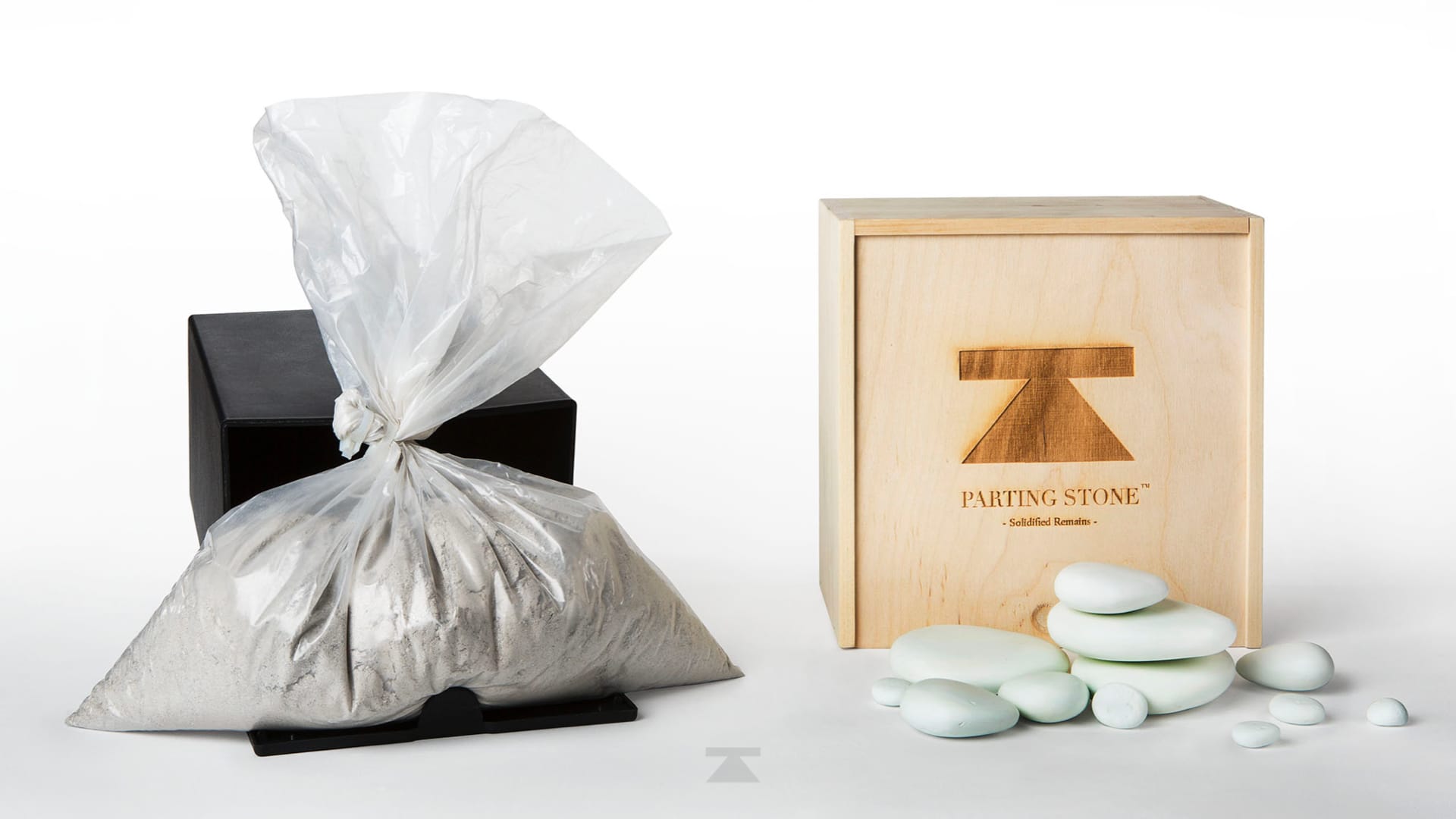
Solidified Remains: A Memorial Choice That Prevents Common Regrets
While memorial regret can develop around any choice, certain options consistently lead to higher family satisfaction and lower rates of long-term regret. Solidified remains represent a memorial approach specifically designed to address the most common sources of memorial dissatisfaction.
Understanding Solidified Remains
Solidified remains transform cremated remains into 40-80 smooth, stone-like objects through a careful process validated by Los Alamos National Laboratory. Unlike memorial products or keepsakes, solidified remains are your loved one in a new form—a complete alternative to traditional ashes that addresses many limitations families experience with cremated remains.
The 8-10 week transformation process involves:
- Refinement - removing foreign contaminants from cremated remains
- Stone forming - combining remains with a small amount of binding agent
- Solidification - heating in a kiln to create permanent, durable stones
- Finishing - cleaning and polishing each stone individually
Why Solidified Remains Reduce Memorial Regret
Families consistently report high satisfaction with solidified remains because this option addresses the three primary sources of memorial regret: permanence anxiety, sharing difficulties, and connection challenges.
- Permanence with Comfort: Unlike scattered ashes that can't be retrieved or urns that can break, solidified remains provide permanent memorialization that feels comforting rather than anxiety-producing. Families can hold, touch, and interact with their loved one in ways that feel naturally supportive.
- Easy Sharing Among Family: Many families regret memorial choices that make it difficult to share their loved one among multiple family members. Solidified remains naturally divide into individual stones that can be kept together or shared across different homes, allowing each family member to maintain their own connection.
- Tangible Connection: Rather than keeping ashes hidden away due to discomfort, families find solidified remains invite interaction. Stones can be held during difficult moments, carried while traveling, or displayed in ways that feel warm and welcoming rather than somber.
The Confidence Factor: Long-Term Satisfaction
Research on memorial satisfaction shows that tangible, interactive memorials consistently receive higher long-term satisfaction ratings than static or abstract options (Klass, Silverman & Nickman, 1996). Solidified remains embody this principle by creating memorial experiences that strengthen rather than fade over time.
Families report confidence in their choice because:
- Physical interaction creates ongoing comfort rather than one-time memorialization
- Portability allows the memorial to adapt to life changes and circumstances
- Durability provides security that the memorial will last for generations
- Beauty transforms what can feel tragic into something genuinely lovely
- Flexibility accommodates different family members' preferences and needs
At $2,495 for human solidification, families often express that the peace of mind and ongoing comfort provided by solidified remains represents exceptional value compared to traditional memorial options that may cost similar amounts but provide less interactive benefit.
How to Make Peace with Your Memorial Decision
Whether you're working through existing regret or want to increase confidence in upcoming decisions, creating peace with memorial choices involves both practical steps and emotional processing. The goal isn't to eliminate all uncertainty—it's to reach a place of sufficient peace where you can engage with your loved one's memory without being consumed by regret.
Step 1: Acknowledge Your Feelings Without Judgment
Begin by giving yourself permission to have whatever feelings arise about your memorial decision. Regret, disappointment, confusion, or even anger about the choice are all valid responses that don't require immediate fixing or changing.
Practice saying to yourself:
- "It makes sense that I have complicated feelings about this decision"
- "Regretting this choice doesn't mean I didn't love them enough"
- "I'm allowed to feel disappointed while still honoring their memory"
- "These feelings don't have to last forever or define my entire relationship with their memory"
This acknowledgment creates emotional space for processing rather than fighting against your natural responses.
Step 2: Gather Perspective on Your Decision-Making Context
Most memorial regret diminishes when people remember the context in which they made their original decision. During acute grief, it's easy to forget how limited your information, time, energy, and emotional resources actually were.
Helpful perspective-gathering questions:
- What information did you have available at the time of the decision?
- How much time were you given to consider options?
- What emotional state were you in during the decision-making process?
- Who was available to support you, and who wasn't?
- What other stressors were affecting your family at the time?
- What financial or practical constraints influenced your options?
Writing down these contextual factors often reveals that you made a reasonable decision given the circumstances, even if you might choose differently with more time, information, or emotional stability.
Step 3: Focus on Continuing Bonds Rather Than Perfect Memorials
Modern grief research emphasizes that healthy grief involves maintaining continuing bonds with deceased loved ones rather than "getting over" the loss (Klass, Silverman & Nickman, 1996). The specific memorial choice matters less than your ongoing relationship with their memory.
Ways to strengthen continuing bonds regardless of memorial choice:
- Regular remembrance practices - lighting candles, looking at photos, sharing stories
- Anniversary acknowledgments - marking important dates in meaningful ways
- Living memorials - volunteering, donations, or activities that reflect their values
- Family traditions - continuing or creating practices that honor their memory
- Personal conversations - talking to them during difficult moments or important life events
These ongoing practices often become more significant sources of comfort than the initial memorial decision.
Step 4: Consider Complementary Memorial Actions
If regret persists about your original memorial choice, consider complementary actions that address what feels missing without negating the original decision.
Complementary memorial options:
- Memory books or photo albums if the original memorial feels too abstract
- Planted gardens or trees if you desire something living and growing
- Charitable giving if you want to create positive impact in their name
- Annual traditions if the memorial feels static and unchanging
- Family gathering places if the memorial doesn't accommodate multiple people
These additions don't replace the original memorial—they enhance your overall memorial experience and can help resolve specific regrets about what's missing.
Step 5: Seek Professional Guidance When Self-Help Isn't Sufficient
Some memorial regret requires professional support to resolve effectively. This isn't failure—it's recognition that certain grief experiences benefit from specialized guidance.
Signs that professional support might help:
- Memorial regret that hasn't improved after 6-12 months of self-help efforts
- Regret that significantly interferes with work, relationships, or daily functioning
- Development of anxiety, depression, or other mental health symptoms related to the decision
- Family conflict that continues to center around the memorial choice
- Inability to visit or engage with the memorial without significant distress
Types of professional support that can help:
- Grief counselors specializing in complicated grief or decision-making difficulties
- Family therapists when memorial regret affects multiple family members
- Support groups focused on memorial decision-making or specific types of loss
Frequently Asked Questions
How common is memorial decision regret?
Memorial decision regret affects approximately 35-40% of bereaved families within the first two years following a loss, according to grief psychology research. This regret typically decreases over time as families develop new ways of connecting with their loved one's memory. The most important thing to understand is that experiencing regret about memorial decisions doesn't indicate poor judgment—it reflects the challenge of making permanent decisions during acute grief when cognitive function is naturally impaired.
Is it normal to change your mind about memorial choices?
Yes, changing your mind about memorial preferences is completely normal and often healthy during grief processing. Many people discover that their initial memorial choice doesn't provide the comfort they expected, or their needs change as grief evolves. While some memorial decisions can't be easily changed, many families find ways to modify or supplement their original choice. The key is recognizing that evolving memorial needs reflect grief's natural progression rather than poor initial decision-making.
How long should I take before making memorial decisions?
Most grief counselors recommend taking at least 48-72 hours before making final memorial decisions, and longer if possible. The brain's cognitive function during acute grief is significantly impaired, making quality decision-making more difficult immediately following a loss. If funeral arrangements require immediate decisions, consider temporary options that allow you to make permanent choices after some initial grief processing. There's no specific timeline that works for everyone—take whatever time you need to feel reasonably confident in your decision.
Can memorial regret affect the grieving process?
Yes, unresolved memorial regret can complicate the grieving process by creating an additional source of distress and self-blame during an already difficult time. When people become fixated on memorial regret, it can interfere with processing other aspects of their loss and maintaining healthy continuing bonds with their loved one. However, addressing memorial regret through self-compassion, perspective-gathering, and sometimes professional support usually allows people to return to more natural grief processing.
What if family members disagree about memorial choices?
Family disagreement about memorial choices is extremely common and can be a significant source of regret and ongoing conflict. The best approach involves open communication about each person's needs and values, seeking compromise when possible, and sometimes agreeing to create multiple memorial expressions that meet different family members' needs. Consider involving a grief counselor or family therapist if memorial disagreements are causing persistent conflict or preventing the family from supporting each other during grief.
When should I seek professional help for memorial regret?
Consider professional support when memorial regret persists for more than 6-12 months or significantly impacts your daily functioning, relationships, or mental health. Additionally, seek help if you develop anxiety or depression related to the memorial decision, find yourself unable to visit or engage with the memorial, or notice that regret is preventing you from processing other aspects of your grief. Grief counselors specializing in complicated grief can provide effective strategies for resolving memorial regret and returning to healthier grief processing.
How do I help someone else who's struggling with memorial regret?
Supporting someone with memorial regret involves listening without judgment and validating their feelings rather than immediately trying to fix or minimize their regret. Avoid saying things like "I'm sure you chose correctly" or "They would have loved whatever you picked." Instead, acknowledge how difficult it must be to question such an important decision. Encourage them to practice self-compassion and consider professional support if the regret seems to be significantly impacting their life or grief processing.
About the Editor
Cathy Sanchez Babao is a Grief Coach at Parting Stone, a grief educator, counselor, author, and columnist who has dedicated her career to helping individuals and families navigate loss. She writes the “Roots and Wings” column for the Philippine Daily Inquirer and is the author of Heaven’s Butterfly and Between Loss and Forever: Filipina Mothers on the Grief Journey. Cathy holds a B.S. in Business Administration and Management from Ateneo de Manila University and an M.A. in Family Psychology and Education from Miriam College, with advanced grief training at the Center for Loss & Life Transition and the Center for Prolonged Grief at Columbia University.
References
Klass, D., Silverman, P. R., & Nickman, S. L. (1996). Continuing bonds: New understandings of grief. Taylor & Francis. https://doi.org/10.4324/9781315800790
O'Connor, M. F. (2019). Grief: A brief history of research on how body, mind, and brain adapt. Psychosomatic Medicine, 81(8), 731-738. https://doi.org/10.1097/PSY.0000000000000717
Shear, M. K. (2015). Complicated grief. New England Journal of Medicine, 372(2), 153-160. https://doi.org/10.1056/NEJMcp1315618
Stroebe, M., Schut, H., & Stroebe, W. (2007). Health outcomes of bereavement. The Lancet, 370(9603), 1960-1973. https://doi.org/10.1016/S0140-6736(07)61816-9
Worden, J. W. (2018). Grief counseling and grief therapy: A handbook for the mental health practitioner (5th ed.). Springer Publishing Company. https://doi.org/10.1891/9780826134745
National Alliance on Mental Illness. (2023). Grief and loss: Understanding the mourning process. Retrieved from https://www.nami.org/About-Mental-Illness/Related-Conditions/Grief-and-Loss
American Psychological Association. (2023). Managing traumatic grief and loss. Retrieved from https://www.apa.org/topics/grief
Center for Complicated Grief, Columbia University School of Social Work. (2023). Understanding complicated grief. Retrieved from https://complicatedgrief.columbia.edu
What's Your Grief. (2023). Memorial decision regret: When choices feel wrong. Retrieved from https://www.whatsyourgrief.com/memorial-decision-regret/
Grief Recovery Method. (2023). Processing grief decision regret. Retrieved from https://www.griefrecoverymethod.com/blog/grief-decision-regret