
Memorial Comparison: What to Look For When Choosing Between Memorial Options
Memorial comparison shopping guide showing what to look for in providers and services. Make informed choices with expert comparison criteria and understand your options during difficult decisions.


Key Takeaways
- Memorial decisions shouldn't be rushed during your grief journey, and taking time to compare options honors your loved one's memory
- Look beyond price when comparing providers - consider long-term emotional satisfaction, family shareability, and meaningful connection opportunities
- Traditional memorial approaches often leave families with limited options for staying connected and sharing remembrance across family members
- Solidified remains offer a complete alternative to ashes rather than just another memorial product, addressing the core need for tangible connection
- Quality memorial comparison focuses on transformation and experience rather than simply features and pricing
Reflections on love, loss, and how we hold them.
One of the hardest parts of grief isn’t the sadness itself, it’s the decisions we’re asked to make while our hearts are still unsteady. Memorial choices often arrive disguised as comparisons: urns versus keepsakes, ceremonies versus scattering, tradition versus something new. But beneath the spreadsheets and late-night research is a quieter question: What will help us feel close, not just now, but years from now?
Many families worry about choosing “wrong.” I gently remind them that regret usually comes not from choosing imperfectly, but from choosing too quickly, without listening to what their grief is asking for. Comparison can be helpful, but only when we look beyond price tags and timelines and toward emotional truth.
I think of Sarah, a widow from New York, who felt stuck choosing an urn that never quite felt like her husband. He had loved rocks. Always pocketing one from every trip. When she discovered a memorial option that transformed his remains into smooth, shareable stones, the decision stopped feeling theoretical. It became personal. Being able to hold him, and share that connection with their children, brought her peace she hadn’t expected.
When comparing memorial options, I encourage families to ask softer questions: Will this allow us to interact, not just store? Can it grow with our grief as it changes? Does it honor who they were, not just how they died?
The best memorial choices don’t rush grief into closure. They create room for touch, memory, movement, and quiet moments of connection. And sometimes, clarity arrives not from choosing the most familiar option, but the one that finally feels like home.
Cathy Sanchez Babao
Parting Stone Grief Coach
When you're facing memorial comparison decisions during grief, the overwhelming array of options can feel impossible to navigate. You're not just choosing between products or services - you're making decisions about how to honor someone irreplaceable while meeting your family's need for connection and healing.
Many families find themselves creating detailed comparison spreadsheets, scheduling consultations with multiple providers, and researching options late into the night, hoping to find the perfect way to memorialize their loved one. The responsibility feels enormous because you want to make a decision you'll never regret.
This comprehensive guide will help you evaluate memorial options with clarity and confidence, providing a framework for comparing providers, services, and approaches that prioritizes your emotional well-being alongside practical considerations.
The Hidden Challenge Most Families Face
Before diving into comparison criteria, it's essential to understand the fundamental problem that drives most memorial decisions: 75 million Americans currently live with cremated remains stored in closets, basements, and garages. These families desperately want to feel close to their departed loved ones, but conventional ashes create barriers to connection rather than enabling it.
Sarah from New York 🖤 discovered this firsthand: "I was having difficulty deciding on an urn. Parting stones also made it easier to share my husband's remains with our large, close-knit family. He was an avid rock collector as well, so everything about this made sense and has given me peace."
The Emotional Stakes of Memorial Decisions
Traditional memorial approaches often fall short of meeting families' deeper needs:
- Ashes are messy and create anxiety when families want to include their loved one in meaningful moments
- Conventional urns become static displays rather than enabling ongoing connection and remembrance
- Sharing cremated remains among family members presents practical and emotional challenges
- Scattering ceremonies leave nothing tangible for future comfort and remembrance
The memorial industry has recognized these limitations, leading to innovative approaches that prioritize family experience over traditional conventions. Research from the National Funeral Directors Association indicates that 68% of families now prefer memorial options that enable ongoing interaction rather than static display.
Comprehensive Memorial Comparison Framework
Service Quality and Reliability Indicators
When comparing memorial providers, prioritize these quality markers:
- Communication Standards Look for providers who demonstrate grief-sensitive communication throughout your interaction. Quality providers offer regular updates, respond promptly to concerns, and use language that acknowledges your emotional journey rather than rushing you through decisions.
- Process Transparency
Reputable memorial services provide clear explanations of their process, timeline expectations, and what families can expect at each stage. Avoid providers who cannot clearly explain their methods or seem evasive about process details. - Professional Credentials and Partnerships Research providers' industry affiliations, certifications, and partnerships with established funeral homes or crematoriums. Quality providers often maintain memberships with industry organizations like the Cremation Association of North America.
Customer Experience and Support Standards
Grief-Appropriate Service Delivery The best memorial providers understand that families making these decisions are often in crisis. Look for services that offer flexibility with timelines, patience with questions, and support that extends beyond the transaction.
Family Education and Guidance Quality providers invest in helping families understand their options without pressure. They should be able to explain how their service compares to alternatives and help you make decisions that align with your values and needs.
Long-term Support and Guarantees Memorial decisions are permanent, so providers should stand behind their work with meaningful guarantees and ongoing support. Research what recourse you have if you're unsatisfied with results.
Value Proposition Analysis Beyond Price
While cost matters, focusing solely on price can lead to decisions you'll regret. Consider these value factors:
Emotional Satisfaction Potential How will this memorial option serve your family's emotional needs over time? Consider whether the approach enables ongoing connection, provides comfort during difficult moments, and creates opportunities for meaningful remembrance.
Family Shareability
Many families discover too late that their chosen memorial approach doesn't accommodate multiple family members' needs.
Tracy from Virginia 🖤 found this to be crucial: "When my Mom passed suddenly, I don't know what I wanted - but it was NOT an urn full of ashes to sit neglected for years like my step dad's had been doing."
Flexibility for Life Changes Consider how your memorial choice will adapt to life changes like moves, family growth, or evolving grief needs. Some memorial approaches become more meaningful over time, while others may feel limiting years later.
Evidence-Based Memorial Option Analysis
Traditional Cremation Urns
According to the International Cemetery, Cremation and Funeral Association, traditional urns serve approximately 40% of cremated remains, but satisfaction studies reveal important limitations:
Advantages:
- Immediate availability following cremation
- Wide variety of styles and price points
- Familiar to most funeral directors and families
Limitations:
- Creates static display rather than interactive remembrance
- Difficult to share among multiple family members
- Often leads to long-term storage uncertainty
- May increase "ash anxiety" for families uncomfortable with loose cremated remains
Memorial Jewelry and Keepsakes
Memorial jewelry markets have grown 23% annually according to Funeral Business Advisor research, but serve limited cremated remains volumes.
Advantages:
- Enables portable remembrance
- Wide customization options
- Often meaningful for individual family members
Limitations:
- Accommodates minimal cremated remains volume
- Doesn't address what to do with remaining ashes
- Quality varies significantly among providers
- May not appeal to all family members
Scattering Services
The National Park Service reports increased interest in scattering ceremonies, but families should understand the complete implications:
Advantages:
- Often aligns with loved one's expressed wishes
- Can create meaningful ceremonial moments
- Removes ongoing storage concerns
Limitations:
- Leaves no physical remembrance for future comfort
- Weather conditions can affect ceremony experience
- May not satisfy family members' need for ongoing connection
- Cannot be undone if family preferences change
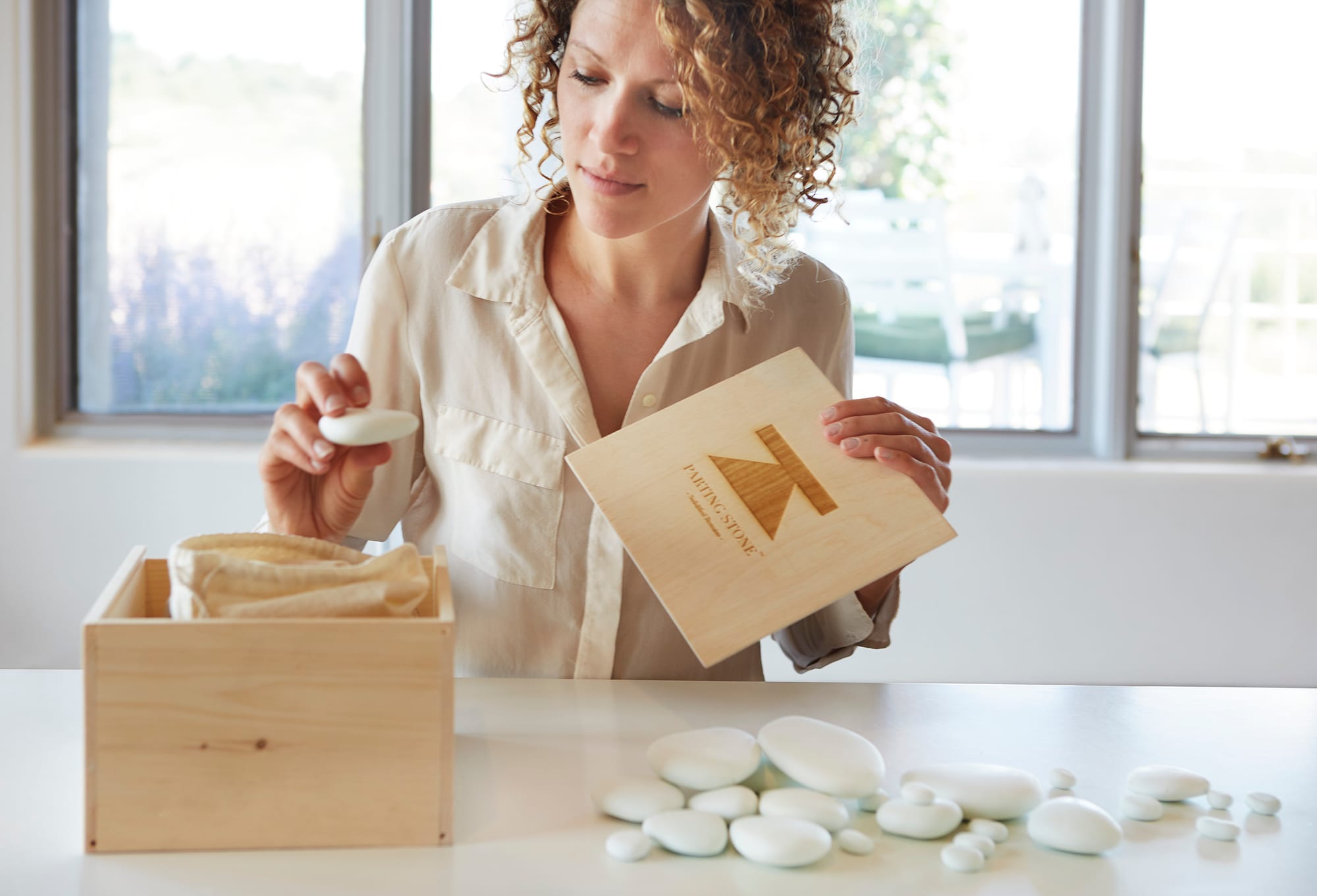
Solidified Remains: A Complete Alternative
Solidified remains represent a fundamentally different approach - transforming cremated remains into 40-80+ smooth, touchable stones rather than offering another way to store ashes. This process, validated by Los Alamos National Laboratory, addresses the core problems families experience with traditional cremated remains.
Ginger from Illinois 🖤 describes her family's experience: "We had a sort of shock/unpleasant feeling with the cremation service we used. We discovered Parting Stone and loved the idea of leaving stones in the sea instead of just scattering ashes. It also allowed us to hold a tangible piece of our mom's remains and to have a visual reminder of her."
Scientific Process and Quality Assurance: The solidification process takes 8-10 weeks and transforms the vast majority of cremated remains into solid, stone-like form. Small test samples may be required to ensure optimal results for each unique set of remains, and the scientific approach ensures the highest possible success rate.
Customer Satisfaction Data: Analysis of 12,000+ customer experiences reveals three fundamental desires that solidified remains uniquely fulfill:
- Portability (89% of families) value the ability to carry, travel with, and redistribute stones
- Tactile Comfort (85% of families) derive significant comfort from the physical act of holding their stones
- Shareability (91% of families) actively share stones with family members
Investment and Timeline: Solidified remains services are priced at $2,495 for human remains and $1,195 for pet remains, with an 8-10 week processing timeline. This investment reflects the scientific precision required and the complete transformation of all cremated remains into solid form.
How To Compare Memorial Providers Effectively
Step 1: Research Provider Credentials and Background
Begin by investigating each provider's history, certifications, and industry standing. Look for:
- Years of operation and service volume
- Industry partnerships and certifications
- Better Business Bureau ratings and complaint resolution
- Professional association memberships
Step 2: Evaluate Communication and Customer Service Standards
Contact providers directly to assess their communication approach:
- How quickly do they respond to inquiries?
- Do they use grief-appropriate language and show patience?
- Can they clearly explain their process and timeline?
- Do they pressure you to decide quickly or allow time for consideration?
Step 3: Request Detailed Process Information
Quality providers should willingly explain:
- Exactly what happens during their process
- Timeline expectations and communication protocols
- What guarantees or recourse options exist
- How they handle unexpected situations or concerns
Step 4: Assess Long-term Family Fit
Consider how each option serves your family's specific needs:
- Will this approach still feel right in 5-10 years?
- Does it accommodate all family members who want remembrance?
- How will this memorial adapt to potential life changes?
- Does it align with your loved one's values and preferences?
Step 5: Compare True Total Value, Not Just Price
Calculate the complete investment including:
- Initial service costs and any additional fees
- Long-term maintenance or storage requirements
- Emotional satisfaction potential over time
- Family participation and shareability factors
Frequently Asked Questions
What should I compare when shopping for memorial services?
Focus on three key areas: provider quality and reliability, service approach and customer support, and long-term family satisfaction potential. Price alone shouldn't drive your decision since memorial choices are permanent and affect your family's emotional well-being for years to come.
How long should I take to make memorial decisions?
There's no timeline for grief, and memorial decisions shouldn't be rushed. Many families benefit from taking several weeks or months to research options, especially if they're comparing multiple approaches. Quality providers will respect your need for time and won't pressure you to decide quickly.
What questions should I ask memorial providers?
Ask about their process details, timeline expectations, communication protocols, guarantees or recourse options, and how they handle unexpected situations. Also inquire about their experience serving families in situations similar to yours and request references if helpful.
How do I know if a memorial option will satisfy my family long-term?
Consider whether the approach enables ongoing connection, accommodates multiple family members' needs, provides comfort during difficult moments, and aligns with your loved one's values. Think about how the memorial will fit into your life during moves, family changes, and evolving grief needs.
What are the most important factors in memorial comparison?
Prioritize emotional satisfaction potential over price alone, provider reliability and communication quality, family shareability and participation opportunities, and long-term flexibility for changing needs. The best memorial choice serves your family's emotional healing rather than just solving immediate decisions.
How do solidified remains compare to traditional memorial options?
Solidified remains offer a complete alternative to ashes rather than just another storage method. The process transforms cremated remains into 40-80+ stones that can be held, shared among family members, taken to meaningful places, and provide tactile comfort. Unlike traditional approaches, solidified remains address the core problems families experience with loose ashes while enabling ongoing connection and remembrance.
About the Editor
Cathy Sanchez Babao is a Grief Coach at Parting Stone, a grief educator, counselor, author, and columnist who has dedicated her career to helping individuals and families navigate loss. She writes the “Roots and Wings” column for the Philippine Daily Inquirer and is the author of Heaven’s Butterfly and Between Loss and Forever: Filipina Mothers on the Grief Journey. Cathy holds a B.S. in Business Administration and Management from Ateneo de Manila University and an M.A. in Family Psychology and Education from Miriam College, with advanced grief training at the Center for Loss & Life Transition and the Center for Prolonged Grief at Columbia University.
References
- National Funeral Directors Association. (2024). 2024 Consumer Awareness and Preferences Study. https://www.nfda.org/news/statistics
- Cremation Association of North America. (2024). Annual Cremation Statistics and Market Analysis. https://www.cremationassociation.org
- International Cemetery, Cremation and Funeral Association. (2024). Memorial Trends and Consumer Preferences Research. https://www.iccfa.com
- Worden, J. W. (2018). Grief counseling and grief therapy: A handbook for the mental health practitioner (5th ed.). Springer Publishing Company.
- National Park Service. (2024). Scattering Ashes Guidelines and Regulations. https://www.nps.gov
- Funeral Business Advisor. (2024). Memorial Products Market Analysis and Growth Trends. https://www.funeralbusinessadvisor.com
- Los Alamos National Laboratory. (2024). Materials Science Research and Applications. https://www.lanl.gov
- Klass, D., Silverman, P. R., & Nickman, S. L. (Eds.). (1996). Continuing bonds: New understandings of grief. Taylor & Francis.
- Stroebe, M., Schut, H., & Stroebe, W. (2007). Health outcomes of bereavement. The Lancet, 370(9603), 1960-1973.
- Neimeyer, R. A. (2019). Meaning reconstruction and the experience of loss. American Psychological Association.