How to Share Cremation Ashes Among Family Members
Learn how to share cremation ashes among family members with clarity and care. Explore meaningful options, practical guidance, and ways to honor everyone’s connection while preserving your loved one’s memory.


Key Takeaways
- Family sharing is natural and common: Research shows that 91% of families actively share memorial elements among family members, demonstrating strong demand for divisible memorial solutions that traditional cremation services often inadequately address.
- Multiple options exist for ash division: Families can divide ashes using small containers, keepsake urns, memorial jewelry, or choose solidified remains which naturally divide into 40-80+ stones for easier, cleaner sharing.
- Planning prevents family conflicts: Early discussions about sharing preferences, clear communication about everyone's needs, and understanding different grief styles help families avoid disagreements about memorial distribution.
- Legal and practical considerations matter: While dividing ashes is legal in most areas, families should consider storage, transportation, and long-term care requirements when making sharing decisions.
- Professional support helps navigate decisions: Grief counselors and funeral directors can assist families in working through different memorial preferences and finding solutions that honor everyone's relationship with the deceased.
Reflections on love, loss, and the ways we carry them.
In the work I do with grieving families, one of the most tender questions that surfaces after cremation is this: How do we share our loved one in a way that feels fair, meaningful, and comforting for everyone? The desire is universal—each child, grandchild, and even close family friends wanting something that keeps the bond alive. And yet, traditional ash division can feel messy, overwhelming, and emotionally fraught.
I remember speaking with a client named Michele, who had just lost her mother. “Each of us needed something to hold onto,” she told me. Four children, a handful of grandchildren, each with their own memories and their own grief. “But the thought of dividing ashes… it felt impossible.” Her words echo what I hear so often: families struggling with the logistics, the emotions, and the permanence of decisions made during heartbreak.
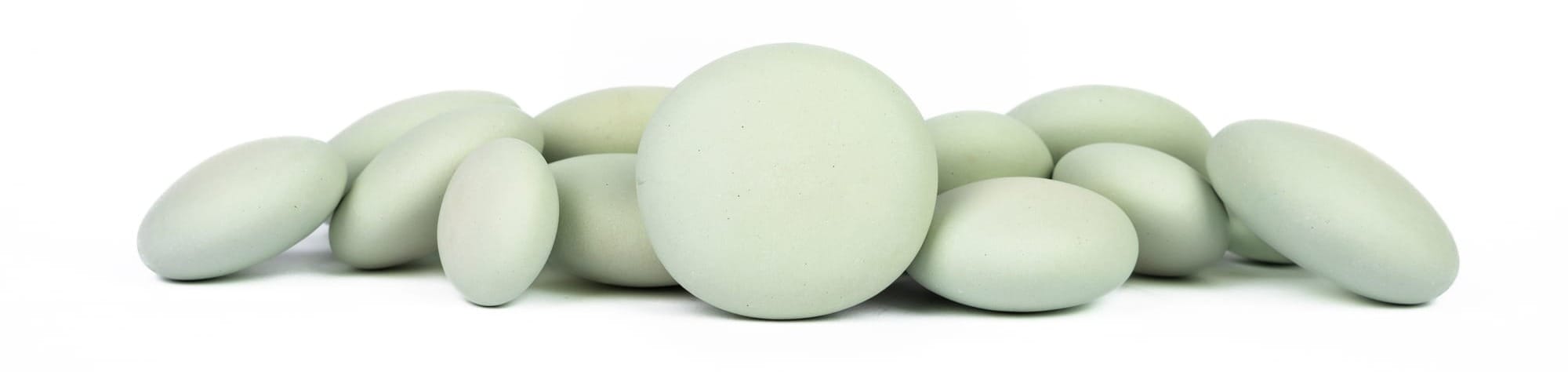
This is where solidified remains gently change the experience. Instead of ashes, families receive 40–80 beautifully smooth stones, each containing their loved one’s full, complete presence. Clean to handle, easy to share, and free from the fear of spillage or error, they allow families, whether scattered across states or countries, to take their loved one with them in a way that feels natural and deeply comforting.
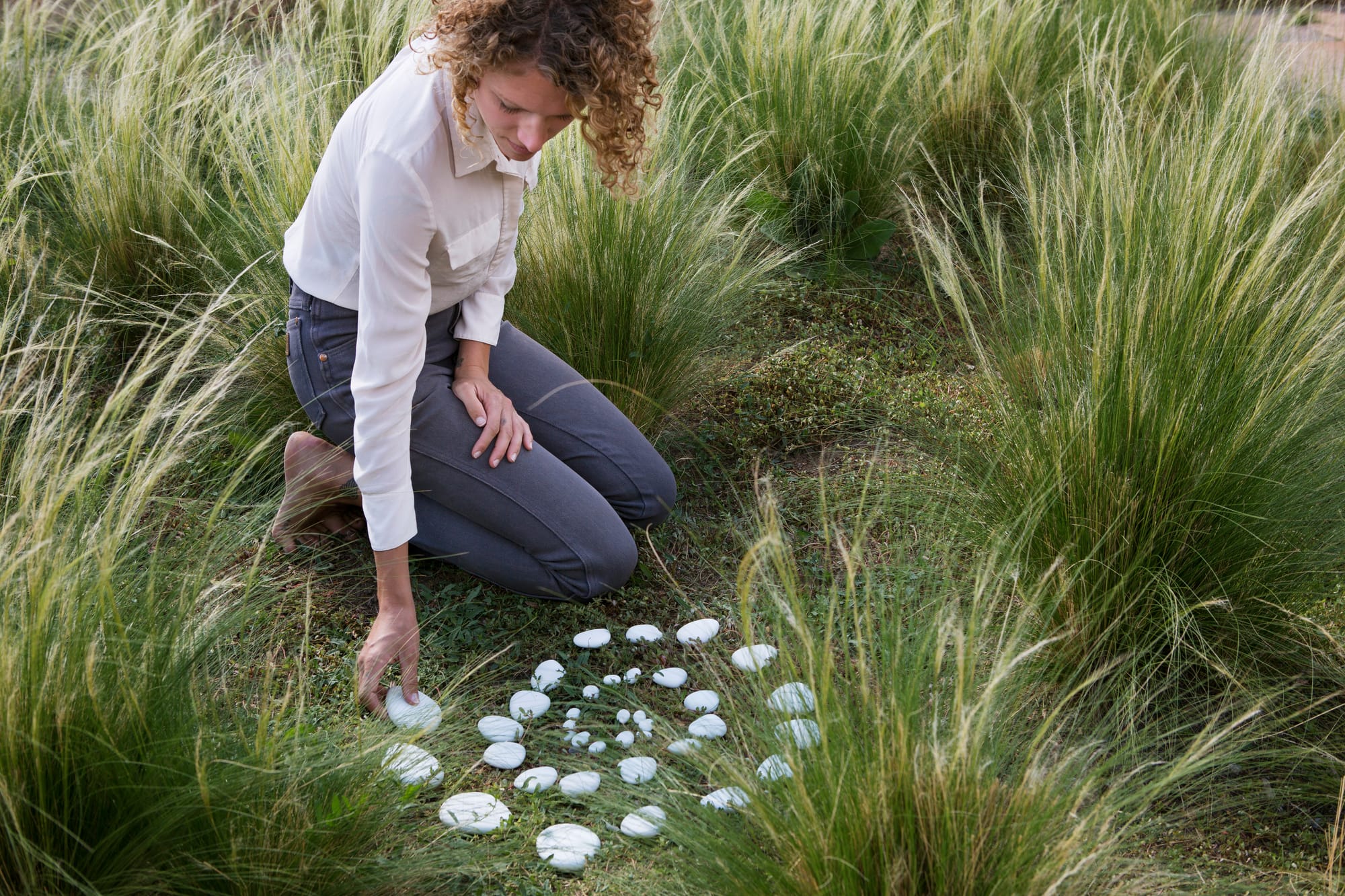
One family told me their grandchildren brought the stones to college. Another placed them across a childhood mountain in New Zealand. And Michele? She said the stones gave her family “something to hold, something to keep, and something to share.”
In grief, what we long for most is connection. Solidified remains make that connection possible, gently, beautifully, and together.
Cathy Sanchez Babao
Parting Stone Grief Coach
When families choose cremation, one of the most challenging questions that emerges during an already difficult time is how to share the cremated remains among loved ones. The desire to ensure everyone has a meaningful connection to the deceased is both natural and deeply important, yet traditional ash division presents practical and emotional complexities that many families struggle to navigate.
Understanding the Family Need for Memorial Sharing
The psychology behind wanting to share memorial elements runs deep in human nature. Family-focused grief therapy research demonstrates that shared grief experiences help build family cohesiveness and provide mutual support during bereavement. When families can participate together in memorial decisions, it creates opportunities for healing and connection that individual grieving cannot provide.
Research analyzing thousands of customer experiences reveals that 91% of families actively share memorial elements among family members. This overwhelming statistic indicates that the desire for inclusive memorialization represents a fundamental driver of service selection, not simply a secondary consideration.
The challenge becomes particularly acute in modern families where siblings, children, and extended family members may live across different states or countries. Geographic distance doesn't diminish the emotional need for connection with the deceased, but it does complicate traditional approaches to memorial sharing.
Common Family Sharing Scenarios
Families typically want to share memorial portions in several situations:
- Adult children living in different locations often each want something tangible to keep their parent close.
- Grandchildren away at college or starting their adult lives frequently desire portable memorial elements they can carry with them. As one family shared: "The three grandchildren took their stones to college with them. I have mine on a small glass block by my bedside."
- Extended family and close friends who played significant roles in the deceased's life often want to participate in memorial keeping, even if they're not immediate family members.
Traditional Ash Division: Challenges and Limitations
Practical Difficulties with Ash Division
Dividing traditional cremated remains presents several challenges that families often don't anticipate. According to sources tracking cremation practices and ash handling, families must navigate complex practical considerations:
- Physical handling concerns: Many families find the process of physically dividing ashes emotionally difficult and practically messy. The fine powder consistency makes clean division challenging, and the process itself can feel undignified.
- Storage requirements: Each portion needs appropriate containers, which can become expensive when multiple family members are involved. Traditional keepsake urns range from modest to very costly, and families often struggle with ensuring everyone has appropriately beautiful containers.
- Transportation and travel considerations: Ashes require special handling for transportation, particularly air travel, where specific regulations apply. This becomes complicated when multiple family members need to transport their portions to different locations.
Emotional Complications
Beyond practical challenges, traditional ash division can create emotional difficulties. Grief counseling research indicates that families experiencing different grief stages may have conflicting needs regarding memorial handling.
Some family members may feel comfortable with the physical nature of ashes, while others find it disturbing or anxiety-provoking. These different comfort levels can create tension when families attempt to coordinate sharing decisions.
The permanence of traditional ash division also concerns some families. Once ashes are divided and distributed, combining them again becomes impossible, which can feel like an irreversible decision during a time when families are already dealing with significant loss.
Exploring Family-Friendly Memorial Sharing Solutions
Understanding Different Sharing Preferences
Family therapy for grief and loss emphasizes that family members may express different preferences for memorial participation. Some want tactile, holdable memorial elements, while others prefer visual or spiritual connections.
Tactile comfort seekers (representing 85% of families according to customer research) derive significant comfort from physical touch and handling. These family members benefit from memorial elements they can hold during difficult moments or carry with them for emotional support.
Portable memorial preferences appeal to 89% of families who value the ability to carry, travel with, and redistribute memorial elements. This group wants their loved ones to accompany them through life, not remain fixed in one location.
Visual and display-oriented family members prefer memorial elements that create beautiful, lasting displays in their homes or special places.
Solidified Remains: A Complete Alternative for Family Sharing
Solidified remains represent a complete alternative to traditional cremated remains that addresses many family sharing challenges. Through a patented process validated by Los Alamos National Laboratory, cremated remains are transformed into 40-80+ smooth, natural stones that maintain the complete physical presence of the loved one while providing practical advantages for family distribution.
Deanna from California 🖤 described her family's experience: "We were not sure how to 'share' my dad's ashes and Parting Stone gave us the perfect solution! There are plenty of stones to share with all of his loved ones and best friends. The process was super easy and I was informed on the status regularly."
The transformation process takes approximately 8-10 weeks and returns the full amount of remains in solid, clean form. Unlike traditional memorial products that represent only a portion of the deceased, solidified remains encompass the complete physical presence while naturally dividing for family sharing.
Natural Divisibility Advantages
The stone format eliminates the challenges associated with traditional ash division:
- Clean, dignified handling: Stones can be touched, held, and transferred without concerns about spilling or messy handling.
- No containers required: Each stone is self-contained and doesn't require special urns or containers for storage or transport.
- Travel-friendly format: Stones travel easily without special regulations or handling requirements, making them ideal for families spread across different locations.
- Varied distribution options: Families can share stones immediately or retain flexibility to distribute them over time as family circumstances change.
Alyson from Ohio 🖤 shared how this worked for her family: "We took them to our lake home and had family members place them in areas that were meaningful to them each placement was for my mom in the water for my dad in the woods and around our home. Each summer we find them in these spots even in the water they stand out. It makes us feel close to them and able to touch them again."
Pricing and Value Considerations
The solidification service is priced at $2,495 for human remains and $1,195 for pet remains, representing a complete transformation rather than an add-on service. This pricing includes the entire process, shipping, and returns the full amount of remains in solid form.
When families consider the cost of multiple keepsake urns, memorial jewelry, or other sharing solutions, the comprehensive nature of solidified remains often provides superior value, particularly given that it addresses multiple family members' needs simultaneously.
Creating a Family Memorial Sharing Plan
Early Planning and Communication
Tina from Wisconsin 🖤 emphasized the importance of family input: "It has made the grieving process easier. Sharing the stones with family and friends has eased the pain and made all of us smile. His life was cut short but his stones live on to experience many new, exciting adventures."
The most successful family sharing approaches involve early communication about everyone's preferences and needs. This doesn't need to happen during acute grief but can be addressed as families begin considering their memorial options.
Key questions for family discussions include:
- Geographic considerations: Where do family members live, and how will distance affect their ability to participate in memorial activities?
- Memorial style preferences: Do family members prefer private memorial keeping, shared family activities, or public memorial displays?
- Long-term plans: How might family circumstances change over time, and how will that affect memorial sharing needs?
- Cultural and religious considerations: Do family traditions influence preferred memorial approaches, and how can different preferences be accommodated?
Coordinating Different Grief Styles
Grief counseling techniques recognize that family members may experience instrumental grieving (problem-solving focused) or intuitive grieving (emotion-focused), and these different styles affect memorial preferences.
Instrumental grievers often prefer practical, organized approaches to memorial sharing, while intuitive grievers may want more emotionally expressive memorial activities. Understanding these differences helps families plan sharing approaches that work for everyone.
Managing Family Dynamics
Not all families find memorial sharing decisions easy. Research on family therapy for grief indicates that pre-existing family tensions can intensify during bereavement, potentially complicating memorial decisions.
Professional grief counselors recommend addressing sharing preferences before they become sources of conflict. When families discuss preferences openly and early, they can prevent disagreements and ensure everyone feels included in memorial planning.
Michele from Arizona 🖤 shared how advance planning helped her family: "We found Parting Stones before my husband's illness overtook him. We were able to discuss the process and he was very delighted with the idea of everyone in the family receiving a Stone. He was also able to give input as to where he wanted the stones laid or tossed or mailed to. Every family member or good friend that received a Stone was so appreciative."
Practical Implementation Guidance
Step-by-Step Sharing Process
For families choosing solidified remains, the sharing process becomes significantly simplified:
- Initial consultation: Families can discuss their sharing needs with care specialists who understand the unique aspects of family memorial distribution.
- Processing timeline: The 8-10 week transformation timeline allows families time to coordinate their sharing plans and prepare for distribution.
- Distribution coordination: Upon return, families receive 40-80+ stones that can be shared immediately or distributed over time according to family preferences.
- Ongoing flexibility: Unlike traditional ash division, families retain the ability to redistribute stones as circumstances change or as family members' needs evolve.
Supporting Long-Distance Family Members
Many families deal with the challenge of including family members who live far away. Traditional approaches often exclude distant relatives from meaningful participation, but modern memorial solutions address these geographical barriers.
Carla from Rancho Mission Viejo 🖤 described how distance became a strength rather than a limitation: "We have been able to take mothers stones to many of her favorite places across the country. College, her farm, her favorite vacation spots and each of us has Mom with us. The grandchildren all were eager to have her with them in such a tasteful way."
Portable memorial elements allow distant family members to participate fully in memorial activities, creating connections that transcend geographical limitations.
Creating Meaningful Sharing Ceremonies
Many families find that the sharing process itself becomes an important family bonding activity. Rather than dividing ashes privately, families can create ceremonies that celebrate their loved one while strengthening family connections.
Successful sharing ceremonies often include:
- Family gathering with memorial element selection: Each family member chooses elements that resonate with them, creating personal connections while maintaining family unity.
- Storytelling and memory sharing: The selection process provides opportunities for families to share memories and stories about their relationship with the deceased.
- Future planning discussions: Families can coordinate plans for memorial activities, travel, and ongoing remembrance practices.
- Documentation and photography: Many families photograph their sharing ceremonies, creating lasting records of how they honored their loved one together.
Supporting Diverse Family Needs
Accommodating Different Grief Stages
Family members don't grieve on the same timeline, and memorial sharing approaches need to accommodate these differences. Some family members may want immediate memorial elements, while others need time before they're ready to engage with physical memorial items.
Grief research indicates that flexibility in memorial approaches supports better long-term adjustment. When families can accommodate different readiness levels, everyone benefits from reduced pressure and increased choice.
Cultural and Religious Considerations
Memorial sharing practices vary significantly across cultural and religious traditions. Some families need consecrated ground burial options, while others prefer scattering or keeping memorial elements at home.
Solidified remains accommodate diverse cultural practices because they can be buried, scattered, kept at home, or used in various ceremonial activities. The solid format doesn't restrict families to particular cultural approaches but rather enables them to follow their traditions with enhanced practical flexibility.
Financial Accessibility and Value
Memorial sharing costs can add up quickly when families purchase multiple containers, keepsake items, or ceremonial supplies. Comprehensive solutions that address multiple family members' needs simultaneously often provide better value than piecemeal approaches.
The $2,495 investment for solidified remains serves multiple family members and provides long-term flexibility that many families find economically advantageous compared to purchasing multiple traditional memorial products.
About the Editor
Cathy Sanchez Babao is a Grief Coach at Parting Stone, a grief educator, counselor, author, and columnist who has dedicated her career to helping individuals and families navigate loss. She writes the “Roots and Wings” column for the Philippine Daily Inquirer and is the author of Heaven’s Butterfly and Between Loss and Forever: Filipina Mothers on the Grief Journey. Cathy holds a B.S. in Business Administration and Management from Ateneo de Manila University and an M.A. in Family Psychology and Education from Miriam College, with advanced grief training at the Center for Loss & Life Transition and the Center for Prolonged Grief at Columbia University.
Frequently Asked Questions
How do families legally divide cremation ashes among members?
Dividing cremation ashes among family members is legal in all states, though families should check local regulations about transportation and storage. The person legally responsible for the remains (usually the next of kin) makes decisions about distribution. Cremation laws vary by state, but division for family sharing is universally permitted.
What's the best way to ensure everyone gets a meaningful portion?
Traditional ash division requires careful measurement and can be emotionally difficult. Many families find that solidified remains provide a more natural solution, as the transformation process creates 40-80+ individual stones that can be shared without complex division procedures. This approach ensures everyone receives complete, meaningful memorial elements rather than arbitrary portions.
Can ashes be divided years after cremation?
Yes, ashes can be divided at any time after cremation. Many families initially keep ashes together and later decide to share portions among family members. However, traditional division becomes more challenging over time due to settling and clumping. Some families choose to transform existing ashes into solidified remains to enable easier sharing years later.
How should families handle disagreements about sharing?
Family disagreements about memorial sharing benefit from professional guidance. Grief counselors specializing in family dynamics can help families work through different preferences and find compromises that honor everyone's needs. Early communication about preferences, before they become sources of conflict, prevents most disagreements.
What are the transportation requirements for divided ashes?
Cremated remains in containers must follow airline regulations for air travel, including proper documentation and security screening. Families shipping ashes need appropriate containers and insurance. Solidified remains travel without special restrictions, making them more practical for families needing to transport memorial elements across distances.
How much does it cost to divide ashes among family members?
Traditional ash division requires purchasing multiple containers, which can cost $50-$500+ each, depending on quality. Additional costs include shipping materials, keepsake urns, and potential ceremonial supplies. Solidified remains at $2,495 serve multiple family members simultaneously and include all processing, shipping, and materials, often providing better value for large families.
You're Not Alone in Wanting Something Better
If you're here, you likely understand something that 75 million Americans are still discovering: traditional cremated remains often create more anxiety than comfort.
Families who choose solidified remains share a common understanding: your loved one deserves better than to be hidden away in a closet, garage, or basement. They deserve a memorial that you can interact with, share with family members, and incorporate into the meaningful moments of your life.
These families understand that premium memorial solutions aren't about spending more—they're about choosing something that actually serves the emotional needs of grief and healing.
References
Bristowe, K., Marshall, S., & Harding, R. (2016). The bereavement experiences of lesbian, gay, bisexual and/or trans* people who have lost a partner: A systematic review, thematic synthesis and modelling of the literature. Palliative Medicine, 30(8), 730-744.
Carrus Health. (2024). Family therapy for grief and loss: Navigating the healing process together. Carrus Health Behavioral Health Hospital. https://behavioral.carrushealth.com/2024/02/02/family-therapy-for-grief-and-loss-navigating-the-healing-process-together/
GriefShare. (2024). Need help dealing with grief? GriefShare Support Groups. https://www.griefshare.org/
Kissane, D. W., & Bloch, S. (2012). Family focused grief therapy: A versatile intervention in palliative care and bereavement. PMC - National Center for Biotechnology Information. https://pmc.ncbi.nlm.nih.gov/articles/PMC6075836/
Massachusetts Government. (2024). Massachusetts law about burial, cremation, and funerals. Mass.gov. https://www.mass.gov/info-details/massachusetts-law-about-burial-cremation-and-funerals
Maryville University. (2023). What is grief counseling? Techniques and how it helps. Maryville Online. https://online.maryville.edu/blog/grief-counseling/
Myers, D., & Donley, S. (2022). Online memorials and digital grief counseling during COVID-19. Positive Psychology. https://positivepsychology.com/grief-counseling/
National Center for Biotechnology Information. (2024). Bereavement intervention programs. NCBI Bookshelf. https://www.ncbi.nlm.nih.gov/books/NBK217843/
The Living Urn. (2021). Dividing ashes of a loved one is a common practice. The Living Urn Blog. https://www.thelivingurn.com/blogs/news/dividing-ashes-of-a-loved-one-is-a-common-practice
Worden, J. W. (2010). Grief counseling and grief therapy: A handbook for the mental health practitioner (4th ed.). Springer Publishing.
If you're considering memorial options for your family, Parting Stone offers consultation with care specialists who understand the unique needs of family memorial sharing. Learn more about how solidified remains can provide meaningful connection for every family member through our transformation process that creates 40-80+ beautiful stones from cremated remains. Contact us to discuss how this complete alternative to traditional ashes can serve your family's needs for connection, sharing, and lasting remembrance.