Self-Care When You Can Barely Function: Grief Edition
Normal self-care advice doesn't work in grief. Learn gentle, realistic ways to care for yourself when everything feels overwhelming.


Key Takeaways
- Grief self-care looks different from regular self-care. When you're grieving, the goal is survival, not optimization. Drinking water, eating anything, and resting count as victories.
- "Grief brain" is real and scientifically documented. If you can't concentrate, remember things, or make simple decisions, your brain is responding normally to an abnormal situation.
- Lower the bar dramatically. Micro self-care, like splashing water on your face or stepping outside for sixty seconds, is enough when regular routines feel impossible.
- Asking for specific help is a form of self-care. Instead of waiting for someone to guess what you need, name one small thing someone can do for you today.
- Self-compassion is the most important practice. Treating yourself with the same kindness you would offer a dear friend changes everything about how you move through grief.
Reflections on love, loss, and the things we hold.
In the early weeks of grief, even ordinary tasks can feel impossibly heavy. Getting out of bed, brushing your teeth, remembering to eat, each one becomes its own small mountain. Many people think this struggle means they’re failing at “self-care,” but nothing could be further from the truth. You’re not unmotivated. You’re grieving. And grief rewires the brain in ways that make even simple routines feel overwhelming.
Neuroscience tells us that acute grief affects the prefrontal cortex, the hippocampus, the amygdala—the very regions responsible for decision-making, memory, and emotional regulation. It’s no wonder you forget your PIN number or stand in front of the fridge unable to figure out what to eat. Your body is exhausted from carrying a loss your mind can barely comprehend.
I think of a client, Marissa, who apologized to me because she had lived on crackers and sports drinks for three days. “I just couldn’t deal with anything else,” she said. But when she described holding one of her husband’s solidified remains, a smooth, warm Parting Stone, she told me, “It grounded me. It reminded me I wasn’t losing everything.” For her, that small, tangible comfort made eating a little easier the next day.
In grief, self-care must be redefined. The bar is low for a reason. Drink a glass of water. Eat whatever you can manage. Rest without expecting sleep. Speak to yourself gently. These acts are not trivial, they are lifelines.
You don’t have to be okay right now. You only have to make it through this moment, and then the next. Little by little, your body and your heart will find their way forward.
Cathy Sanchez Babao
Parting Stone Grief Coach
Right now, getting through the day might feel like running a marathon on two hours of sleep. The idea of "self-care" probably sounds absurd when you can barely manage to brush your teeth or remember to eat.
If that's where you are, you're not broken. You're grieving.
Normal self-care advice isn't built for this. "Take a bubble bath" doesn't help when standing feels like too much. "Practice gratitude" rings hollow when your world has just fallen apart. Most wellness content assumes you have bandwidth to spare. Grief demands every ounce of energy you have just to get through the next hour.
This is a different kind of guide. Not for thriving. Just for surviving. For getting through today with the smallest possible actions that still count as caring for yourself.
Because right now, the bar can be on the floor. And that's okay.
You're Not Alone in Wanting Something Better
If you're here, you likely understand something that 75 million Americans are still discovering: traditional cremated remains often create more anxiety than comfort.
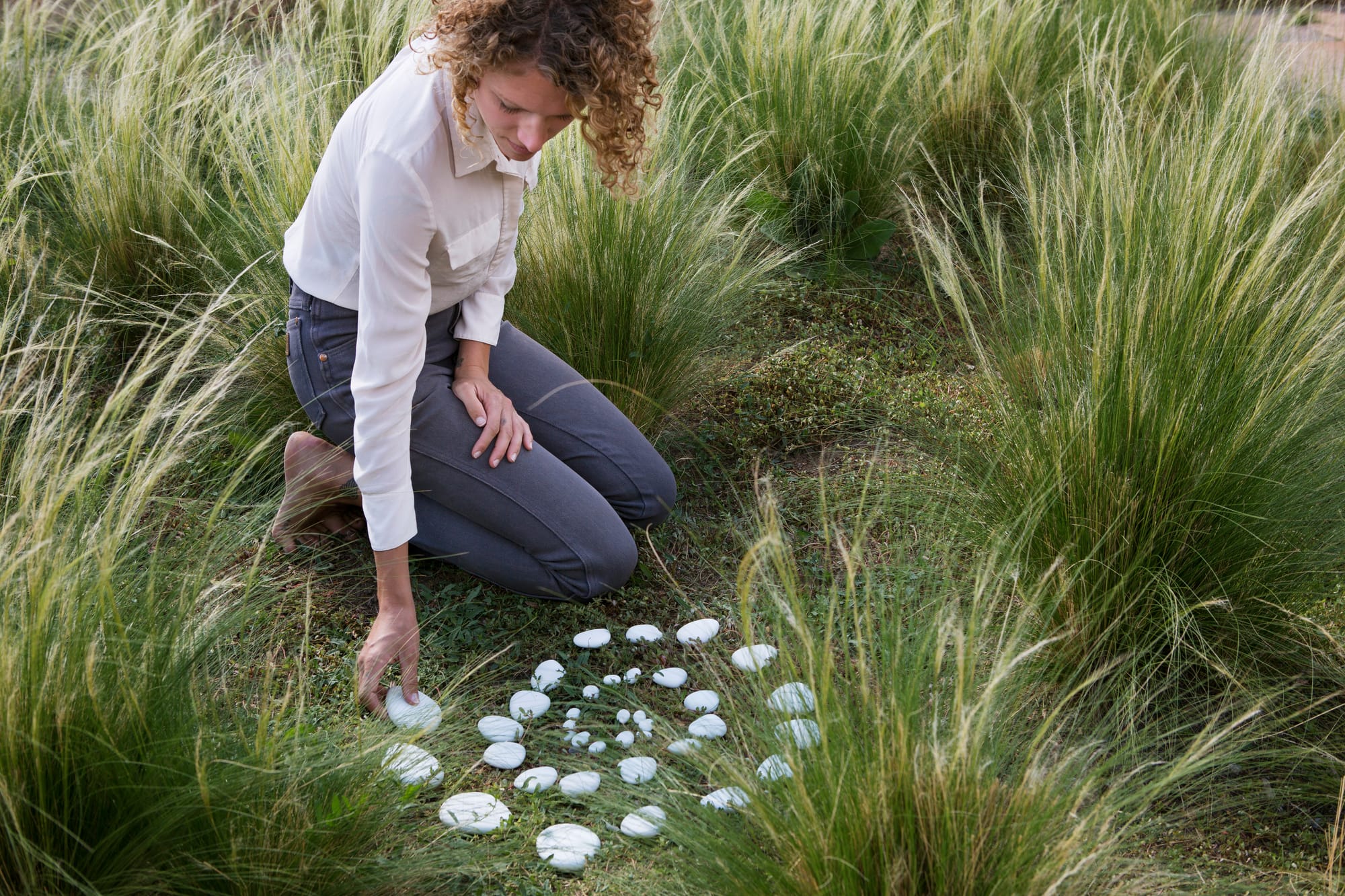
Families who choose solidified remains share a common understanding: your loved one deserves better than to be hidden away in a closet, garage, or basement. They deserve a memorial that you can interact with, share with family members, and incorporate into the meaningful moments of your life.
These families understand that premium memorial solutions aren't about spending more—they're about choosing something that actually serves the emotional needs of grief and healing.
Why Normal Self-Care Advice Fails in Grief
When people talk about self-care, they usually mean things like going to yoga class, preparing nourishing meals, maintaining a skincare routine, or setting boundaries at work. All good things. All completely unrealistic when grief has taken up residence in your body.
There's a reason for this. Grief fundamentally changes how your brain functions.
The Science of "Grief Brain"
That foggy, disoriented feeling has a name: grief brain. And it's not just in your head. Research from neuroscience studies demonstrates that acute grief affects multiple brain regions, including the prefrontal cortex (decision-making), the hippocampus (memory), and the amygdala (emotional processing).
Dr. Mary-Frances O'Connor, author of The Grieving Brain, explains in Scientific American that grief triggers elevated heart rate, increased cortisol, and disrupted sleep patterns. These biological changes make it genuinely difficult to concentrate, remember details, or complete tasks that were once automatic.
So when you forget your PIN number at the grocery store, or you can't remember if you ate breakfast: that's your brain doing what brains do under extreme stress. It's protecting you. It's also making everything harder.
Energy Depletion and Decision Fatigue
Grief is physically exhausting in ways that are hard to explain to anyone who hasn't experienced it. Your body is processing trauma, and that takes enormous energy even when you're not consciously thinking about your loss.
Every small decision, every form to fill out, every text message to answer drains from a well that grief has already emptied. When people suggest you "just" take a walk, they don't understand that the word "just" has lost all meaning.
Why Standard Advice Feels Insulting
Telling someone in acute grief to "practice self-care" can feel like telling someone with a broken leg to go for a jog. You're not struggling because you haven't prioritized yourself. You're struggling because someone you love is gone and your entire nervous system is trying to process something that doesn't make sense.
This isn't about doing self-care better. It's about redefining what self-care means right now.
@mikkzazon The company is @PartingStone ♥️ #partingstones #griefjourney #griefawareness
♬ original sound - Mik Zazon
The Minimum Viable Self-Care Framework
Here's the truth: when you're in acute grief, survival is the goal. Not wellness. Not optimization. Not becoming the best version of yourself. Just getting through.
That means asking three simple questions:
- Did you drink something today? Water, tea, coffee, juice. Anything counts.
- Did you eat something today? Crackers, cereal straight from the box, a spoonful of peanut butter. Anything counts.
- Are you safe right now? Do you have shelter? Is there someone you could call if you needed help?
If you answered yes to those three questions, you have practiced grief self-care today. That's it. Everything else is extra.
To take care of yourself while grieving, focus on the absolute basics first: drinking water, eating something (anything), and resting when you need to. Lower your expectations dramatically. Micro self-care, like splashing water on your face or stepping outside for one minute, counts. Ask for specific help. Be gentle with yourself. There is no wrong way to get through this.
 Parting Stone Editors
Micro Self-Care: Tiny Actions for Overwhelming Days
When everything feels impossible, big actions aren't going to happen. But tiny ones might. These micro self-care practices are designed for days when you can barely get out of bed. Each one takes less than two minutes. You don't have to do all of them. You don't have to do any of them. They're just options.
Physical Basics
One glass of water. You don't have to drink eight glasses today. Just one. If that feels like too much, take three sips. That counts.
One bite of something. Not a balanced meal. Not even a full portion. One bite of anything edible. A cracker. A piece of cheese. A handful of cereal. Grief basic care means acknowledging that some fuel is better than none.
Splash water on your face. When a shower feels impossible, this tiny act of contact with water can help you feel slightly more present in your body.
Grief Hygiene: When Showering Feels Impossible
Personal hygiene often falls apart during grief, and the shame around that can be intense. Here's permission: if you can't shower today, that's okay. You're not disgusting. You're grieving.
Use a wet washcloth. Wipe your face, neck, and underarms. That's a bath in survival mode.
Dry shampoo is your friend. Or a hat. Or a headscarf. No one needs to know when you last washed your hair.
Changing clothes counts as an accomplishment. Even if it's from one pair of sweatpants to another pair of sweatpants. Even if you don't leave the house.
Brush your teeth at the kitchen sink if going to the bathroom feels like too much of a journey. The location doesn't matter.
Rest Without Forcing Sleep
Sleep during grief is unpredictable. You might be sleeping fourteen hours a day, or you might be staring at the ceiling until 4 a.m. Both are normal stress responses.
Lying down counts. Even if you don't fall asleep. Horizontal is still rest.
Close your eyes for sixty seconds. That's it. Just close them. Breathe. Open them when you're ready.
Find a soft surface. A couch, a bed, a pile of blankets on the floor. Gravity is doing a lot of work right now. Let something hold you.
Movement When Exercise Is Laughable
The suggestion to "exercise" during grief can feel almost cruel. But very small movements can help your body process some of what you're feeling without requiring motivation you don't have.
Stand up. Just stand. For thirty seconds. Then sit back down. You did it.
Walk to the mailbox and back. Not a walk around the block. Not a hike. Mailbox. Back. Done.
Stretch in bed. Point your toes, flex your feet, raise your arms above your head. Your body is still there even when it doesn't feel like yours.
 Parting Stone Editors
Nourishment When Nothing Tastes Right
Grief does strange things to appetite. Research published in the British Medical Journal confirms that all appetites are typically diminished during acute grief. If you're not eating, you're not broken. Your body is responding to stress by suppressing appetite through elevated epinephrine.
Why Eating Feels So Hard
The biological reality. When your nervous system thinks you're under threat, digestion slows because your body is prioritizing survival, not nutrition.
Food and memory are tangled. Meals may remind you of the person you lost. Eating can feel like grief made visible.
Cooking requires executive function. Planning, shopping, chopping, timing all require brain resources currently occupied by loss.
Permission to Eat "Imperfect" Foods
You do not need to eat a balanced diet right now. You need to eat something.
Comfort food is allowed. If the only thing that sounds bearable is macaroni and cheese from a box, eat macaroni and cheese.
Easy food is good food. Meal replacement shakes, protein bars, frozen dinners, crackers with cheese. All of these count as eating.
Let other people feed you. If someone offers to bring a meal, say yes. People want to help and often don't know how.
Eat small amounts frequently if full meals feel impossible. Three crackers now, a handful of nuts later. Your body doesn't care about traditional meal times.
Linda, New Mexico shared: "When I feel overwhelmed with emotions, I reach for a stone and know that I have the heart of my loved one to keep me strong."
 Parting Stone Editors
Rest and Sleep in the Grief Fog
Sleep disturbances are one of the most common physical symptoms of grief. Research from Medical News Today shows that sleep disturbances affect people who have experienced bereavement 20-30% more than those who have not.
What's Happening to Your Sleep
The bed is different now. If you've lost a partner, decades of co-sleeping routines are suddenly absent.
Your nervous system is on alert. Grief keeps your body in a heightened stress state, which is not compatible with restful sleep.
Dreams change. Some people dream vividly about the person they lost. Others have disturbing nightmares. All responses are normal.
Small Practices for Rest
No pressure to sleep. Call it "resting" instead. Lie down with no expectation of actually sleeping.
Dark, cool, quiet. A dark room, comfortable temperature, and minimal noise give your body the best chance.
Audio that soothes. A podcast, audiobook, meditation app, or white noise can give your mind something to focus on besides grief.
Move to a different spot if the bedroom is too painful. Sleeping on the couch is fine. Sleeping wherever you can actually rest is fine.
If you are unable to sleep at all for more than a few days, consider speaking with a healthcare provider about temporary support.
 Parting Stone Editors
Asking for Help (And Accepting It)
Grief has a way of making us withdraw. The effort of explaining how we feel, of performing gratitude when someone offers help, can feel like too much. And yet isolation often makes grief harder.
Why We Resist Help
We don't want to be a burden. Even when we're drowning, we worry about inconveniencing others.
We don't know what we need. The question "what can I do to help?" is almost impossible to answer.
We don't have energy to explain. Accepting help often means teaching someone how to help.
Making Specific Requests
Instead of waiting for someone to guess what you need, try making requests so small and specific that they require almost no effort from you:
"Can you pick up milk when you're at the store?"
"Can you sit with me for an hour? You don't have to talk."
"Can you call [name] and let them know what happened? I can't tell the story again."
When people say "let me know if you need anything," they mean it. You can help them help you.
Permission to Not Perform
You don't have to write thank-you notes right now. You don't have to host visitors who drop by unexpectedly.
Mary, Arizona 🖤 described receiving tangible support: "Family members and friends eagerly accept stones, some to keep, and some to place at spots they shared with the departed. The surface evokes a quiet meditation and a sense of peace."
Sometimes the best help is simple presence. Someone who can sit in silence with you.
 Parting Stone Editors
Self-Compassion: The Most Important Self-Care
Of all the grief self-care practices, this one matters most. Self-compassion is treating yourself with the same kindness you would offer a friend who was suffering.
During grief, our inner critic often gets louder. We judge ourselves for not handling loss better, for crying too much or not enough, for struggling with things that used to be easy.
What Self-Criticism Sounds Like
"I should be over this by now." "Other people have it worse." "I'm letting everyone down." "What's wrong with me?"
These thoughts feel true when we're in them. But they add suffering to an already painful experience.
What Self-Compassion Sounds Like
"This is hard, and I'm doing the best I can." "Grief doesn't have a timeline." "I'm not weak. I'm human." "I don't have to be okay right now."
A Practice for Right Now
Place one hand on your heart. Place the other on your cheek. Say to yourself: "This is hard, and I am doing my best."
That's it. That's a radical act of self-care. You don't have to believe it completely. You just have to offer it.
Amber, New Mexico 🖤, a grief and trauma therapist, shared: "Parting stones are tangible in ways that are comforting when held, assuring when viewed... and spark creative expression of grief which helps enormously in the ongoing processing of loss."
Self-compassion doesn't make the grief go away. But it does change how we carry it.
 Parting Stone Editors
When to Seek Professional Support
Grief is not a mental illness. It's a natural response to losing someone you love. But sometimes grief intersects with conditions that benefit from professional support.
Signs That Additional Support May Help
- Persistent depression or anxiety that interferes with daily life for more than a few months
- Thoughts of self-harm or wishing you had died instead
- Inability to return to basic functioning after a reasonable adjustment period
- Complete isolation from friends and family
- Using alcohol or substances to numb the pain
- Feeling stuck in intense anger, guilt, or despair
These signs don't mean something is wrong with you. They mean your grief may need more support than you can provide yourself.
The Difference Between Grief and Depression
In grief, painful feelings often come in waves, and moments of positive memories can coexist with sadness. Self-esteem usually remains intact. In depression, painful feelings are more constant, and nothing brings relief. There's often a sense of worthlessness.
Resources
If you're in crisis:
- 988 Suicide & Crisis Lifeline: Call or text 988
- Crisis Text Line: Text HOME to 741741
- SAMHSA National Helpline: 1-800-662-4357
For ongoing support: Grief counselors, local support groups, online communities for specific types of loss, your primary care physician.
Seeking help is not a sign of weakness. It's a sign that you take your well-being seriously.
The cremated remains of Garth's mother felt meaningless sitting in his clothing closet for 2 decades. Learn how solidified remains helped dissolve the relationship barrier he felt with her and integrate her memory into daily life.
Looking Ahead: Self-Care Evolves
Grief is not linear. It doesn't move in predictable stages you complete and leave behind. It changes shape. Some days will be harder than others.
Your needs will change as your grief changes. In the first weeks and months, survival mode self-care is appropriate. Later, you may find yourself ready for more: ready to move your body in bigger ways, ready to cook again, ready to consider what comes next for your loved one's memory.
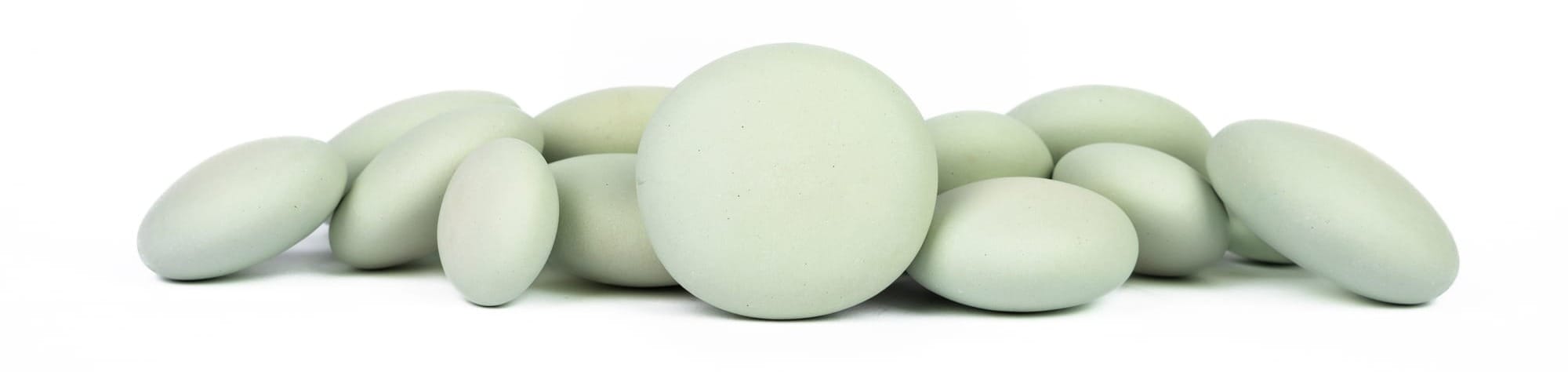
Some families find that having something tangible brings unexpected comfort as they move forward. When the time feels right, there are options that allow you to maintain a physical connection with the person you've lost. Solidified remains, for example, transform cremated ashes into smooth stones that can be held, shared, or placed in meaningful locations. This isn't something to think about now if you're in the early days of loss. But when you're ready, options like these exist.
For now, your only job is to get through today. You are surviving something hard. That is enough.
Conclusion
Grief self-care isn't about becoming a better version of yourself. It's about surviving long enough for healing to become possible.
The practices in this guide are intentionally small. Drink water. Eat something. Rest when you can. Ask for specific help. Speak to yourself with kindness. These aren't ambitious wellness goals. They're the bare minimum for human functioning during an extraordinarily difficult time.
You don't have to do grief perfectly. There is no perfect. There's only getting through, one tiny moment at a time.
Bookmark this page if you need it. Share it with someone else who might be struggling. And remember this: you are doing the best you can with what you have right now. That is enough. You are enough.
Frequently Asked Questions
How do you take care of yourself when grieving?
To take care of yourself while grieving, focus on the absolute basics first: drinking water, eating something (even if it's just crackers), and resting when you need to. Lower your expectations dramatically. During acute grief, survival is the goal, not wellness optimization. Micro self-care actions, like splashing water on your face or stepping outside for one minute, count as self-care. Ask for specific help from people who want to support you. Practice self-compassion by treating yourself with the same kindness you would offer a grieving friend.
Why is self-care so hard when you're grieving?
Self-care feels impossible during grief because grief fundamentally changes how your brain functions. Research shows that bereavement affects multiple brain regions, including those responsible for decision-making, memory, and emotional processing. Elevated stress hormones like cortisol impair your ability to concentrate, remember things, and complete tasks that were once automatic. This "grief brain" is a normal, protective response, but it makes even simple self-care tasks feel overwhelming. Additionally, all your energy is being consumed by processing the loss, leaving little capacity for anything else.
What are the basics of self-care in grief?
The basics of grief self-care center on three questions: Did you drink something today? Did you eat something today? Are you safe right now? If you can answer yes to these, you've practiced basic self-care. Beyond these fundamentals, grief hygiene (even just using a wet washcloth or changing clothes), lying down to rest (even without sleeping), and asking for one specific thing from someone who wants to help all count as meaningful self-care. The bar should be low during acute grief.
How does grief affect appetite?
Grief affects appetite through biological stress responses. During acute grief, elevated epinephrine (the fight-or-flight hormone) suppresses hunger because your body perceives danger and prioritizes survival over digestion. Many people lose weight in the first months of bereavement due to this appetite suppression. Over time, as acute stress becomes chronic, elevated cortisol may increase appetite, leading some people toward comfort eating. Food may also feel emotionally loaded because meals remind you of the person you lost. Both eating less and eating more are normal responses.
Why can't I sleep when I'm grieving?
Sleep disturbances during grief are common because your nervous system is in a heightened stress state, which is incompatible with restful sleep. Research shows that bereavement increases sleep disturbances by 20-30% compared to non-bereaved individuals. If you've lost a partner, the physical absence from the bed disrupts decades of co-sleeping routines. The sleeping environment may continuously remind you of your loss, making relaxation difficult. Some people experience insomnia; others sleep excessively as the body demands rest for processing trauma. Both responses are normal.
When should I seek professional help for grief?
Consider seeking professional help if you experience persistent depression or anxiety that interferes with daily life for more than a few months, thoughts of self-harm, inability to return to basic functioning, complete isolation from others, substance use to numb pain, or feeling stuck in intense anger, guilt, or despair. The difference between grief and clinical depression includes whether painful feelings come in waves (grief) or are constant (depression), and whether self-esteem remains intact. Professional support is a sign of wisdom, not weakness, and grief counselors can provide tools for navigating complicated losses.
About the Editor
Cathy Sanchez Babao is a Grief Coach at Parting Stone, a grief educator, counselor, author, and columnist who has dedicated her career to helping individuals and families navigate loss. She writes the “Roots and Wings” column for the Philippine Daily Inquirer and is the author of Heaven’s Butterfly and Between Loss and Forever: Filipina Mothers on the Grief Journey. Cathy holds a B.S. in Business Administration and Management from Ateneo de Manila University and an M.A. in Family Psychology and Education from Miriam College, with advanced grief training at the Center for Loss & Life Transition and the Center for Prolonged Grief at Columbia University.
References
American Psychological Association. (2023). Grief: Coping with the loss of your loved one. https://www.apa.org/topics/grief
Ans, A. H., Anjum, I., Satber, V., Salam, A., Bhatti, M. S., & Siddiqui, K. (2018). Neurohormonal regulation of appetite and its relationship with stress: A mini literature review. Cureus, 10(7). https://www.cureus.com/articles/13630
Harrington, R. (2020). The physical symptoms of grief and loss. Medical News Today. https://www.medicalnewstoday.com/articles/the-physical-symptoms-of-grief-and-loss
O'Connor, M. F. (2022). The grieving brain: The surprising science of how we learn from love and loss. HarperOne.
O'Connor, M. F. (2024, February 28). How the brain copes with grief. Scientific American. https://www.scientificamerican.com/article/how-the-brain-copes-with-grief/
O'Connor, M. F., et al. (2019). Grief: A brief history of research on how body, mind, and brain adapt. Psychosomatic Medicine, 81(8). https://pmc.ncbi.nlm.nih.gov/articles/PMC6844541/
Parkes, C. M. (1998). Bereavement in adult life. BMJ, 316(7134), 856-859. https://pmc.ncbi.nlm.nih.gov/articles/PMC1112778/
Shear, M. K., Ghesquiere, A., & Glickman, K. (2013). Bereavement and complicated grief. Current Psychiatry Reports, 15(11), 406.
Shulman, L. M. (2023). Healing your brain after loss: A neurologist's perspective. American Brain Foundation. https://www.americanbrainfoundation.org/how-tragedy-affects-the-brain/
Speaking Grief. (n.d.). Understanding grief: Grief impacts our brains. https://speakinggrief.org/get-better-at-grief/understanding-grief/cognitive-effects
Stelzer, E. M., Atkinson, C., O'Connor, M. F., & Croft, A. (2023). Competitive neurocognitive processes following bereavement. Brain Research Bulletin, 200, 110663. https://www.sciencedirect.com/science/article/pii/S0361923023000862
U.S. Department of Veterans Affairs. (n.d.). Grief: Taking care of yourself after a loss. National Center for PTSD. https://www.ptsd.va.gov/understand/related/related_problems_grief.asp
Zisook, S., & Shear, K. (2009). Grief and bereavement: What psychiatrists need to know. World Psychiatry, 8(2), 67-74. https://pmc.ncbi.nlm.nih.gov/articles/PMC2691160/