First Anniversary Memorial Ceremonies That Heal
Explore meaningful first-anniversary memorial ceremony ideas that support healing. Learn gentle ways to honor your loved one, create connection, and bring comfort on this tender milestone.


Key Takeaways
- The first anniversary often brings unexpected grief intensity as families realize their loved one has truly been gone an entire year, making structured ceremonies essential for healthy processing
- Meaningful anniversary ceremonies focus on connection rather than perfection, incorporating tangible elements that allow families to feel their loved one's presence during the commemoration
- Healing happens through community and ritual, whether intimate family gatherings or larger celebrations that honor the deceased's life and ongoing impact
- Anniversary ceremonies work best when they balance grief and celebration, acknowledging the pain of loss while also celebrating the enduring love and memories that continue
- Planning timelines matter for emotional readiness, with most families finding 6-8 weeks of preparation allows adequate time for thoughtful decision-making without overwhelming pressure
Reflections on love, loss, and the ways we carry them.
The first anniversary of a loss often arrives quietly, almost deceptively, like a date that has been circling the calendar without fanfare. And yet, for many people, it brings a tenderness they didn’t expect—a subtle shift in the heart, a familiar ache beneath an otherwise ordinary day. In my work with grieving families, I’ve learned that this milestone isn’t just about marking time; it’s about acknowledging how profoundly love endures, even after life has changed in irrevocable ways.
I think often of Maria, a client who lost her sister unexpectedly. She told me, “I thought I was coping well… until the anniversary crept in.” For weeks, she felt a heaviness she couldn’t name. When the day finally came, she gathered her family around the table, each person holding one of her sister’s solidified remains. “It grounded us,” she said. “It felt like she was part of the circle again.”
This is the true power of intentional ceremony: it creates a bridge between absence and presence. It gives shape to love that refuses to disappear.
Anniversary reactions are not setbacks; they’re natural responses of the grieving brain, reminders that the relationship continues even in a changed form. Rituals, whether simple or elaborate, allow families to honor both the wound and the wonder of having loved so deeply. And when ceremonies incorporate something tangible, like Parting Stone’s solidified remains, families discover a new language of connection—something they can hold, share, and return to as often as needed.
On the first anniversary, we remember not to “move on,” but to move with our loved one, carrying them forward, stone by stone, story by story, love by enduring love.
Cathy Sanchez Babao
Parting Stone Grief Coach
The first anniversary arrives like an unexpected storm, even when you've been watching the calendar for weeks. After 365 days of "firsts" without your loved one, this milestone can feel both monumental and impossibly heavy. You're not alone if the approaching anniversary feels more daunting than you expected. Many families discover that the first anniversary brings a resurgence of grief they thought they had begun to process.
The challenge lies not just in the emotional weight of the date, but in the question that haunts so many grieving families: How do you mark this day meaningfully? How do you honor both the devastating reality of loss and the enduring power of love? The answer often lies in creating intentional ceremonies that serve as bridges between grief and healing, between absence and presence, between ending and continuing connection.
Understanding Anniversary Grief: Why the First Year Milestone Matters
The Psychological Significance of Anniversary Reactions
The first anniversary of death carries unique psychological weight that mental health professionals have studied extensively. Dr. Nigel Field, a grief researcher at Pacific University, explains that anniversary reactions occur because "the mind has been unconsciously tracking time since the loss, and significant dates trigger what we call 'grief bursts' even in people who feel they've been coping well" (Field, 2006).
Anniversary grief differs from everyday grief in several key ways. First, it's anticipatory—many people begin feeling the anniversary's approach weeks or even months ahead. Second, it's often more intense than expected, catching families off guard who thought they had developed effective coping strategies. Third, it frequently includes what grief counselors call "magical thinking"—the unconscious hope that reaching the one-year mark might somehow bring relief or resolution that rarely materializes as expected.
The Neuroscience of Memory and Mourning
Research in neuroscience reveals why anniversaries feel so profound. Dr. Mary-Frances O'Connor, author of "The Grieving Brain," notes that "our brains create neural pathways that associate specific times, places, and sensations with our loved ones. The anniversary date acts as a powerful trigger for these pathways, essentially 'lighting up' our grief response" (O'Connor, 2022).
This neurological reality explains why many families report feeling their grief "return" around the anniversary, even when they've been experiencing periods of peace or acceptance. Understanding this as a normal brain response rather than a setback in healing can be profoundly comforting for families approaching their first anniversary.
Cultural and Social Expectations
Our society often sends mixed messages about anniversary grief. While we acknowledge the importance of wedding anniversaries and birthday celebrations, death anniversaries occupy an awkward cultural space. Many families feel pressure to either "be doing better by now" or to mark the occasion in ways that feel foreign to their actual emotional needs.
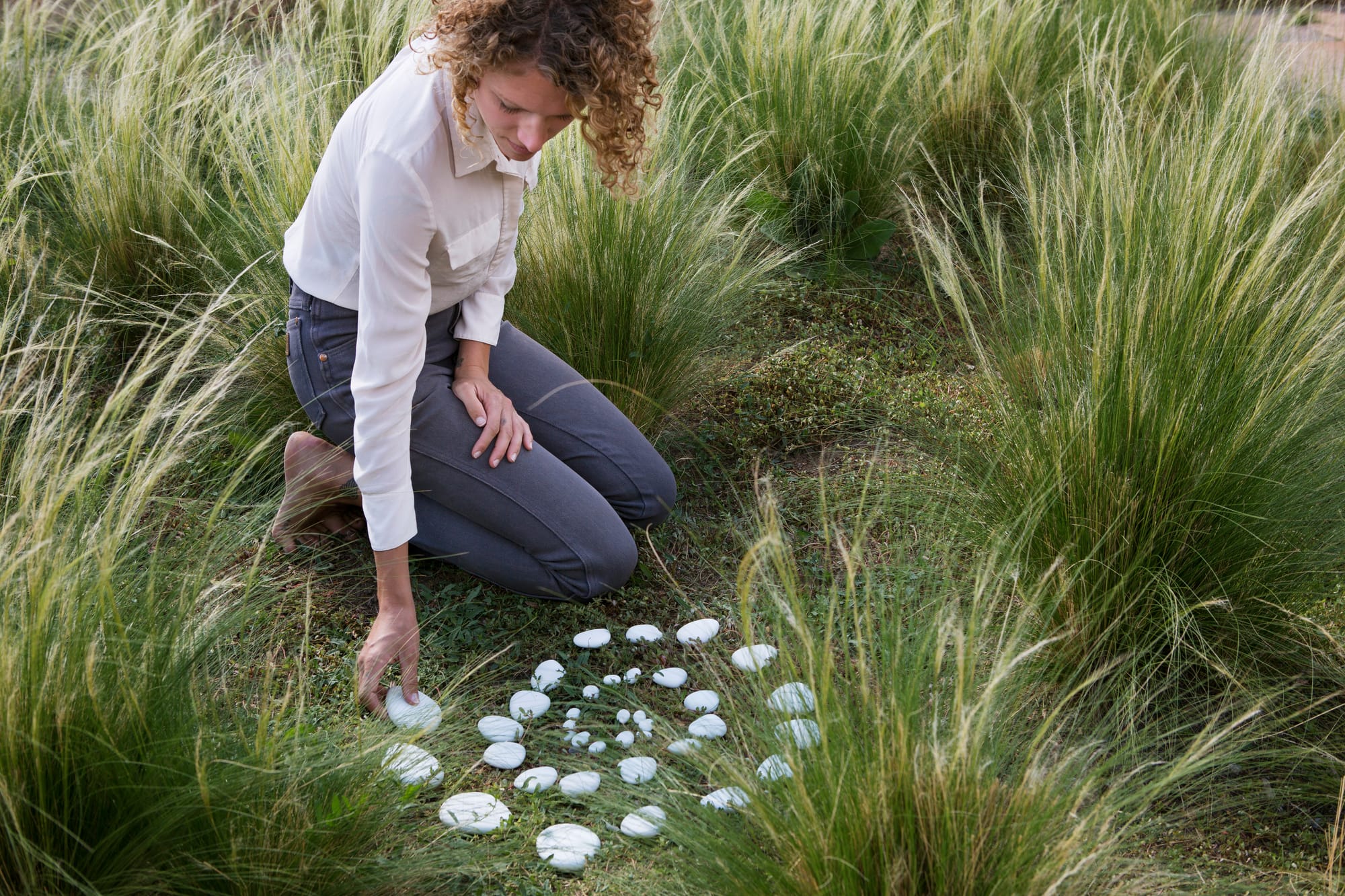
Linda from Iowa 🖤 shares how this played out in her family's experience: "We brought your cremation stones here, and scattered them in your favorite places, so that you can rest in the beauty, in the peace, and in the Aloha of your favorite place... Last, and certainly not least, I saved your favorite location for today...Polihale... I sat in the sand, as I cast the last of your stones into the surf, thinking, 'You are home, resting where you wanted to be.'" Linda's ceremony honored her husband Eddie's dreams while creating space for her family's ongoing connection to him.
Designing Your Ceremony: Elements That Foster Healing
Creating Sacred Space and Time
The most healing anniversary ceremonies begin with intentional preparation of both physical space and emotional readiness. This doesn't require elaborate decorations or expensive venues—it requires thoughtful attention to creating an environment where grief and love can coexist comfortably.
Physical space preparation might include gathering photographs, meaningful objects, flowers, or other items that represent your loved one's personality and preferences. The goal is creating a setting that feels both welcoming to grief and celebratory of life. Some families find comfort in recreating favorite spaces—perhaps setting up a table with their loved one's preferred foods, playing music they enjoyed, or incorporating elements from places that held special meaning.
Emotional preparation involves conversations with family members about expectations, hopes, and fears for the ceremony. Dr. Phyllis Silverman, a pioneer in grief research, emphasizes that "the most meaningful memorials are those where family members feel heard in their individual grief expressions while also experiencing collective support" (Silverman & Klass, 1996).
Incorporating Tangible Elements for Connection
One of the most profound challenges in anniversary ceremonies lies in addressing the absence of your loved one's physical presence. Many families find that incorporating tangible elements—objects they can hold, touch, or interact with—helps bridge the gap between memory and presence.
Sherri from Oregon 🖤 explains how this worked for her family: "When my husband passed, I knew his ashes would be laid to rest next to his mom. There are so many family members that wanted part of his ashes, when we heard about parting stones, we decided this was the perfect way for families to have him close to remember in their own way."
Research supports the importance of tactile comfort in grief ceremonies. Dr. Dennis Klass, whose work on continuing bonds has shaped modern grief understanding, notes that "physical objects that connect mourners to the deceased serve as 'linking objects' that facilitate ongoing relationship rather than detachment" (Klass et al., 1996).
The Role of Ritual in Processing Loss
Rituals serve multiple psychological functions in grief processing. They provide structure during emotional chaos, create shared meaning within families, mark significant transitions, and offer ways to honor the deceased while acknowledging the reality of death.
Effective anniversary rituals often include several key components:
Opening acknowledgments that name both the pain of loss and the significance of the date. This might involve lighting candles, sharing a moment of silence, or reading meaningful passages that capture the complexity of anniversary emotions.
Story-sharing segments where family members and friends can share memories, funny stories, or reflections on how the deceased continues to influence their lives.
Active memorial elements that go beyond passive remembrance to include activities your loved one enjoyed or causes they cared about. This might involve cooking their favorite meal together, visiting a meaningful location, or making donations to organizations they supported.
Closing ceremonies that acknowledge the ongoing nature of grief and love. Many families find comfort in ending their ceremonies with affirmations about continuing their loved one's legacy or promises about how they'll carry their memory forward.
Ceremony Formats: Finding What Fits Your Family
Intimate Family Gatherings
Many families find that their first anniversary ceremony feels most authentic when limited to immediate family members and closest friends. These intimate gatherings allow for more vulnerable sharing and can adapt organically to the family's emotional needs as the ceremony unfolds.
Intimate ceremonies often work well for families who prefer privacy in their grief expression or who want flexibility to change plans based on how family members are feeling on the anniversary day. The smaller scale allows for more personalized elements and can feel less pressuring for family members who struggle with public emotional expression.
Julie from Georgia 🖤 shares how intimacy enhanced her memorial experience: "For my husband, this was the perfect way to keep him close. He was a nature lover. When I received his stones in the mail, they were in a beautiful box. Inside there was a note from the female employee from parting stones. She asked if I would send her a note and tell her about the person who belonged to these ashes. I was so touched."
Community Celebrations of Life
Some families find healing in larger anniversary gatherings that invite the broader community who knew and loved the deceased. These ceremonies can serve dual purposes: honoring the deceased while also providing the grieving family with tangible evidence of their loved one's ongoing impact on others.
Community celebrations work particularly well for people who were actively involved in their communities, had large extended families, or whose deaths impacted many people. The challenge lies in balancing the needs of the immediate family with the desires of the broader community to participate in remembrance.
Marcy from Texas 🖤 describes how community enhanced their celebration: "We had a celebration of life for my mom on her birthday. We bought a glass candle holder that had a perfect place for the stones at the bottom. We felt like she was there, at the party, enjoying all the stories told by all her favorite people."
Destination Ceremonies
For families whose loved one had strong connections to particular places, destination ceremonies can provide powerful healing experiences. These might involve traveling to childhood homes, favorite vacation spots, or places that held spiritual significance for the deceased.
Destination ceremonies require more logistical planning but can offer several unique benefits. The travel itself can serve as a transition ritual, helping family members shift into a ceremonial mindset. The change of environment can also provide emotional permission to grieve differently than in everyday surroundings.
The story of Linda's anniversary journey to Hawaii illustrates how destination ceremonies can fulfill the deceased's unrealized dreams while creating meaningful family experiences. Her description of scattering solidified remains in Eddie's favorite places demonstrates how destination ceremonies can honor both the deceased's wishes and the family's need for ceremonial meaning.
Virtual and Hybrid Ceremonies
Modern families often find themselves geographically scattered, making in-person anniversary gatherings challenging. Virtual ceremony elements can include family members who cannot travel while still maintaining the intimacy and meaning that anniversary ceremonies require.
Hybrid approaches might involve a core group gathering in person while other family members participate via video calls for specific ceremony segments. Technology can enhance rather than replace meaningful ritual when used thoughtfully.
Some families create shared online spaces where extended family and friends can contribute photos, stories, or messages leading up to the anniversary date, then incorporate these contributions into their in-person ceremony.
Planning Your Anniversary Ceremony: A Practical Guide
Eight Weeks Before: Foundation Planning
Beginning your ceremony planning 6-8 weeks before the anniversary provides adequate time for thoughtful decision-making without creating overwhelming pressure. This timeline allows for conversation, reflection, and practical arrangements while honoring the reality that grief can affect decision-making capacity.
Start by having conversations with key family members about their hopes, fears, and preferences for the anniversary. Some families find it helpful to begin these discussions by acknowledging that no ceremony will "fix" the grief, but that marking the date intentionally can provide comfort and meaning.
During this initial phase, consider practical questions: Who should be included? What format feels most appropriate for your family's needs? What location would be meaningful? What elements from your loved one's life or personality should be incorporated?
Six Weeks Before: Defining Your Ceremony Elements
Once you've established the basic framework, focus on the specific elements that will make your ceremony meaningful. This might involve selecting readings, choosing music, planning food that your loved one enjoyed, or identifying objects that will serve as focal points for the ceremony.
Consider how you'll address the challenge of your loved one's physical absence during the ceremony. Many families find comfort in incorporating elements they can hold, touch, or interact with during the ceremony. This might include photographs, pieces of clothing, or items that held special significance.
Sophie from Texas 🖤 explains how this tangible connection enhanced her family's memorial experience: "The ability to hold such a soft stone in my hand is so soothing. Every stone is so beautiful and so comforting. I have them on my shelf with other memories and can hold my favorite one so tightly and I feel comforted."
Four Weeks Before: Practical Arrangements
With the ceremony framework established, focus on the logistical details that will support your meaningful intentions. This includes confirming location details, coordinating with family members who will participate, and handling practical arrangements like food, flowers, or other materials.
If your ceremony includes elements that require advance preparation—such as transforming cremated remains into solidified remains—ensure you understand the timeline involved. Parting Stone's solidification process requires 8-10 weeks, so families planning to incorporate solidified remains into anniversary ceremonies should begin this process approximately 10-12 weeks before their anniversary date.
Consider backup plans for weather (if outdoors), emotional overwhelm, or other unexpected challenges. Having flexible plans can reduce anxiety and allow your family to adapt the ceremony based on how you're feeling on the actual anniversary.
Two Weeks Before: Final Preparations and Emotional Readiness
The final weeks before your anniversary ceremony involve both practical completion and emotional preparation. Confirm final details, prepare any materials or readings you'll incorporate, and have conversations with family members about expectations for the day.
Many families find it helpful to discuss how they'll handle difficult emotions if they arise during the ceremony. Creating permission for tears, breaks, or changes in plan can help family members feel more comfortable participating authentically.
The Day Of: Holding Space for Whatever Emerges
Anniversary days often unfold differently than anticipated, regardless of careful planning. The most healing ceremonies are those where families can adapt to their actual emotional needs rather than forcing adherence to predetermined plans.
Consider beginning your ceremony with acknowledgment that the day may bring unexpected emotions and that your plans can be flexible. Many families find comfort in naming that the ceremony serves to honor their loved one and support their own healing, with success measured by authenticity rather than perfection.
Kate from California 🖤 shares how flexibility enhanced her memorial approach: "I'm never without a stone in my purse or pocket. My family and closest friends have also been gifted with a stone which they all hold closely." Her ongoing connection illustrates how anniversary ceremonies can launch year-round memorial practices rather than serving as isolated events.
Addressing Common Anniversary Ceremony Challenges
Managing Family Dynamics and Differing Grief Styles
One of the most complex aspects of anniversary ceremony planning involves navigating different family members' grief styles and preferences. Some family members may want elaborate celebrations, while others prefer quiet reflection. Some may want to focus on celebrating life, while others need to acknowledge the pain of loss.
Dr. Kenneth Doka's research on disenfranchised grief reveals that "families often struggle with whose grief 'counts' and whose preferences should guide memorial decisions" (Doka, 2002). The most successful anniversary ceremonies find ways to honor different grief expressions rather than forcing uniformity.
Consider creating ceremony segments that appeal to different preferences—perhaps beginning with quiet reflection for those who need to acknowledge the sadness, followed by story-sharing for those who find comfort in celebration, and ending with future-focused elements for those who want to channel their grief into meaningful action.
Balancing Private Grief and Public Memory
Many families struggle with the tension between their personal need to grieve and others' desire to participate in remembering their loved one. This challenge becomes particularly complex when the deceased was well-known in their community or when extended family members have strong opinions about appropriate memorial practices.
Setting clear boundaries about your family's needs while remaining open to meaningful contributions from others requires delicate communication. Consider creating multiple ways for people to participate—perhaps a family-only ceremony supplemented by a community memory-sharing opportunity, or an in-person gathering combined with online spaces where extended friends can contribute reflections.
Dealing with Unexpected Emotions
Anniversary ceremonies can trigger unexpected emotional responses, even in family members who thought they had processed their grief effectively. Planning for this reality rather than trying to prevent it can help families navigate difficult moments when they arise.
Consider designating family members or friends who can provide support if someone becomes overwhelmed during the ceremony. Create permission for people to step away, take breaks, or participate differently than originally planned.
Amber Elizabeth from New Mexico 🖤, a grief therapist, explains the value of tangible comfort during difficult moments: "The most challenging thing people express and experience when they lose a loved one is the loss of physical presence and all the rituals, practices, activities conversations etc they shared. Parting stones are brilliant. They are tangible in ways that are comforting when held, assuring when viewed (they create beauty out of absence) and spark creative expression of grief."
Handling the "What Comes Next" Question
Many families report feeling anxious about what the day after the anniversary will bring. After months of building up to this significant milestone, the question of how to continue honoring their loved one's memory can feel overwhelming.
Consider incorporating elements into your anniversary ceremony that establish ongoing memorial practices rather than treating the anniversary as a conclusion. This might involve planting something that will grow over time, establishing annual traditions, or identifying ways to carry your loved one's values forward in daily life.
Beyond the First Anniversary: Building Sustainable Memorial Practices
Creating Annual Traditions
The first anniversary ceremony can serve as the foundation for annual traditions that evolve over time as your family's grief journey continues. Rather than feeling pressure to repeat exactly the same ceremony each year, consider how your memorial practices might grow and change as your relationship with your grief transforms.
Some families find that their anniversary ceremonies become more celebratory over time, incorporating new traditions while maintaining core elements that provide continuity. Others discover that different years call for different approaches—perhaps intimate reflection some years and community celebration others.
Incorporating Daily Memorial Practices
Research consistently shows that healing grief involves finding ways to maintain ongoing connection with the deceased rather than "letting go" or achieving "closure." Anniversary ceremonies can launch daily or weekly practices that keep your loved one's memory integrated into your ongoing life.
These practices might be as simple as carrying a reminder of your loved one with you, visiting meaningful places regularly, or incorporating their favorite activities into your routine. The goal is creating sustainable ways to honor their memory that enhance rather than burden your daily experience.
The Role of Solidified Remains in Anniversary Ceremonies
Understanding Solidified Remains as a Memorial Option
When families choose cremation, they traditionally face limited options for what to do with the resulting ashes. Many discover that conventional cremated remains create unexpected challenges—they're difficult to divide among family members, messy to handle, and often end up stored in closets or basements because families feel unsure about appropriate next steps.
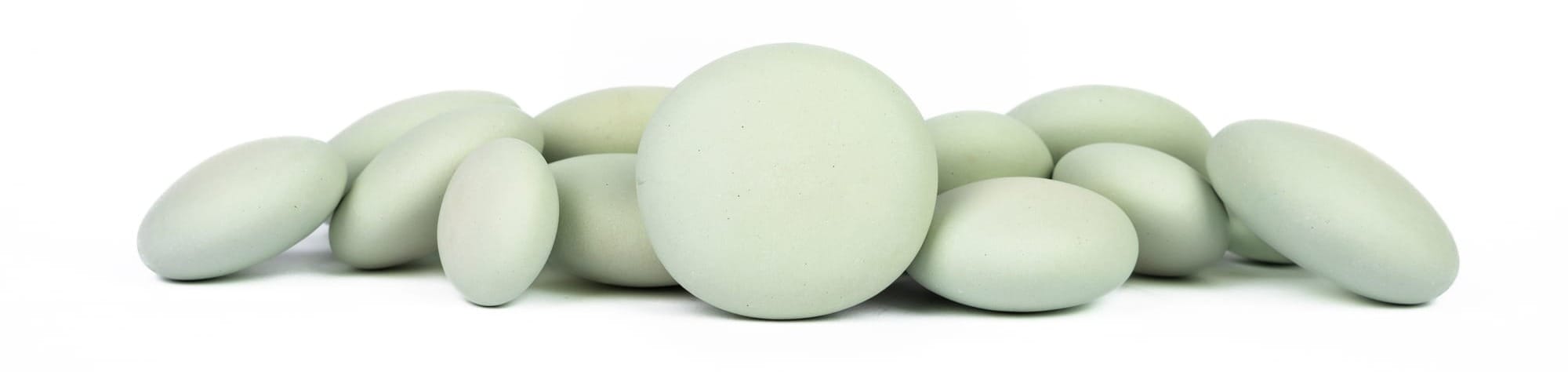
Solidified remains represent a complete alternative to traditional ashes. Through a specialized scientific process, cremated remains are transformed into 40-80+ smooth, touchable stones that preserve the vast majority of the original material in a new form. This 8-10 week process creates memorial stones that families can hold, share, and incorporate into meaningful ceremonies without the anxiety and uncertainty that often accompanies traditional ashes.
How Solidified Remains Enhance Anniversary Ceremonies
Anniversary ceremonies often struggle with the challenge of creating meaningful interaction with the deceased's memory in the absence of their physical presence. Solidified remains offer unique advantages for anniversary commemorations because they provide tangible elements that family members can hold, pass among participants, or incorporate into ritual activities.
Unlike traditional ashes, which many family members feel uncomfortable touching or handling, solidified remains can be safely and comfortably incorporated into ceremony activities. Family members can hold stones during reflection periods, pass them among participants during story-sharing, or use them as focal points for ceremonial elements.
Susan from Virginia 🖤 describes how this enhanced her family's memorial experience: "I shared the stones between the family and his best friends. Everyone was thrilled to receive this lasting memory of the lives all of us had shared."
Practical Applications in Ceremony Planning
Solidified remains can serve multiple functions within anniversary ceremony design. They can provide central focal points for ceremony spaces, offer comfort objects for family members who need tactile support during emotional moments, and serve as meaningful elements for ritual activities.
Many families incorporate solidified remains into their anniversary ceremonies by creating ceremonial displays where stones are surrounded by photographs, flowers, and other meaningful objects. The stones themselves become part of the visual memorial while also being available for family members to hold if they need comfort during the ceremony.
Some families find meaning in ceremonial stone-sharing, where each participant receives stones to keep as ongoing reminders of the anniversary gathering and their connection to the deceased. This practice allows the anniversary ceremony to extend beyond the single day, providing family members with tangible reminders they can carry into their daily lives.
Addressing Common Concerns About Solidified Remains
Families considering solidified remains for anniversary ceremonies often have questions about the process, timeline, and appropriateness for memorial use. Understanding these practical details can help families make informed decisions about whether this option aligns with their anniversary ceremony goals.
The solidification process requires 8-10 weeks and results in a collection of stones that maintain the essence of the original remains while transforming them into a more manageable and beautiful form. Families retain all the stones, which can be shared among family members, kept together, or divided based on individual preferences and needs.
For anniversary ceremonies, the key advantage lies in the stones' ability to serve as both memorial objects and comfort items. Unlike traditional ashes, which many people find difficult to handle or incorporate into ceremonies, solidified remains can be touched, held, and interacted with comfortably during meaningful rituals.
You're Not Alone in Wanting Something Better
If you're here, you likely understand something that 75 million Americans are still discovering: traditional cremated remains often create more anxiety than comfort.
Families who choose solidified remains share a common understanding: your loved one deserves better than to be hidden away in a closet, garage, or basement. They deserve a memorial that you can interact with, share with family members, and incorporate into the meaningful moments of your life.
These families understand that premium memorial solutions aren't about spending more—they're about choosing something that actually serves the emotional needs of grief and healing.
Frequently Asked Questions About First Anniversary Memorial Ceremonies
How do you plan a meaningful first anniversary memorial ceremony?
Planning a meaningful first anniversary memorial ceremony begins 6-8 weeks before the date with conversations among family members about their hopes and needs for marking this milestone. The most healing ceremonies balance acknowledgment of grief with celebration of ongoing love, incorporate elements that allow family members to feel connected to their loved one, and provide flexibility for unexpected emotions that may arise during the gathering.
What should I include in a first anniversary memorial ceremony?
Effective anniversary ceremonies typically include opening acknowledgments of the day's significance, opportunities for story-sharing and memory reflection, tangible elements that provide comfort and connection, and closing elements that affirm ongoing love and commitment to honoring your loved one's memory. The specific activities should reflect your loved one's personality and your family's preferences rather than following prescribed formats.
How long should a memorial ceremony be?
Most anniversary ceremonies last between 1-3 hours, though the optimal length depends on your family's emotional capacity and the activities you choose to include. Many families find that shorter ceremonies with opportunities for informal gathering afterward work better than lengthy formal programs. The key is creating adequate time for meaningful elements while avoiding emotional exhaustion.
Who should be invited to an anniversary memorial service?
The guest list for anniversary ceremonies should prioritize the emotional needs of the immediate family while considering the deceased's significant relationships. Some families prefer intimate gatherings of immediate family and closest friends, while others find healing in larger community celebrations. Consider your family's comfort level with public grief expression and your capacity for hosting when making these decisions.
What makes a memorial ceremony meaningful?
Memorial ceremonies become meaningful when they authentically reflect both the deceased's personality and the family's current emotional needs. The most healing ceremonies focus on connection rather than perfection, allow for multiple expressions of grief and love, and incorporate elements that enable family members to feel their loved one's presence during the gathering. Meaning comes from authenticity and love rather than elaborate planning or expensive elements.
How do I handle difficult emotions during the ceremony?
Preparing for difficult emotions involves creating permission for tears, breaks, or changes in plan rather than trying to prevent emotional responses. Consider designating supportive family members who can provide comfort, plan for quiet spaces where people can step away if needed, and communicate beforehand that the ceremony can adapt to the family's actual emotional needs as they arise. Remember that tears and difficult emotions often indicate the ceremony is serving its purpose of honoring your love and grief.
About the Editor
Cathy Sanchez Babao is a Grief Coach at Parting Stone, a grief educator, counselor, author, and columnist who has dedicated her career to helping individuals and families navigate loss. She writes the “Roots and Wings” column for the Philippine Daily Inquirer and is the author of Heaven’s Butterfly and Between Loss and Forever: Filipina Mothers on the Grief Journey. Cathy holds a B.S. in Business Administration and Management from Ateneo de Manila University and an M.A. in Family Psychology and Education from Miriam College, with advanced grief training at the Center for Loss & Life Transition and the Center for Prolonged Grief at Columbia University.
References
Doka, K. J. (Ed.). (2002). Disenfranchised grief: New directions, challenges, and strategies for practice. Research Press. https://www.routledge.com/Disenfranchised-Grief-New-Directions-Challenges-and-Strategies-for-Practice/Doka/p/book/9780878224371
Field, N. P. (2006). Unresolved grief and continuing bonds: An attachment perspective. Death Studies, 30(8), 739-756. https://www.tandfonline.com/doi/abs/10.1080/07481180600614304
Klass, D., Silverman, P. R., & Nickman, S. L. (Eds.). (1996). Continuing bonds: New understandings of grief. Taylor & Francis. https://www.taylorfrancis.com/books/mono/10.4324/9780203782958/continuing-bonds-dennis-klass-phyllis-silverman-steven-nickman
National Alliance on Mental Illness. (2022). Grief and loss. NAMI. https://www.nami.org/About-Mental-Illness/Related-Conditions/Grief-and-Loss
O'Connor, M. F. (2022). The grieving brain: The surprising science of how we learn from love and loss. HarperCollins Publishers. https://www.harpercollins.com/products/the-grieving-brain-mary-frances-oconnor
Rando, T. A. (1993). Treatment of complicated mourning. Research Press. https://www.researchpress.com/books/452/treatment-complicated-mourning
Shear, K., & Shair, H. (2005). Attachment, loss, and complicated grief. Developmental Psychobiology, 47(3), 253-267. https://onlinelibrary.wiley.com/doi/abs/10.1002/dev.20091
Silverman, P. R., & Klass, D. (1996). Introduction: What's the problem? In D. Klass, P. R. Silverman, & S. L. Nickman (Eds.), Continuing bonds: New understandings of grief (pp. 3-27). Taylor & Francis. https://www.taylorfrancis.com/books/mono/10.4324/9780203782958/continuing-bonds-dennis-klass-phyllis-silverman-steven-nickman
Stroebe, M., Schut, H., & Stroebe, W. (2007). Health outcomes of bereavement. The Lancet, 370(9603), 1960-1973. https://www.thelancet.com/journals/lancet/article/PIIS0140-6736(07)61816-9/fulltext
Worden, J. W. (2018). Grief counseling and grief therapy: A handbook for the mental health practitioner (5th ed.). Springer Publishing Company. https://connect.springerpub.com/content/book/978-0-8261-4160-6