Cremation Jewelry: A Meaningful Way to Keep Your Loved One Close
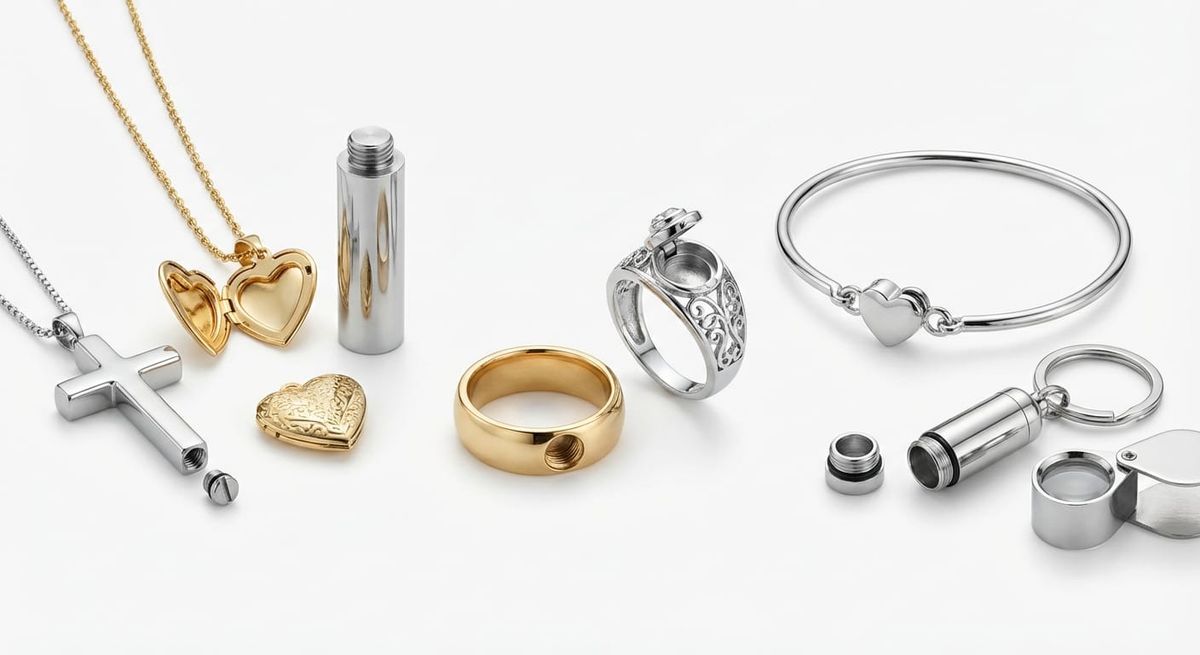
Cremation jewelry offers a deeply personal way to carry the memory of your loved one with you every day. These special pieces hold a small amount of cremated remains, allowing you to maintain a physical connection while honoring their memory in a beautiful, wearable form.
When someone you love dies, the weight of their absence can feel overwhelming. You might find yourself reaching for your phone to call them, or turning to share a moment only to remember they're no longer there. In these tender moments of grief, many families find comfort in cremation jewelry—beautiful, wearable pieces that hold a small portion of their loved one's cremated remains, allowing you to carry them close to your heart wherever you go.
The desire to maintain a physical connection with those we've lost is as old as humanity itself. Today's cremation jewelry offers a modern, elegant solution that honors this universal need while providing comfort during your unique grief journey. Whether you're in the early days of loss or further along in processing your emotions, understanding your options can help you make choices that feel right for your unique situation.
What Is Cremation Jewelry?
Cremation jewelry, also known as memorial jewelry or remembrance jewelry, consists of specially designed pieces that incorporate a small amount of cremated remains into pendants, rings, bracelets, or other wearable items. These pieces are crafted with secure compartments or chambers that safely hold trace amounts of ashes while creating a lasting memorial you can wear and touch whenever you need to feel connected.
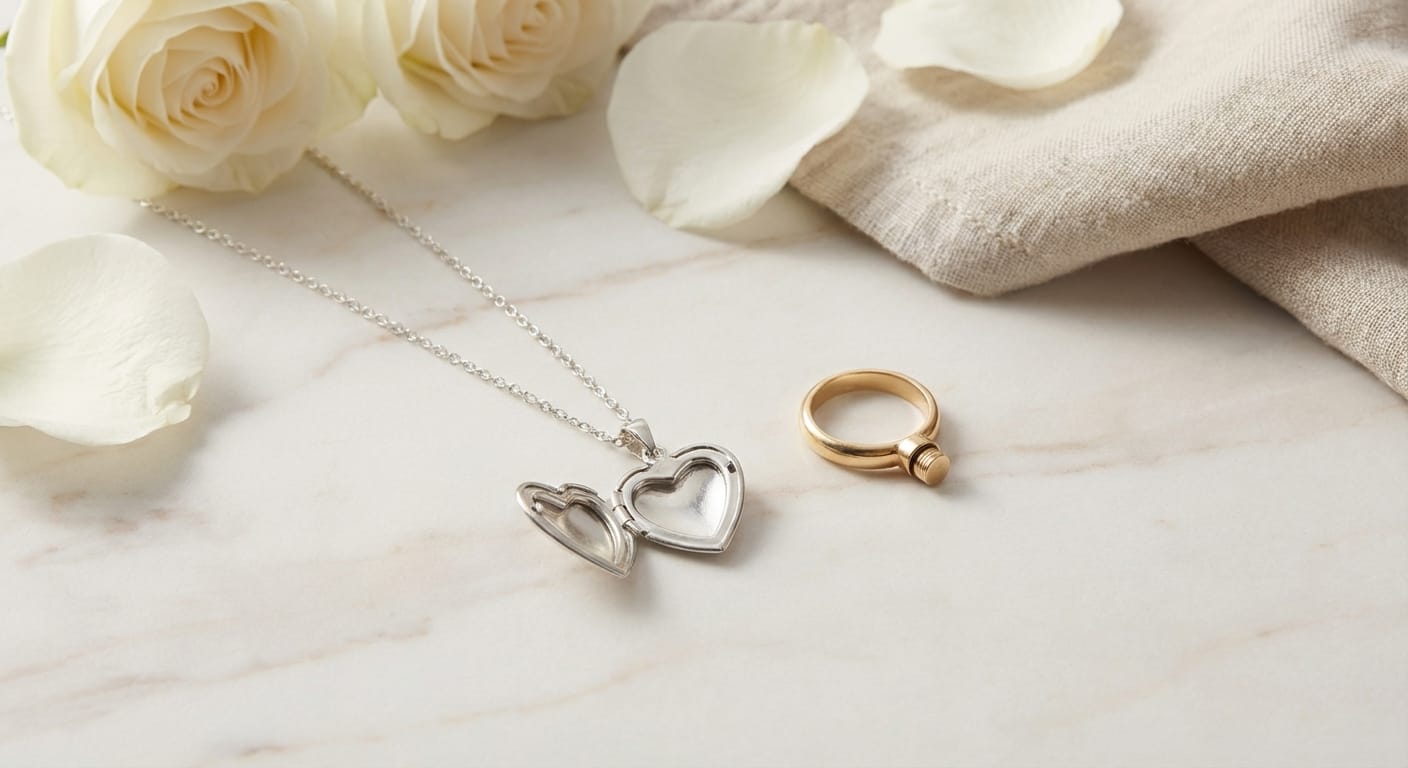
Unlike traditional urns or memorial displays, cremation jewelry allows you to carry your loved one with you throughout your daily life. Many people find this continuous presence comforting, especially during difficult moments when grief feels particularly acute. The jewelry serves both as a beautiful accessory and a private source of strength and remembrance.
While cremation jewelry provides meaningful connection for many families, it typically uses less than one teaspoon of ashes, leaving families with several pounds of unused remains requiring additional storage or disposition decisions. Parting Stone's solidification process addresses this limitation by transforming complete cremated remains into 40-80 smooth stones that families can share, display, or incorporate into various memorial approaches, including jewelry settings that utilize actual solidified remains rather than loose ashes.
Understanding Cremation Jewelry Options and Materials
Cremation jewelry represents a growing segment within the broader memorial products market, offering families a way to maintain physical proximity to departed loved ones. These memorial pieces typically feature small, sealed chambers specifically engineered to hold cremated remains securely. According to Cherished Emblems' 2025 industry analysis, the global cremation jewelry market was valued around $228 million in 2023 and is forecast to more than double to $490 million by 2030, growing at an impressive 11.8% compound annual growth rate.
Traditional cremation jewelry utilizes hollow chambers or compartments sealed with threaded closures, allowing families to place small amounts of ashes inside pendants, rings, or bracelets. Higher-end options include pieces where ashes are mixed with glass, resin, or metal during manufacturing, creating permanent integration rather than simple containment. According to Cremation Institute pricing data, cremation jewelry costs range from basic $50 stainless steel keepsakes to $1,000+ solid gold cremation pendants with diamonds.
The manufacturing process varies significantly between mass-produced and custom cremation jewelry. Mass-produced options typically feature pre-made chambers with standard threading, while custom pieces allow for personalized engravings, specific gemstone settings, or unique design elements. Manufacturing timelines range from immediate availability for standard designs to 4-8 weeks for custom pieces requiring individual craftsmanship.
Material durability represents a critical consideration for cremation jewelry, as these pieces often receive daily wear and emotional significance exceeds typical jewelry value. The Living Urn's cost guide notes that quality cremation jewelry typically costs $70-$200, with stainless steel offering affordability and durability, while sterling silver and gold options provide longevity and traditional aesthetic appeal. Parting Stone's solidified remains enable families to create custom jewelry settings using actual stone materials while preserving the majority of remains for other memorial purposes, providing comprehensive rather than partial solutions to ash storage concerns.
Types of Cremation Jewelry Available
Pendants and Necklaces
Cremation pendants represent the most popular choice in memorial jewelry. These pieces typically feature a small, secure chamber accessed through a threaded opening or magnetic closure. Designs range from simple, elegant shapes to more elaborate pieces featuring hearts, crosses, angels, or personalized engravings. Many families appreciate that pendants rest close to the heart, creating a symbolic connection that feels both meaningful and comforting.
Rings and Bracelets
Memorial rings offer a more subtle way to carry cremated remains, with small compartments built into the band or setting. These pieces allow for constant physical connection, as you can touch or turn the ring whenever you need comfort. Memorial bracelets similarly provide ongoing connection, often featuring charms or pendants that hold the remains while allowing for additional personalization with meaningful symbols or dates.
Keepsake and Memorial Pieces
Beyond traditional jewelry, many artisans create unique memorial pieces including keepsake boxes, bookmarks, or decorative items that incorporate cremated remains. These alternatives appeal to families who want something meaningful but prefer not to wear jewelry, or who wish to create multiple memorial pieces for different family members.
Materials and Craftsmanship Considerations
Quality cremation jewelry requires careful attention to both beauty and security. Reputable jewelers use precious metals like sterling silver, gold, or platinum to ensure longevity and appropriate honor for your loved one's memory. The closure mechanisms must be completely secure to prevent any loss of the precious contents, while remaining accessible when you wish to add or remove ashes.
Many families appreciate the option to engrave names, dates, or meaningful messages on their memorial jewelry. This personalization transforms a beautiful piece into something uniquely connected to your loved one's life and your relationship with them. When selecting cremation jewelry, consider both the immediate emotional impact and how the piece will serve you over time as you continue your grief journey.
The Emotional Benefits of Cremation Jewelry
Grief affects everyone differently, but many people find that cremation jewelry provides unique emotional support during difficult times. Having a physical connection to your loved one can offer comfort during unexpected waves of grief, important life events they're missing, or simply during ordinary moments when you miss their presence.
The jewelry also creates opportunities for meaningful rituals and remembrance. Some families hold special ceremonies when filling the jewelry for the first time, while others find comfort in touching or holding the piece during prayer, meditation, or quiet reflection. These personal rituals can become important parts of your healing process.
Learn more about navigating grief and memorial decisions on our comprehensive guide to modern memorial options.
Important Practical Considerations
Amount of Remains Needed
Most cremation jewelry holds only a very small amount of ashes—typically less than a teaspoon. This means that creating memorial jewelry will use only a tiny fraction of your loved one's total cremated remains, leaving the vast majority available for other memorial purposes or for sharing among family members. This small quantity requirement makes cremation jewelry an excellent complement to other memorial choices rather than a replacement for them.
Security and Maintenance
Proper care ensures your cremation jewelry remains a lasting tribute. Look for pieces with secure threading or locking mechanisms that prevent accidental opening. Most quality pieces require minimal maintenance beyond normal jewelry care, though you should avoid exposing them to harsh chemicals or extreme temperatures that might damage the closure mechanisms.
Sharing Among Family Members
Many families choose to create multiple pieces of cremation jewelry, allowing different family members to each have their own memorial piece. This approach acknowledges that grief is personal and that different people find comfort in different ways. Some prefer necklaces, others rings, and some may want pieces they can display rather than wear.
Comparing Memorial Options for Cremated Remains
Understanding your options can help you make decisions that honor your loved one while addressing your practical and emotional needs. Each approach offers different benefits depending on your family's preferences, living situation, and grief journey.
| Memorial Option | Best For | Considerations | Typical Cost Range |
|---|---|---|---|
| Cremation Jewelry | Keeping loved one close daily, discrete memorial, gift-giving | Uses only small amount, requires secure closure, ongoing wear care | $50 - $500 |
| Traditional Urns | Immediate decision, familiar option, wide price range | Storage challenges, ash anxiety, difficult to share among family | $50 - $5,000 |
| Solidified Remains | Complete alternative to ashes, shareable stones, no storage anxiety | 8-10 week process, newer option, scientific transformation | $2,495 (human) / $1,195 (pet) |
| Memorial Diamonds | Luxury memorial, heirloom creation, unique transformation | Very expensive, 6+ month process, typically 1-2 stones only | $3,000 - $20,000+ |
Source: Industry data from NFDA and memorial service providers
Choosing the Right Memorial Approach for Your Family
The choice between different memorial options often depends on your family's specific circumstances, emotional needs, and practical considerations. Many families find that combining approaches—such as cremation jewelry alongside other memorial choices—allows different family members to honor their loved one in ways that feel personally meaningful.
Consider these questions as you explore your options:
- Do you want to carry your loved one with you daily, or prefer a memorial you can visit?
- How important is sharing memorial elements among multiple family members?
- Are you comfortable with the ongoing responsibility of caring for cremated remains?
- Do you prefer immediate solutions or are you willing to wait for custom options?
- What feels most honoring to your loved one's memory and your relationship with them?
When Cremation Jewelry Works Best with Other Options
Cremation jewelry often works beautifully as part of a broader memorial approach rather than as a standalone solution. Many families choose cremation jewelry for its portability and personal connection while also selecting other options that address different needs or family members' preferences.
Cremation Jewelry + Solidified Remains
For families seeking both immediate comfort and long-term peace of mind, cremation jewelry and solidified remains can work together perfectly. While you wait for the solidification process to complete, cremation jewelry provides immediate comfort and connection. Once you receive your solidified remains as beautiful, shareable stones, you might choose to incorporate them into custom jewelry pieces or keep them as complementary memorial elements.
This combination addresses both the desire for immediate connection and the long-term challenge of ash storage. Solidified remains eliminate the anxiety many families experience about storing cremated remains while providing 40-60 individual stones that can be shared among family members or incorporated into various memorial pieces.
Multiple Family Memorial Pieces
Cremation jewelry also works well when creating multiple memorial pieces for different family members. While one person might prefer a traditional pendant, another might want a ring, and a third might prefer a memorial piece they can display rather than wear. This approach honors the reality that grief and commemoration are deeply personal experiences.
An Alternative Approach: Complete Transformation to Solid Form
While cremation jewelry offers beautiful ways to carry small portions of cremated remains, some families prefer alternatives that address the entire amount of ashes while solving common storage challenges. Solidified remains represent a newer approach that transforms cremated remains into clean, solid stones that can be held, shared, and incorporated into memorial settings without the ongoing concerns associated with ash storage.
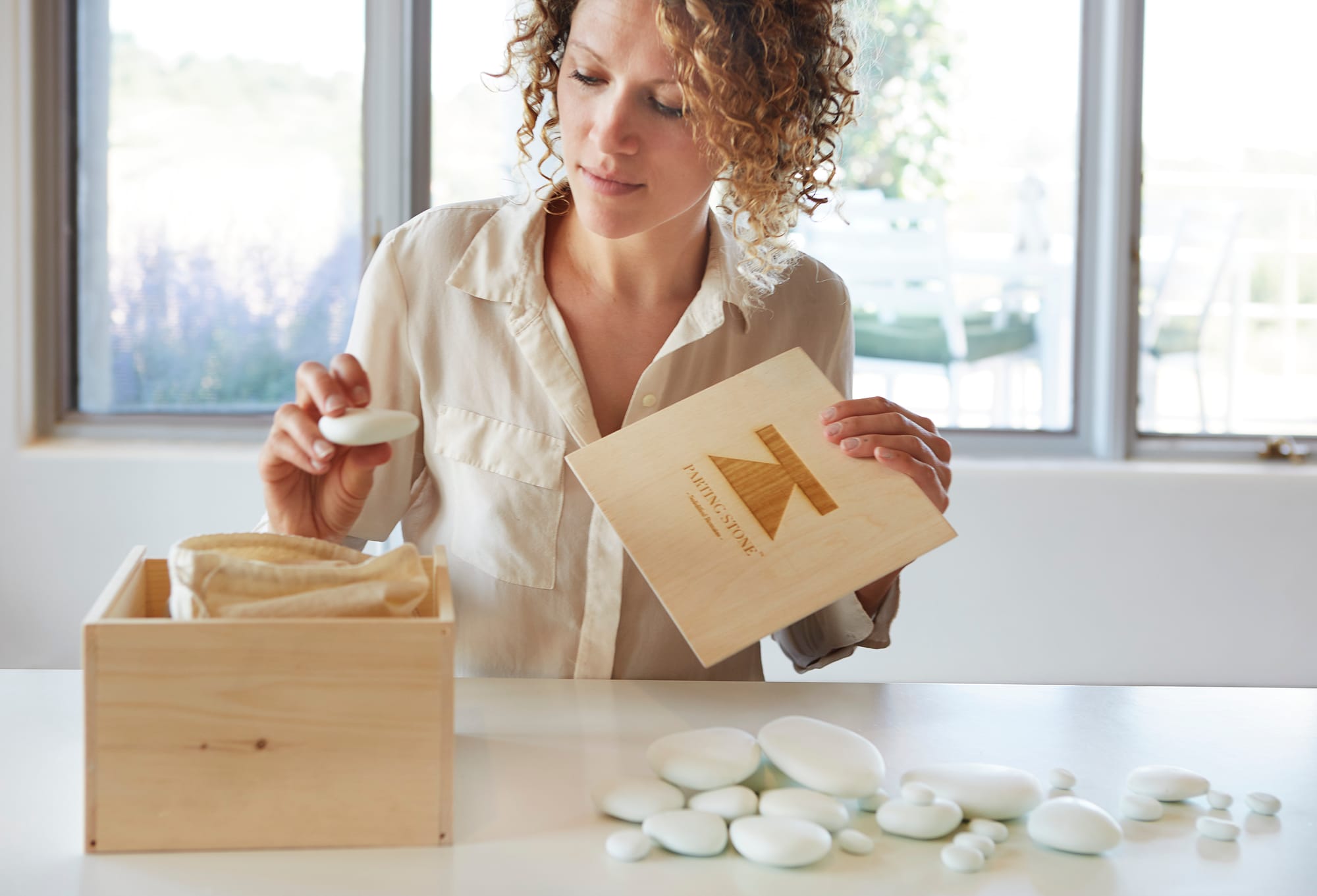
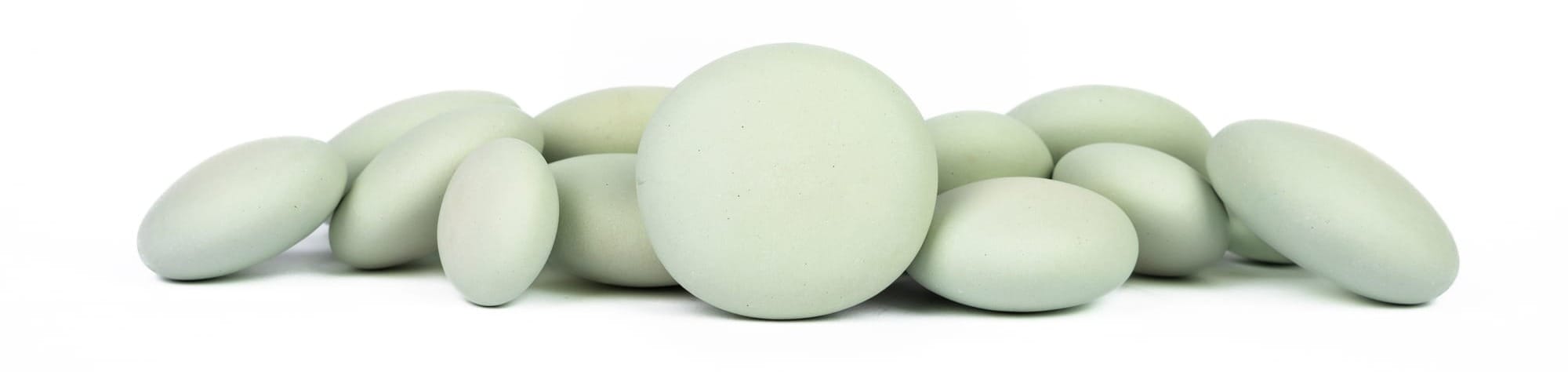
This scientific process, developed in partnership with Los Alamos National Laboratory, returns the full amount of remains as 40-60 beautiful stones that feel and look like natural river rocks. Unlike cremation jewelry, which uses only small amounts of ashes, solidification creates a complete alternative to traditional ash storage while providing multiple stones that can be shared among family members or incorporated into jewelry settings.
Many families appreciate that solidified remains eliminate what grief counselors call "ash anxiety"—the uncertainty about proper storage and care for cremated remains. The stones can be touched, held, carried, or displayed without concerns about spillage, container integrity, or environmental factors that affect traditional ashes.
"I never realized how much anxiety I had about the urn until it was gone. Now I can actually touch and hold part of my mother, and I know these stones will last forever. Several family members each have their own stones, which feels so much better than trying to figure out how to divide ashes." - Sarah M.🖤, Parting Stone customer
When to Consider Different Memorial Approaches
Your choice of memorial approach might depend on where you are in your grief journey and what feels most supportive right now. There's no timeline for these decisions, and it's perfectly normal for your needs and preferences to evolve as you process your loss.
Immediate Comfort Needs
If you're in the early stages of grief and need immediate comfort and connection, cremation jewelry offers quick accessibility and the ability to carry your loved one with you through difficult days. Many people find that having this physical connection helps during unexpected waves of grief or important events when your loved one's absence feels particularly acute.
Long-term Planning
If you're thinking more long-term about ash storage, family sharing, or creating permanent memorial solutions, you might consider approaches that address the full amount of remains. This planning often becomes more important as families realize the challenges of keeping traditional urns over time, especially as living situations change or family members want to share in memorial elements.
Family Dynamics
Consider how different family members prefer to grieve and remember. Some families find that multiple approaches work best—perhaps cremation jewelry for immediate family members who want daily connection, combined with other options that serve different family members' needs or provide solutions for the remaining ashes.
Guidelines for Selecting Quality Cremation Jewelry
When choosing cremation jewelry, focus on pieces that balance beauty with security and durability. This memorial piece will likely hold deep significance for many years, so investing in quality craftsmanship and materials ensures it serves as a lasting tribute to your loved one.
Security Features
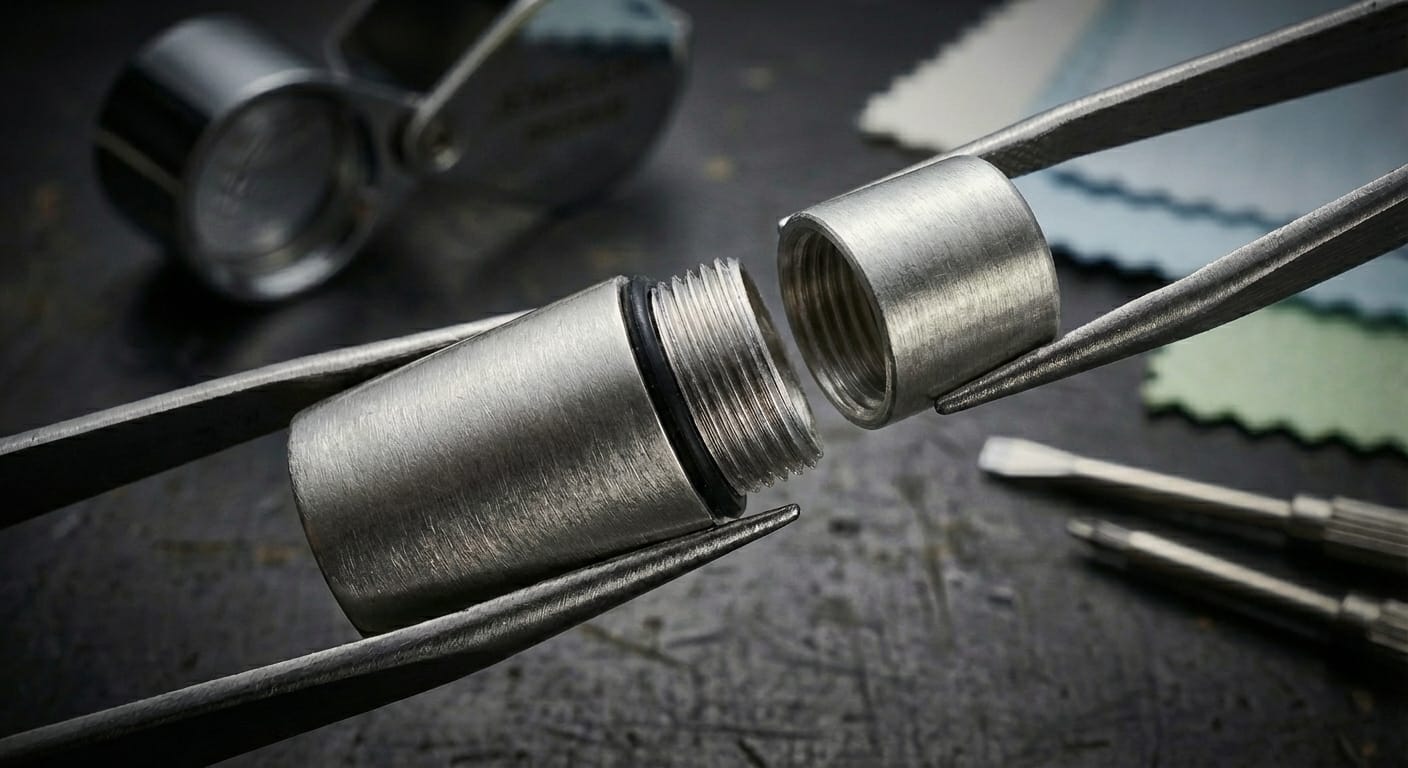
Look for secure closure mechanisms such as threaded openings with gaskets, magnetic closures, or screw-on caps that prevent accidental opening. Quality pieces often include small tools for opening and closing the compartment safely. Avoid pieces with loose-fitting caps or simple snap closures that might fail over time.
Material Quality
Choose pieces made from precious metals like sterling silver, gold, or platinum that will maintain their beauty and integrity over time. These materials also resist tarnishing and corrosion that might compromise the security of the ashes. While less expensive materials exist, the lasting nature of this memorial piece typically justifies the investment in quality.
Personalization Options
Many families appreciate the ability to engrave names, dates, or meaningful phrases on their cremation jewelry. Consider whether you want visible engraving or more discrete personalization. Some pieces allow for birthstones or other decorative elements that add personal significance without obvious memorial indicators.
Caring for Your Cremation Jewelry
Proper care ensures your memorial jewelry remains a beautiful tribute for years to come. Most cremation jewelry requires only basic jewelry maintenance, with special attention to preserving the closure mechanism that protects the precious contents.
Clean the jewelry gently with soft cloths and appropriate cleaners for your metal type. Avoid harsh chemicals or ultrasonic cleaners that might damage seals or closures. Store the piece in a safe place when not wearing it, and consider having it inspected periodically by a jeweler to ensure the closure mechanism remains secure.
Moving Forward with Memorial Choices
Cremation jewelry offers one meaningful way to maintain connection with your loved one while navigating your unique grief journey. Whether you choose memorial jewelry as your primary memorial approach or combine it with other options, the most important consideration is what feels right for your family's needs and honors your loved one's memory in a way that brings you comfort.
Remember that there's no timeline for these decisions, and your preferences may evolve as you continue processing your loss. Some families choose immediate solutions like cremation jewelry, while others take time to explore multiple options or combine different approaches. Trust yourself to know what feels most supportive and meaningful for your situation.
Your loved one's memory deserves something beautiful and lasting—whether that's carried close to your heart in a piece of jewelry, transformed into shareable stones, or honored through other meaningful approaches. The choice is yours to make in your own time, as you continue to carry their love with you in whatever form feels most comforting.
Frequently Asked Questions
What are the most popular types of cremation jewelry?
Pendant necklaces dominate cremation jewelry sales due to their versatility and emotional significance of keeping remains close to the heart. Memorial rings appeal to those preferring discrete remembrance options that integrate seamlessly into daily wear. Bracelets and charm jewelry offer flexibility for families wanting multiple pieces or graduated memorial approaches. Earrings represent the smallest segment due to weight limitations and size constraints necessary for comfortable wearing.
How much cremated remains does jewelry typically hold?
Most cremation jewelry holds between 1/4 teaspoon to 2 teaspoons of cremated remains, representing less than 1% of an average adult's ashes. Chamber-based designs accommodate 1/2 to 1 teaspoon securely, while resin or glass integration methods may incorporate up to 2 teaspoons depending on jewelry size. This minimal usage leaves families with 6-8 pounds of unused remains requiring additional storage or disposition decisions, highlighting the limited scope of jewelry as a complete memorial solution.
What materials work best for cremation jewelry?
Stainless steel offers durability and affordability for chamber-based cremation jewelry, providing corrosion resistance and hypoallergenic properties at costs from $75-$200. Sterling silver represents the most popular precious metal choice, offering traditional aesthetic appeal and tarnish resistance with proper care at costs from $150-$400. Gold options including 14k and 18k provide longevity and prestige but increase costs to $500-$1,500 depending on design complexity. Titanium and tungsten offer modern alternatives with exceptional durability for active lifestyles.
Can cremation jewelry be repaired if damaged?
Chamber-based cremation jewelry typically allows repair services including seal replacement, chain repair, and chamber cleaning through qualified jewelers familiar with memorial pieces. Integrated designs using glass or resin face more complex repair challenges, often requiring complete reconstruction if damage affects ash-containing elements. Most reputable cremation jewelry manufacturers provide repair services or replacement programs, though costs range from $50-$300 depending on damage extent and original jewelry value.
How secure are cremation jewelry seals and chambers?
Quality cremation jewelry features threaded seals with precision engineering designed to prevent ash leakage during normal wear and activities. Laboratory testing of leading memorial jewelry brands demonstrates seal integrity under stress conditions equivalent to 10 years of daily wear, based on accelerated aging protocols. However, seal maintenance requires periodic inspection and potential replacement every 5-7 years for heavily worn pieces. Inferior quality chambers may experience seal failure within 2-3 years, emphasizing importance of manufacturer reputation and warranty coverage.
What happens if I want to remove ashes from cremation jewelry?
Chamber-based cremation jewelry allows ash removal through unscrewing threaded seals, though this process requires careful handling to prevent spilling and contamination. Integrated designs using resin or glass typically cannot be reversed without destroying the jewelry piece entirely. Some families choose removable designs specifically to enable future ash relocation, while others prefer permanent integration for security and peace of mind regarding accidental opening.
How do I choose the right cremation jewelry style?
Selecting appropriate cremation jewelry involves considering daily wear patterns, aesthetic preferences, and long-term durability requirements. Active individuals benefit from smaller, secure designs that withstand physical activities, while those seeking prominent memorial statements may prefer larger pendants or statement pieces. Metal allergies and skin sensitivity affect material choices, requiring hypoallergenic options for sensitive wearers. Budget considerations should account for total memorial needs rather than individual jewelry costs.
Can multiple family members have cremation jewelry from the same person?
Creating multiple cremation jewelry pieces from one person's ashes typically provides sufficient material for 3-6 family members depending on jewelry size and chamber capacity requirements. Distribution requires careful planning to ensure adequate remains for all desired pieces while maintaining meaningful portions for each recipient. Families often coordinate jewelry orders simultaneously to optimize ash allocation and potentially receive volume discounts from manufacturers. Parting Stone's solidification service provides 40-80 individual stones, enabling comprehensive family jewelry creation while utilizing complete remains rather than leaving unused portions requiring separate storage decisions.
This article is provided for educational purposes and represents general information about cremation jewelry and memorial options. Individual circumstances vary, and families should consult with funeral directors, grief counselors, or other qualified professionals for personalized guidance.
References
Connecting Directors. (2024, July 25). U.S. cremation rate is projected to climb to 61.9% in 2024. Connecting Directors. https://connectingdirectors.com/68736-us-cremation-rate-projected-to-climb-to-61-9
Kessler, D. (2025, April 22). Five stages of grief by Elisabeth Kubler Ross & David Kessler. Grief.com. https://grief.com/the-five-stages-of-grief/
Kübler-Ross, E., & Kessler, D. (2014). On grief and grieving: Finding the meaning of grief through the five stages of loss. Simon & Schuster. https://www.simonandschuster.com/books/On-Grief-and-Grieving/Elisabeth-Kubler-Ross/9781476775555
National Funeral Directors Association. (2024, July 25). U.S. cremation rate is projected to climb to 61.9% in 2024 [Press release]. https://nfda.org/news/media-center/nfda-news-releases/id/8944/us-cremation-rate-is-projected-to-climb-to-619-in-2024
National Funeral Directors Association. (2025). Statistics: Cremation vs. burial. NFDA. https://nfda.org/news/statistics
Parting Stone. (2025, August 17). Cremated remains alternatives: Beyond traditional ashes. Parting Stone Blog. https://blog.partingstone.com/cremated-remains-alternatives-beyond-traditional-ashes/
Parting Stone. (2025, August 30). What are solidified remains? Complete guide to memorial stones. Parting Stone Blog. https://blog.partingstone.com/what-are-solidified-remains-complete-guide-to-cremation-stones/
University of Wisconsin-Madison Applied Population Laboratory. (2024). 2024 NFDA cremation and burial report methodology. National Funeral Directors Association.