Creating Meaningful Anniversary Memorial Traditions That Bring Lasting Comfort
Build lasting anniversary traditions that bring comfort and connection. Gentle ideas for honoring your loved one's memory with meaningful rituals.


Key Takeaways
- Anniversary dates don't have to be painful - families can transform these significant days into meaningful celebrations of life and lasting connection
- New traditions take time to develop - allow yourself flexibility as you discover what feels right for your family's unique journey
- Tangible elements enhance ceremonies - having something you can touch and hold creates deeper emotional connection during memorial observances
- Family involvement strengthens bonds - including multiple generations in anniversary traditions helps preserve memories while supporting ongoing healing
- Annual practices provide structure - establishing consistent yearly observances creates anticipation and purpose around significant dates
Reflections on love, loss, and the ways we hold them.
Anniversary dates have a particular way of catching us off guard. A small notification such as, “Dad’s birthday," can summon a wave of emotions we thought had settled. Many families tell me they feel torn on these days, unsure whether to celebrate, retreat, or simply brace themselves. Traditional rituals often don’t offer the comfort they once did, especially for families who chose cremation and long for something more tangible, more connected.
Research shows that active, meaningful participation during grief anniversaries strengthens emotional resilience and deepens family bonds. In my years of companioning the bereaved, I’ve seen how personalized traditions, grounded in continuing bonds rather than “letting go," transform difficult dates into opportunities for healing.
One family I worked with illustrates this beautifully. Mark, a newly widowed father of two from California, dreaded the first anniversary of his wife’s passing. “I didn’t want the day to be just about pain,” he shared. Together, we explored a more intentional approach. On that day, he placed his wife’s solidified remains - the smooth, comforting stones—at the center of their dining table. They cooked her favorite meal, told stories, and gently held the stones she once returned to.
“Something shifted,” he later said. “For once, I felt like we were spending the day with her, not just missing her.”
This is the power of purposeful, tactile remembrance. Solidified remains offer families a way to integrate their loved one into anniversary rituals—through travel, gathering, art, or simple presence.
The goal is not to erase the ache, but to create rituals that hold it with tenderness. Thoughtful traditions give families connection, agency, and the quiet reassurance that love continues. Always evolving, never gone.
Cathy Sanchez Babao
Parting Stone Grief Coach
The calendar notification appears on your phone: "Dad's birthday." Your heart skips as conflicting emotions wash over you. Should this be a day of celebration or sadness? How do you honor someone who isn't physically here anymore? Many families struggle with how to meaningfully mark anniversary dates after losing someone they love, often feeling caught between wanting to celebrate their loved one's life while acknowledging the reality of their absence.
Traditional approaches to anniversary remembrance frequently leave families feeling disconnected or going through empty motions. Lighting a candle, visiting a grave, or simply enduring the day in silence may not provide the comfort and connection your family needs. You deserve anniversary traditions that bring peace, not additional pain.
When Traditional Anniversary Approaches Fall Short
The challenge with many conventional memorial practices is that they were designed for a different era of grief understanding. Visiting a cemetery plot feels distant for families who chose cremation. Lighting a memorial candle, while symbolic, may not create the tangible connection many people crave. Simply "getting through" anniversary dates misses the opportunity for genuine healing and celebration.
Research from the Journal of Loss and Trauma indicates that meaningful ritual participation during grief anniversaries significantly improves emotional well-being and family cohesion. Yet most families receive little guidance on creating personalized traditions that reflect their unique relationship with their loved one.
Many families find themselves stuck in patterns that don't serve their emotional needs. Perhaps you've experienced:
- Dreading anniversary dates rather than anticipating meaningful connection
- Feeling disconnected from traditional memorial practices that don't reflect your loved one's personality
- Struggling to include younger family members in ways that feel natural and healing
- Wanting something more interactive than passive remembrance
The absence of purposeful traditions often leaves a void during significant dates, making anniversary times feel empty rather than meaningful.
The Psychology Behind Meaningful Memorial Traditions
Dr. Dennis Klass, renowned grief researcher, emphasizes that healthy grief involves maintaining "continuing bonds" rather than "letting go." Anniversary traditions serve as structured opportunities to nurture these ongoing connections in positive ways.
Effective memorial traditions share several psychological benefits:
- Anticipatory healing: Having planned activities gives families something to look forward to rather than simply enduring difficult dates. The human brain processes anticipated positive experiences differently than unexpected ones, creating opportunities for comfort even during grief.
- Active participation: Engaging in meaningful activities during memorial times helps families feel connected to their loved one rather than passive recipients of loss. This sense of agency contributes significantly to emotional resilience.
- Intergenerational connection: Well-designed traditions create natural opportunities for sharing stories, preserving memories, and helping children understand family history in age-appropriate ways.
- Flexible structure: The best anniversary practices provide consistent framework while allowing for natural evolution as families grow and change over time.
Eight Categories of Anniversary Memorial Traditions
1. Location-Based Celebrations
Many families find deep meaning in connecting their loved one with places that held significance. This might include returning to favorite restaurants, visiting meaningful locations, or creating new traditions in spaces your loved one would have enjoyed.
Jennifer from Virginia shares how her family transformed travel into memorial connection: "After my father-in-law passed away, my husband shared so many memories of childhood trips with his parents. Since, we have been able to leave a Parting Stone in so many memorable places where they spent time together as a family on vacation. Now we can re-visit those places knowing my father-in-law is still a part of the memory."
Location-based traditions might include:
- Annual trips to places your loved one enjoyed
- Picnics in their favorite park or garden space
- Visiting locations that held special meaning in your relationship
- Exploring new places they always wanted to see
2. Seasonal and Holiday Integration
Rather than treating anniversaries as separate from regular family celebrations, many families find comfort in integrating memorial elements into existing holiday traditions. This approach helps normalize ongoing connection while maintaining celebratory atmospheres.
Carole from Tennessee 🖤 describes her approach: "It has been comforting to have him here. Many times I reach for him. For comfort on the sofa, or going somewhere unfamiliar. Also, when I visit family, it's great to take him with me. He is in a beautiful blue bowl, blue is his favorite color. And also in a vase in his room with twinkling lights in it."
Seasonal integration options include:
- Setting a place at holiday tables with their favorite foods
- Including memorial elements in holiday decorating
- Creating gift traditions that honor their memory
- Establishing new holiday customs that reflect their interests
3. Creative Expression Traditions
Art, music, writing, and other creative activities provide powerful outlets for processing anniversary emotions while celebrating your loved one's impact on your life. These traditions often appeal to family members who prefer expressive rather than ceremonial approaches.
Fife from Washington 🖤 describes her family's artistic approach: "My brother made a border around a lilac bush. Her favorite flower. My artist sister painted some of them. My oldest sister buried them under a lilac. Mom told us to put her ashes under a lilac bush. Mine are on my mantle as part of a seascape."
Creative traditions might involve:
- Annual family art projects using favorite colors or themes
- Writing letters or poems on anniversary dates
- Creating photo albums or memory books
- Learning skills or hobbies your loved one enjoyed
4. Service and Community Connection
Many families find that channeling anniversary energy into helping others creates positive meaning around difficult dates. Service traditions honor your loved one's values while contributing to community wellbeing.
Service-based anniversary traditions could include:
- Volunteering with organizations your loved one supported
- Creating scholarships or charitable funds
- Organizing community events in their memory
- Supporting causes that address issues they cared about
5. Nature and Garden Traditions
Gardens, trees, and natural spaces provide living memorial opportunities that change and grow over time. These traditions often appeal to families who find comfort in outdoor spaces and natural cycles.
Natural memorial traditions might involve:
- Planting anniversary gardens with their favorite flowers
- Creating meditation spaces in outdoor areas
- Establishing tree groves or memorial landscapes
- Participating in environmental conservation efforts
6. Food and Gathering Traditions
Sharing meals and preparing favorite foods creates opportunities for storytelling, connection, and sensory memory activation. Food traditions often become central to family anniversary observances.
Culinary traditions could include:
- Preparing anniversary meals featuring their favorite dishes
- Baking special treats they enjoyed
- Hosting potlucks where guests bring dishes with memory connections
- Learning to cook foods from their cultural heritage
7. Technology and Digital Traditions
Modern families often appreciate digital ways to preserve and share memories, especially when family members live in different locations. Technology can facilitate long-distance participation in anniversary observances.
Digital traditions might involve:
- Creating annual digital photo albums or videos
- Establishing social media memorial groups
- Recording family members sharing favorite memories
- Setting up video calls for distant family participation
8. Tangible Memory Traditions
Having physical objects that represent your loved one creates opportunities for touch, display, and ceremonial inclusion in anniversary activities. Tangible elements often provide the most profound sense of connection during memorial observances.
Chip from Virginia 🖤 explains his experience: "I have found great comfort in having a physical reminder of my wife with me. Holding the stone, and keeping it near me, brings me calm in times when I am upset or am missing her."
Creating Your Family's Unique Anniversary Tradition
The most meaningful anniversary traditions emerge from your specific relationship and family dynamics rather than prescribed formulas. Consider these foundational questions as you design your approach:
- What did your loved one value most? Their interests, passions, and values should influence tradition choices. Someone who loved travel might inspire location-based celebrations, while someone passionate about education might lead to scholarship or learning traditions.
- How does your family process emotions? Some families prefer intimate, quiet observances while others find comfort in larger gatherings. Consider your family's communication style and emotional needs.
- What feels sustainable long-term? Anniversary traditions should enhance your life rather than create additional stress. Choose activities that feel manageable and can evolve as circumstances change.
- How can different generations participate meaningfully? Effective traditions include natural roles for family members of all ages, creating opportunities for intergenerational connection and memory sharing.
Implementation Timeline: Building Your Tradition
Month 1-2: Exploration and Planning Begin by gathering family input about meaningful memories, preferred activities, and logistical considerations. This conversation period helps ensure your tradition reflects collective needs rather than individual preferences.
Month 3-4: First Observance Plan a simple first anniversary celebration that incorporates 2-3 elements you've discussed. Keep expectations realistic as you discover what feels right for your family.
Month 6-12: Refinement After your first observance, evaluate what felt meaningful and what might need adjustment. Traditions often require several iterations before finding their optimal form.
Year 2 and beyond: Evolution Allow your tradition to grow and change as your family's needs evolve. What feels appropriate early in grief may shift as healing progresses and new family members join your circle.
Involving Extended Family and Friends
Successful anniversary traditions often extend beyond immediate family to include friends, neighbors, and chosen family who shared meaningful connections with your loved one.
Consider how to include:
- Long-distance family members through video calls or coordinated activities
- Friends who want to participate but aren't sure how to approach anniversary times
- Community members who were touched by your loved one's life
- New relationships formed since their passing
Clear communication about expectations helps everyone feel comfortable participating in ways that feel natural for them.
Anniversary Traditions and Solidified Remains
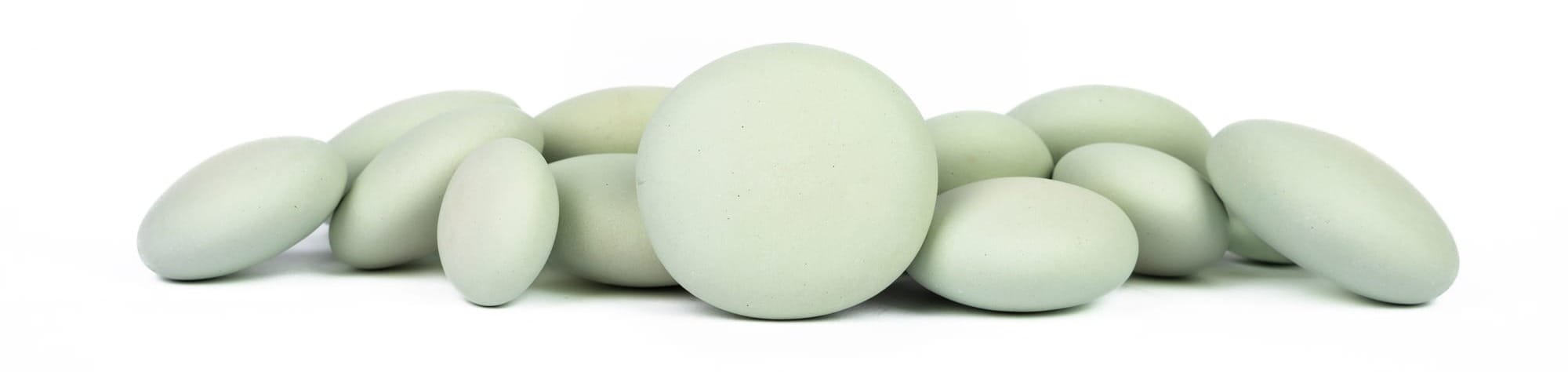
For families choosing solidified remains, anniversary traditions take on additional dimensions of tangible connection and ceremonial possibility. The smooth, stone-like quality of solidified remains makes them ideal for inclusion in various anniversary activities.
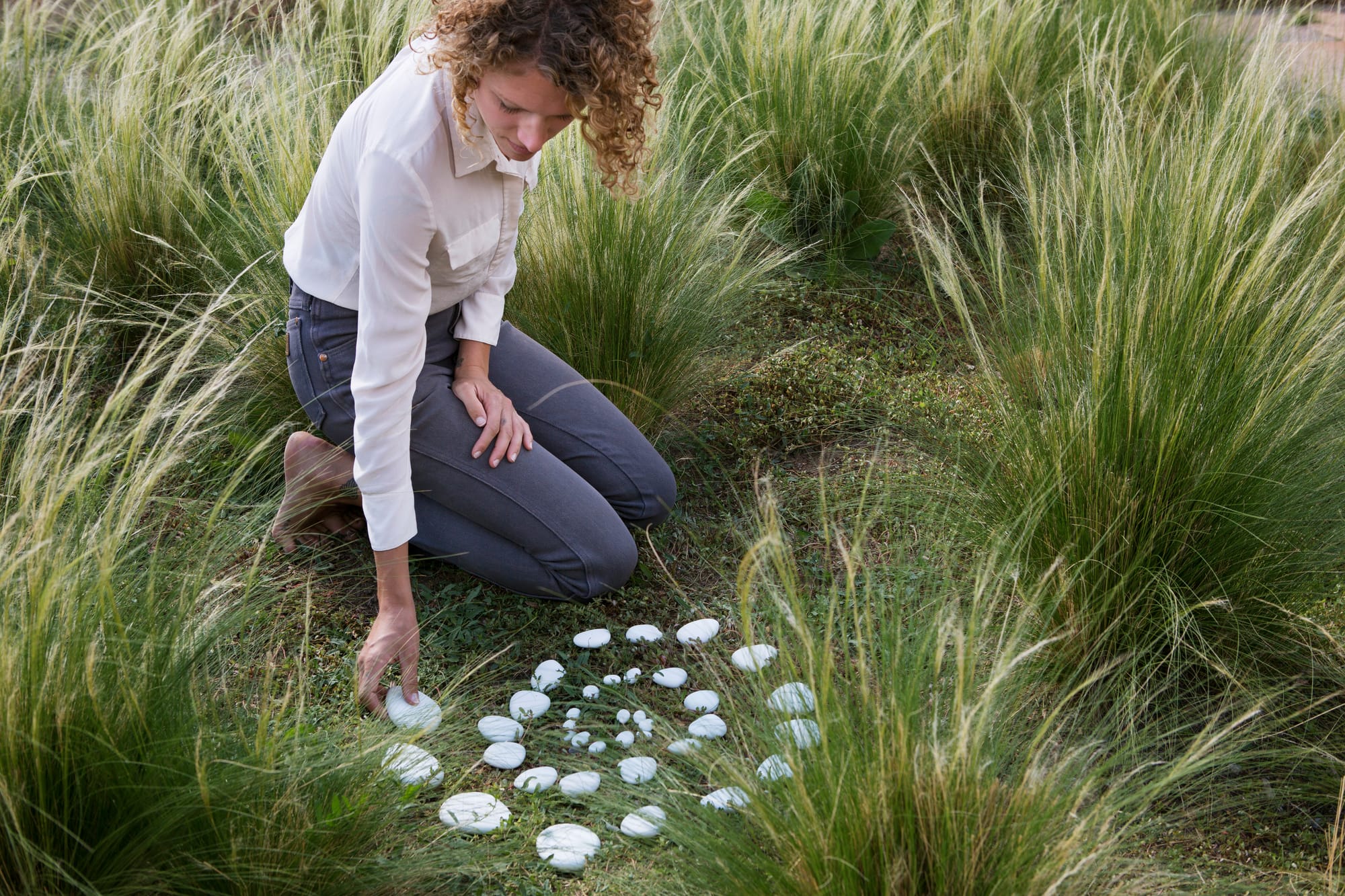
Amanda from Arizona 🖤 shares her experience: "I've been able to leave him in lots of places he would have loved as I traveled this summer. I've also been able to place some stones in places that meant something to him."
Solidified remains enable anniversary traditions such as:
- Carrying stones during anniversary travels or activities
- Including stones in ceremonial displays during family gatherings
- Creating permanent installations in meaningful locations
- Sharing stones among family members for individual observances
The 8-10 week processing timeline for solidified remains means families typically receive their stones several months after services, often coinciding with developing readiness for more active memorial practices.
For human remains, solidified remains services are $2,495, while pet remains are $1,195, reflecting the comprehensive nature of this complete alternative to traditional ashes.
Chris from Illinois 🖤 describes the impact: "The ability to take our loved one with us to our family's favorite places, and leave a little part behind, is priceless."
Navigating Difficult Anniversary Emotions
Even well-planned anniversary traditions may involve complex emotions. Grief doesn't follow calendars, and anniversary dates can trigger unexpected intensity regardless of preparation.
Helpful approaches include:
- Permission for flexibility: If planned activities don't feel right in the moment, allow space for spontaneous changes or quiet alternatives.
- Emotional preparation: Acknowledge that anniversary dates may involve both joy and sadness. This emotional complexity doesn't indicate failure in your tradition planning.
- Support system activation: Ensure family members know how to access additional support if anniversary emotions become overwhelming.
- Professional guidance: Consider grief counseling support, especially during first-year anniversaries or significant milestone years.
Seasonal Considerations and Holiday Integration
Anniversary traditions often work best when integrated with natural seasonal rhythms rather than competing with existing family celebrations. Consider how death anniversaries, birthdays, and holiday dates interact with your family's calendar.
Winter anniversaries might focus on indoor family activities, memory sharing, and comfort-focused traditions. Spring dates could incorporate gardening, renewal themes, and outdoor activities. Summer anniversaries often lend themselves to travel, picnics, and adventure-based traditions, while fall observances might emphasize harvest themes, gratitude practices, and preparation for holiday seasons.
Creating Legacy Through Anniversary Traditions
Well-established anniversary traditions become part of your family's legacy, creating patterns that future generations may continue and adapt. Consider documenting your tradition development process to help family members understand the thinking behind your choices.
Legacy elements might include:
- Written explanations of tradition significance for future family members
- Photo documentation of anniversary celebrations over time
- Instructions for adapting traditions as family circumstances change
- Stories about how specific tradition elements developed
Common Challenges and Solutions
Challenge: Family members have different ideas about appropriate anniversary activities.
Solution: Create space for individual observances alongside family traditions, allowing personal preferences while maintaining collective connection.
Challenge: Anniversary dates conflict with work, school, or other obligations.
Solution: Plan flexible observance dates that accommodate practical realities rather than rigidly adhering to calendar dates.
Challenge: Anniversary emotions feel overwhelming despite positive tradition planning.
Solution: Include grief support resources as part of your tradition planning, ensuring family members know how to access professional help when needed.
Challenge: Traditions feel forced or artificial rather than meaningful.
Solution: Allow several iterations before evaluating tradition effectiveness. Authenticity often develops through practice rather than perfect initial planning.
Supporting Children in Anniversary Traditions
Children benefit from age-appropriate inclusion in anniversary traditions that help them understand family history while processing their own grief experiences. Consider developmental stages when planning activities:
Young children (ages 3-7) often benefit from concrete, hands-on activities like planting flowers, creating art projects, or helping prepare special foods.
School-age children (ages 8-12) may enjoy learning family history, participating in service projects, or taking on special responsibilities during anniversary observances.
Teenagers (ages 13-18) often appreciate opportunities to contribute ideas, lead certain tradition elements, or invite friends to participate in appropriate ways.
Adult children may want to develop their own anniversary practices while participating in family traditions, requiring flexibility in tradition structure.
Conclusion: Building Lasting Connection Through Anniversary Traditions
Creating meaningful anniversary memorial traditions transforms potentially difficult dates into opportunities for healing, connection, and celebration. Rather than simply enduring anniversary times, families can anticipate these occasions as chances to actively honor their loved one's memory while strengthening family bonds.
Your unique tradition will reflect your specific relationship and family dynamics. There's no single "correct" approach to anniversary remembrance. The most effective traditions emerge from authentic consideration of your loved one's values, your family's needs, and your collective vision for maintaining lasting connection.
The journey of developing anniversary traditions often becomes as meaningful as the traditions themselves. Through planning, experimenting, and refining your approach, families discover new ways to process grief, share memories, and create positive experiences around significant dates.
As you consider your family's anniversary tradition possibilities, remember that this process unfolds gradually. In your own time and in your own way, you can create observances that honor your loved one's memory while supporting your family's ongoing healing and connection.
About the Editor
Cathy Sanchez Babao is a Grief Coach at Parting Stone, a grief educator, counselor, author, and columnist who has dedicated her career to helping individuals and families navigate loss. She writes the “Roots and Wings” column for the Philippine Daily Inquirer and is the author of Heaven’s Butterfly and Between Loss and Forever: Filipina Mothers on the Grief Journey. Cathy holds a B.S. in Business Administration and Management from Ateneo de Manila University and an M.A. in Family Psychology and Education from Miriam College, with advanced grief training at the Center for Loss & Life Transition and the Center for Prolonged Grief at Columbia University.
Frequently Asked Questions
What traditions can families create for death anniversaries? Families can create location-based celebrations, seasonal integrations, creative expression projects, service activities, nature traditions, food gatherings, digital commemorations, or tangible memory ceremonies. The most meaningful traditions reflect the deceased person's values and the family's communication style.
How soon after a death should families start planning anniversary traditions? Most grief counselors recommend waiting at least 6-8 months before making major tradition decisions, allowing time for initial grief processing. However, simple observances can begin whenever families feel ready to move from purely coping toward active commemoration.
Should anniversary traditions be the same every year? Anniversary traditions benefit from consistent core elements that provide stability, but flexibility for evolution as family needs change. Many families keep certain foundational activities while adding or modifying other elements over time.
How can long-distance family members participate in anniversary traditions? Technology enables video call participation, coordinated activities across locations, shared digital projects, and mail-based tradition elements. Many families create "simultaneous" traditions where geographically separated members perform similar activities at the same time.
What if family members disagree about appropriate anniversary activities? Create space for both individual and collective observances. Some family members may prefer quiet reflection while others want active celebration. Successful tradition planning accommodates different grief styles rather than requiring uniform participation.
How do anniversary traditions help with grief healing? Research indicates that meaningful ritual participation during grief anniversaries improves emotional well-being by providing structure, facilitating family connection, enabling active rather than passive remembrance, and creating positive anticipation around potentially difficult dates.
You're Not Alone in Wanting Something Better
If you're here, you likely understand something that 75 million Americans are still discovering: traditional cremated remains often create more anxiety than comfort.
Families who choose solidified remains share a common understanding: your loved one deserves better than to be hidden away in a closet, garage, or basement. They deserve a memorial that you can interact with, share with family members, and incorporate into the meaningful moments of your life.
These families understand that premium memorial solutions aren't about spending more—they're about choosing something that actually serves the emotional needs of grief and healing.
References
American Psychological Association. (2019). Grief and loss. Retrieved from https://www.apa.org/topics/grief-loss
Association for Death Education and Counseling. (2021). Thanatology: The study of death, dying and bereavement. Retrieved from https://www.adec.org
Bonanno, G. A., & Kaltman, S. (2001). The varieties of grief experience. Clinical Psychology Review, 21(5), 705-734. https://doi.org/10.1016/S0272-7358(00)00062-3
Klass, D., Silverman, P. R., & Nickman, S. L. (Eds.). (1996). Continuing bonds: New understandings of grief. Taylor & Francis.
National Alliance on Mental Illness. (2022). Grief and loss. Retrieved from https://www.nami.org/About-Mental-Illness/Related-Conditions/Grief-and-Loss
Neimeyer, R. A. (2001). Meaning reconstruction and the experience of loss. American Psychological Association.
Stroebe, M., & Schut, H. (1999). The dual process model of coping with bereavement: Rationale and description. Death Studies, 23(3), 197-224. https://doi.org/10.1080/074811899201046
Worden, J. W. (2018). Grief counseling and grief therapy: A handbook for the mental health practitioner (5th ed.). Springer Publishing.