Creating Lasting Family Memorial Traditions: A Guide to Honoring Loved Ones Together
Create lasting family memorial traditions. Establish meaningful annual remembrances that bring family together across generations.


When Maria's grandmother passed away three years ago, her family struggled to find ways to keep her memory alive that felt genuine rather than forced. The first anniversary came and went with an awkward phone call between siblings. The second year, they tried a formal memorial dinner that felt stiff and uncomfortable. It wasn't until the third year, when Maria's daughter asked to bake her great-grandmother's famous pan de muerto for Día de los Muertos, that something clicked. The kitchen filled with the scent of orange blossom and anise, stories flowed naturally, and for the first time since the loss, the family felt connected not just to each other, but to the woman they missed.
Key Takeaways
- Family memorial traditions provide structure for ongoing connection and help integrate loss into family life rather than compartmentalizing grief.
- Research shows that ritual practices significantly support grief adjustment, with 85% of bereaved individuals finding personal memorial rituals helpful.
- Effective traditions balance consistency with flexibility, allowing different family members to participate in ways that feel authentic to their relationship with the deceased.
- Tangible memorial elements like solidified remains enable practical sharing across households and generations, making traditions more accessible and sustainable.
- The most meaningful traditions emerge from the deceased's values and interests rather than following prescribed formats, creating authentic rather than obligatory remembrance.
Reflections on love, loss, and the ways we carry them.
Grief has a way of reshaping our lives quietly, like a tide that changes the shoreline without warning. In the wake of loss, many families instinctively search for rituals to hold on to what feels fleeting. The most enduring traditions, I’ve found, are not the ones prescribed by guides or ceremonies, but those that grow naturally out of love. The laughter shared at a favorite meal, the garden tended because “she loved her roses.” Modern grief research echoes this truth: healing doesn’t come from letting go, but from learning how to stay connected. The continuing bonds theory reminds us that love is not extinguished by death; it transforms, finding new ways to belong in our everyday lives.
One of my clients, Marissa, beautifully embodied this truth. When her father passed away, her family struggled to decide what to do with his ashes. “We all lived in different cities,” she told me. “We wanted something that would keep us close to him, and to each other.” They decided to have his remains solidified into smooth, stone-like pieces. Each child took one home, placing it somewhere meaningful: on a bookshelf, beside a garden, on a bedside table. Every year, on his birthday, they send each other photos of their stones, surrounded by flowers or candles. “It’s not a ritual we planned,” Marissa said. “It just happened, and it feels right.”
Grief becomes less isolating when remembrance feels organic, inclusive, and sustainable. A tangible anchor like Marissa’s stone provides continuity; shared flexibility ensures everyone can participate in their own way.
Perhaps the true goal of any memorial tradition is not perfection, but presence. It’s to remind us that we still belong to one another, across generations, across distances, across time. So as you consider how to honor your loved one, start not with ceremony, but with relationship. Begin with love. Let it shape what remembrance looks like for you.
Cathy Sanchez Babao
Parting Stone Grief Coach
How Do Families Create Meaningful Memorial Traditions?
Family memorial traditions become meaningful when they emerge organically from the relationship you had with your loved one, involve multiple generations in ways that respect different grief styles, and provide consistent opportunities for connection without feeling like obligations. The most sustainable traditions combine three elements: a tangible anchor (like a physical location, object, or ritual action), flexibility in how family members participate, and integration into existing family rhythms rather than creating entirely separate memorial events.
Research in bereavement psychology has fundamentally shifted our understanding of healthy grief. The continuing bonds theory, developed by Klass, Silverman, and Nickman in 1996, demonstrates that maintaining connection with deceased loved ones is not only normal but essential to grief adjustment. Rather than "moving on" or achieving "closure," families who create meaningful ways to honor ongoing relationships often experience better long-term outcomes (Klass et al., 1996). This isn't about staying stuck in grief. It's about recognizing that love doesn't end with death, and relationships continue to evolve even in absence.
 Parting Stone Editors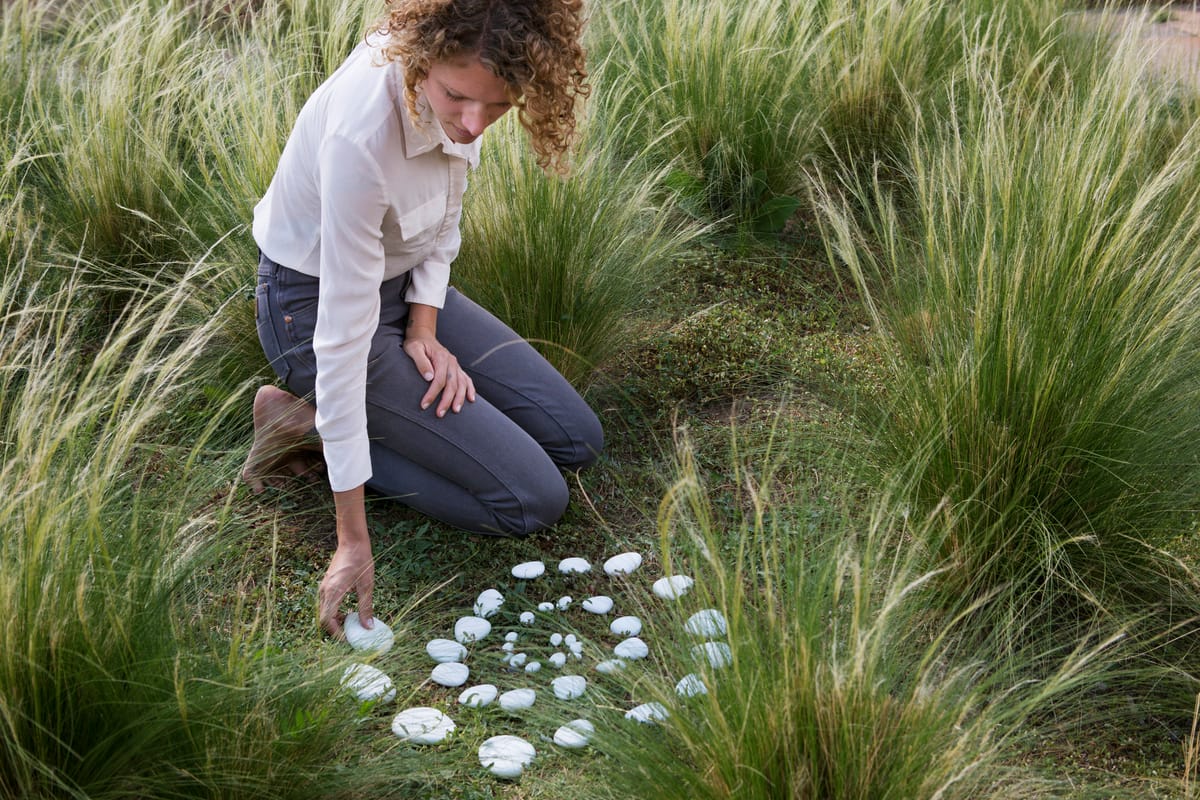
The Research Behind Memorial Traditions
Understanding why family traditions matter begins with understanding how grief actually works. For decades, both professional literature and popular culture promoted the idea that healthy grief meant letting go and detaching from the deceased. This created unnecessary pain for countless grieving families who felt something was wrong with them for wanting to maintain connection.
Contemporary grief research tells a different story. A comprehensive study published in Death Studies found that 85% of bereaved individuals engaged in personal memorial rituals, and these practices were rated as moderately to very helpful in coping with loss (Mitima-Verloop et al., 2019). The study revealed that both collective rituals (like organizing remembrance ceremonies with family) and individual practices (such as visiting gravesites or creating memorial spaces) supported grief adjustment equally well.
What makes these rituals effective? Research from the Journal of Experimental Psychology demonstrates that rituals help restore a sense of control during the chaos of grief (Norton & Gino, 2014). When your world has been fundamentally altered by loss, ritual actions provide structure, predictability, and a framework for expressing emotions that might otherwise feel overwhelming. Family traditions amplify these benefits by creating shared experiences that reinforce both individual and collective identity.
The cross-cultural study of grief rituals reveals remarkable consistency across diverse societies. While specific practices vary dramatically, from elaborate Hindu cremation ceremonies to Jewish sitting shiva to Mexican Día de los Muertos celebrations, certain themes emerge universally: personalizing the deceased through storytelling, reminiscing about shared experiences, engaging with ritual objects, and seeking connections with something larger than individual grief (IDOSR Journal, 2025). Your family's traditions don't need to follow anyone else's template. They need to reflect your unique relationship with your loved one.
Cremated remains can feel messy and meaningless. Instead of receiving a box of ashes following cremation, you can now receive a collection of stones. Solidified remains let you feel connection with the remains of your departed. Turn your ashes into stones at https://partingstone.com
Understanding Your Family's Grief Landscape
Before establishing traditions, it helps to recognize that your family members are likely experiencing grief differently. Your spouse might find comfort in constantly talking about the deceased, while your teenage daughter might prefer private reflection. Your elderly parent might want elaborate annual ceremonies, while your busy sibling can barely manage to send a text on the anniversary. None of these responses is wrong.
Contemporary grief theory recognizes multiple dimensions of bereavement that affect how people engage with memorial practices. Some family members will be ready to create traditions immediately after loss, while others need months or years before they can participate meaningfully. Some will want public, social remembrance, while others prefer an intimate, solitary connection.
The key to sustainable family traditions is designing practices that accommodate this diversity rather than forcing everyone into the same mold. This might mean offering multiple ways to participate in the same tradition or creating different traditions for different family members.
Susan, Parting Stone family from Virginia 🖤 shared her experience: "Scattered ashes sounds easier than it is, so when someone told us about their experience with solidified remains, we were relieved to know that we could leave stones behind without concern."
Her family discovered that having individual stones allowed each person to honor their loved one in their own way, whether that meant displaying stones prominently, carrying them privately, or leaving them in meaningful locations.
 Parting Stone Editors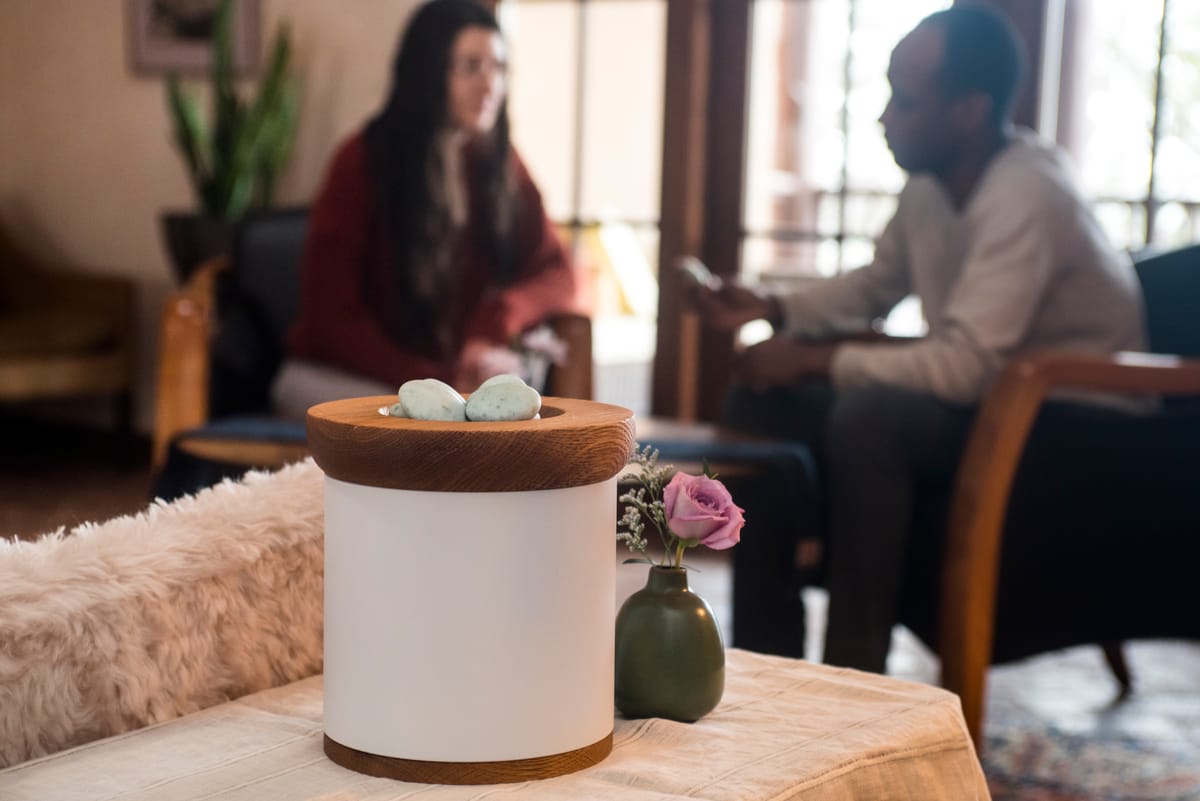
Building a Framework for Family Memorial Traditions
Creating traditions that endure requires more thought than simply deciding to "do something" on an anniversary. The most successful family memorial practices share several characteristics that make them both meaningful and sustainable over time.
Start with Values, Not Activities
The most authentic traditions emerge from who your loved one was, not from what grief guides suggest you should do. Was your father an environmentalist who spent weekends hiking? An annual nature walk in his honor might feel more genuine than a formal ceremony. Did your grandmother love feeding people? A family cooking day might create more connection than lighting candles at her grave.
Sarah from New York 🖤 discovered this when her husband passed away. He had been an avid rock collector throughout his life, so choosing solidified remains felt like a natural extension of his passion. "He was an avid rock collector as well, so everything about this made sense and has given me peace," she explained. The decision wasn't about following grief protocol; it was about honoring who he was.
Consider your loved one's values, interests, and personality. What brought them joy? What did they care about deeply? What would they want for your family's future? These questions provide better guidance than any prescribed list of memorial activities.
A New Way to Hold Close What Matters Most
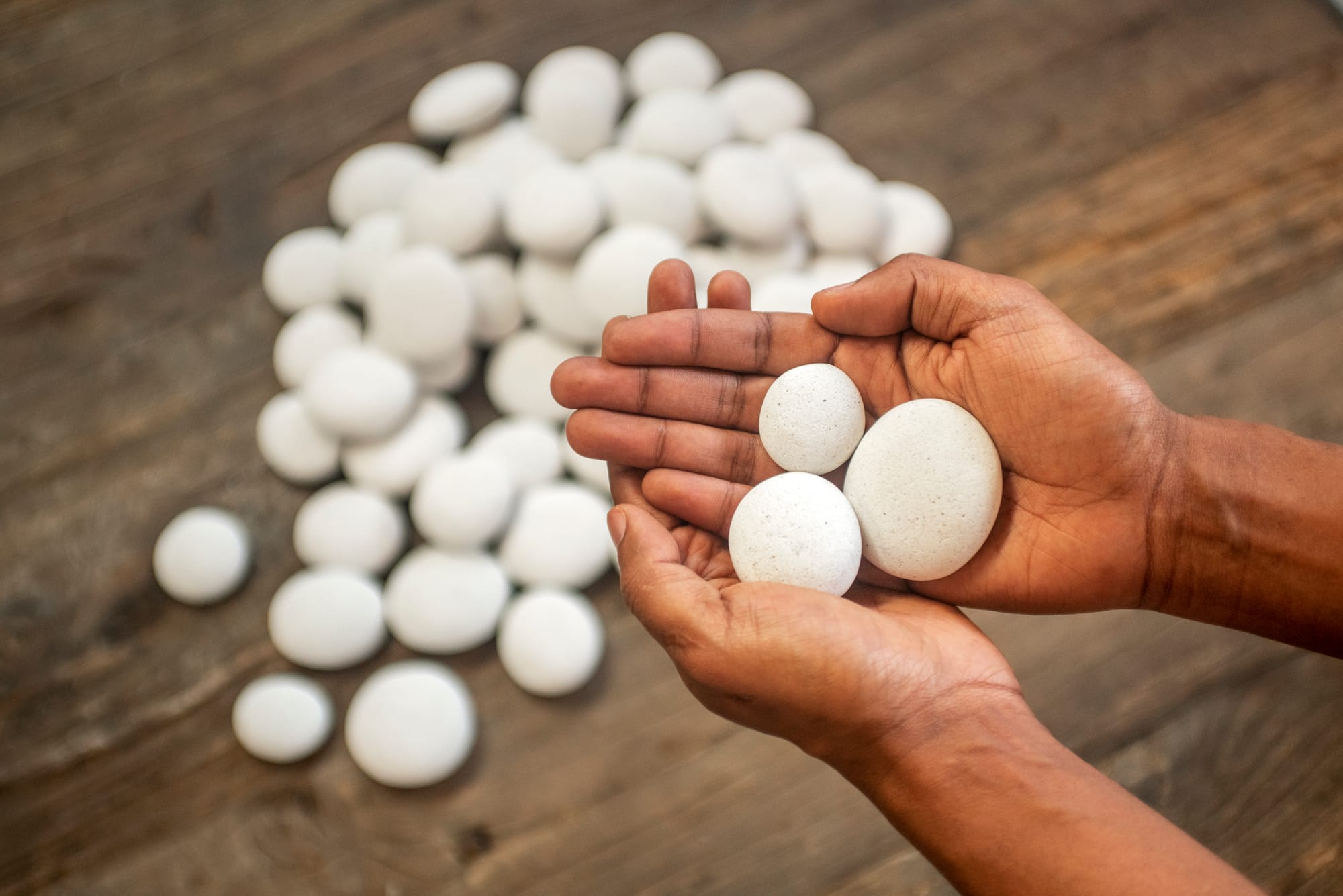
We transform cremated remains into beautiful, touchable stones that bring comfort when you need it. Something you can hold, share, and keep close.
Create Tangible Anchors
While memories are precious, traditions often benefit from physical elements that provide consistency and concrete focus. This might be a specific location (their favorite beach, a memorial garden, a room in your home), an object (photo albums, recipe books, memorial items), or a ritual action (lighting candles, planting flowers, preparing favorite foods).
Tangible anchors serve multiple purposes. They provide something to focus attention during remembrance, create continuity across years, and offer ways for new family members (grandchildren born after the loss, new spouses) to connect with someone they never met. Barbara from Texas 🖤 found this particularly meaningful: "Having something physical to hold has been very healing. I keep one in my jewelry box where I see it every morning. The process was smooth and professional, and we felt cared for throughout."
Physical memorial elements also solve practical challenges that many families face. Lisa from Alberta 🖤 described how solidified remains enabled her family to maintain connection despite geographic separation: "The stones we could easily share (we live in different cities), and incorporate discretely and beautifully into our homes. We also have taken our parents on vacations and left them in random places that they loved!" When family members live in different states or countries, having individual tangible items makes participation possible regardless of location.
Design for Flexibility and Inclusion
Rigid traditions often fail because they can't accommodate changing circumstances. Your family will evolve. Children will grow up. People will move. Jobs will change. Marriages and divorces will happen. Life will continue, and your traditions need to flex with it.
Build adaptability into your traditions from the start. If you establish an annual gathering, plan for the reality that not everyone can attend every year. Create ways for people to participate remotely or asynchronously. If you focus on a specific activity, offer alternatives for family members with different abilities or interests.
Nyssa from Ohio 🖤 shared how her family's approach evolved naturally: "At first, our granddaughters thought it was 'gross' that I was kissing a stone, but now they are completely comfortable with my lipstick-stained stone. We all say hi to it now and then." By allowing her granddaughters to witness her grief and connection without pressure to participate in any particular way, she created space for them to develop their own authentic relationship with the memorial practice.
Balance Remembrance with Celebration
Memorial traditions don't need to be somber occasions focused exclusively on loss. Many families find that the most meaningful traditions celebrate their loved one's life rather than commemorating their death. This subtle shift in focus can make participation feel less burdensome and more genuinely connective.
Consider traditions that reflect how your loved one lived, not just that they died. If they loved bad jokes, share their favorites. If they were passionate about a cause, volunteer together in their name. If they brought people together, create gatherings that emphasize connection and joy. You can acknowledge the sadness of loss while also honoring the gift of having known this person.
Tammy from Ohio 🖤 found this balance in her family's approach: "We have been able to share them among all the family members, including grandchildren. Everyone loves them. I keep one in my jewelry box where I see it every morning." The tradition became about sharing and ongoing presence rather than focusing solely on absence.
 Parting Stone Editors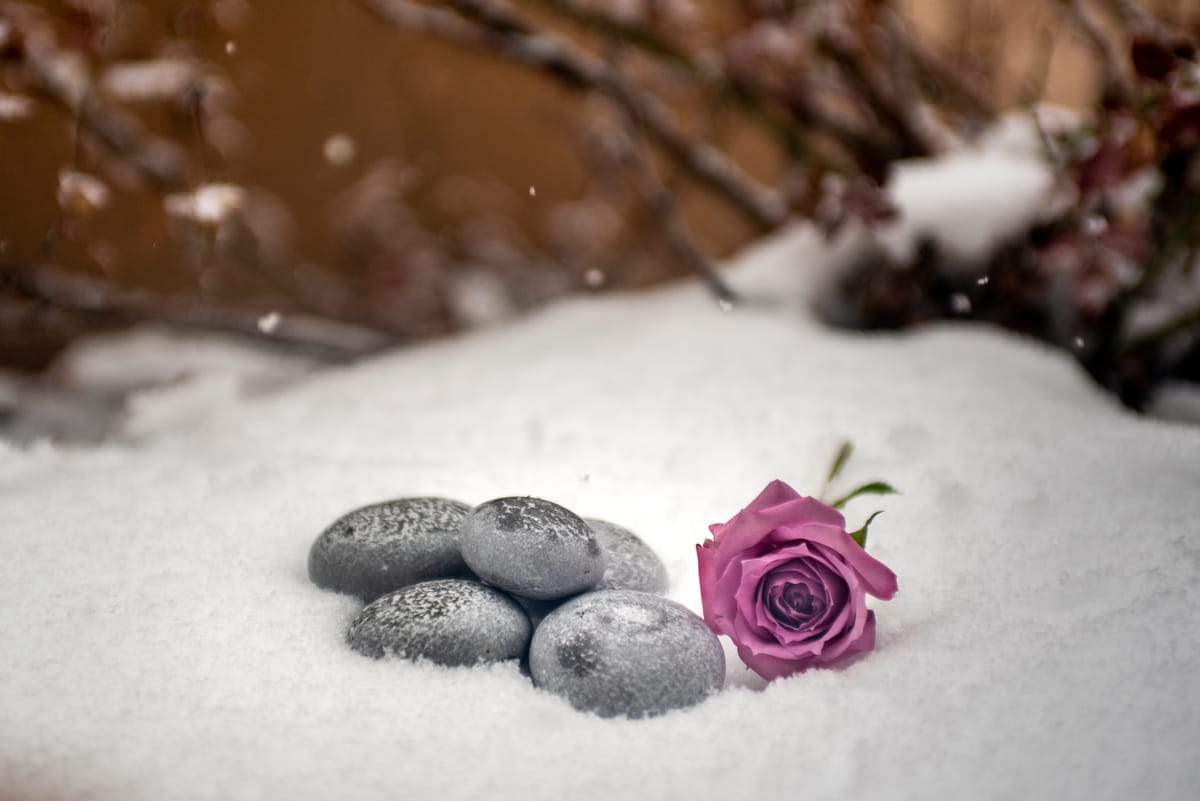
Types of Family Memorial Traditions
While your traditions should be unique to your family, understanding different categories of memorial practices can spark ideas and help you identify what might resonate with your situation.
Annual Anniversary Practices
Many families establish traditions around significant dates: death anniversaries, birthdays, holidays, or other meaningful occasions. These practices provide rhythm and structure, ensuring that remembrance happens consistently rather than only when grief feels overwhelming.
Annual traditions might include gathering for a meal featuring the deceased's favorite foods, visiting their grave or a meaningful location, sharing stories and memories, looking through photos or videos together, or engaging in an activity they loved. The key is choosing practices that family members genuinely want to participate in rather than feel obligated to attend.
Some families find that death anniversaries feel too focused on loss and prefer to celebrate birthdays instead. Others establish entirely new dates that don't carry the weight of the actual death. There's no right answer; pay attention to what your family needs and how different dates feel emotionally.
@ohthatjenny If you would like more information on Parting Stone and the process please dont hesitate to ask. I feel so confident that Chris would love this way of keeping his memory alive. He is SO missed and loved still and always. #partingstone #partingstones #lifeafterloss #griefandloss @PartingStone
♬ original sound - Jenny
Ongoing Daily or Weekly Rituals
Not all memorial traditions need to be annual events. Some families find meaning in smaller, more frequent practices that weave remembrance into everyday life. These might include displaying photos prominently, preparing favorite recipes regularly, continuing hobbies or projects the deceased started, wearing or using their belongings, or visiting meaningful places routinely.
Daily rituals can be particularly helpful for children, who often benefit from consistent, predictable ways to maintain connection. They also prevent the intensity that can build up when remembrance is limited to once-yearly occasions. However, they require more sustained commitment and can feel burdensome if not genuinely meaningful.
Milestone and Life Transition Remembrance
Some of the most powerful memorial traditions happen during significant life events where the deceased's absence feels particularly acute: weddings, graduations, births of grandchildren, holidays, and other milestones. Creating intentional ways to honor their presence at these moments helps integrate loss into ongoing family life.
This might include setting aside a chair or displaying photos at weddings, giving gifts "from" the deceased to new grandchildren, incorporating their recipes or customs into holiday celebrations, or sharing specific memories related to the milestone event. These practices acknowledge that while they're not physically present, their influence and importance continue.
Charitable and Legacy Traditions
Many families find meaning in traditions that extend their loved one's impact beyond their lifetime. This might include establishing scholarship funds, making annual donations to causes they cared about, volunteering together in their name, or continuing work or projects they started.
Legacy traditions serve multiple purposes. They create tangible positive outcomes from loss, provide active ways to honor values and passions, connect remembrance to helping others, and offer future generations insight into what mattered to their ancestor. These traditions can be particularly meaningful for children and grandchildren who didn't know the deceased well or at all.
Nature-Based and Travel Traditions
For families who find traditional cemetery visits limiting, nature-based traditions offer alternative ways to create meaningful remembrance. This might include planting memorial gardens, establishing favorite hiking trails or natural locations for annual visits, scattering or placing remains in meaningful outdoor locations, or taking annual trips to places the deceased loved.
These traditions appeal to families with active lifestyles and can be particularly sustainable as children grow and circumstances change. They also tend to feel less somber and more celebratory than cemetery-focused practices.
 Parting Stone Editors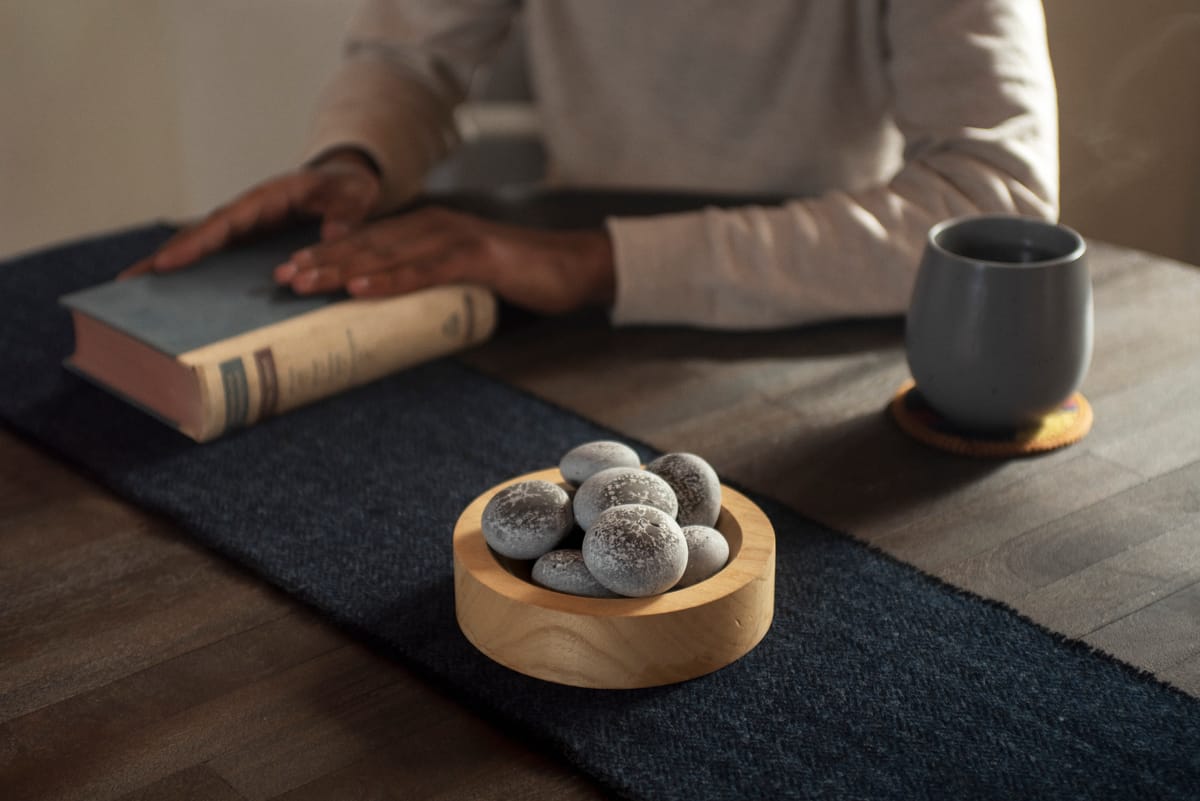
Practical Considerations for Sustainable Traditions
Understanding the theory behind memorial traditions is valuable, but implementation requires attention to practical details that determine whether your traditions thrive or fade away over time.
Addressing Geographic Distance
Modern families are often scattered across states or countries. Creating traditions that work despite distance requires creativity and flexibility. Technology enables video calls during memorial gatherings, shared online photo albums or memory books, coordinated activities done simultaneously in different locations, or social media groups dedicated to sharing memories.
Physical memorial elements that can be divided also solve distance challenges. Multiple family members having their own tangible items means each household can maintain traditions independently while still feeling connected to the larger family's remembrance. This was transformative for Lisa's family: "We live in different cities, and incorporate them discretely and beautifully into our homes."
Managing Family Dynamics and Disagreements
Not every family member will agree about appropriate ways to honor your loved one. Different religious or spiritual beliefs, varying grief styles, family conflicts that existed before the death, and different relationships with the deceased all create potential for disagreement.
Approaching these challenges requires acknowledging that there's no single "right" way to remember someone. Multiple traditions can coexist. One family member's practice doesn't invalidate another's. You might need separate traditions for different parts of the family rather than trying to force everyone together.
When possible, involve family members in planning rather than dictating traditions. Ask what would feel meaningful to each person. Be willing to try different approaches and let ineffective traditions fade naturally. Focus on respecting individual grief rather than achieving perfect family unity.
Including Children and Young Family Members
Children benefit from age-appropriate inclusion in memorial traditions, but their needs differ from adults. Young children need concrete, simple practices they can understand. They benefit from consistency and predictability. They often process grief through play and activity rather than conversation. And they need permission to feel joy and live their lives, not just focus on loss.
As children grow, their capacity for participation changes. What worked for a five-year-old won't work for a teenager. Build traditions that can evolve with children rather than expecting them to engage in adult-oriented practices. Let them contribute ideas for how to remember. And create space for their grief without burdening them with adult emotions or expectations.
Introducing New Family Members
When new people join your family through marriage or partnership, deciding how to include them in memorial traditions requires sensitivity. They're grieving the fact that they never met someone important to you, not the death itself. They may feel like outsiders to family rituals or uncertain about appropriate participation.
Be explicit about your traditions and their significance. Give new family members permission to participate at their comfort level. Share stories and context so they can understand who's being remembered. And recognize that they'll develop their own relationship with the deceased's memory over time, different from yours but equally valid.
@chloebluffcakes Thank you @partingstone 🤍 youve given me an unimaginable gift. One day I will share these with my little sister and carry her wherever we go in life together. #grief #partingstone #loss
♬ Repeat Until Death - Novo Amor
The Role of Tangible Memorial Elements in Family Traditions
Throughout this discussion, the importance of physical anchors for memorial traditions has emerged repeatedly. This deserves deeper exploration because tangible elements solve practical challenges while also meeting psychological needs.
Research on continuing bonds emphasizes that physical objects serve as important links between the bereaved and the deceased. These objects aren't substitutes for the person but rather symbols that facilitate connection and provide comfort during grief (Stroebe et al., 2012). Different types of memorial objects serve different functions within family traditions.
Traditional options like urns, burial plots, and cremated remains in containers present certain limitations for family memorial practices. They're typically singular items that can't be easily shared among multiple family members. They often require specific storage or display that may not fit all households. And they can be difficult to incorporate into active traditions like travel or outdoor activities.
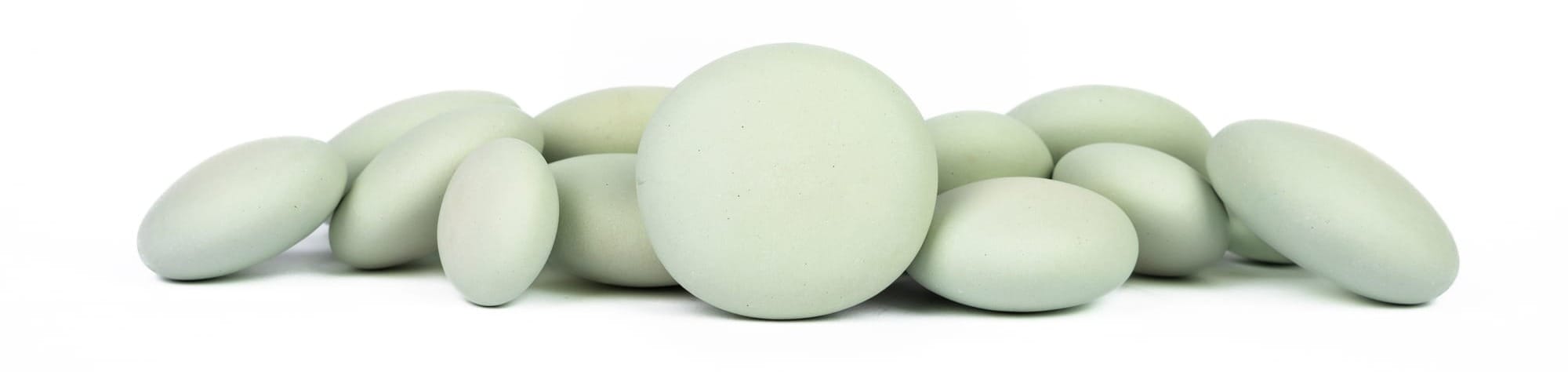
Solidified remains offer an alternative that addresses many of these practical challenges while maintaining the tangible connection families seek. The process transforms cremated remains into solid, stone-like form, resulting in 40-80+ individual stones that can be divided among family members. For families creating memorial traditions, this tangibility enables possibilities that aren't feasible with ashes.
Consider Tammy's experience from Ohio 🖤 : "My husband was an avid Pisces. He loved the water as a small boy and as an adult. Shortly after we married, he was diagnosed with Parkinson's Disease. The parting stones are arranged in an infinity circle on that property, just where he needed and wanted to be." The stones allowed her family to create a permanent memorial in a meaningful location while still keeping stones for each family member.
For families separated by distance, having individual stones means each household can maintain their own traditions. Sarah from New York 🖤 appreciated this aspect: "I was having difficulty deciding on an urn. Parting stones also made it easier to share my husband's remains with our large, close-knit family." Multiple family members each having stones meant the tradition wasn't dependent on everyone being in the same place.
The stones also enable certain types of traditions that would be difficult otherwise. Lisa's family takes their parents on vacations and leaves stones in places they loved. Other families incorporate stones into memorial gardens, use them as focal points during annual gatherings, give them to grandchildren as they come of age, or create rotating systems where stones travel between family members' homes.
The service typically takes 8-10 weeks from start to finish, allowing families time to process initial grief and plan how they want to use the stones. At $2,495 for human remains, it represents an investment in long-term family connection rather than a one-time memorial purchase. Many families find that the ability to share meaningfully across generations justifies this cost, particularly when compared to the limitations of keeping ashes in a single urn.
Common Concerns and How to Address Them
As families consider establishing memorial traditions, certain concerns arise repeatedly. Addressing these proactively can help you create more sustainable practices.
"Will this tradition feel forced or obligatory?"
The difference between meaningful tradition and burdensome obligation often comes down to how you frame and implement practices. Traditions feel forced when participation is mandatory regardless of circumstances, when they don't align with the deceased's values or personality, when they're overly elaborate or time-consuming, or when they meet others' expectations rather than actual family needs.
Avoid these pitfalls by starting small and allowing traditions to grow organically, checking in periodically with family members about what's working, being willing to modify or discontinue practices that aren't serving their purpose, and focusing on connection rather than perfect execution.
"What if family members won't participate?"
Not everyone will engage with memorial traditions in the same way or at the same time. Some people need more privacy in their grief. Others are at different stages of adjustment. And some simply have different preferences for remembrance.
Rather than viewing non-participation as rejection or inadequate grieving, recognize it as an expression of individual grief style. Continue offering opportunities without pressure. Share what traditions mean to you without demanding others feel the same. And trust that people will find their own ways to maintain connection, even if those ways differ from yours.
"How do we balance remembrance with living our lives?"
This concern often reflects appropriate worry about getting stuck in grief rather than adapting to life without your loved one. Healthy memorial traditions support both remembrance and forward movement; they aren't mutually exclusive.
Balance happens when traditions are proportionate to your family's capacity and energy, when they connect to ongoing life rather than creating separate memorial-only activities, when they honor the deceased's values about how you should live, and when they feel nourishing rather than depleting.
"What if circumstances change and we can't maintain the tradition?"
Life will change. Jobs, relationships, health, geography, and countless other factors will shift over the years. Rather than viewing this as failure, plan for evolution from the beginning.
Some traditions will fade naturally and that's okay. Others will transform to fit new circumstances. And new practices will emerge as your family's needs change. The goal isn't perfect consistency but rather maintaining connection in whatever ways work for your current reality.
Creating Your Family's Memorial Traditions: A Practical Process
If you're ready to establish memorial traditions, this step-by-step approach can help you move from concept to practice in ways that increase the likelihood of creating sustainable, meaningful rituals.
Reflect on Your Loved One
Before planning specific activities, spend time individually and as a family reflecting on who your loved one was. What brought them joy? What values did they hold deeply? How did they show love? What would they want for your family's future? What stories best capture their personality? What objects, places, or activities remind you most strongly of them?
Document these reflections through writing, conversation, or recording. This foundation will guide all your tradition-building decisions.
Assess Your Family's Needs and Capacity
Different families have different resources and limitations. Be realistic about what your family can sustain. Consider geographic distribution, age ranges and developmental stages, work and school schedules, financial resources, and family dynamics and relationships.
Honest assessment prevents setting expectations that lead to disappointment or guilt.
Brainstorm Options Together
Gather family members willing to participate in planning. Share the reflections about your loved one. Discuss what types of traditions appeal to different people. Generate ideas without judgment or commitment. Consider both elaborate and simple options.
This collaborative process increases buy-in and generates ideas no single person would have thought of alone.
Start Small and Specific
Rather than trying to establish multiple elaborate traditions immediately, choose one or two simple practices to begin with. Make them specific and actionable. Focus on consistency over perfection. Plan for evolution and adjustment.
You can always expand successful traditions or add new ones. Starting small makes success more likely.
Implement with Flexibility
As you begin your traditions, communicate clearly about expectations and options. Offer multiple ways to participate. Document what happens through photos, writing, or recording. Pay attention to what feels meaningful versus obligatory.
Early iterations are experiments. Gather information about what works.
Evaluate and Adjust
After trying your tradition once or twice, gather feedback from participants. What felt meaningful? What felt forced? What would you change? What surprised you?
Use this information to refine your approach. Be willing to discontinue practices that aren't working and try new approaches.
Allow Natural Evolution
Over time, let your traditions evolve without guilt or pressure to maintain original forms. Some practices will deepen and expand. Others will simplify. Still others will fade as circumstances change.
Trust that your family's needs will guide this evolution toward whatever serves connection best.
Traditions as Living Relationships
Creating family memorial traditions isn't about perfectly honoring the deceased or following prescribed grief protocols. It's about recognizing that relationships don't end with death and finding authentic ways to maintain connection that support your family's ongoing life.
The most meaningful traditions emerge from who your loved one was, accommodate your family's diversity, include tangible elements that facilitate practical sharing, and balance consistency with flexibility.
Research consistently demonstrates that maintaining continuing bonds through memorial practices supports healthy grief adjustment. But beyond research, your own experience likely tells you that connection matters, that remembering together creates meaning, and that traditions help structure that remembrance in sustainable ways.
Your family's traditions will be unique because your relationship with your loved one was unique. Trust that uniqueness. Start with what feels authentic rather than what you think you should do. Involve family members in creating practices that work for your specific circumstances. And remember that traditions evolve; what you create now may transform over time, and that transformation is part of healthy adaptation to life after loss.
As you consider how to honor your loved one, know that you're not alone in this work. Families throughout history and across cultures have grappled with the same challenge: how to maintain connection with those we love after they're gone. Your traditions join this ancient human practice of keeping love alive across the boundary of death.
Frequently Asked Questions
How soon after a death should families start memorial traditions?
There's no universal timeline for establishing memorial traditions. Some families begin planning during terminal illness or immediately after death, while others need months or years before they're ready. Research shows that grief unfolds differently for each person, and readiness for memorial practices varies (Boelen et al., 2019). Start when it feels right for your family rather than following any prescribed schedule. Many families find that the first year focuses on navigating acute grief, with more structured traditions emerging in the second or third year as the initial intensity lessens.
What if family members have different religious or spiritual beliefs about honoring the deceased?
Diverse beliefs within families are common and don't prevent meaningful shared traditions. Focus on practices that honor the deceased's values rather than specific religious rituals, create multiple traditions that accommodate different beliefs, find common ground in storytelling and remembrance regardless of spiritual frameworks, and respect that each family member may maintain separate practices aligned with their own beliefs. The goal is connection, not religious uniformity. Some families successfully combine elements from different traditions, while others maintain parallel practices that respect each person's framework.
How can families include young children in memorial traditions appropriately?
Children benefit from age-appropriate inclusion that provides structure without burdening them with adult grief. For young children, keep practices concrete and simple, use tangible objects they can touch or interact with, limit duration to match attention spans, and allow play and joy alongside remembrance. As children grow, increase complexity and involvement gradually. Let them contribute ideas for traditions. Normalize talking about the deceased as a natural part of family life. And reassure children that remembering doesn't mean staying sad; they have permission to feel joy and live their lives.
What should families do when memorial traditions start feeling obligatory rather than meaningful?
When traditions feel burdensome, it's time to pause and assess. Obligations often arise when practices become rigid, elaborate, or disconnected from their original purpose. Gather family input about what's working and what isn't. Consider simplifying elaborate traditions, reducing frequency, modifying participation expectations, or discontinuing practices that no longer serve connection. Remember that letting go of ineffective traditions isn't disrespectful to your loved one; it's honest acknowledgment that your family's needs have evolved. The purpose of traditions is supporting connection, not checking boxes.
How do families balance memorial traditions with moving forward in life?
This concern reflects an outdated understanding of grief that positioned remembrance and adaptation as opposing forces. Contemporary continuing bonds theory demonstrates that maintaining connection with deceased loved ones actually supports moving forward rather than preventing it (Klass et al., 1996). Healthy memorial traditions don't keep you stuck; they provide structure for ongoing relationship while you adapt to life without physical presence. Balance happens naturally when traditions honor your loved one's values about how you should live, when they're proportionate to your family's energy and capacity, and when they feel nourishing rather than depleting. You're not choosing between remembering and living; you're integrating both.
Can memorial traditions include solidified remains, and how does this work for families?
Yes, many families incorporate solidified remains into their memorial traditions. The process transforms cremated remains into 40-60+ solid stones through an 8-10 week process. For family traditions, this offers practical advantages: stones can be divided among multiple family members, enabling each household to maintain traditions independently; they're tangible and durable, suitable for display, carrying, or placement in meaningful locations; they enable travel traditions where family members can leave stones in places the deceased loved; and they facilitate multi-generational sharing as new family members join or children come of age. At $2,495 for human remains, families often view this as an investment in long-term connection that enables traditions not possible with ashes in an urn.
About the Editor
Cathy Sanchez Babao is a Grief Coach at Parting Stone, a grief educator, counselor, author, and columnist who has dedicated her career to helping individuals and families navigate loss. She writes the “Roots and Wings” column for the Philippine Daily Inquirer and is the author of Heaven’s Butterfly and Between Loss and Forever: Filipina Mothers on the Grief Journey. Cathy holds a B.S. in Business Administration and Management from Ateneo de Manila University and an M.A. in Family Psychology and Education from Miriam College, with advanced grief training at the Center for Loss & Life Transition and the Center for Prolonged Grief at Columbia University.
References
Becker, C. B., & Taniyama, Y. (2022). How funerals mediate the psycho-social impact of grief: Qualitative analysis of open-ended responses to a national survey in Japan. Death Studies, 46(10), 2456-2467. https://www.sciencedirect.com/science/article/pii/S2666560322001098
Boelen, P. A., Smid, G. E., & Mitima-Verloop, H. B. (2019). Facilitating grief: An exploration of the function of funerals and rituals in relation to grief reactions. Death Studies, 45(9), 735-745. https://doi.org/10.1080/07481187.2019.1686090
Center for Grief and Trauma Therapy. (2021, April 2). Grief rituals and how they help. Retrieved from https://www.centerforgrieftherapy.com/grief-rituals-and-how-they-help/
IDOSR Journal of Arts and Humanities. (2025). Rituals of grief across cultures. IDOSR JAH, 5(1), 1-12. https://www.idosr.org/wp-content/uploads/2025/07/IDOSR-JAH-P5.pdf
Klass, D., Silverman, P. R., & Nickman, S. L. (1996). Continuing bonds: New understandings of grief. Taylor & Francis.
Mitima-Verloop, H. B., Mooren, T. T. M., & Boelen, P. A. (2019). Facilitating grief: An exploration of the function of funerals and rituals in relation to grief reactions. Death Studies, 45(9), 735-745. https://doi.org/10.1080/07481187.2019.1686090
Neimeyer, R. A. (2001). Meaning reconstruction and the experience of loss. American Psychological Association.
Norton, M. I., & Gino, F. (2014). Rituals alleviate grieving for loved ones, lovers, and lotteries. Journal of Experimental Psychology: General, 143(1), 266-272. https://doi.org/10.1037/a0031772
Steffen, E., & Coyle, A. (2017). The impact of continuing bonds following bereavement: A systematic review. Death Studies, 47(7), 815-834. https://doi.org/10.1080/07481187.2023.2223593
Stroebe, M. S., Schut, H., & Boerner, K. (2012). Continuing bonds in adaptation to bereavement: Toward theoretical integration. Clinical Psychology Review, 30(2), 259-268.