Christmas Memorial Ideas: Honoring Loved Ones During the Holidays
Christmas memorial ideas that honor loved ones during the holidays. Create meaningful traditions that blend celebration with remembrance authentically.


Emma burst into tears in the middle of the holiday section at Target. Christmas was eight weeks away, and she had no idea how to create the magic her mother always brought to their family celebrations. The empty chair at Christmas Eve dinner loomed in her mind, threatening to steal her children's joy. How do you honor someone's absence without making the holiday feel like a funeral?
If you're approaching your first Christmas without someone you love, you already know this tension. The holiday season amplifies grief in ways that feel impossible to navigate. You want to remember. You need to celebrate. And somehow, you're supposed to do both without falling apart in front of the people who need you most.
The truth is, grief and joy aren't opposites during the holidays. They're companions. Creating meaningful Christmas memorial traditions doesn't make the season sadder; it makes it more honest. It gives your loss a place at the table while still leaving room for laughter, connection, and the kind of hope that honors what you've lost by continuing to live fully.
Key Takeaways
- The first Christmas after loss often brings conflicting emotions of grief and celebration, and creating meaningful memorial traditions can help honor your loved one while maintaining joy for your family
- Memorial activities work best when they're personalized to reflect your loved one's unique personality and values rather than following prescribed rituals
- Solidified remains offer versatile memorial options that integrate naturally into holiday decorations, from ornaments to centerpiece displays
- Including children in age-appropriate memorial traditions helps them process grief while maintaining positive holiday associations
- Planning memorial elements 8-10 weeks before the holidays reduces emotional overwhelm during an already challenging season
Reflections on love, loss, and the way we carry them.
As Christmas approaches, many bereaved families experience what psychologists call anticipatory grief. It's the heartache that begins long before the holiday itself. It’s that quiet dread when you picture the empty chair, the missing laughter, or the recipes only they knew by heart. I often remind my clients that this feeling is a form of love preparing for what it already knows will hurt.
One of my clients, a mother who lost her son two years ago, shared that she couldn’t bear to decorate their tree that first Christmas. Instead, she placed one of his old baseball caps on the top branch. “It felt like he was home,” she said. That simple act became her ritual. Quiet, personal, and deeply meaningful.
Research tells us that keeping continuing bonds or finding ways to include our loved ones in our celebrations, helps us heal more than pretending we’ve “moved on.” You can light a candle before Christmas dinner, cook their favorite dish, or play a song that reminds you of them. These gestures don’t reopen the wound; they honor the love that remains.
There’s no right way to grieve the holidays. What matters most is that your traditions reflect the truth of your heart—that you loved deeply, you remember tenderly, and you’re still finding your way toward light, one memory at a time.
Cathy Sanchez Babao
Parting Stone Grief Coach
Understanding Holiday Grief: Why Christmas Feels Different After Loss
The weeks leading up to major holidays often trigger what grief researchers call anticipatory grief, a distinct form of emotional pain that begins well before the actual day arrives (Rando, 1986). Your mind rehearses the absence, imagining the empty seat, the missing voice, the traditions that feel impossible to continue. This preparatory grief serves a protective function, but it also extends the emotional impact far beyond a single day.
Christmas carries unique grief weight because it centers on presence, togetherness, and the specific rituals that defined your relationships. Unlike other holidays, Christmas often involves elaborate traditions passed down through families, each one a thread connecting you to the person you've lost (Klass, Silverman, & Nickman, 1996). When someone dies, these traditions don't just lose a participant; they lose their architect, their meaning-maker, the person who made them feel like home.
Research on continuing bonds theory suggests that maintaining connections with deceased loved ones through meaningful rituals supports healthy grief adaptation rather than preventing it (Klass & Steffen, 2018). The goal isn't to achieve closure or move past your loss; it's to find ways to include your loved one in your ongoing life, even as that life transforms without their physical presence.
Your feelings about the approaching holiday are valid, whatever they are. Sadness about what's missing. Anxiety about how to navigate family gatherings. Even guilt about moments of genuine happiness. Many families find that acknowledging the difficulty directly, rather than trying to maintain a facade of normalcy, creates space for both grief and celebration to coexist authentically.
 Parting Stone Editors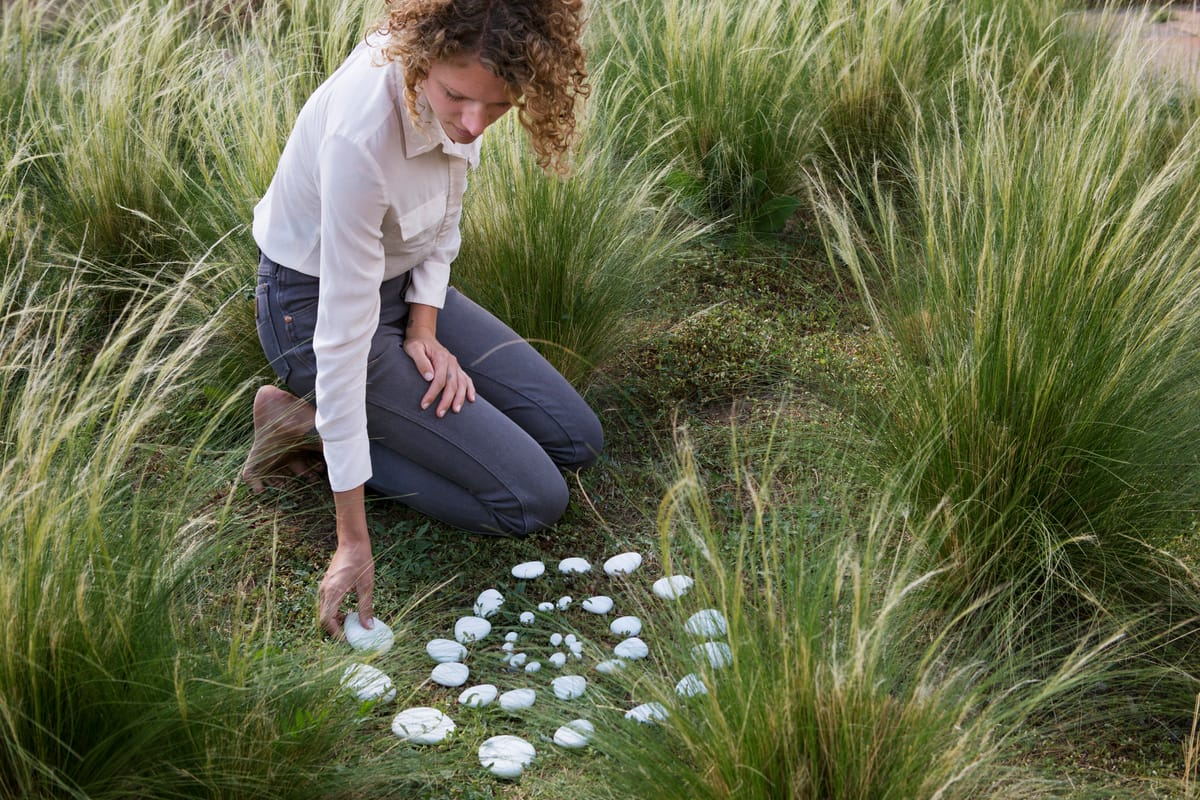
How Do You Honor Deceased Loved Ones at Christmas?
Honoring deceased loved ones at Christmas works best when memorial traditions feel personally meaningful rather than performative. Consider incorporating their memory through activities they loved, displaying objects that represent their personality, sharing stories that capture their essence, creating new rituals that would resonate with their values, or including symbolic representations in your holiday decorations.
The most effective memorial traditions balance acknowledgment with celebration. They create a moment to recognize the absence without letting that absence define the entire day. Some families designate a specific time, like lighting a candle before Christmas dinner and sharing one favorite memory. Others integrate memorial elements throughout the day more subtly, through ornaments, recipes, or music choices that naturally evoke connection.
Meaningful Ways to Remember Someone Who Died at Christmas
Create a Memory Ornament Display
Rather than a single memorial ornament, some families create a dedicated section of their tree featuring ornaments that represent their loved one's interests, travels, or personality. This approach transforms remembrance from a somber marker into a celebration of who they were. Photos, hobby-related ornaments, or handmade decorations that children create become conversation starters rather than conversation stoppers.
Mary from Prescott, Arizona 🖤, who lost her husband, shares: "An email from Parting Stone arrived in my inbox the day after my husband passed. My engineer spouse had once applied for a position at Los Alamos National Laboratory, and I took that as a sign. I carry one stone in my pocket, there's one on the dashboard of the truck, and always one in my travel luggage. Family members and friends eagerly accept stones, some to keep, and some to place at spots they shared with the departed. The surface of the stones is smooth, and evokes a quiet meditation and a sense of peace."
Incorporate Their Traditions Into Your Celebration
The recipes they always made, the music they played, the way they opened presents, these small rituals carry enormous emotional weight. Rather than abandoning them entirely or rigidly preserving them unchanged, many families find healing in adaptation. You might make their signature dish together as a family, telling stories while you cook. Or play their favorite Christmas album, pausing to share what you remember about why they loved particular songs.
Establish a Storytelling Ritual
Designate a specific moment during your celebration when family members share a favorite memory or something they learned from the person who died. This structured approach works particularly well for children, who often struggle to know how to talk about someone who's missing. It signals that remembering is welcome, that sadness has a place, and that your loved one's impact continues even in their absence.
Janet from Troy, Michigan 🖤, whose husband passed away, describes: "My husband and I traveled extensively, until he passed suddenly. Now my daughter and I take one of his stones to every country we visit and leave it, so we are able to feel the closeness of him still enjoying his love of travel with us."
Design a Memorial Table or Display Space
Creating a dedicated memorial space separate from but connected to your main celebration gives family members a place to go when emotions feel overwhelming. This might include photos, meaningful objects, candles, or written notes. Some families invite guests to add their own messages or memories to a journal placed near the display, creating a collective remembrance that grows throughout the season.
 Parting Stone Editors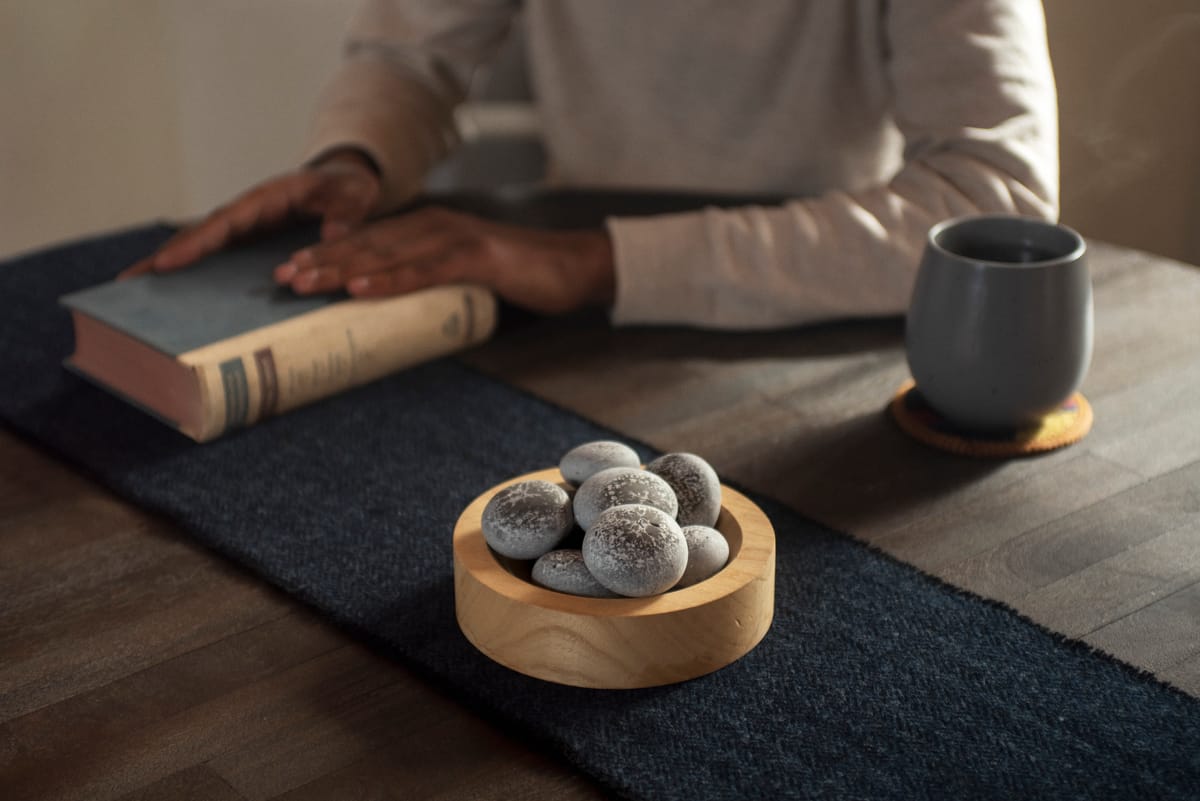
What Are Meaningful Christmas Memorial Ideas for Different Family Situations?
For Families with Young Children
Children process grief differently than adults, often moving between sadness and play in ways that can feel jarring to grieving adults (Webb, 2010). Memorial traditions that work well for families with young children tend to be concrete, creative, and connected to action rather than passive reflection.
Memory Ornament Crafting: Invite children to create ornaments that represent what they loved about the person who died. Art projects give young children a way to express feelings they can't yet articulate verbally, and the physical act of creating something provides a sense of agency during a time when so much feels out of control.
Story Jars: Fill a decorative jar with prompts about your loved one: "Tell about a time Grandma made you laugh" or "What was Grandpa's favorite Christmas cookie?" Drawing a prompt each evening during December makes remembrance a daily practice without overwhelming any single gathering.
Baking Together: If your loved one had signature holiday recipes, bake them with your children while sharing stories. The sensory experience of familiar scents and tastes creates powerful memory connections, and the activity itself provides comfort through ritual and togetherness.
For First Holidays After Loss
The first Christmas without someone you love carries distinct emotional intensity. Everything feels both too different and too painfully the same. Many families approaching their first holiday season benefit from explicitly acknowledging that this year will be hard, and that's acceptable.
Give Yourself Permission to Modify: You don't have to do everything you've always done. If hosting the family gathering feels impossible, ask someone else to host. If certain traditions feel too painful, skip them this year. Grief takes enormous energy, and simplifying your celebration isn't giving up; it's being realistic about your capacity.
Plan for Emotional Moments: Identify ahead of time which parts of the day might trigger intense feelings and create small plans for those moments. This might mean having a quiet room where people can go to cry privately, or designating a family member to check in on those who seem to be struggling.
Create One New Tradition: Alongside continuing old rituals, establish at least one entirely new tradition that belongs to this changed version of your family. This might be a Christmas Eve walk to look at lights together, a new volunteer activity, or a different way of exchanging gifts. New traditions acknowledge that your family is different now, and that difference deserves recognition.
AmberElizabeth from Santa Fe, New Mexico 🖤, who lost both parents, describes navigating her first holidays without them: "Loss is a wave we will always ride in their absence and our grief is how we ride it. Our parents didn't leave any instructions for their ashes; they told my brother and I they trusted us. With this trust, we took part of their ashes to their sacred places and had stones made that we both place in our sacred places. This is incredible: to be able to honor the power and magic of place, love, connection for both those who flew and for those of us who remain behind."
A New Way to Hold Close What Matters Most
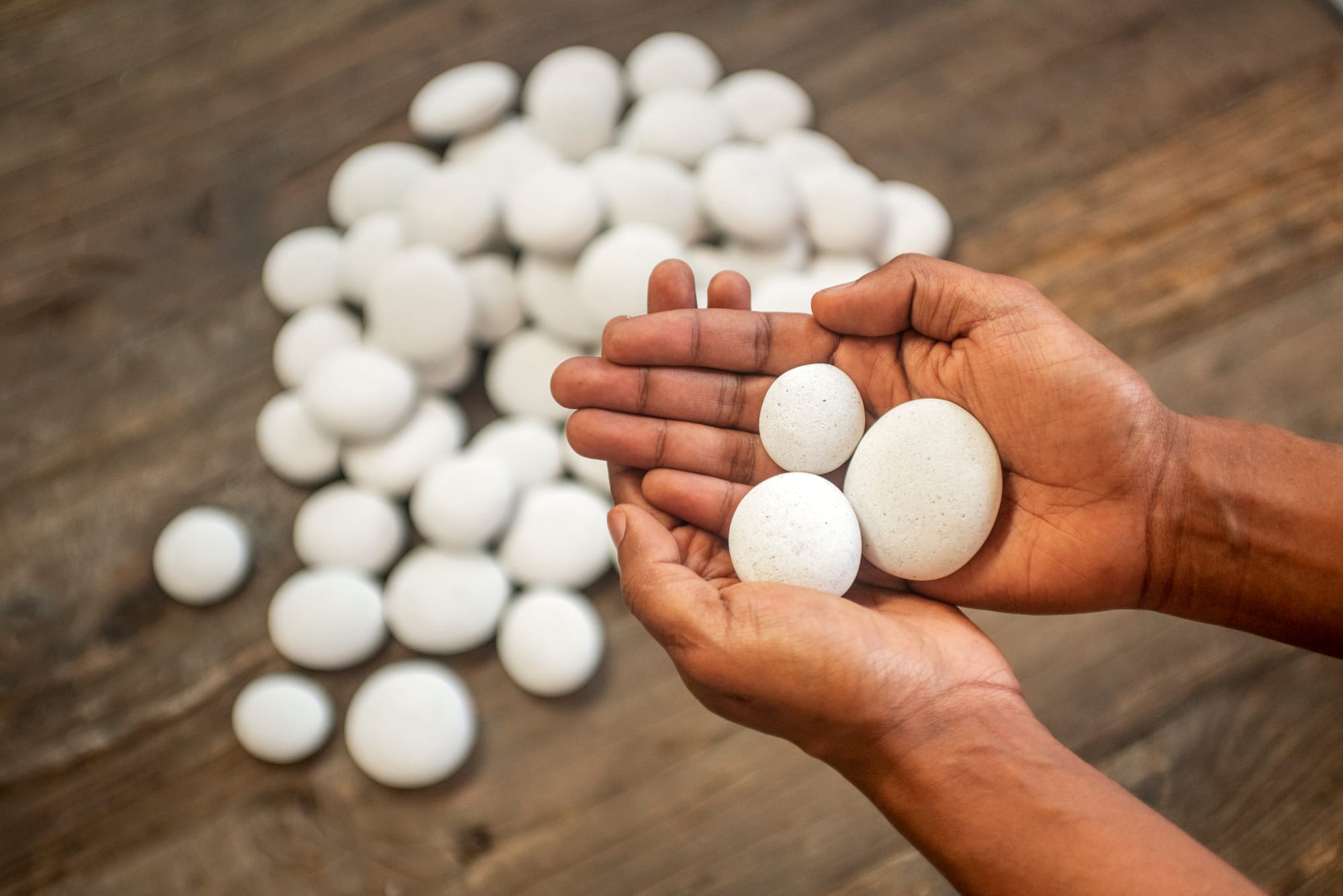
We transform cremated remains into beautiful, touchable stones that bring comfort when you need it. Something you can hold, share, and keep close.
For Long-Distance or Separated Families
When family members are geographically scattered, coordinating memorial traditions requires intentionality but creates powerful connection across distance.
Synchronized Memorial Moments: Agree on a specific time when each household will light a candle or share a memory, even if you're celebrating in different locations. Knowing others are remembering simultaneously creates a sense of shared ritual despite physical separation.
Share Memorial Objects: If you have your loved one's cremated remains or memorial items, consider ways to divide them so multiple family members can create their own memorial displays. Solidified remains work particularly well for this purpose, as individual stones can be distributed to family members in different locations, each creating their own meaningful tradition.
Create Digital Memory Sharing: Use video calls, shared photo albums, or family group texts to exchange memories and photos throughout December. This ongoing digital connection prevents memorial practices from being confined to a single overwhelming day.
For Those Grieving Multiple Losses
If you've lost more than one person, or if this holiday season brings compounded grief from multiple sources, creating separate memorial moments for each loss helps prevent emotional overwhelm while honoring each relationship's unique significance.
Consider designating different days during the holiday season for different memorial focuses, or creating a collective memorial space that represents all your losses while respecting their individual meanings. Some families find comfort in recognizing shared themes across their losses, the ways different people they've lost would have appreciated similar things or connected with each other.
 Parting Stone Editors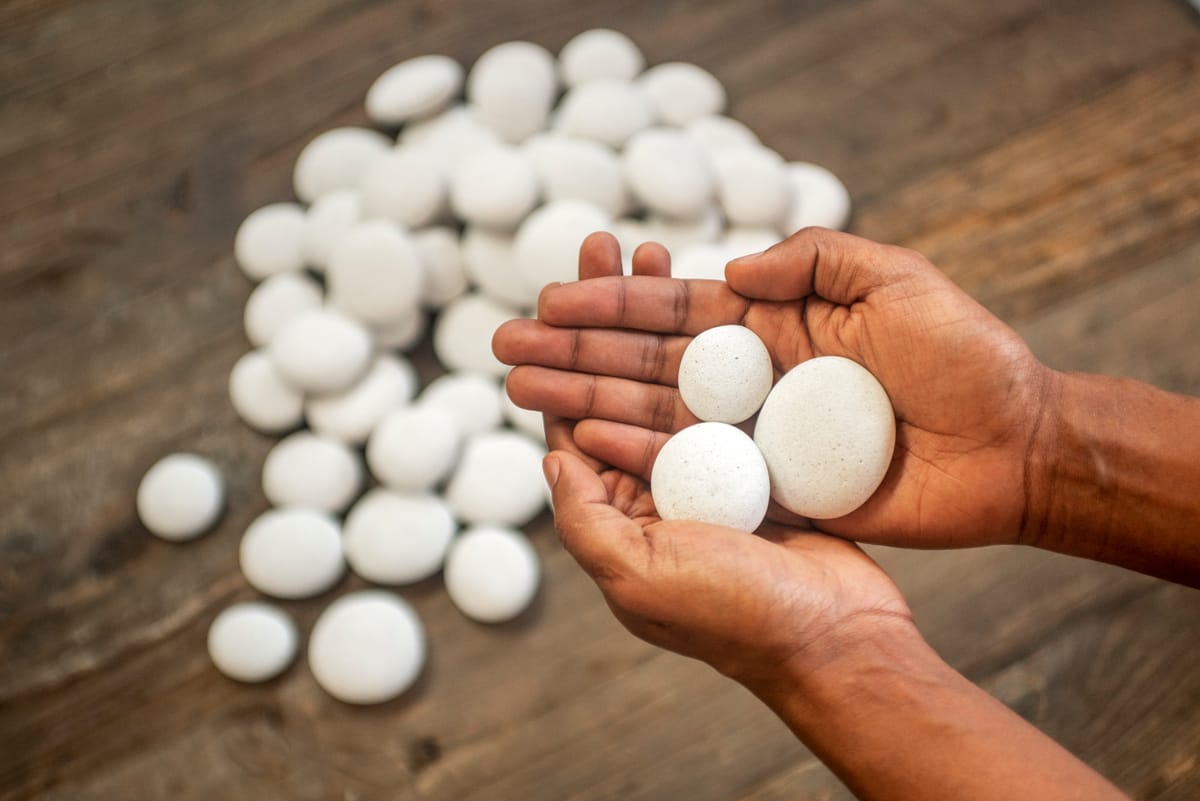
Integrating Solidified Remains Into Holiday Memorial Traditions
For families who choose cremation, deciding what to do with cremated remains often creates unexpected emotional complexity. Traditional urns can feel formal and static, but scattering ashes means letting go entirely. Solidified remains offer a middle path that resonates particularly well with families seeking versatile memorial options that integrate naturally into ongoing life.
What Are Solidified Remains?
The solidification process transforms cremated remains into smooth, stone-like pieces through a combination of heat, pressure, and specialized binding. Unlike cremation jewelry or keepsake urns that hold a small portion of ashes, solidification processes the complete amount of remains, returning them in a solid, clean form that feels fundamentally different to handle and display (Parting Stone, 2025).
This permanence and tangibility make solidified remains particularly well-suited to holiday memorial traditions. The stones can be touched, moved, decorated, and integrated into seasonal displays without the anxiety many people feel around traditional ashes. For families with young children, this accessibility matters enormously.
Christmas Memorial Ideas Using Solidified Remains
Holiday Centerpiece Displays: Create a seasonal centerpiece incorporating solidified remains among evergreen branches, candles, pinecones, and meaningful ornaments. This approach makes your loved one's presence central to your celebration without creating a somber or funeral-like atmosphere. The natural aesthetic of the stones blends seamlessly with holiday greenery and winter botanicals.
Memorial Ornament Incorporation: Place smaller solidified remains inside clear ornaments with evergreen sprigs, or display them alongside meaningful ornaments on a dedicated tree branch. Some families attach small tags to individual stones with specific memories or quotes, creating an evolving collection of remembrances that changes each year as new memories surface.
Mantelpiece Traditions: Arrange solidified remains on your mantel among stockings and holiday decor, perhaps with a framed photo or meaningful objects. This visible placement signals that your loved one remains part of the celebration, their absence acknowledged but not defining the entire space.
Gift-Giving Integration: For families with multiple members who want connection to the person who died, giving individual solidified remains as meaningful gifts creates shared memorial participation. Each family member can then develop their own memorial practices, whether traveling with a stone, creating a personal display, or incorporating it into their own home's holiday traditions.
Karen from San Diego, California 🖤, who lost her mother, explains: "When we lost our mom, we knew that each of her children and grandchildren would want something meaningful to hold onto, something that honored their unique relationship with her. Parting Stone gave us that gift. The memorial stones they created allowed us to send a piece of her to loved ones wherever they were in the world. Each family member received something tangible, lasting, and deeply personal, a forever reminder of her presence and love."
Practical Considerations and Timeline
The solidification process typically requires 8-10 weeks from when remains are received to when solidified remains are returned to families. For those planning to incorporate solidified remains into Christmas celebrations, this timeline means initiating the process by early October to ensure arrival before the holiday season.
The service costs $2,495 for human remains solidification, with the complete process handling the full amount of cremated remains and returning approximately 40-60 individual stones depending on the person's size. This quantity allows for distribution among family members, memorial placement in multiple meaningful locations, and ongoing memorial practices throughout the year.
For families who already have their loved one's cremated remains, whether stored for months or years, the option to pursue solidification remains available regardless of how long ago the death occurred. There's no expiration on this choice, and many families discover this option well into their grief journey when they feel ready for a more interactive memorial form.
@mikkzazon The company is @PartingStone ♥️ #partingstones #griefjourney #griefawareness
♬ original sound - Mik Zazon
Creating Inclusive Holiday Memorial Traditions for Diverse Beliefs
Not every family celebrates Christmas in a religious context, and not every person who died held Christian beliefs. Creating memorial traditions that respect both your loved one's values and your own current beliefs requires thoughtful consideration and sometimes creative adaptation.
For Non-Religious or Secular Families
Focus memorial traditions on connection, love, and the specific qualities that made your person unique rather than on spiritual or afterlife concepts. Emphasize the ways they live on through you, through stories shared, through values they taught, through the ripple effects of their life on others they touched.
Secular memorial traditions might include creating a gratitude practice around what they gave you, establishing scholarship or charitable traditions in their name, or organizing community service that reflects causes they cared about. The winter holidays offer natural opportunities for these activities even outside religious frameworks.
For Families with Mixed Beliefs
When family members hold different spiritual or religious views about death and the afterlife, memorial traditions that focus on shared experiences and memories rather than theological interpretations create common ground. Let each person find their own meaning while participating together in activities that honor the relationship itself.
Respecting Your Loved One's Beliefs
If the person who died held strong religious or spiritual beliefs different from your own, you might incorporate elements that honor their worldview even if you don't share it. This might mean including prayers they would have appreciated, playing music that reflected their faith tradition, or acknowledging their beliefs while maintaining your own authentic approach to remembrance.
Practical Planning: Timeline and Preparation for Holiday Memorials
Creating meaningful memorial traditions without adding overwhelming stress to an already difficult season requires advance planning and realistic expectations about your emotional capacity.
8-10 Weeks Before the Holiday
- Decide which existing traditions you want to continue, modify, or skip this year
- If considering solidified remains, initiate the process to ensure completion before the holidays
- Discuss memorial plans with family members, particularly children who may have their own ideas
- Order any memorial ornaments, photo gifts, or special items that require production time
- Begin having honest conversations about what different family members need emotionally
4-6 Weeks Before
- Purchase materials for any memorial crafts or projects you plan to create
- Coordinate with extended family about memorial moments during shared celebrations
- Prepare children for what to expect emotionally and what memorial activities you'll include
- Create backup plans for emotional overwhelm, whether that means a quiet room, a short walk, or a trusted friend to call
2 Weeks Before
- Finalize memorial display elements and practice setting them up
- Write down or record any stories or memories you want to share so you're not relying on emotional clarity in the moment
- Check in with family members about how they're feeling as the date approaches
- Give yourself explicit permission to adjust plans if they start feeling like obligations rather than comfort
The Week Of
- Set up memorial displays or spaces
- Prepare any special recipes or memorial elements
- Have a conversation with your family the day before about how you'll navigate difficult moments together
- Remember that the goal is connection and honoring, not perfection
Common Concerns About Holiday Memorial Traditions
"Won't this make everyone sad and ruin the holiday?"
Including memorial elements doesn't create sadness; it acknowledges sadness that already exists. Trying to pretend someone isn't missing often generates more tension and emotional discomfort than creating intentional space for grief. Research consistently shows that addressing loss directly correlates with better long-term emotional adjustment (Stroebe & Schut, 1999).
Most families find that having designated memorial moments actually provides relief. It allows everyone to stop managing their grief performance and be authentic about the mix of emotions they're experiencing. Children especially benefit from knowing that mentioning the person who died won't upset adults or ruin the celebration.
"How do I include memorial traditions without making it feel like a funeral?"
Balance is the key distinction. Memorial traditions work best as elements within a larger celebration rather than becoming the celebration's primary focus. This might mean a five-minute candle-lighting and memory-sharing before dinner, not a lengthy tribute that dominates the meal. It might mean a corner of the room with a memorial display that people can visit individually rather than a central focal point that demands constant attention.
The tone you set matters significantly. Approaching memorial moments with warmth and even gentle humor, when appropriate, signals that remembering can include joy, not just sadness. Sharing funny stories or quirky habits alongside more serious reflections creates permission for the full range of emotions.
"What if different family members want to remember in different ways?"
This is extremely common and completely normal. People grieve differently, process emotions at different paces, and find comfort in different types of activities. Creating flexibility in how individuals participate respects these differences.
You might offer multiple memorial options during your celebration so each person can choose what resonates. Some might want to share memories aloud; others might prefer to write in a memorial journal. Some might find comfort in looking at photos; others might need to step away from visual reminders. Allowing each person to honor the relationship in their own way strengthens rather than fragments family connection.
"How long do I continue holiday memorial traditions?"
There's no prescribed timeline for memorial practices. Some traditions may feel meaningful for years or become permanent parts of your holiday celebrations. Others might feel necessary for the first few years and then naturally fade as your grief transforms. Some families find that they need more active memorial elements initially and gradually integrate remembrance more subtly as time passes.
The goal is responsiveness to your ongoing needs rather than adherence to rules about what grief "should" look like over time. Check in with yourself and your family each year. What felt essential last year might feel optional this year, and that's not betrayal; it's evolution.
Moving Forward: When Grief and Joy Share the Table
Christmas after loss never returns to what it was before. That version of the holiday, with that person in it, belongs to the past. But this transformed version, carrying both grief and celebration, can become something meaningful in its own right.
Clint from Mukilteo, Washington 🖤, whose partner passed away, reflects: "My partner discovered Parting Stones and thought the process was unique and an easy way to make everyone happy. She even wondered what her stones would look like when the process was finished. We were more than happy to honor her wishes, and now we all have beautiful stones that we can display in our homes."
Your memorial traditions don't need to be elaborate or expensive to be meaningful. They simply need to be yours: authentic to who your person was, realistic about who you are now, and honest about the complicated truth that love doesn't end when someone dies.
The empty chair remains empty. The missing voice stays missing. But the love, the lessons, the laughter they brought into the world continues through you and through the ways you choose to remember. That's not consolation, exactly. But it's something. It's the truth about grief and holidays: that they can coexist, that remembering doesn't require forgetting joy, and that honoring what you've lost is part of how you continue living fully.
This Christmas, whatever you choose to do and however you choose to remember, will be enough. The person you love would want you to find your own way through this, with gentleness toward yourself and openness to the moments of unexpected light that appear even in the darkest seasons.
Frequently Asked Questions
How do you honor deceased loved ones at Christmas?
Honor deceased loved ones at Christmas by creating personalized memorial traditions that reflect their personality and values. This might include lighting a memorial candle, sharing favorite stories during dinner, preparing recipes they loved, displaying meaningful photos or objects, or incorporating memorial elements like ornaments or solidified remains into your holiday decorations. The most effective approaches balance acknowledgment of loss with continued celebration, allowing grief and joy to coexist naturally.
What are meaningful Christmas memorial ideas for children?
Meaningful memorial ideas for children include hands-on creative activities like making memory ornaments, baking their loved one's favorite cookies while sharing stories, creating a memory jar with prompts to draw each day, or helping set up a memorial display with photos and meaningful objects they can touch and interact with. Children benefit from concrete, action-oriented memorial activities rather than passive reflection, and they need explicit permission that talking about the person who died is welcomed and won't upset adults.
How do you create new Christmas traditions after losing someone?
Create new Christmas traditions after loss by intentionally establishing one or two entirely new activities that belong to your changed family dynamic, while also adapting rather than abandoning meaningful old traditions. New traditions might include a Christmas Eve walk to view neighborhood lights, a different approach to gift-giving, a new volunteer activity, or a changed meal time or location. These new practices acknowledge that your family is different now and help prevent the holiday from feeling like a painful reenactment of what you've lost.
What should I do with cremated remains during the holidays?
Cremated remains can be incorporated into holiday celebrations in several ways depending on your comfort level and preferences. Some families create memorial displays with a traditional urn among holiday decorations. Others choose solidification, which transforms ashes into stone-like pieces that can be held, shared among family members, incorporated into ornaments, or arranged as part of holiday centerpieces. Solidified remains offer particular versatility for families who want multiple people to have a tangible connection or who prefer memorial items they can interact with directly rather than a sealed container.
When should I start planning memorial traditions for Christmas?
Start planning memorial traditions 8-10 weeks before Christmas to allow time for both emotional processing and practical preparation. This timeline is particularly important if you're considering solidified remains, which require 8-10 weeks for processing. Early planning also gives family members time to discuss preferences, coordinate with extended family, order any memorial items that need production time, and create backup plans for managing emotional overwhelm during what's already a challenging season.
Won't memorial traditions make the holidays sadder for children?
Research shows that acknowledging loss directly with age-appropriate memorial traditions actually supports children's healthy grief processing rather than making holidays sadder (Webb, 2010). Children often feel relief when adults create space to talk about the person who died because it removes the burden of managing their own grief alone or pretending to be happy when they're sad. Memorial traditions that include children in concrete, creative activities give them healthy ways to express feelings they may not have words for, while also demonstrating that remembering someone can include both tears and laughter.
About the Editor
Cathy Sanchez Babao is a Grief Coach at Parting Stone, a grief educator, counselor, author, and columnist who has dedicated her career to helping individuals and families navigate loss. She writes the “Roots and Wings” column for the Philippine Daily Inquirer and is the author of Heaven’s Butterfly and Between Loss and Forever: Filipina Mothers on the Grief Journey. Cathy holds a B.S. in Business Administration and Management from Ateneo de Manila University and an M.A. in Family Psychology and Education from Miriam College, with advanced grief training at the Center for Loss & Life Transition and the Center for Prolonged Grief at Columbia University.
References
Klass, D., Silverman, P. R., & Nickman, S. L. (Eds.). (1996). Continuing bonds: New understandings of grief. Taylor & Francis. https://doi.org/10.4324/9781315800790
Klass, D., & Steffen, E. M. (Eds.). (2018). Continuing bonds in bereavement: New directions for research and practice. Routledge. https://doi.org/10.4324/9781315202396
Rando, T. A. (1986). A comprehensive analysis of anticipatory grief: Perspectives, processes, promises, and problems. In T. A. Rando (Ed.), Loss and anticipatory grief (pp. 1-36). Lexington Books.
Stroebe, M., & Schut, H. (1999). The dual process model of coping with bereavement: Rationale and description. Death Studies, 23(3), 197-224. https://doi.org/10.1080/074481899201046
Webb, N. B. (Ed.). (2010). Helping bereaved children: A handbook for practitioners (3rd ed.). The Guilford Press.