
Best Sympathy Plants to Send (and What They Symbolize)
A guide to the best sympathy plants and their meanings, from peace lilies to rosemary, plus pet-safety cautions and how to choose the right tribute.

The best sympathy plants pair a fitting meaning with easy care. Peace lilies symbolize peace and the soul's rebirth, white orchids express enduring love, and forget-me-nots and rosemary carry remembrance. Choose one whose symbolism suits the person, confirm it is safe around any pets in the home, and add a short note explaining what it represents.
You want to send more than a plant. You want to send meaning.
When someone you care about loses a loved one, a living plant can feel like the right gesture: something that grows and stays, rather than a bouquet that fades in a week. But standing in front of the options, you may not be sure which plant to choose, what any of them actually mean, or whether the one you like will survive in the hands of someone who has no energy right now for watering schedules.
That hesitation is worth honoring, because the plant you choose does carry a message. For centuries, people have sent specific plants to say specific things. A peace lily is not the same message as a rose, and a forget-me-not sent six months after a death says something a funeral bouquet never could. When you match the meaning to the person, a simple plant becomes a small, living tribute.
This guide walks through the best sympathy plants to send, what each one symbolizes, how easy they are to care for, and one safety check that matters more than most people realize. It draws on grief researchers, horticultural historians, and veterinary experts so you can choose with confidence, whether you are a spouse, a close friend, a coworker, or a neighbor.
Why a living plant, and not just cut flowers
Cut flowers are a beautiful gesture, and there is nothing wrong with them. But they arrive around the funeral and are usually gone within the week, often while grief is still raw. A living plant meets the family differently. It stays. And staying matters, because grief itself has no schedule. As Mayo Clinic Health System puts it plainly, grief knows no timeline and cannot be rushed, and for some people it does not ease for years.
A plant also gives the grieving person something research says is healthy: a tangible way to stay connected. According to The Loss Foundation, the continuing bonds model introduced by researchers Klass, Silverman, and Nickman in 1996 established that maintaining an ongoing connection to a loved one is a normal and adaptive part of grieving, not something to be resolved and set aside. A plant tended in a loved one's memory becomes part of that connection. Mayo Clinic Health System encourages exactly this, noting that remembering a loved one in personal ways, from keeping a photo in the home to lighting a candle in their memory, helps people through loss.
So the instinct behind sending a plant is a good one. The next step is choosing the right plant, and knowing what it says.
The best sympathy plants and what they symbolize
Below is a closer look at the most meaningful sympathy plants, each with its symbolism, care level, and the moment it suits best. Every plant has its own section, so you can see it and read what it means before you decide.
Peace lily: the classic choice
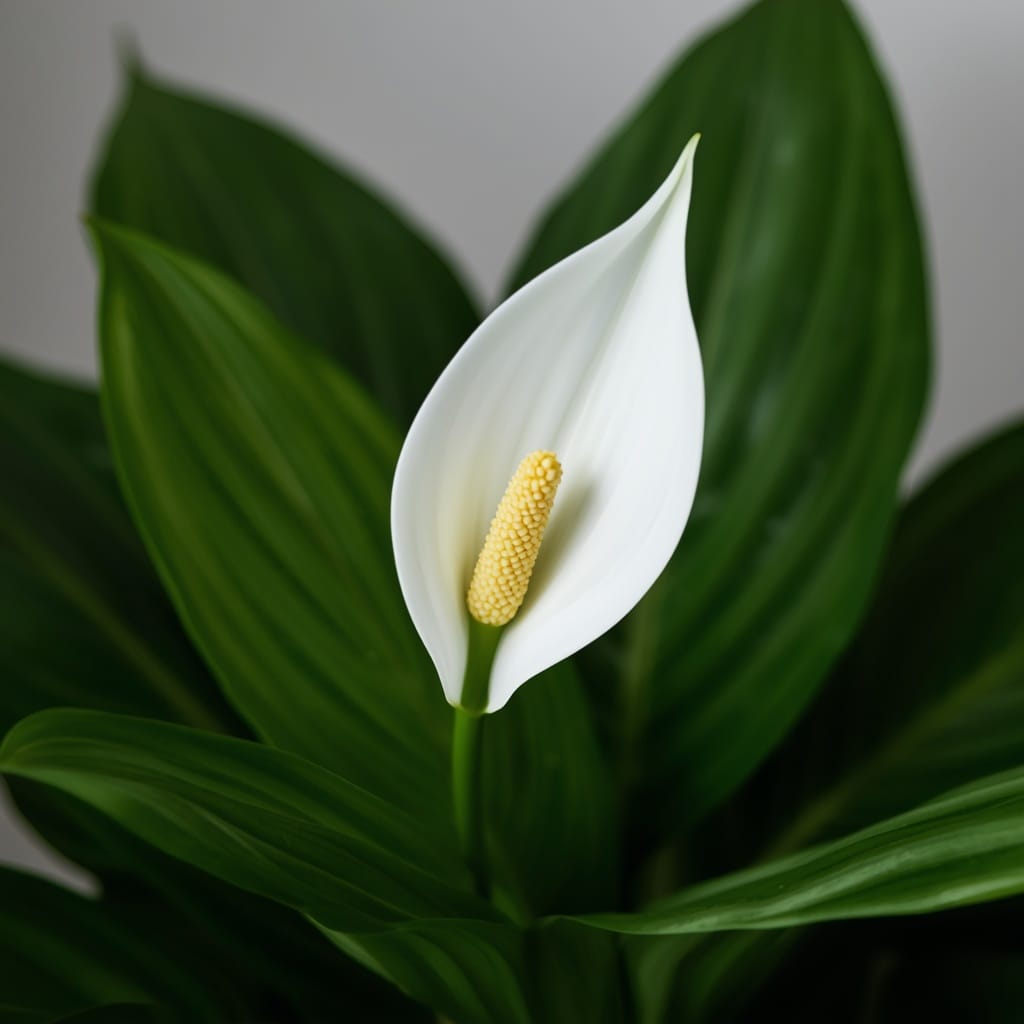
Symbolizes: Peace, purity, rebirth of the soul
Care: Easy
Best for: The classic, all-purpose sympathy plant
If you send only one sympathy plant in your life, it will probably be a peace lily, and for good reason. According to Cake, the peace lily symbolizes purity, rebirth, tranquility, and innocence, which is why it has become the quiet standard for expressing sympathy. Its white blooms are often read as a sign of the soul at peace.
It is also forgiving to care for, which is exactly what a grieving person needs. Peace lilies tolerate low to moderate light, and they signal thirst by drooping, then perk back up within hours of watering, so even someone with no attention to spare can keep one alive. They are often praised for their air-purifying reputation as well, though the everyday effect in a normal room is modest. The point is not the science. It is that a peace lily asks very little and gives back for years.
White orchid: enduring love
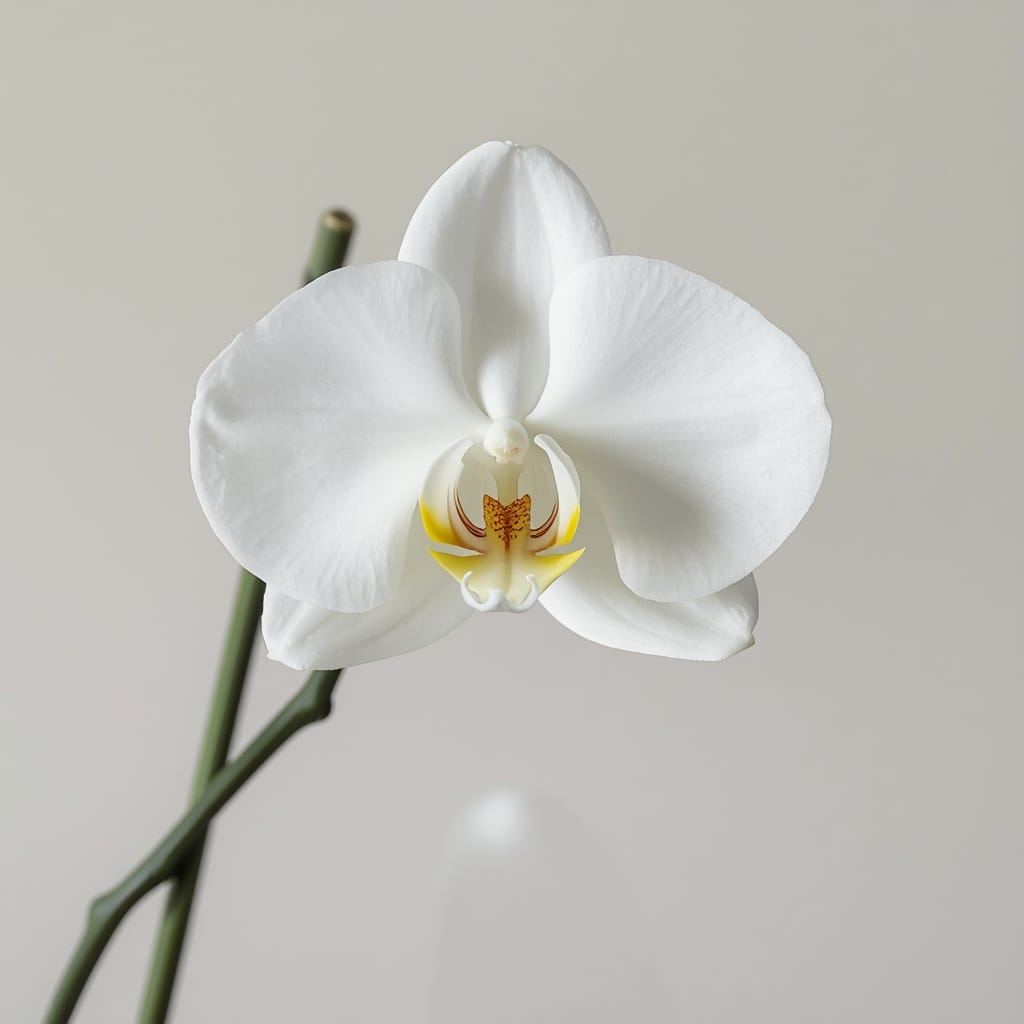
Symbolizes: Enduring, unconditional love
Care: Moderate
Best for: An elegant, long-lasting tribute
For something more elegant and just as lasting, a white orchid is a beautiful choice. Eastern Floral explains that an orchid of any color carries a simple, powerful message: I will always love you. A white Phalaenopsis orchid, in particular, reads as refined and serene, and its blooms can last for months. It asks a little more attention than a peace lily, preferring bright indirect light and careful watering, so it suits a household that finds tending a plant soothing rather than burdensome.
White lily: the soul made innocent again
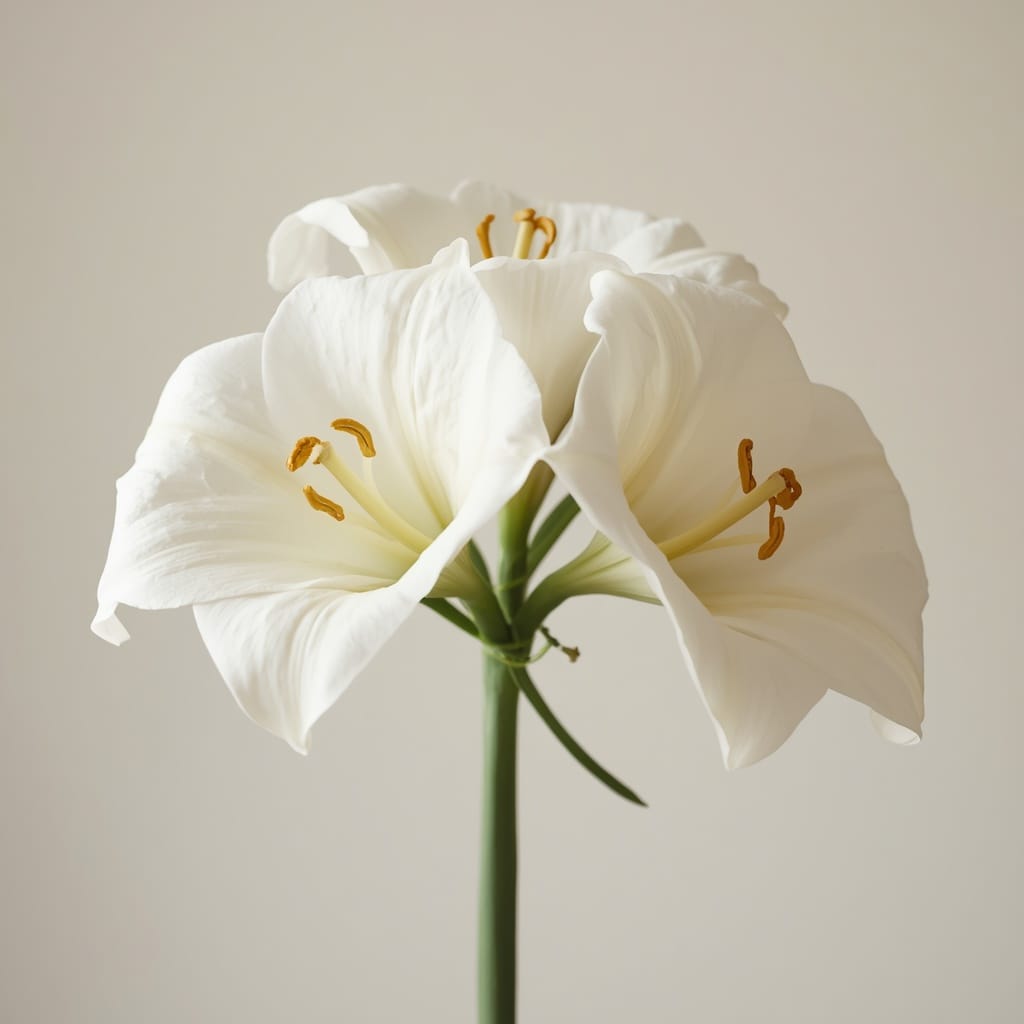
Symbolizes: Restored innocence of the soul
Care: Moderate
Best for: Formal remembrance (not safe around cats)
The white lily is one of the most traditional funeral flowers in the Western world. As Reflections Urns notes, in Christian tradition the white lily symbolizes the soul's restored innocence and spiritual rebirth, making it especially fitting for someone remembered as gentle. It carries deep meaning, but it comes with an important caution covered in the next section: true lilies are dangerous around cats, so confirm the family has no feline before sending one.
Chrysanthemum: honor, with a cultural caveat
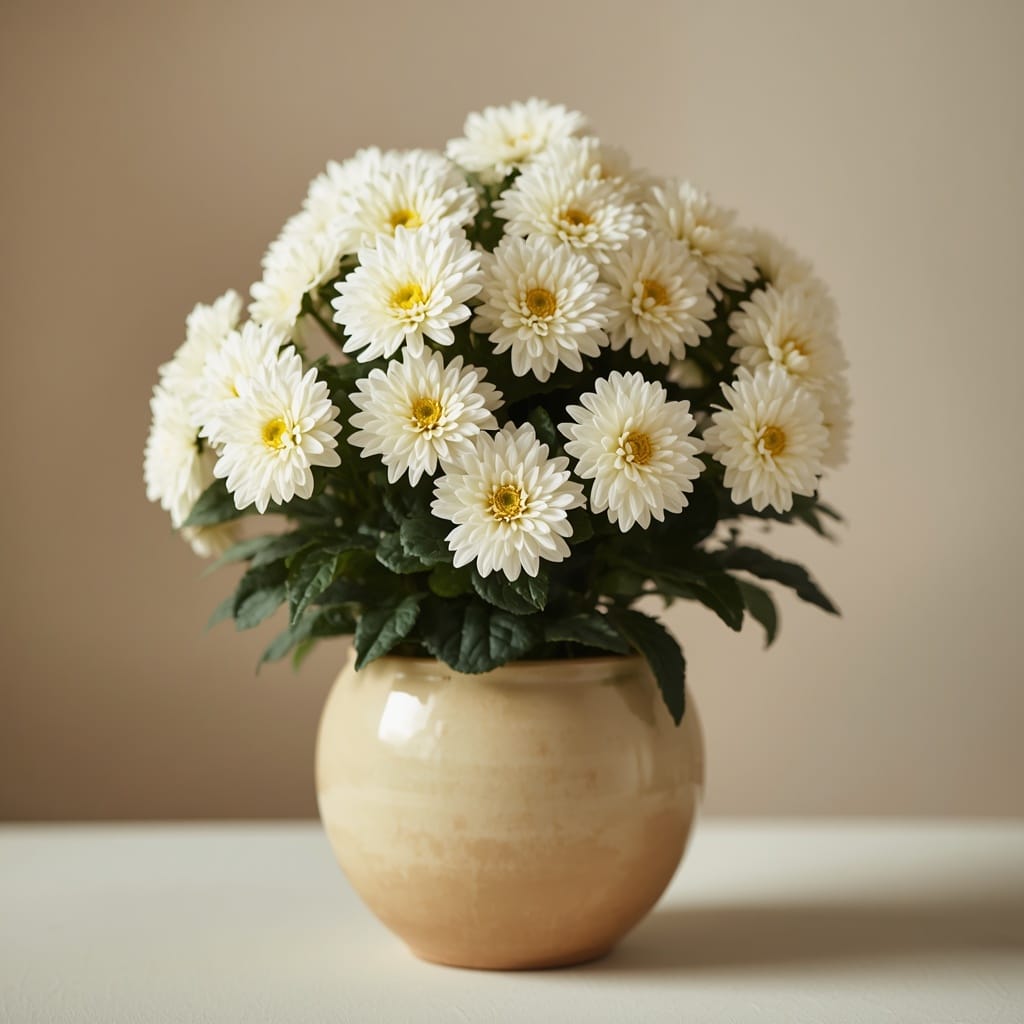
Symbolizes: Honor in the US; mourning in much of Europe and Asia
Care: Easy to moderate
Best for: A traditional funeral tribute
Chrysanthemums, or mums, are worth understanding before you send them, because their meaning shifts by region. Reflections Urns explains that in much of Europe and Asia the chrysanthemum is tied so closely to grief and mourning that it is used almost exclusively for funerals, while in the United States it more often signals honor and truth. Eastern Floral similarly notes that in the US the mum represents honor and innocence. If the family has European or Asian heritage, a chrysanthemum will read as a solemn, traditional tribute. If you are unsure how it will land, a peace lily is a safer universal choice.
Rose: love in layered colors
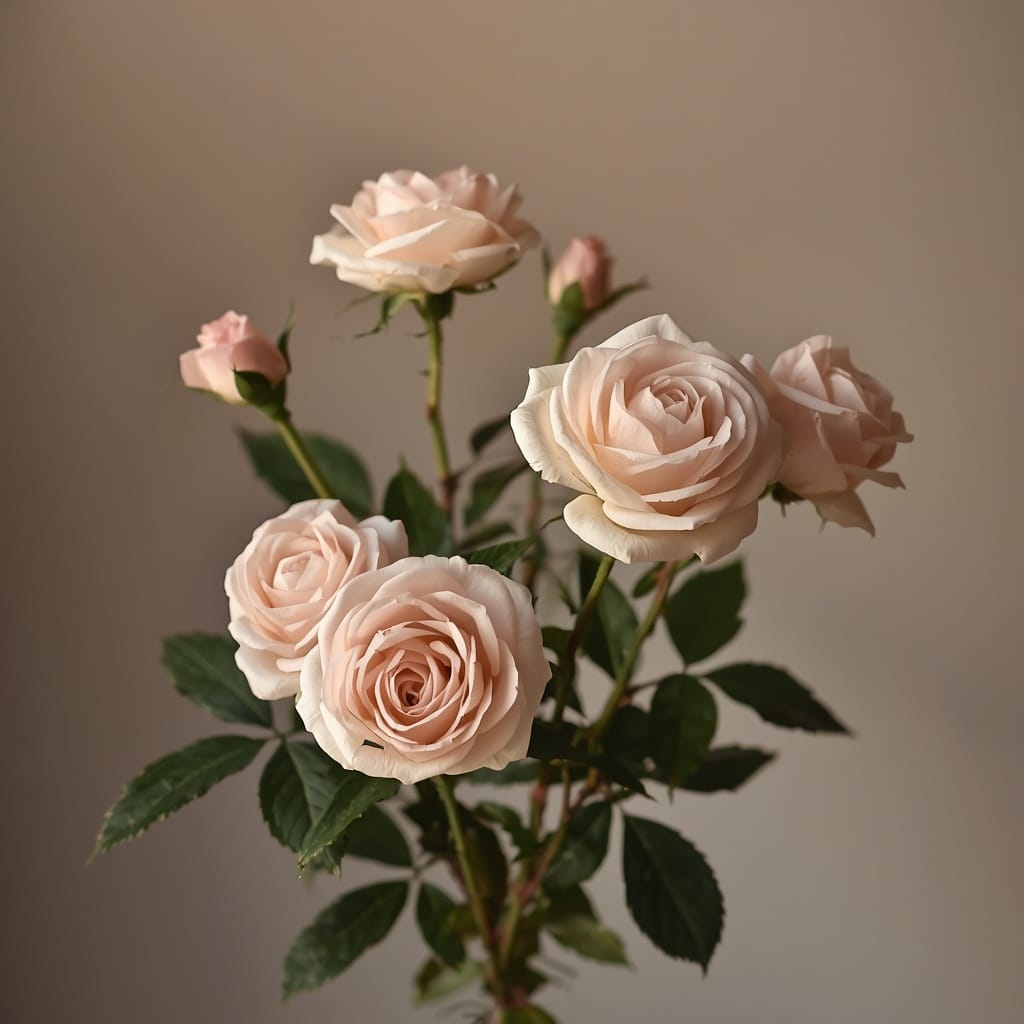
Symbolizes: Love, honor, and farewell (meaning varies by color)
Care: Moderate
Best for: A personalized tribute with layered meaning
A rose plant carries love, honor, and farewell, and its color refines the message. Drawing on the Victorian language of flowers, The Old Farmer's Almanac records that a white rose means reverence and a fresh start, a pink rose conveys grace and gentleness, a red rose speaks of love, and a deep crimson rose signals mourning. A pink rose, gentle and warm, is often the kindest register for sympathy. Roses ask for good light and regular care, so they suit a recipient who enjoys gardening.
Forget-me-not: the promise not to forget
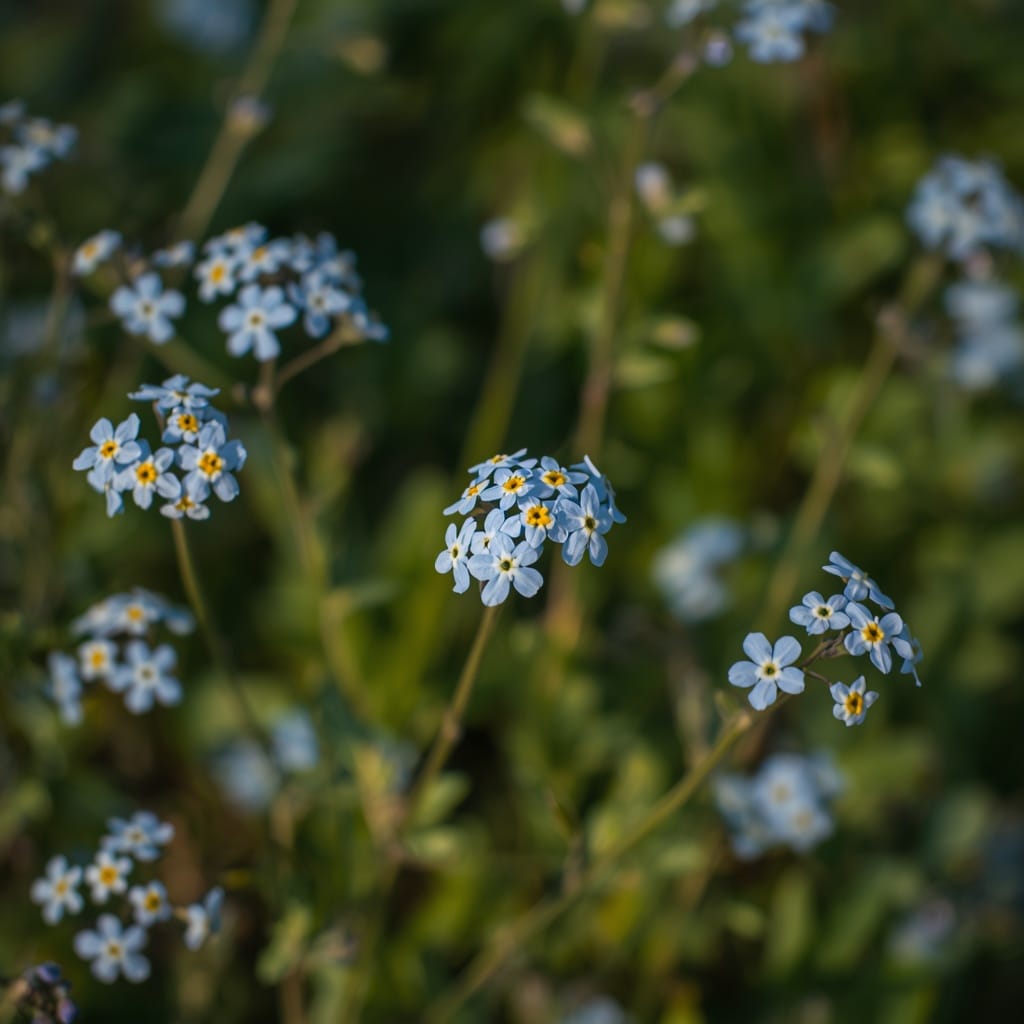
Symbolizes: Remembrance, "I will not let you fade"
Care: Easy outdoors
Best for: A gesture sent weeks or months later
Few plants say what a grieving family longs to hear as directly as the forget-me-not. The Almanac also lists it among the clearest remembrance symbols in the language of flowers, and Blooming Expert draws a lovely distinction worth remembering: forget-me-nots are flowers of remembrance rather than grief, their message not "I mourn you" but "I will not let you fade." That makes them especially meaningful weeks or months after a death, when acute grief has quieted but the wish to keep someone present remains. A small pot of forget-me-nots, or seeds for a memorial garden, is a gift timed like a hand on the shoulder.
Rosemary: remembrance you can hold and smell
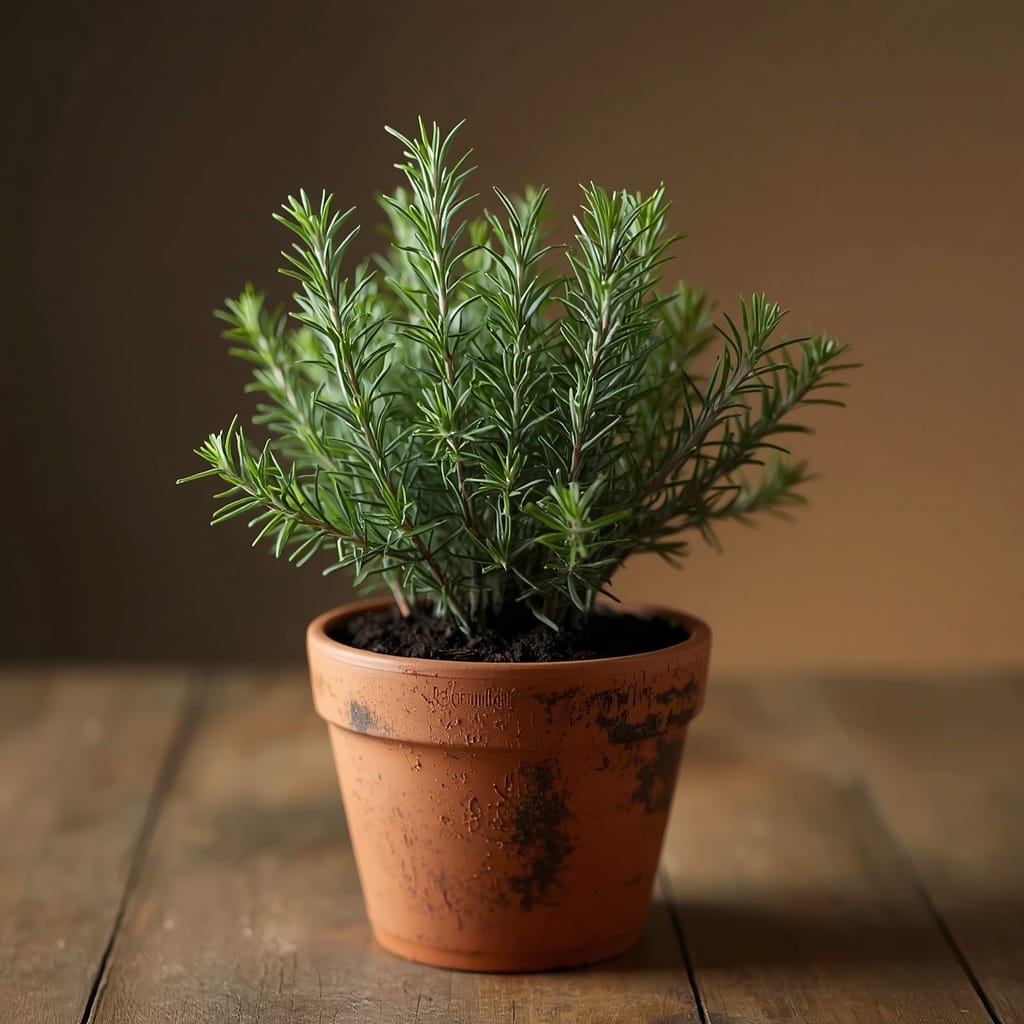
Symbolizes: Remembrance and fidelity
Care: Easy
Best for: A fragrant, living keepsake
Rosemary may be the oldest remembrance plant of all. JSTOR Daily traces its association with memory and grief through antiquity and into Shakespeare, where a grieving Ophelia offers the famous line, "There's rosemary, that's for remembrance." A living rosemary plant is fragrant, hardy, and evergreen, and it gives the bereaved something to brush with a hand and breathe in on a hard day. It works beautifully as a companion to a card that simply says, this is for remembrance.
Bonsai: harmony, patience, and a living practice
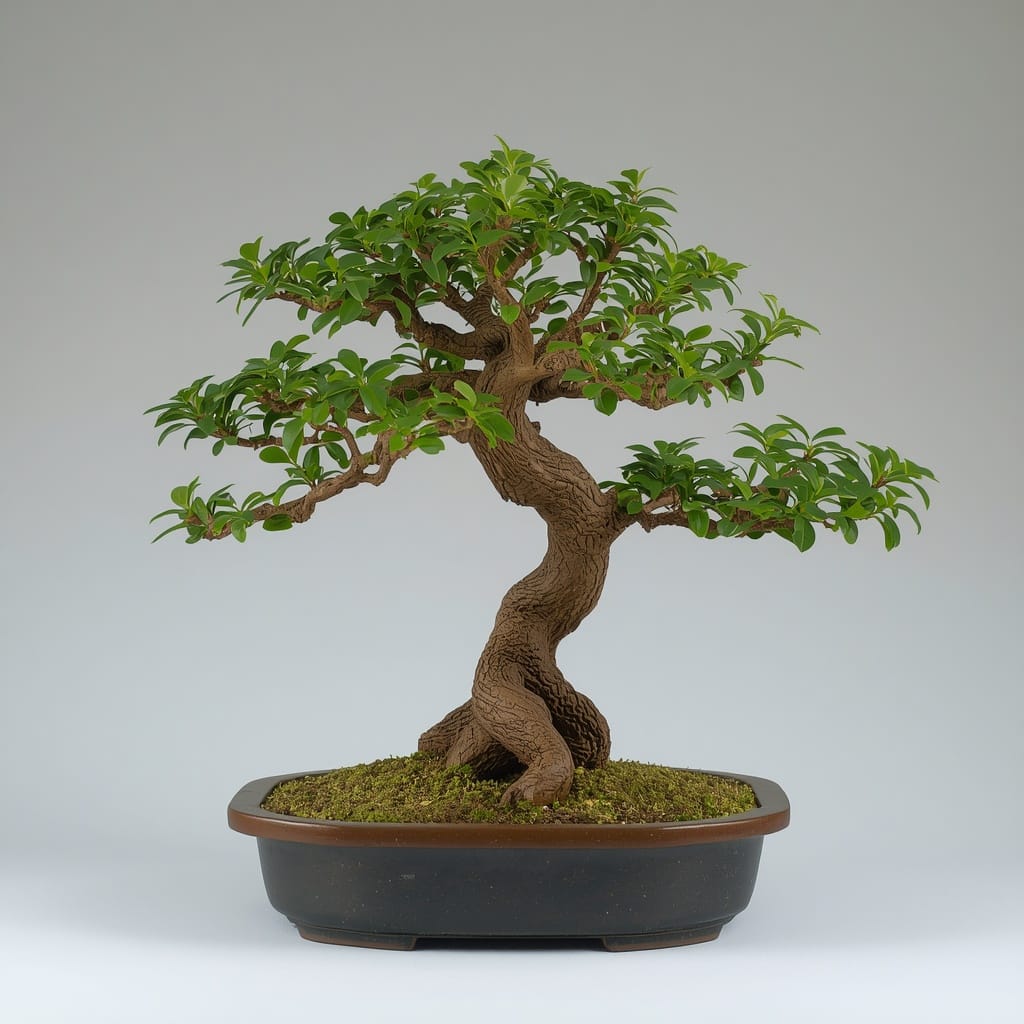
Symbolizes: Harmony, patience, and balance
Care: Attentive
Best for: A meditative, long-term tribute for someone who finds calm in tending
A bonsai is a different kind of sympathy gift, one that gives the grieving person something to do with quiet, focused hands. According to Miyagi Bonsai, the practice represents harmony, balance, and patience, and its central lesson is that growth cannot be rushed, a message that lands gently on someone in grief. Tending a bonsai becomes a small daily ritual of care and reflection, and the tree can live for many years, growing alongside the memory it honors. Because it asks for regular, attentive care, a bonsai suits someone who finds tending a plant soothing rather than one more task. Pair it with a note that removes any pressure: there is no wrong way to care for it, and no timeline.
Succulents: resilience and enduring love
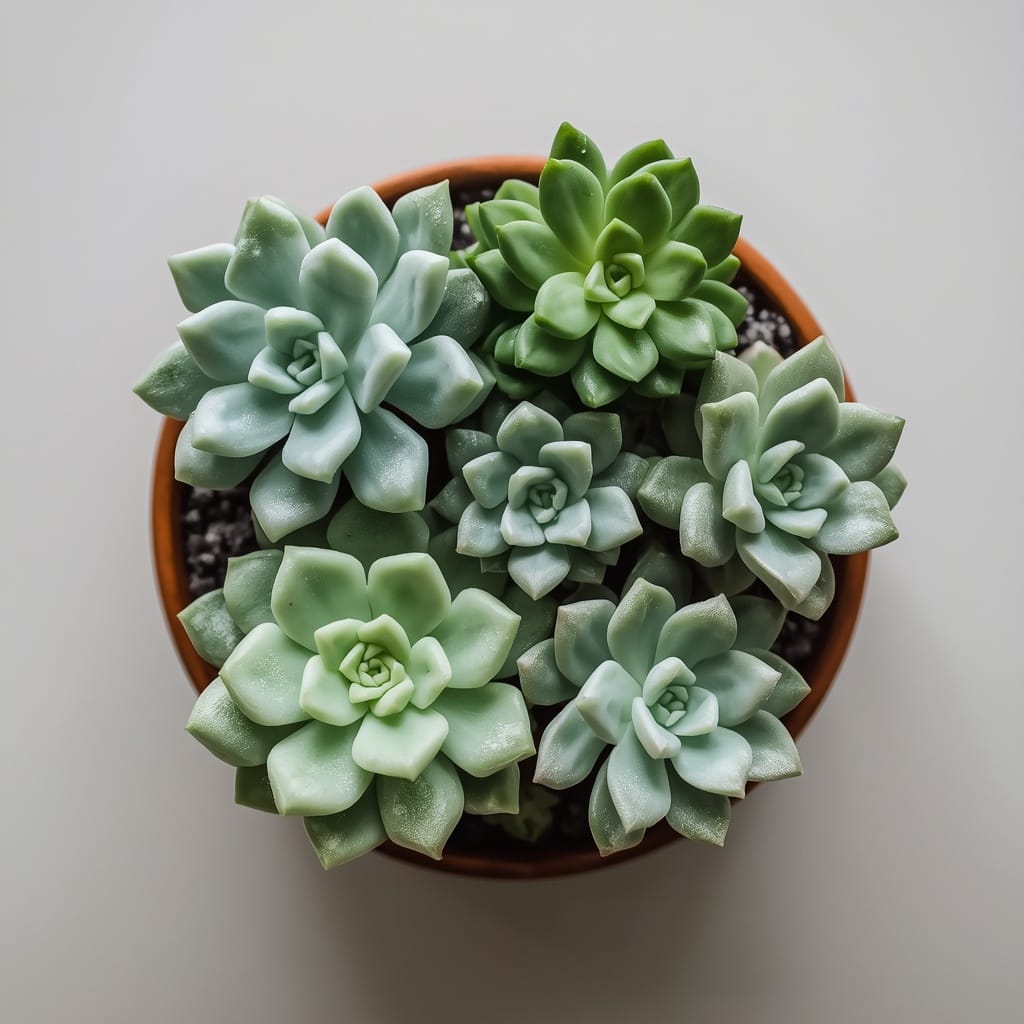
Symbolizes: Resilience, endurance, and enduring love
Care: Very easy
Best for: A hardy, lasting tribute for a household with little energy for upkeep
If you want a plant that all but takes care of itself, a succulent, or a small succulent garden, is hard to beat. Succulents store water and thrive on very little attention, which is why they carry such fitting symbolism for loss. As The Herb Cottage notes in its guidance on succulent sympathy gifts, these plants symbolize growth, resilience, and healing, and caring for one can offer a grieving person a gentle sense of purpose. Their enduring nature carries a quiet message too: as the succulent keeps growing with almost no help, it becomes a reminder that love and memory continue even in the hardest seasons. A string of pearls, whose trailing strands are often read as a symbol of eternity, or a hardy jade or echeveria all make thoughtful choices. For a household with no energy to spare, this is one of the safest living gifts you can send.
A word on low-maintenance plants
Whatever the symbolism, Blooming Expert makes a practical point that should weigh heavily in your choice: minimal-care requirements matter when a grieving person has little energy for plant maintenance. If you do not know how much the family enjoys tending plants, lean toward the hardiest options, like the succulents above or a peace lily. A drooping, dying plant can quietly add to a grieving person's sense of failure, which is the opposite of what you intend. When in doubt, choose the plant that forgives neglect.
The safety check most people skip: pets
This is the single most important thing to confirm before you send a plant, and it is easy to overlook. Several classic sympathy plants are dangerous to cats.
According to the ASPCA, true lilies, including Easter lilies, Asiatic lilies, stargazer lilies, and daylilies, are severely toxic to cats. Every part of the plant is poisonous, small amounts can cause acute kidney injury, and it is often fatal if treatment is delayed more than 18 hours. Sending a beautiful lily to a household with a cat could unintentionally create an emergency.
The peace lily, despite its name, is not a true lily and is far less dangerous. The ASPCA lists it as toxic to both cats and dogs because of insoluble calcium oxalate crystals, which cause mouth irritation, drooling, and stomach upset if chewed, but it rarely causes serious or life-threatening harm. Still, if the family has a determined plant-nibbling pet, it is worth a gentle heads-up or a pet-safe alternative.
The kind thing to do is simple: if you know the family has a cat, avoid true lilies entirely, and either choose a pet-safer plant or include a note suggesting they keep it out of the animal's reach. A quick question, "do you have any pets I should keep in mind?", takes ten seconds and prevents real harm.
Matching the plant to the person and the moment
The right sympathy plant depends on who you are to the family and when you are sending it.
- Around the funeral, a peace lily, a white orchid, or a traditional lily arrangement fits the solemnity of the moment and gives the family something lasting once the service is over.
- In the weeks and months after, when the visitors have gone and the world has moved forward, plants of remembrance land hardest. This is the forget-me-not and rosemary window. As Blooming Expert notes, remembrance gestures made months or years later say something a funeral flower cannot: I still remember, and so should the world.
- On anniversaries and birthdays, a plant tied to a memory, a rose in their favorite color or a herb they cooked with, quietly honors the person who is gone.
Your closeness is your compass. A more distant coworker or neighbor can send a hardy, universally meaningful plant like a peace lily with a warm note. A close friend or family member, who knows the person's story, can choose something personal and can also offer the ongoing, hands-on support that matters over months, not just days.
Cross-cultural and etiquette considerations
A little cultural awareness makes a plant gift land better. Beyond the chrysanthemum's shifting meaning, note that not every grieving family welcomes plants or flowers at all. Blooming Expert also points out that in Jewish mourning tradition, flowers are generally not part of the shiva period, and the more fitting gesture is food, a prepared meal, or a charitable donation in the person's name. When you are unsure, food and donations are almost always safe.
Two more small courtesies. If an obituary says "in lieu of flowers" and names a cause, honor that request first; a donation shows greater respect than a plant sent anyway. And whatever you send, include a card with a short, warm note. A plant's meaning is only clear if you name it. "Rosemary, for remembrance," or "a peace lily, so peace keeps growing in your home," turns a nice plant into an unmistakable message.
When a plant is not quite enough: a lasting tribute that never needs tending
Here is the honest limitation of even the best sympathy plant. It is alive, which is its beauty, but being alive means it needs care, and one day it may not survive. For a grieving person, that can feel like losing something all over again. Many families reach a point where they want, alongside the living tributes, something permanent that asks nothing of them.
This matters more now than it used to, because of how families care for those they lose. According to the National Funeral Directors Association, the U.S. cremation rate reached 63.4% in 2025, more than double the burial rate. That means most grieving families today are living with a loved one's cremated remains at home, often unsure what feels right to do next.
Parting Stone offers one lasting answer. Through a patented process Parting Stone pioneered, a loved one's cremated remains are transformed into a collection of smooth, solid stones, roughly 40 to 80 or more for an adult. Unlike a plant, they never wilt and never need watering. A family member can hold one in a quiet moment, carry one in a pocket on a hard day, display them where the person was most present in the home, or share them so each relative keeps a part of a parent close. Some families place a few among the roots of a memorial plant or garden, letting the living tribute and the permanent one sit together.
Meet Justin Crowe, founder of Parting Stone. After his grandfather passed away in 2014, Justin noticed something many families experience: the discomfort of living with cremated remains stored in closets, garages, or basements. That personal loss inspired him to create something different. Working with material scientists at Los Alamos National Laboratory, Justin developed a way to transform 100% of cremated remains into smooth, touchable stones that families can hold, share, and carry with them. Today, Parting Stone has served over 13,000 families who were ready for an alternative to traditional ashes.
This speaks to the same continuing bond a plant honors. When Simply Psychology describes maintaining a connection to a loved one as a healthy way to keep a relationship alive in a new form, solidified remains offer something a family can hold onto for good. More than 14,000 families and over 1,800 funeral home partners have chosen this path.
A note of honesty, since this is a significant gift rather than a casual one. Human solidification is $2,495, so it is usually arranged by immediate family or given as a group gift when a circle of loved ones wants to contribute to something lasting together. Pet solidification is available as well, at $1,195, for families grieving a companion. If you are a more distant friend and this feels right for the family, the gentle approach is best: mention it as an option, share where they can learn more, and let them decide in their own time. The process takes roughly 8 to 10 weeks, which suits a decision families are rarely ready to rush.
Families can explore the option at partingstone.com, or reach the care team at 505-772-0634 or support@partingstone.com with questions.
How to care for a sympathy plant (so you can pass it on)
A small gift within your gift: include simple care notes so the family does not have to look anything up. For the most common sympathy plants, the basics are gentle.
- Peace lily: low to moderate indirect light, water when the leaves begin to droop, and it will recover quickly. Very forgiving.
- White orchid: bright indirect light, a small amount of water about once a week, and good drainage so the roots never sit wet.
- Rosemary: plenty of sunlight, water when the top of the soil feels dry, and it happily lives indoors on a sunny sill or outdoors in mild climates.
- Forget-me-not: happiest outdoors in a garden bed or pot with regular moisture and partial shade, where it will reseed and return.
Keeping the note short is kind. In grief, even a plant can feel like one more responsibility, so frame care as easy and optional: "No pressure to keep it perfect. It is hardy, and so are you."
Choosing a living gift that says "I remember"
A sympathy plant, chosen well, does something a bouquet cannot. It stays in the home, it grows, and every new leaf or bloom becomes a quiet reminder that the person who died is still remembered and that the family is not alone. Peace for a peace lily, love for an orchid, remembrance for rosemary and forget-me-nots: when you match the meaning to the person and name it in a warm note, you hand someone a small, living form of your care.
You do not need to find a perfect plant. You need a caring one, safe for the household, easy enough to keep, and honest about what it means. And if a family you love is living with a loved one's cremated remains and looking for a tribute that lasts beyond any season, you are welcome to explore a permanent option together at partingstone.com, or reach the care team at 505-772-0634 whenever the time feels right.
Frequently asked questions about sympathy plants
What is the best sympathy plant to send?
The peace lily is the most popular and versatile choice. It symbolizes peace, purity, and the rebirth of the soul, and it is easy enough to care for that even an overwhelmed household can keep it alive. For something more elegant, a white orchid signals enduring love, and for a gesture of remembrance sent later, forget-me-nots or rosemary carry a gentle, lasting message.
What plants symbolize remembrance after a death?
Forget-me-nots and rosemary are the classic remembrance plants. The Old Farmer's Almanac notes both in the language of flowers, and rosemary's link to memory reaches back to antiquity and Shakespeare. Because their message is about keeping someone present rather than mourning, they are especially meaningful weeks or months after a loss, on anniversaries, and on birthdays.
Are sympathy plants safe for pets?
Not all of them. According to the ASPCA, true lilies such as Easter, Asiatic, and daylilies are severely toxic to cats and can cause fatal kidney injury. Peace lilies are far less dangerous but still irritate pets if chewed. If the family has a cat, avoid true lilies entirely and choose a pet-safer plant or add a note to keep it out of reach.
Is it better to send a plant or flowers for sympathy?
Both are thoughtful. Cut flowers suit the funeral itself but fade within a week. A living plant stays in the home and keeps offering comfort, which fits the fact that grief has no timeline. If you want something that lasts even longer than a plant, some families also welcome a permanent tribute made from a loved one's cremated remains.
What should I write on the card with a sympathy plant?
Keep it warm and name the plant's meaning so the gesture is clear. Something like "a peace lily, so peace keeps growing in your home" or "rosemary, for remembrance" turns a nice plant into an unmistakable message. Add a low-pressure line such as "no need to reply, I am thinking of you," and skip phrases that try to explain away the loss.